Buenos Aires → Iguazú Falls → Mendoza → Patagonia → Ushuaia. From Buenos Aires tango halls and world-class steak through the thundering Iguazú Falls, Mendoza wine country, and the granite spires of Patagonia to the literal end of the world. Fourteen days of extremes.
Argentina is a country of extremes. The eighth-largest country on Earth stretches from subtropical jungle in the north to glacial ice fields in the south, with wine country, pampas grasslands, and Andean peaks in between. This route hits all of them.
Buenos Aires alone is worth the flight - a city with the architecture of Paris, the food culture of Italy, the nightlife of Madrid, and the passion of nowhere else on Earth. Argentines eat dinner at 10pm, go dancing at 2am, and drink mate (herbal tea) like it's oxygen. The city runs on beef, wine, psychoanalysis, and tango.
But the real revelation is the south. Patagonia is one of the last great wildernesses - a region where the granite towers of Fitz Roy explode from the steppe, glaciers calve icebergs the size of apartment buildings into turquoise lakes, and the wind howls with a force that makes you feel genuinely small. Iguazú Falls in the north is water at its most theatrical - 275 cascades stretching nearly 3 km, making Niagara look like a dripping faucet.
The value proposition is extraordinary. Argentina's ongoing currency crisis means that travelers paying in US dollars get remarkable purchasing power. World-class steak dinners for $15. Malbec that would cost $40 abroad for $8. Boutique hotels for $60. The blue dollar exchange rate effectively gives you a 30-50% bonus on everything.
Argentina is massive. Buenos Aires to Ushuaia is 3,000 km - equivalent to London to Cairo. This trip requires 3-4 internal flights. Book with Aerolíneas Argentinas for the most routes and reliability. Flybondi and JetSMART are budget alternatives. Book early - prices double within 2 weeks of departure. The only driving stretches are El Calafate to El Chaltén (3 hours by bus on RN 40) and within wine country.
14 days from cosmopolitan Buenos Aires to the literal end of the world, through waterfalls, vineyards, and glaciers.
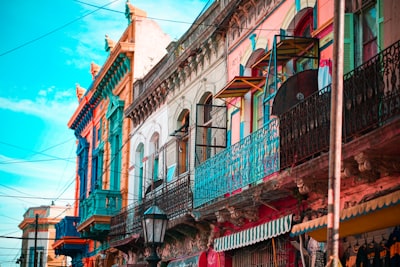
The birthplace of tango and home to Boca Juniors football club. Caminito is the famous painted street - vibrant, touristy, and worth seeing once. Don't wander more than 2-3 blocks from Caminito (the surrounding area is rough). Visit La Bombonera stadium for Boca Juniors history even if there's no match.
On Sundays, Defensa Street transforms into a 10-block antique and craft market with tango dancers performing at every corner. The energy is incredible. On other days, explore the antique shops, vintage stores, and Mercado de San Telmo (an indoor market with the best empanadas in the city). This is where Buenos Aires feels most authentic.
Not morbid - breathtaking. An entire city of marble mausoleums housing Argentina's elite, including Eva Perón. The architecture rivals any museum. Get lost in the labyrinth of ornate crypts. Free admission. The weekend craft fair outside is excellent. Recoleta itself is Buenos Aires' most elegant neighborhood.
Argentina is beef country and Buenos Aires is ground zero. Don Julio in Palermo is world-famous (book a week ahead or line up at 7pm). La Cabrera for huge portions and complimentary sides. La Brigada in San Telmo cuts steak with a spoon - that's how tender. Order bife de chorizo or entraña. Skip the chicken, you're in Argentina.
Two options: a polished tango show (Rojo Tango at Faena Hotel is the most elite, Café de los Angelitos is more traditional) or a milonga (social tango dance hall) for the real thing. La Catedral and Salón Canning are legendary milongas where locals dance. Even if you don't dance, watching from the bar with a Malbec is unforgettable.
Buenos Aires' coolest neighborhoods. Street art on every wall, designer boutiques, craft cocktail bars, and restaurants that rival anything in New York or London at a fraction of the price. Saturday brunch culture is strong. Walk Plaza Serrano and the surrounding blocks. Nispero for natural wine, Proper for cocktails.
“La Boca's Caminito - the most colorful street in South America”
“Sunday antique market in San Telmo - tango dancers in the streets”
“Recoleta Cemetery - where Eva Perón rests among marble angels”
“Argentine steak dinner at a classic parrilla - perfectly grilled entraña”
“Tango show at a milonga in San Telmo - raw passion on the dance floor”
“Café Tortoni - Buenos Aires' oldest café, serving cortados since 1858”
“Palermo Soho boutiques and street art - the Brooklyn of Buenos Aires”
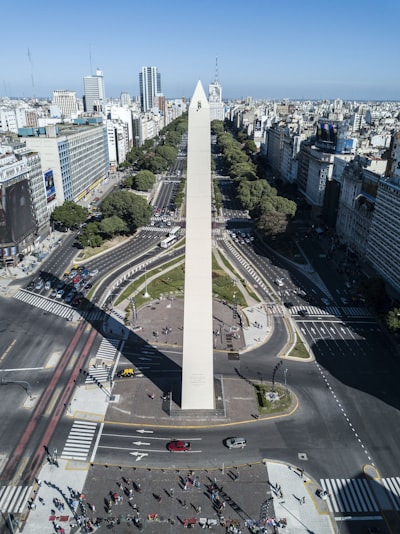
“Obelisco de Buenos Aires lit up at night on Avenida 9 de Julio”
“Empanadas from a hidden bodegón - crispy, juicy, and 500 pesos each”
Buenos Aires is a food city on par with any in the world. Beyond steak: try milanesa napolitana (breaded cutlet with ham, cheese, and tomato), choripán (chorizo sandwich with chimichurri), medialunas (sweet croissants) for breakfast, and dulce de leche on everything. Café culture is sacred - order a cortado and sit for hours. Nobody rushes you.
The Argentine side of the falls is the immersive experience - you walk ON TOP of the falls on metal catwalks extending over the river. The Garganta del Diablo (Devil's Throat) is the grand finale: a U-shaped cascade where 1,500 cubic meters of water per second crash 80 meters into a cloud of permanent mist. You will get soaked. Arrive at park opening (8am) and head straight to Devil's Throat before crowds.
The Upper Circuit gives top-down views of dozens of waterfalls. The Lower Circuit takes you to the base where you look UP at the cascades crashing down - more dramatic, more spray. Both are paved and wheelchair-accessible for most sections. The Lower Circuit has a boat dock for the Gran Aventura ride.
A zodiac boat takes you directly UNDER the falls. Not near them - under them. You will be completely drenched. Seal your phone in a waterproof bag (they sell them at the dock). The boat ride includes a jungle drive through the rainforest. Worth every peso. Book early in the day - afternoon slots sell out.
If you have time, the Brazilian side offers the panoramic postcard view of the entire falls system. You need a Brazilian visa if your nationality requires one (US citizens do). The walkway extends to a platform AT the base of Devil's Throat from below. Different perspective, equally stunning. Cross at the Tancredo Neves bridge.
“Devil's Throat at Iguazú - 80 meters of thundering water into the abyss”
Puerto Iguazú is a small town - don't expect Buenos Aires quality. La Rueda 1975 for solid parrilla. Aqva for more upscale river fish. Try surubí (a local river fish) grilled. The ice cream shops serve tropical flavors - maracuyá (passion fruit) is everywhere. For a splurge, Sheraton Iguazú has a restaurant inside the national park with falls views.
Mendoza produces 70% of Argentina's wine, and Malbec is the undisputed king. The main regions: Luján de Cuyo (traditional, full-bodied Malbec), Maipú (closest to city, budget-friendly bike tours), and Uco Valley (high-altitude, premium wines, stunning Andes backdrop). Book a tour or hire a remis (private driver) - never drive yourself between wineries. Expect to visit 3-4 wineries per day.
An hour south of Mendoza city, the Uco Valley sits at 1,200-1,500 meters elevation. The combination of altitude, desert climate, and Andean snowmelt produces Argentina's most acclaimed wines. Zuccardi Valle de Uco was named World's Best Vineyard in 2019, 2020, and 2021. The architecture alone is worth the visit. Salentein and Andeluna are equally stunning. Book lunch at a winery - multi-course asado with wine pairing.
Drive Ruta 7 toward the Chilean border for jaw-dropping Andes views. Puente del Inca (a natural stone bridge with mineral-encrusted ruins) and Aconcagua viewpoint (the tallest peak in the Americas at 6,961m) are both on this route. In winter (June-Sept), ski at Las Leñas or Penitentes. In summer, the road to Cristo Redentor on the Chilean border is open.
Asado is Argentina's sacred ritual - slow-grilled meat over wood fire for hours. In Mendoza, every winery offers asado lunches. For the full experience, befriend a local (not hard) and get invited to a Sunday asado. Meat is seasoned only with salt and chimichurri. The progression: choripán (chorizo sandwich), morcilla (blood sausage), ribs, then the main cuts. Accompanied by Malbec, always.
Mendoza's tree-lined avenues and spacious plazas were rebuilt after an 1861 earthquake. The city is flat, bikeable, and pleasant. Aristides Villanueva street is the nightlife strip - wine bars and restaurants. The Central Market (Mercado Central) has empanada vendors and fresh produce. Try a submarino: a hot milk drink with a chocolate bar you stir in.
Mendoza's food scene revolves around wine pairing. Azafrán and Francesco Barbera are top restaurants in the city. For the real deal: Fuente y Fonda serves enormous portions of Argentine classics at local prices. Empanadas mendocinas (baked, with beef, olives, and egg) are the regional style - order a dozen from any corner bakery. Wine is absurdly cheap: $5-15 for bottles that would cost $30-60 abroad.
THE hike in Patagonia. A 25 km round-trip trek that ends at a glacial lagoon directly beneath Fitz Roy's granite spires. The final 400-meter climb is steep but the payoff is arguably the most dramatic mountain view in South America. Start at dawn (5am in summer) to catch sunrise light on the peaks. Bring layers - weather changes in minutes. Pack lunch, 2+ liters of water, and wind protection.
A gentler alternative to Fitz Roy with equally stunning scenery. The trail follows the Fitz Roy River through lenga forest to a glacial lake with Cerro Torre - a needle-like peak that climbers consider the most difficult in the world. Icebergs float in the lagoon. Less crowded than the Fitz Roy trail. Combine both hikes over two days.
A quick climb right from town to a viewpoint where Andean condors soar on thermals at eye level. The wingspan of these birds (up to 3.2 meters) is staggering. Best in the morning when thermals are strongest. Great for sunset views over the town and lake.
El Chaltén has an unexpectedly good craft beer scene - La Cervecería Chaltén and Laguna de los Tres Brewery both brew with glacial water. After 10 hours of hiking, a local IPA and a milanesa at La Tapera or Estepa is pure bliss. The town is tiny (1,600 people) but has a warm, communal hiking culture.
“Laguna de los Tres at sunrise - Fitz Roy's reflection in glacial water”
El Chaltén is small and remote - don't expect fine dining. Techado Negro has the best pizza. La Tapera and Estepa do excellent lamb and steak. Domo Blanco for incredible ice cream (yes, even in Patagonia). Buy provisions at the small supermarket if self-catering. The restaurants fill up fast in peak season (Jan-Feb) - arrive early or wait.
One of the only advancing glaciers left on Earth. The viewing catwalks put you within 200 meters of a 5 km-wide, 60-meter-tall ice wall. You'll hear it before you see the calving - deep cracks followed by building-sized chunks of ice crashing into the lake. The sound is thunderous. Spend at least 3-4 hours on the catwalks (multiple levels and viewpoints). Afternoon has the best calving action as sun warms the ice.
Strap on crampons and walk ON the glacier itself. The ice is surreal - brilliant blue crevasses, ridges, and tunnels. Guides lead groups across the surface. At the end, you drink whiskey chilled with 10,000-year-old glacial ice. Book through Hielo y Aventura (the only authorized operator). Moderate fitness required - the approach hike is 30 minutes through forest.
For experienced hikers: a much longer trek across the glacier that goes deep into the ice field, including walking through blue ice tunnels and along deep crevasses. More physically demanding than Mini Trekking but the experience is extraordinary. Minimum age 18, maximum age 50. Book well ahead - limited spots.
A remote estancia (ranch) accessible only by boat across Lago Argentino. The journey passes the Upsala Glacier (even larger than Perito Moreno). At the estancia, hike to a viewpoint over the Northern Patagonian Ice Field. Expensive but unforgettable for the combination of landscape, history, and isolation.
El Calafate's main strip (Avenida del Libertador) is lined with restaurants. La Tablita for the best parrilla and Patagonian lamb (cordero patagónico al asador - whole lamb roasted vertically next to the fire). Casimiro Biguá for fine dining and wine. Isabel Cocina al Disco for traditional Argentine disco cooking. Don't leave without trying calafate berry ice cream - the local berry is tart and unique.
The southernmost national park in the world. Hike along the Coastal Trail (Senda Costera) for views of the Beagle Channel, or take the Hito XXIV trail to the Chilean border. The End of Route 3 sign (the Pan-American Highway's southern terminus) is the iconic photo op. The park has beavers (introduced from Canada in the 1940s - they've caused ecological havoc, but they're everywhere). Take the End of the World Train for the scenic entrance.
Sail the Beagle Channel (named after Darwin's ship) past sea lion colonies, cormorant islands, and the iconic Les Éclaireurs lighthouse (often incorrectly called the End of the World Lighthouse). On clear days, you can see Chilean mountains across the channel. Longer tours continue to Isla Martillo for Magellanic penguin colonies (Oct-March). Dress for cold and wind - the channel is exposed.
Take the Aerosilla (chairlift) up from the ski resort base, then hike 90 minutes to the glacier. The views of Ushuaia, the Beagle Channel, and Navarino Island (Chile) from the top are panoramic. The glacier itself is small but the alpine setting is beautiful. In winter (June-Sept), this is a ski area. In summer, the wildflowers are spectacular.
The Museo del Fin del Mundo covers indigenous Yaghan history, the region's penal colony past, and Antarctic exploration. Get your passport stamped at the End of the World Post Office. The old prison (Museo Marítimo) is now a museum - the cells are preserved and the maritime history wing covers Antarctic expeditions and shipwrecks.
Ushuaia's signature dish is centolla (southern king crab) - enormous, sweet, and pulled from the freezing waters of the Beagle Channel. Volver for the most atmospheric setting (in the old general store on the waterfront). Kaupé for fine dining with centolla prepared multiple ways. La Cantina Fueguina de Freddy for fresh ceviche and seafood. Not cheap, but this is the southernmost crab on earth.
“Ushuaia - the southernmost city on Earth, gateway to Antarctica”
Centolla (king crab) is the must-eat. Beyond that: Patagonian lamb is excellent here too. María Lola Restó for creative Fuegian cuisine. Ramos Generales (the old general store turned restaurant) for atmosphere and Calafate sours. For budget: La Anónima supermarket has surprisingly good empanadas. Alfajores (dulce de leche cookies) from Havanna make perfect souvenirs.
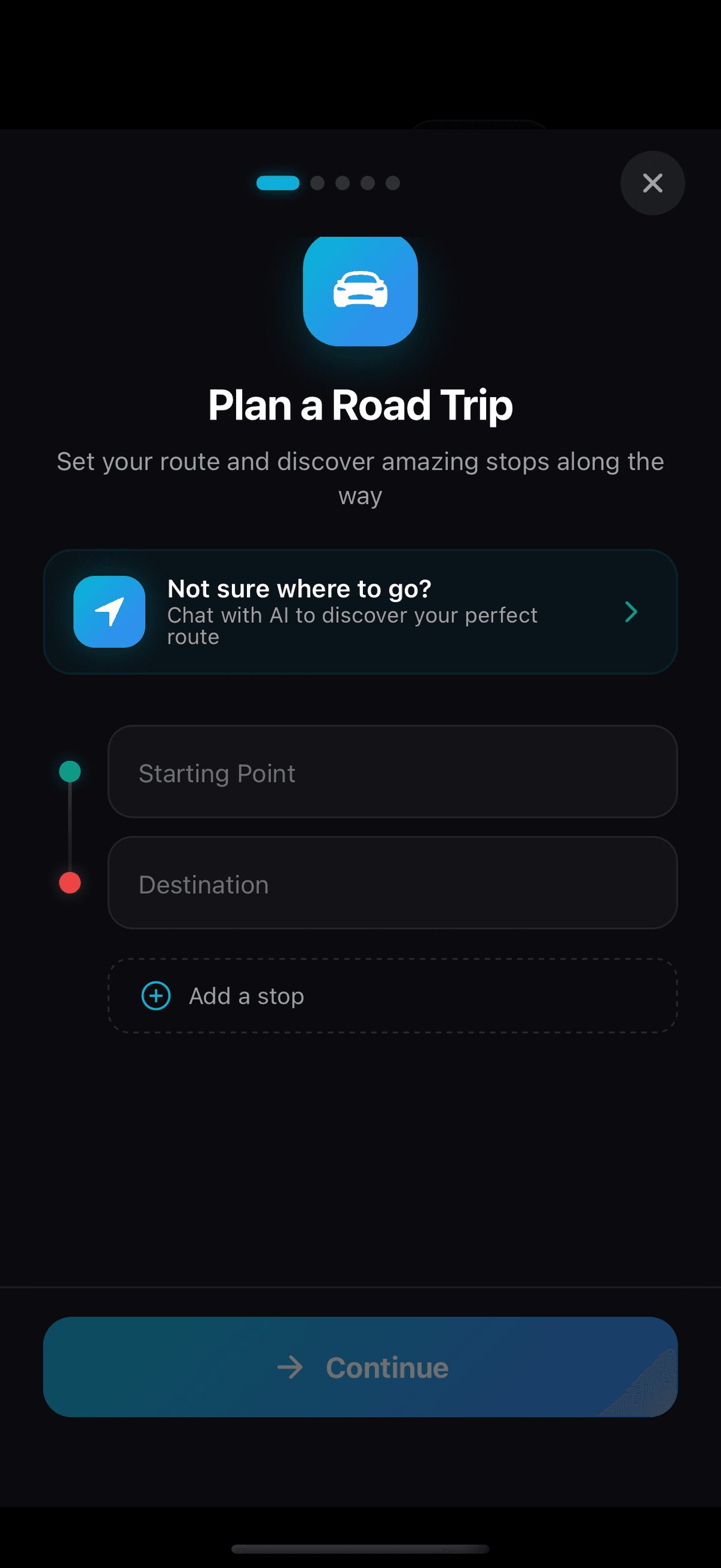
Get real-time blue dollar exchange rates, domestic flight booking alerts, glacier trek availability, creator content at every stop, and one-tap navigation handoff.
Plan in Tourific
Real costs for 14 days across Argentina. The blue dollar rate makes this trip extraordinary value.
Argentina's blue dollar exchange rate means your USD goes 30-50% further than the official rate suggests. A $15 steak dinner is world-class. A $8 bottle of Malbec would cost $35 at home. The Tourific app tracks the real-time blue dollar rate so you always know the true cost.
Get exact estimate in appArgentina's currency situation is unique. Understanding it will save you hundreds of dollars.
Blue dollar rate: Argentina has a parallel exchange rate for USD that gives you 30-50% more pesos than the official bank rate. Exchange USD cash at 'cuevas' (informal exchange houses) on Calle Florida in Buenos Aires, or use Western Union for a similar rate. ATM withdrawals give the worst rate. Carry US dollars in cash - $100 and $50 bills get the best rates.
Carry both pesos AND US dollars. Many hotels and tour operators quote in USD and prefer dollar payment. Restaurants and shops need pesos. The dual-currency situation is confusing but important - getting this wrong costs you 30-50% on every transaction.
Buenos Aires pickpockets target the subte (subway), Calle Florida, and La Boca outside the tourist streets. Use a front pocket or money belt. Don't flash expensive phones. In taxis, lock doors at red lights. These are precautions, not panic - BA is generally safe for tourists who stay aware.
Book internal flights early - distances are ENORMOUS. Buenos Aires to Ushuaia is 3,000 km (like London to Cairo). Buenos Aires to Iguazú is 1,350 km. Aerolíneas Argentinas has the most routes. Flybondi and JetSMART are budget options. Flights booked last-minute can be 3-4x the price.
Patagonian wind is brutal and constant, especially in El Chaltén and Ushuaia. Wind speeds of 60-100 km/h are normal. A windproof shell layer is non-negotiable. Secure your hat, protect your camera, and lean into it - literally. Weather changes every 30 minutes. Layer obsessively.
The parallel exchange rate gives 30-50% more pesos than banks/ATMs
Exchange USD cash at cuevas on Calle Florida (BA) or ask your hotel
Western Union transfers also use a favorable rate
$100 bills get the best rate; torn/marked bills are rejected
Check dolarblue.net for the daily rate before exchanging
Aerolíneas Argentinas: most routes, most reliable
Flybondi: ultra-budget, hand luggage only
JetSMART: budget, expanding network
Book 4-8 weeks ahead for 50%+ savings
Pay in pesos (blue rate) when possible - USD pricing uses official rate
Restaurants: 10% is standard (not included in bill)
Tour guides: 500-1,000 pesos per person for full-day tours
Taxi: round up to nearest 100 pesos
Hotel staff: 500-1,000 pesos for porters and housekeeping
Plan this exact route with AI-powered cost estimates, blue dollar tracking, creator content at every stop, and one-tap navigation handoff.