Rio de Janeiro - Paraty - Sao Paulo - Manaus (Amazon) - Salvador. From Rio's beaches and samba circles to the colonial cobblestones of Paraty, Sao Paulo's food obsession, deep into the Amazon rainforest, and finishing in Salvador where Afro-Brazilian culture runs through every beat of drum and bite of acaraje.
Brazil is a continent disguised as a country. The distance from Rio to Manaus is roughly the same as London to Moscow. The culture shifts dramatically at each stop - Portuguese colonial history on the coast, Japanese and Italian immigrant communities in Sao Paulo, indigenous Amazonian traditions in Manaus, and West African roots in Salvador. No other single country gives you this range.
This route is designed to cover Brazil's greatest contrasts without backtracking. You start with the beaches and mountains of Rio, wind through the coastal colonial towns, experience the urban intensity of South America's largest city, fly deep into the Amazon basin, and finish in the Afro-Brazilian cultural capital. Each leg feels like entering a different country.
The value is remarkable right now. The Brazilian real has stayed weak against the dollar, making everything from jungle lodges to beachfront dinners more affordable than they have been in years. A moqueca that would cost $40 in a US restaurant runs about $10-12 in Salvador. A night in a boutique pousada in Paraty costs what a mid-range hotel room costs in most European cities.
Timing matters. May through October is dry season - ideal for the Amazon and outdoor activities. December through March is hotter and wetter, but that is when Carnival happens, and experiencing Carnival in Salvador or Rio at least once is one of those life-list events that actually lives up to the hype.
Brazil is too large to drive the entire route. The Rio-to-Paraty and Paraty-to-Sao-Paulo legs work well by bus (comfortable, scenic, R$80-150 per trip). For Sao Paulo to Manaus and Manaus to Salvador, you need to fly - these are 3-4 hour flights. Book domestic flights on GOL, LATAM, or Azul. Prices range from R$300-800 one-way if booked 2-3 weeks ahead.
14 days across five regions - from the Atlantic coast to the heart of the Amazon and back to the beaches of Bahia.
Take the cog train from Cosme Velho station up through the Tijuca Forest. Get there when the gates open at 8am to beat the tour bus crowds. The panoramic view from the top covers Sugarloaf, Ipanema, the lagoon, and the entire Guanabara Bay. Cloud cover is common after 11am, so morning visits get clearer shots.
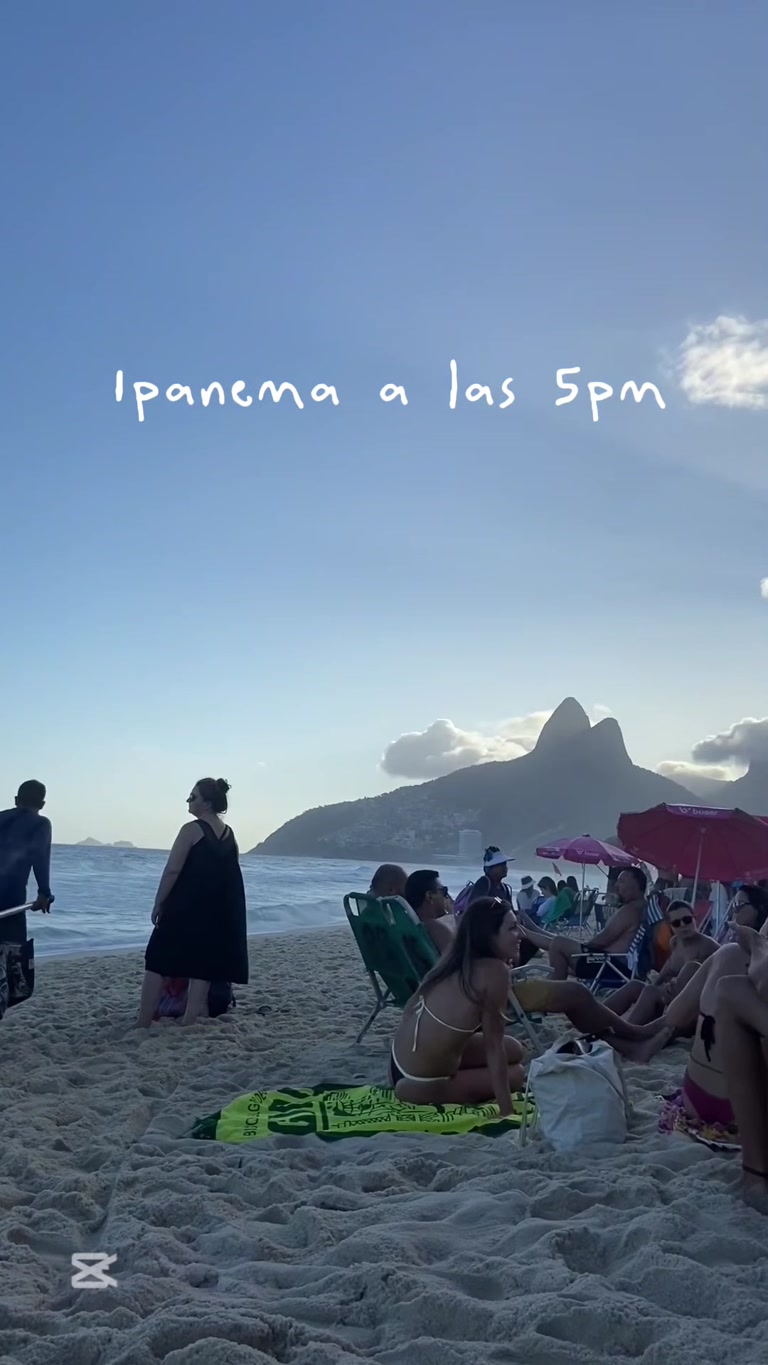
Copacabana is the long, wide crescent with the iconic wavy mosaic boardwalk. Ipanema is the more fashionable stretch - locals gather at Posto 9 for people-watching and sunset drinks. Grab a fresh coconut water from a beach vendor and a portion of biscoito Globo (the puffy crackers everyone eats). Swim between the flags where lifeguards are active.
Two cable car stages: Praia Vermelha to Morro da Urca, then up to Sugarloaf. The sunset from the top is legendary - buy your ticket for the 4:30-5pm window. Morro da Urca has a bar and sometimes live music on weekend evenings. The views of Christ the Redeemer lit up at night from here are hard to beat.
Santa Teresa is a hilltop bohemian neighborhood with winding streets, art studios, and colorful tile staircases (Escadaria Selaron). Lapa, below it, comes alive after 10pm - the arches of Arcos da Lapa frame an open-air samba party on Friday nights. Find a roda de samba (samba circle) where musicians play around a table and the crowd dances.
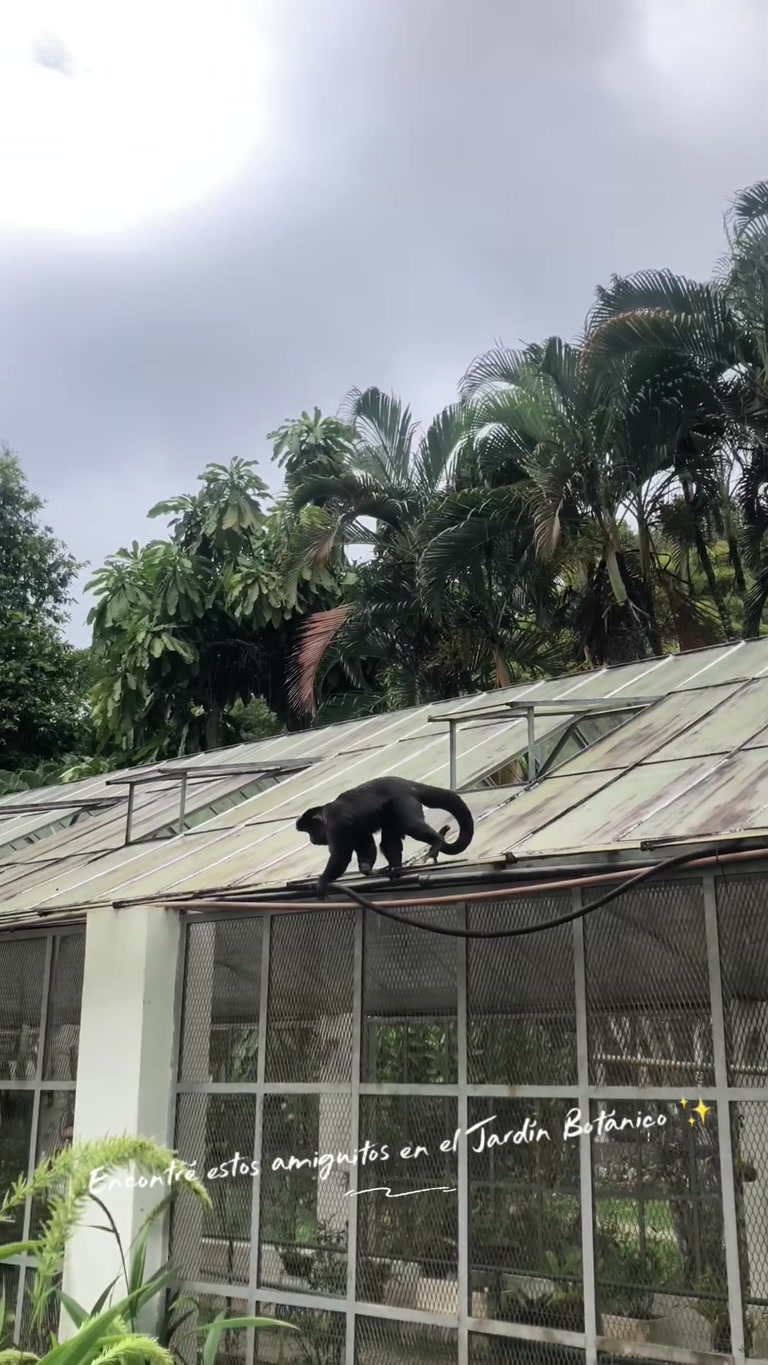
Rio's botanical garden covers 140 hectares with over 6,500 plant species. The Avenue of Royal Palms is the main photo spot - a straight path lined with 134 towering palms planted in 1842. Keep your eyes up for howler monkeys and toucans in the canopy. Quieter and cooler than the beaches - a good morning activity.
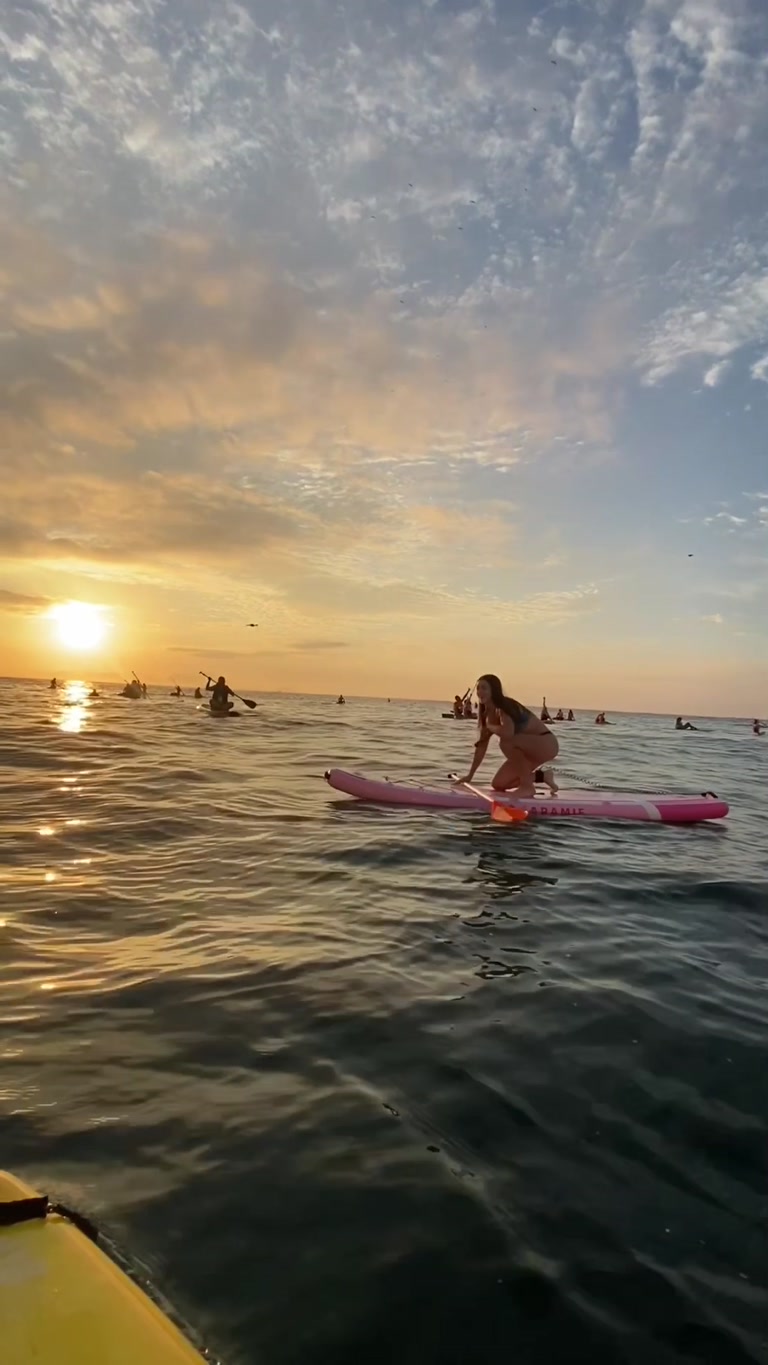
“Sunset paddleboarding at Copacabana Beach”
“Howler monkeys spotted at the Jardim Botanico, Rio de Janeiro”
“Relaxing at Ipanema Beach as the sun sets over Rio”
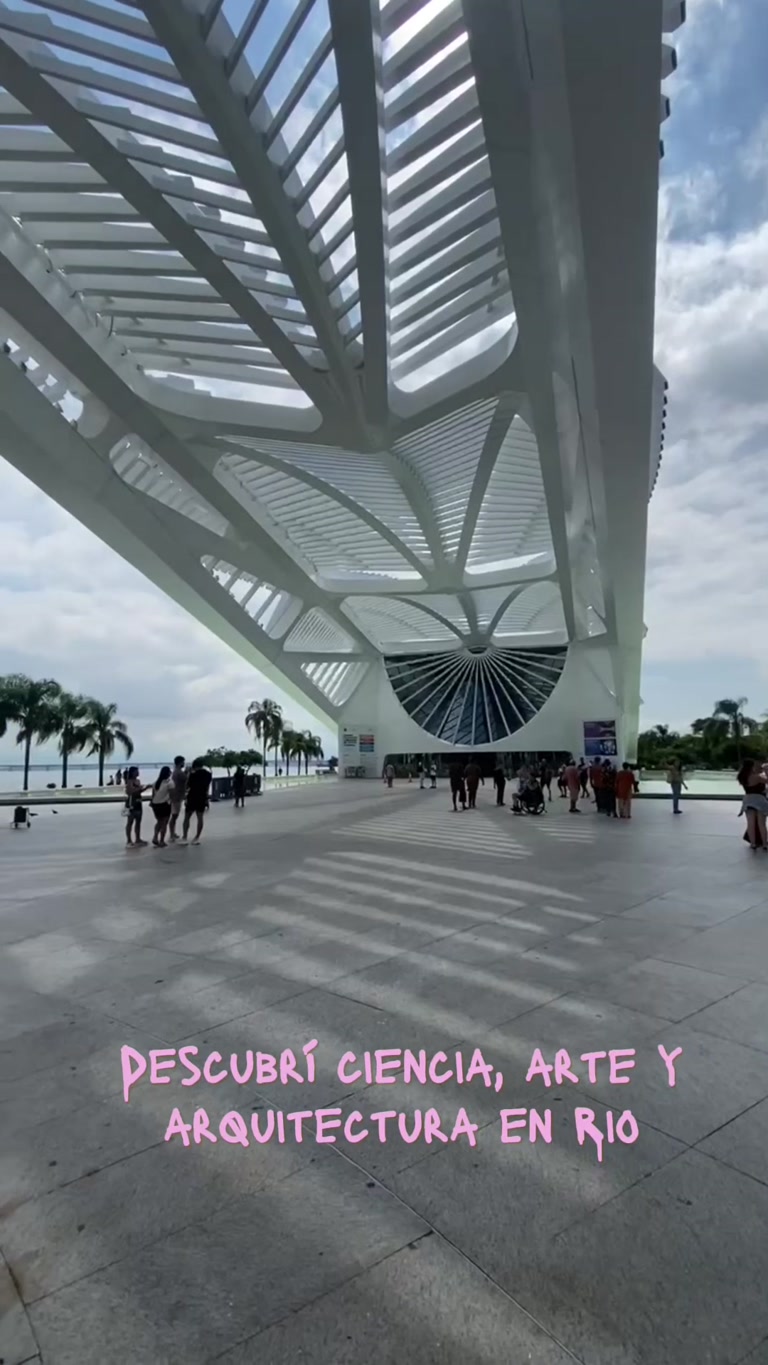
“Discover science, art, and futuristic architecture at Rio's Museum of Tomorrow!”
Eat feijoada (black bean stew with pork) at a traditional boteco for Saturday lunch - it is Rio's weekly ritual. Try acai bowls from a juice bar in Ipanema, coxinhas (fried chicken dumplings) from any bakery, and grilled picanha at a churrascaria. For cheap eats, hit a self-service per-kilo restaurant - fill your plate and pay by weight. Expect R$30-50 for a generous plate.
The entire old town is car-free with uneven cobblestone streets that flood at high tide - wear sturdy sandals. Whitewashed colonial buildings with bright blue and yellow trim line every alley. The town was a major gold-shipping port in the 1700s and the architecture hasn't changed much since. Best explored in the morning or late afternoon when the light softens.
Schooner trips leave the harbor daily around 10am and stop at 3-4 islands and beaches. Ilha Comprida has calm snorkeling waters. The boats provide snorkel gear and serve lunch. Book at any of the booths along the waterfront - prices are R$80-120 per person and pretty standard across vendors. Bring reef-safe sunscreen.
A natural rock slide where water flows over smooth granite into a pool below. Locals slide down it at speed - you control your pace by how you position your body. It is a 20-minute drive from town. Bring a towel and water shoes. The current is gentle but the rock surface is slippery.
Paraty is the cachaca capital of Brazil. Several small distilleries around town offer tastings and tours. Cachaca is the base of caipirinhas and ranges from rough to refined. Alambique Pedra Branca and Engenho D'Ouro are both walkable from the center and free to visit.
Paraty is known for fresh seafood. Try moqueca (fish stew in coconut milk and palm oil) at a waterfront restaurant. The peixe na telha (fish baked on a clay tile) is a regional specialty. Grab a caipirinha made with local cachaca at any bar - the passion fruit version is everywhere and reliably good.
Vila Madalena is Sao Paulo's creative hub - galleries, street art, independent bookshops, and craft beer bars line every block. Beco do Batman is an alley covered floor-to-ceiling in murals that change constantly as artists paint over each other. The surrounding streets have some of the city's best brunch spots and vinyl record shops.
Sao Paulo's oldest art museum, housed in a gorgeous red-brick building in the Luz neighborhood. The permanent collection covers Brazilian art from the 1800s to today. The sculpture garden out back is free. Across the park, Estacao da Luz (the train station) is a landmark itself - built with materials shipped from England in the 1890s.
A massive 1933 market hall with stained glass windows and towers of tropical fruit. The two things everyone eats here: mortadella sandwich (a doorstop-sized roll stuffed with layers of mortadella, cheese, and mustard) and pastel de bacalhau (fried pastry filled with salt cod). Both are absurdly filling. Go before noon on weekdays to avoid lines.
Sao Paulo's main avenue is closed to cars on Sundays and fills with street performers, food vendors, and cyclists. MASP (the art museum) sits here - the building itself floats on red concrete pillars over an open plaza. The free antique market under MASP on Sundays is worth browsing. At night, the avenue glows with the lights of corporate towers and cultural centers.
Sao Paulo has the largest Japanese population outside Japan. Liberdade is the center of it - red torii gates mark the neighborhood entrance, weekend street fairs sell Japanese street food, and izakaya-style restaurants serve ramen and yakisoba that rival Tokyo. The Sunday street market is the best time to visit.
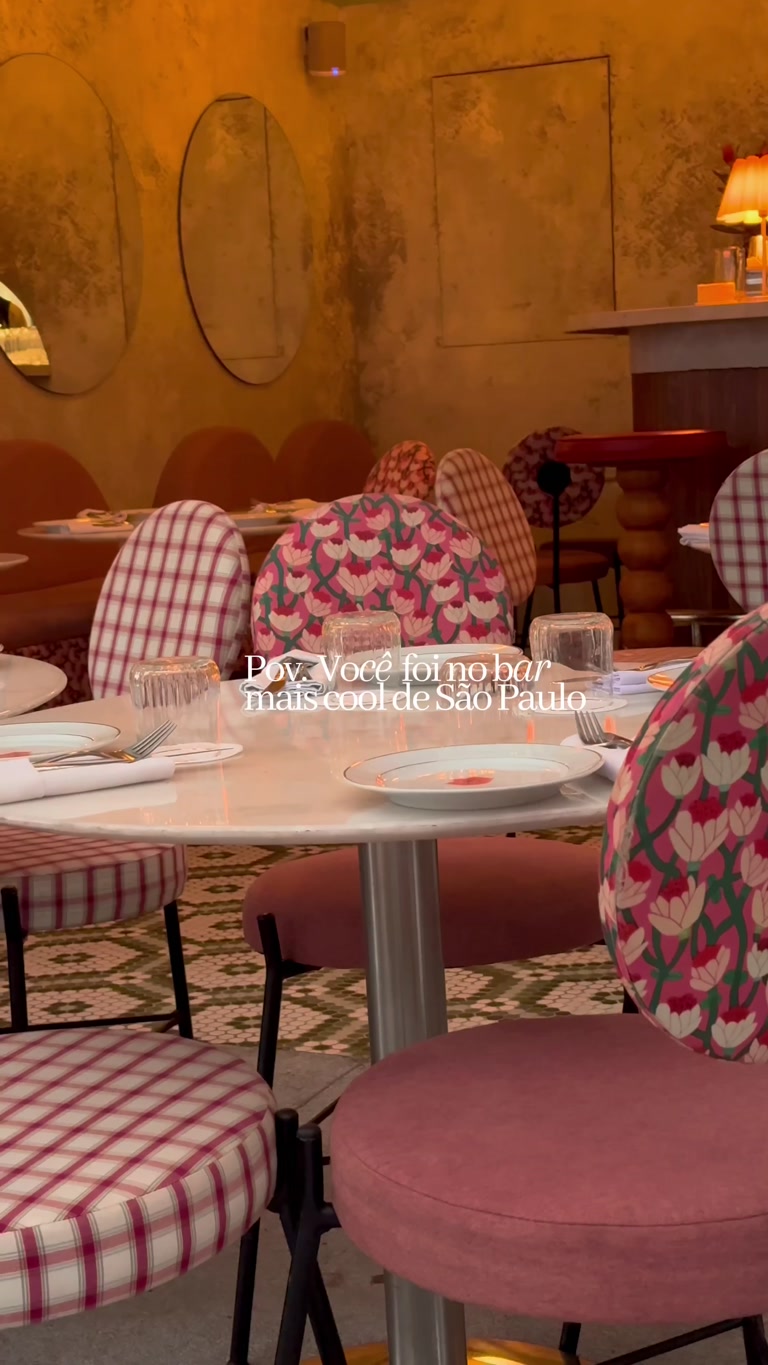
“Trendy vibes at one of Sao Paulo's coolest bars”
“Beco do Batman is pure urban art, one of the most photogenic spots in SP”
Sao Paulo is the food capital of South America. Eat at a padaria (bakery-cafe) for breakfast - pao de queijo (cheese bread) and strong cafezinho coffee. For lunch, try a traditional per-kilo buffet. Dinner: pick from Japanese in Liberdade, Italian on Bela Vista's cantinas, or modern Brazilian in Jardins. Budget R$50-80 for a serious meal out.
Where the dark Rio Negro meets the sandy-brown Solimoes River, and they flow side by side without mixing for 6 kilometers. Book a speedboat tour from Manaus harbor - you can actually dip your hands in both waters and feel the temperature difference. The dark water is warm, the brown water is cool. Tours usually combine this with a visit to floating houses and pink dolphin spotting.
Stay at a jungle lodge 2-4 hours upriver from Manaus. Activities include canoe trips through flooded forest, piranha fishing, caiman spotting at night, and guided hikes with indigenous trackers who identify medicinal plants. Juma Amazon Lodge and Anavilhanas Lodge are well-reviewed mid-range options. Bring insect repellent with DEET - the mosquitoes are relentless at dusk.
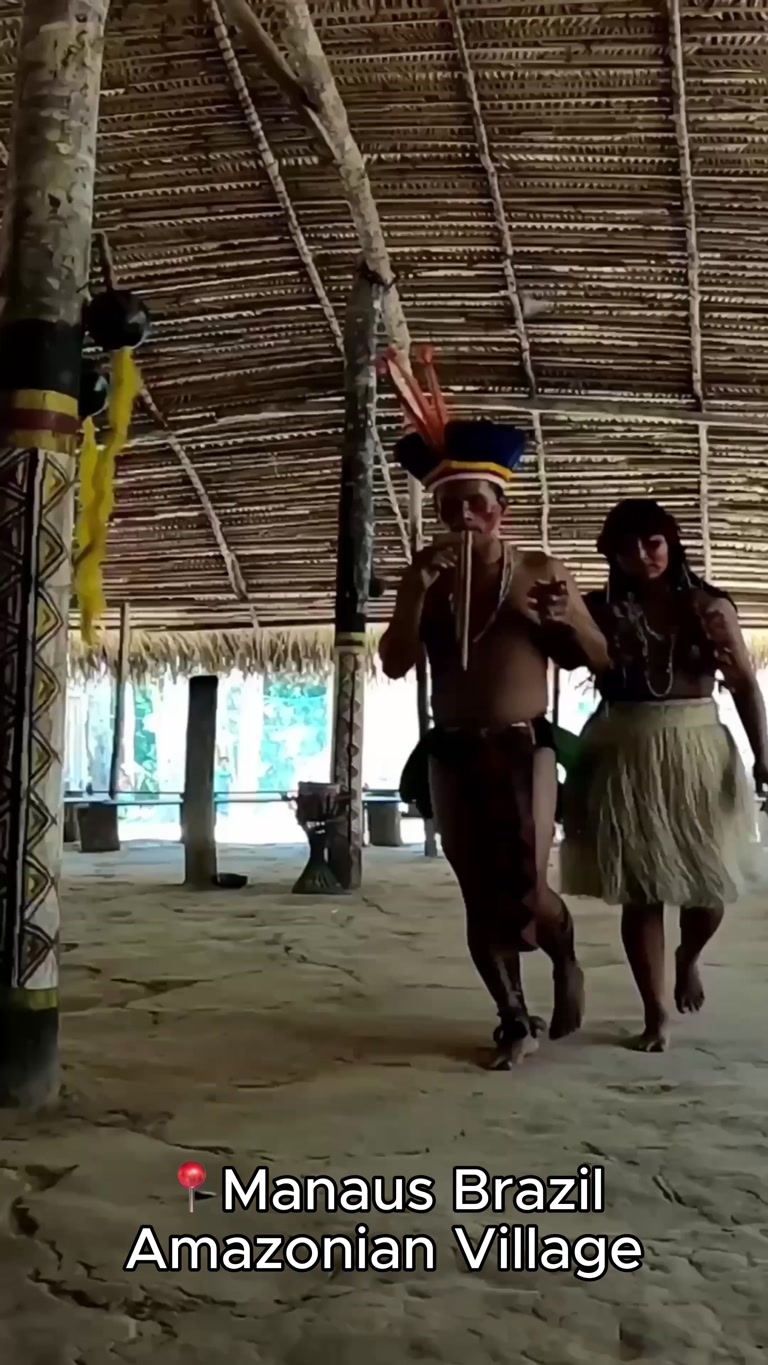
Several communities near Manaus welcome visitors to learn about traditional fishing, plant medicine, and daily life along the river. These visits are typically arranged through lodge operators. Ask about community-run tourism programs - the money goes directly to the families. Respectful photos only when invited.
An opera house built during the rubber boom in 1896, entirely from European materials shipped up the Amazon - Italian marble, French glass, English steel. The dome is tiled in the green and gold of the Brazilian flag. Guided tours run throughout the day. If you can catch a performance (they still host concerts), the acoustics inside the gilded hall are remarkable.
MUSA (Museu da Amazonia) has a 42-meter observation tower above the canopy. The view from the top puts the scale of the forest into perspective - green in every direction to the horizon. Walking trails below pass through primary rainforest with signage explaining the ecosystem. Early morning visits see more bird activity.
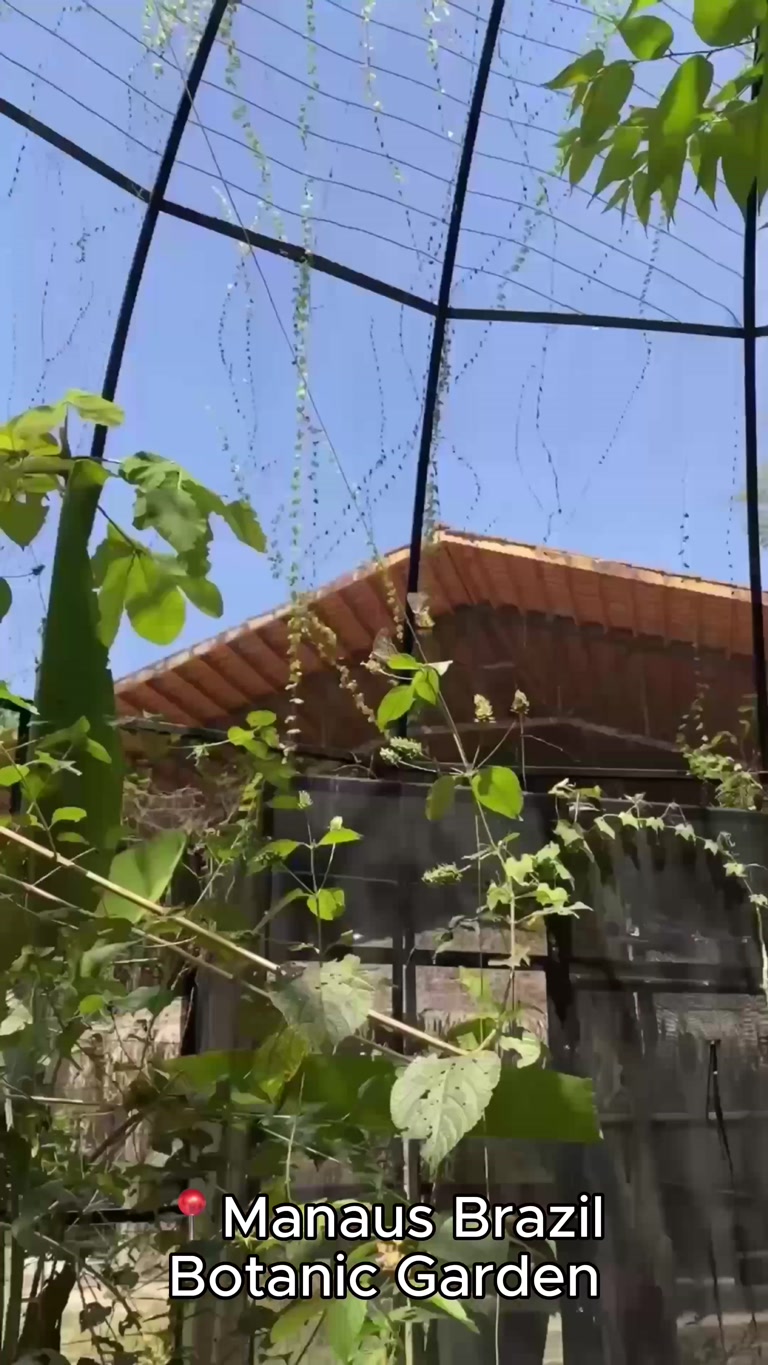
“Exploring lush greenery at the Manaus Botanic Garden”
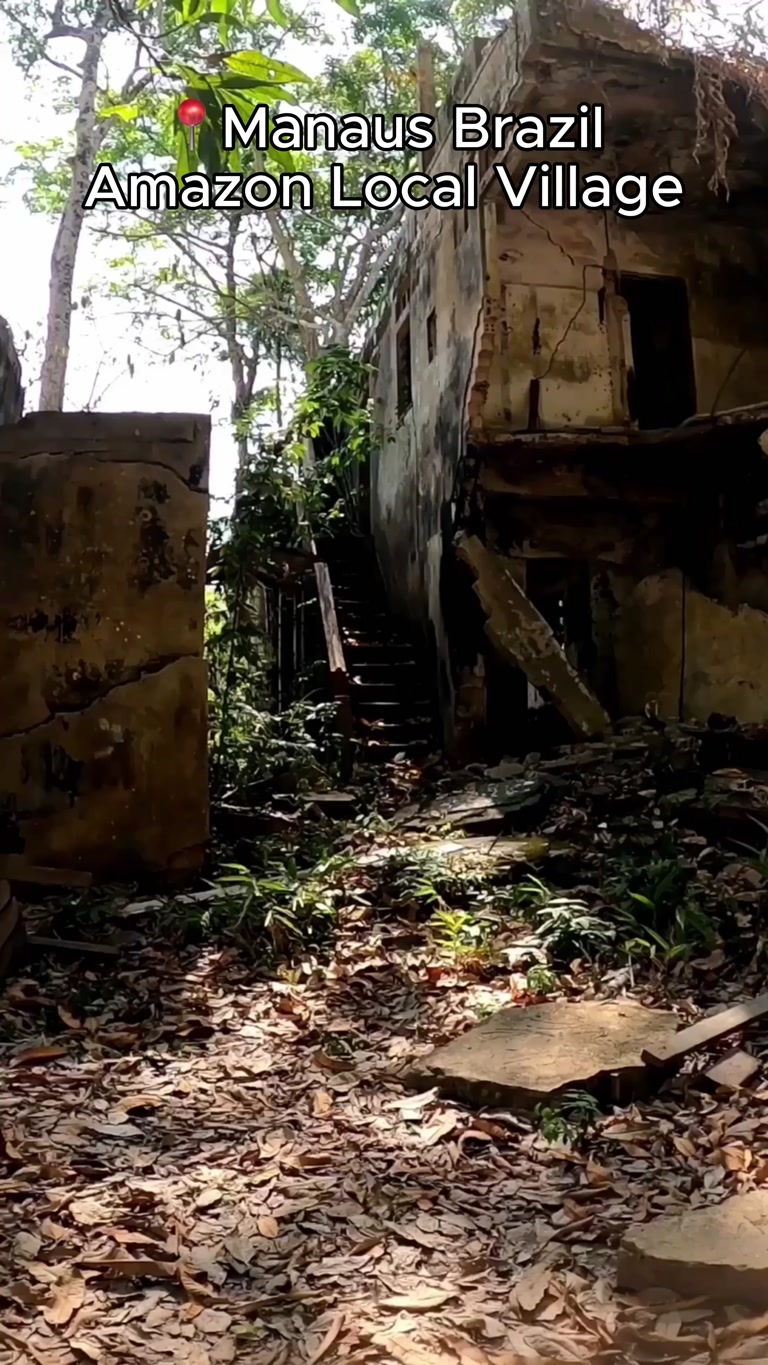
“Exploring an Amazon local village near Manaus, Brazil”
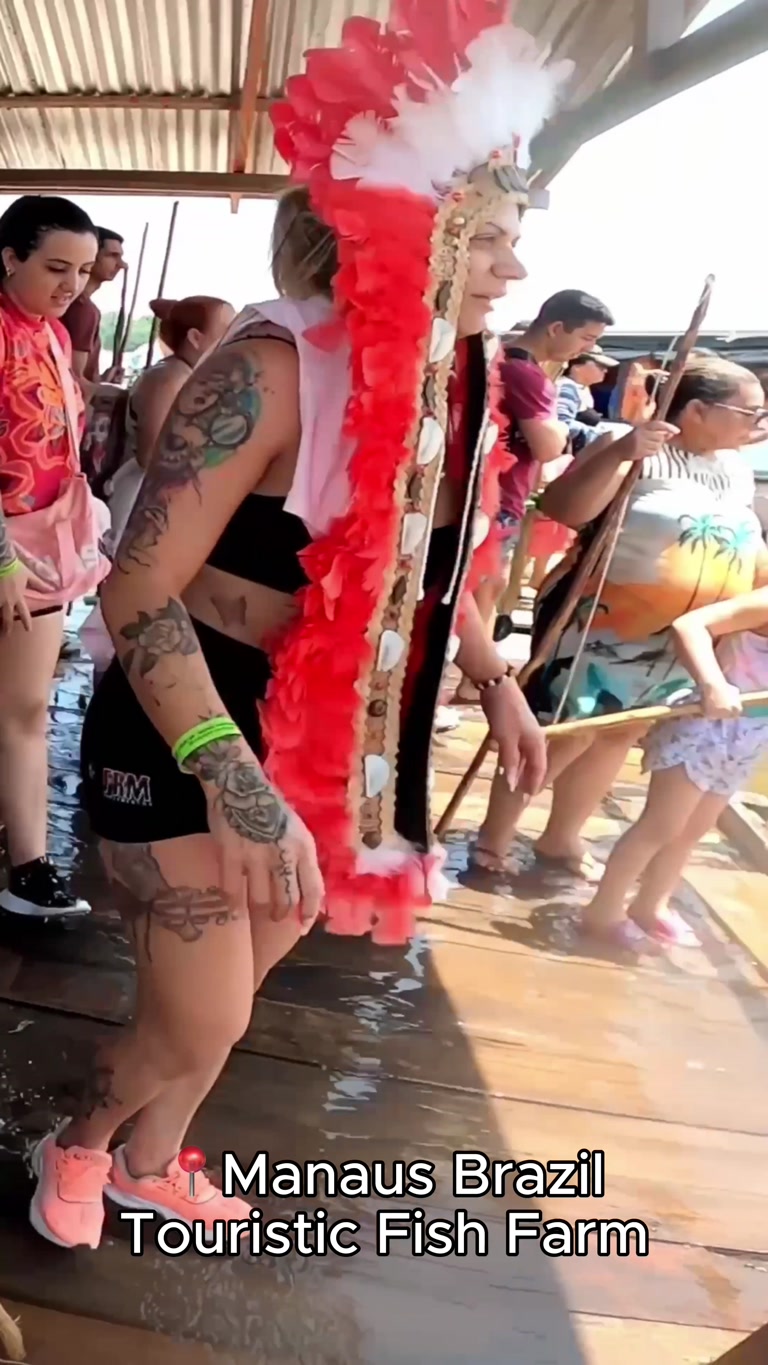
“Fishing and fun at a touristic fish farm in Manaus, Brazil!”
“Immersing in Amazonian culture at a traditional village near Manaus”
Amazon cuisine is unlike anything else in Brazil. Try tacacajuba (a thick soup made from tucupi broth, jambu leaves that numb your tongue, and dried shrimp). Pirarucu (the world's largest freshwater fish) is served grilled or in stews. Acai in the Amazon is served savory with fish and farinha, not sweet like in Rio. Street stalls near Mercado Adolpho Lisboa sell fried tucunare (peacock bass) sandwiches for R$15.
Salvador's colonial center is a maze of pastel-colored buildings, baroque churches, and cobblestone squares where drum circles happen spontaneously. The Praca Terreiro de Jesus is the main gathering point. Tuesday nights, the Olodum drum group performs in Pelourinho - the rhythm is contagious and the energy fills the entire neighborhood. Pickpocketing happens, so keep valuables close.
The art deco elevator connects Salvador's upper and lower cities - a 72-meter vertical drop in 30 seconds. The views from the top over the Bay of All Saints are wide open. At the bottom, Mercado Modelo sells Bahian handicrafts, capoeira instruments, and lace. Bargain hard - starting prices are 2-3x what vendors expect to get.
Capoeira originated in Salvador from enslaved Africans who disguised martial arts as dance. Mestre Bimba's academy and Forte de Santo Antonio both offer introductory classes and nightly demonstrations. Watching a roda (circle) where experienced capoeiristas spar to live berimbau music is one of those things you remember for years.
Salvador's most popular city beach, anchored by the Barra Lighthouse (Farol da Barra) built in 1698. The beach faces west, so sunsets here are the main event. Swim in the natural rock pools at low tide. Beach vendors sell acaraje (black-eyed pea fritters stuffed with shrimp and vatapa) - the definitive Bahian street food. Eat one here.
Skip Mercado Modelo for souvenirs and come here for the real Salvador. This is where locals buy Candomble religious items, fresh produce, live animals, and herbal remedies. It is chaotic, loud, and deeply authentic. Not tourist-polished at all - which is the point. Go in the morning when it is busiest.
Every surface inside this church is covered in gold leaf - walls, ceiling, altars, columns. Built in the 1700s with gold extracted from Minas Gerais mines. The level of craftsmanship is hard to process. The adjacent cloister has blue-and-white Portuguese tile murals. Entry is R$5 and absolutely worth it.
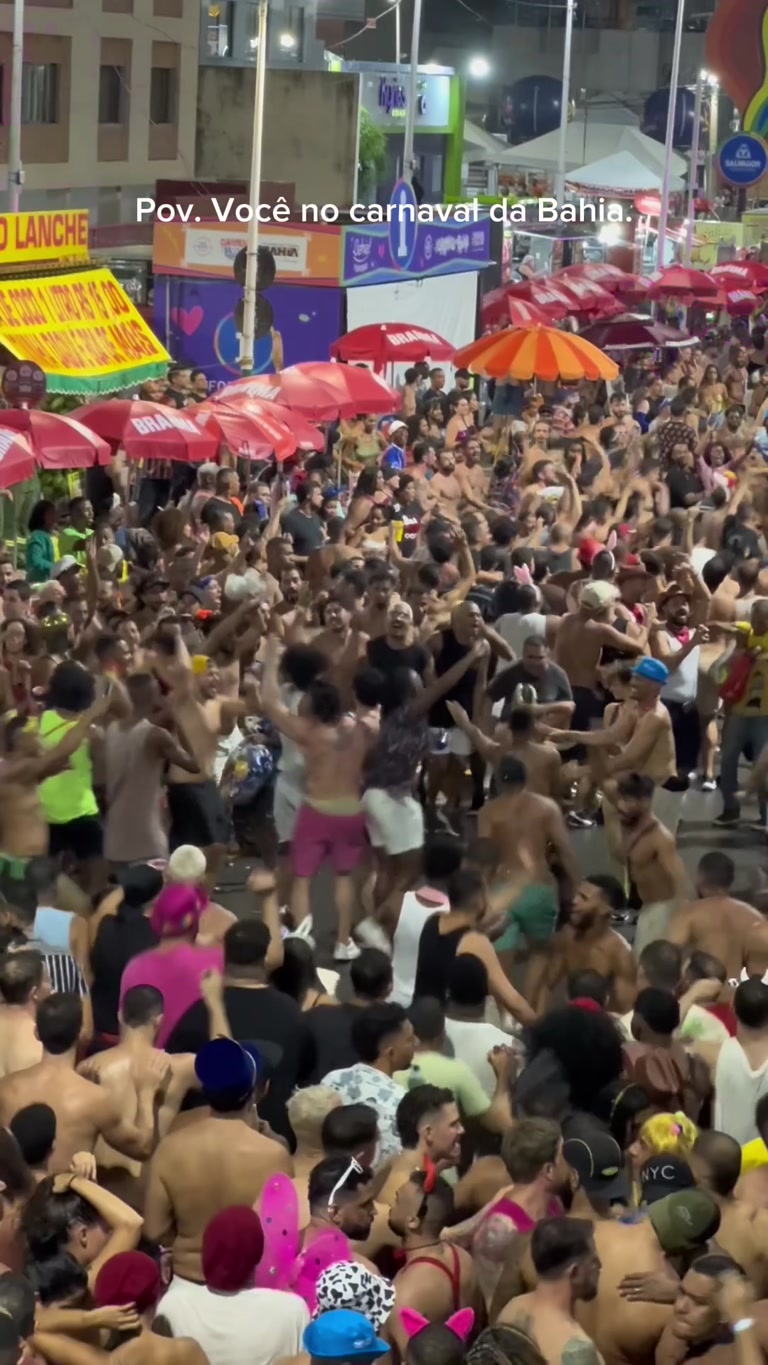
“Dancing through the vibrant crowds at Carnaval da Bahia!”
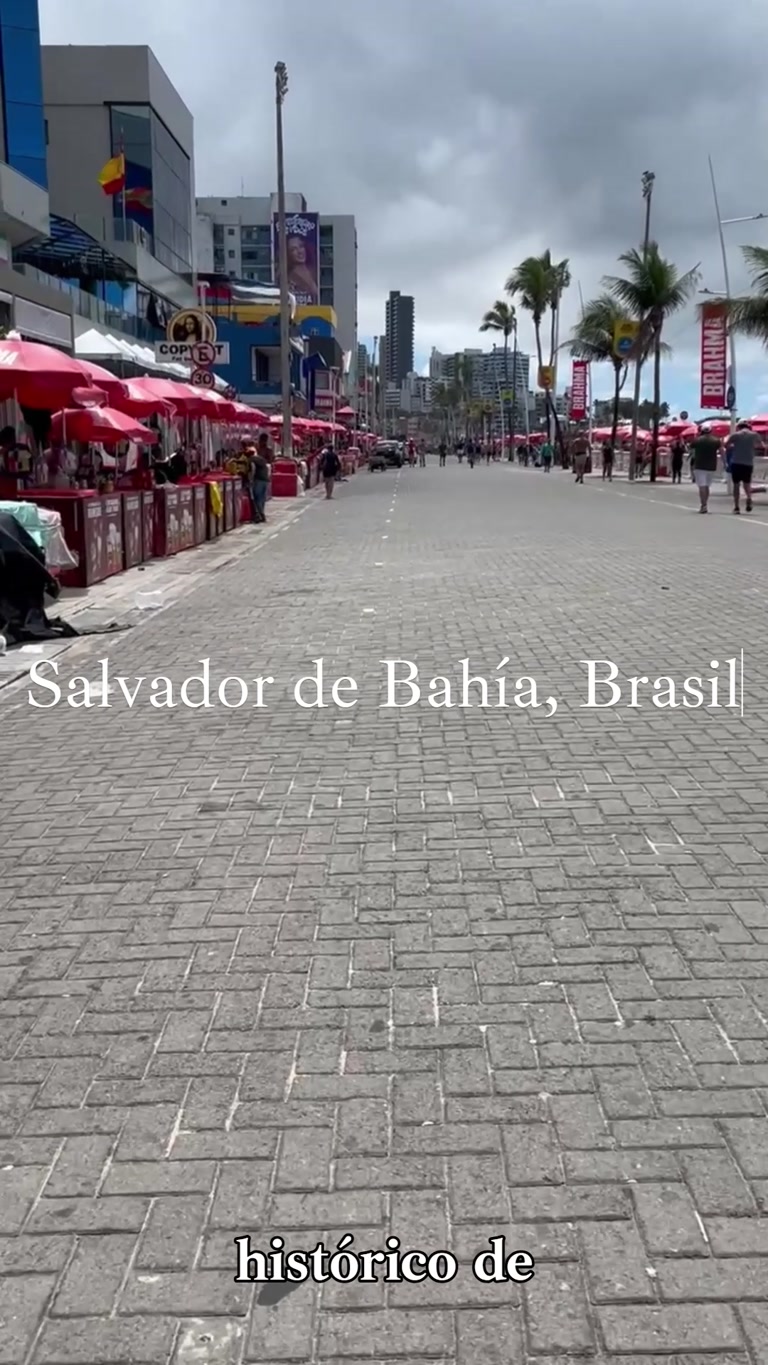
“Exploring the vibrant streets and rhythms of Pelourinho, Salvador, Brazil”
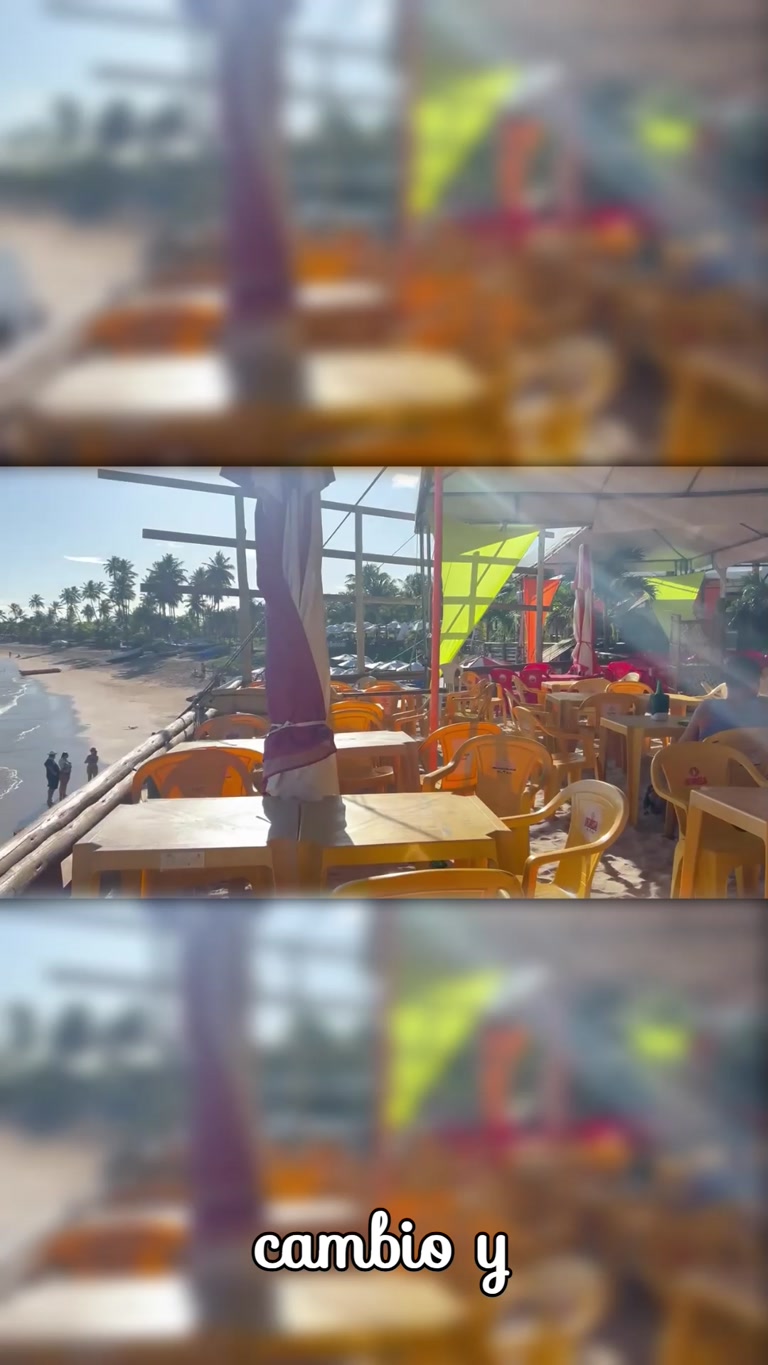
“Beachside dining with ocean views in Salvador”
Bahian food is the richest regional cuisine in Brazil. Acaraje is the must-eat - black-eyed pea fritters deep-fried in palm oil, split open, and stuffed with vatapa (shrimp paste), caruru (okra), and hot pepper. Moqueca baiana (fish stew with coconut milk and dende oil) served in a clay pot over rice is lunch perfected. Drink a cold Brahma beer or fresh sugarcane juice from a street vendor. Budget R$40-70 per meal.
Get flight timing suggestions, jungle lodge availability, real-time weather for each city, creator content at every stop, safety scores, and one-tap navigation handoff to Google Maps or Apple Maps.
Plan in Tourific
Real costs for 14 days across Brazil. Domestic flights are included in every tier.
The Brazilian real (BRL) has been trading at favorable rates for USD, EUR, and GBP travelers since 2023. Street food, local transport, and accommodation outside peak Carnival season are significantly cheaper than comparable destinations. The Tourific app tracks real-time exchange rates and local prices for each city on your route.
Get exact estimate in appBrazil is safe for travelers who take basic precautions. These tips are the difference between worrying and enjoying yourself.
Do not flash expensive phones, cameras, or jewelry on the street - especially in Rio and Salvador. Use a cheap phone for navigation and keep your main device in a zippered bag. Petty theft is the most common issue for tourists.
Use Uber or 99 (the local ride-hail app) instead of hailing taxis on the street. Both are widely available, cheap, and significantly safer than unmarked cabs. A ride across Rio rarely costs more than R$30.
Learn a few Portuguese phrases. English is not widely spoken outside high-end hotels. 'Obrigado/a' (thank you), 'Quanto custa?' (how much?), and 'Onde fica..?' (where is..?) go a long way.
Drink bottled or filtered water everywhere. Tap water in cities is technically treated but can cause stomach issues for visitors. Every restaurant and hotel provides filtered water - just ask for 'agua filtrada.'
Get a yellow fever vaccination at least 10 days before visiting the Amazon region. It is required for entry into some areas and strongly recommended even where not mandatory. Bring your vaccination card.
Brazilian Real (BRL). 1 USD = ~R$5.00-5.50
Credit cards (Visa/Mastercard) accepted at most restaurants and shops
Pix (instant payment) is used everywhere - some places prefer it over cards
Carry some cash (R$200-300) for street vendors, markets, and small towns
ATMs at Banco do Brasil and Bradesco accept international cards
Buy a prepaid SIM at any Claro, Vivo, or TIM shop (bring passport)
30-day plans with 15GB data cost R$40-60 (~$8-12)
4G coverage is solid in cities, limited in the Amazon
Jungle lodges typically have satellite Wi-Fi - slow but functional
Plan this exact route with AI-powered cost estimates, creator content at every stop, weather forecasts, and one-tap navigation handoff.