Phnom Penh -> Siem Reap -> Battambang -> Koh Rong. Eight days from the busy capital through the greatest temple complex ever built, a colonial river town with a bamboo train, and finally to an island paradise with bioluminescent waters. Cambodia hits harder than you expect.
Cambodia is Southeast Asia's most underrated country. Most travelers come for Angkor Wat, spend two days, and leave. That is a mistake. The country beyond the temples has a depth that surprises everyone who takes the time to explore it: a capital city rebuilding itself with fierce energy, a colonial river town with one of the world's most creative circuses, and islands with bioluminescent water that still feel largely undiscovered.
This route threads together four completely different experiences over eight days. Phnom Penh gives you the context to understand Cambodia, its devastating recent history and its extraordinary resilience. Siem Reap and Angkor are the main event, a temple complex so vast and so beautiful that three days barely scratches the surface. Battambang offers the Cambodia that tourists rarely see, a sleepy riverside town with the best food in the country and a bamboo train that defies all logic. And Koh Rong finishes the trip with an island that looks like it was Photoshopped but is very real.
Cambodia is one of the most affordable countries in Southeast Asia. A full day of temple exploration including a tuk-tuk driver, lunch, and water costs under $30. A beachfront bungalow on Koh Rong runs $15-25. The gap between budget and luxury is narrower here than almost anywhere because the baseline quality of food, hospitality, and natural beauty is already so high.
The best time to visit is November through March when temperatures are comfortable (25-32 degrees Celsius), humidity is lower, and rain is rare. The dry season means dustier temples but bluer skies and cooler mornings for sunrise at Angkor.
Cambodia does not have a rail network for tourists, so travel is by bus, minivan, or domestic flight. Giant Ibis and Mekong Express are the best bus companies with comfortable seats and WiFi. The Phnom Penh to Siem Reap flight (Cambodia Angkor Air or Lanmei Airlines) takes 1 hour and costs $50-80 one way. Within cities, tuk-tuks are the standard transport at $2-5 per ride.
8 days, 4 stops, from ancient temples to bioluminescent beaches.
The throne hall and Silver Pagoda complex sit along the Tonle Sap riverfront. The Silver Pagoda floor is covered with 5,329 silver tiles. Dress modestly with covered knees and shoulders. Morning visits avoid the worst heat. Entry is $10.
A former school converted into a Khmer Rouge prison. The audio guide is essential for understanding the full history. This is a heavy but important visit. Go early in the morning when it is quieter and you can absorb it properly.
Located 17 km south of the city center. Take a tuk-tuk ($12-15 round trip with waiting time). The audio tour narrated by survivors is deeply moving and provides crucial context. Allow time to process this experience.
The Sisowath Quay riverfront comes alive at sunset. Street food vendors line the boulevard selling lok lak, fried noodles, and fresh fruit shakes for under $2. The night market behind the promenade has clothes, crafts, and souvenirs at bargain prices.
The yellow Art Deco dome is a Phnom Penh landmark built in 1937. Inside you will find everything from gemstones to street food. The surrounding stalls sell the cheapest clothing and electronics in the city. Haggle for anything except food.
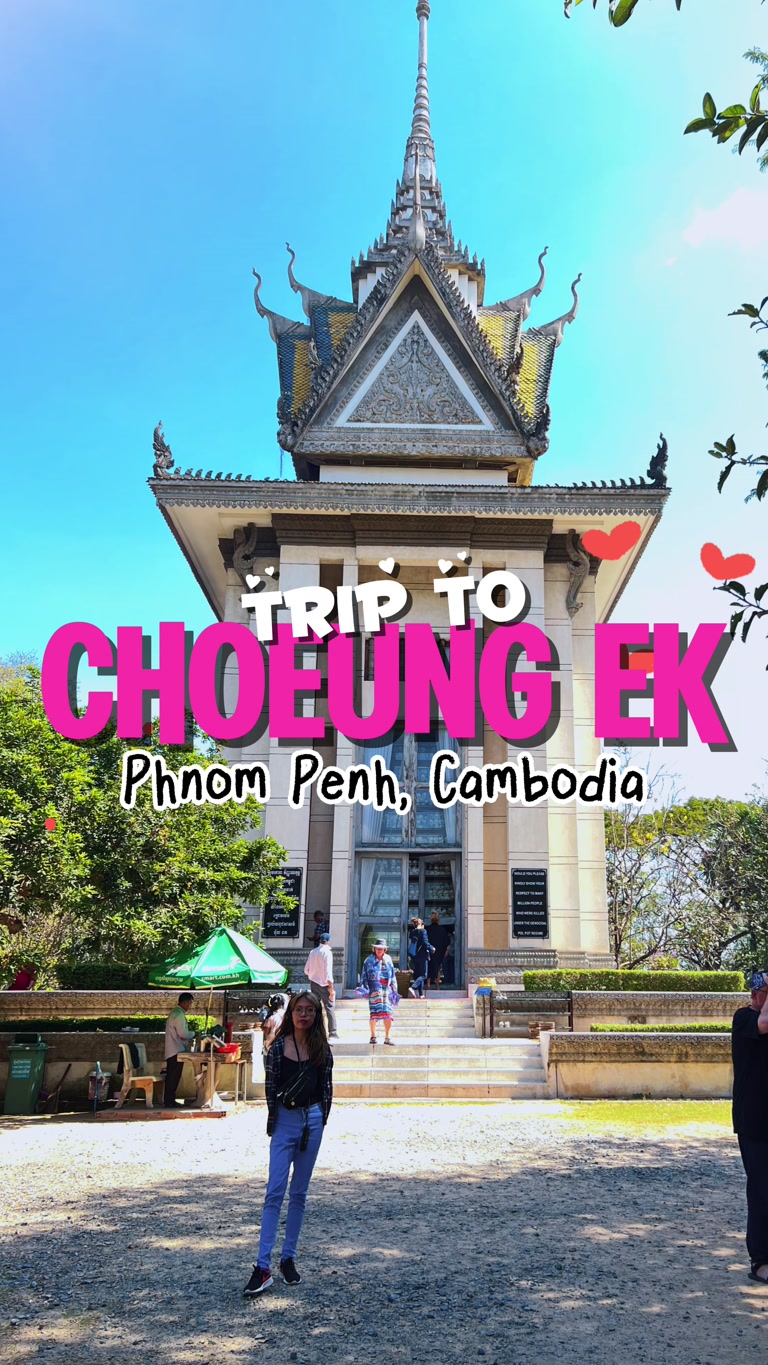
“A sobering visit to the Killing Fields memorial near Phnom Penh.”
Eat at a local bai sach chrouk (pork and rice) stall for breakfast at $1.50. Romdeng restaurant serves Cambodian cuisine including fried tarantulas if you are feeling bold. The riverside has excellent fish amok at Friends restaurant, which also trains disadvantaged youth. Budget $5-15 per meal at sit-down restaurants.
The largest religious monument on Earth. Arrive at 5am for sunrise behind the main towers reflected in the north pond. After sunrise, explore the interior galleries with their 800 meters of bas-relief carvings depicting Hindu mythology. A guide ($25-35) makes the carvings come alive. The three-day pass ($62) is the best value.
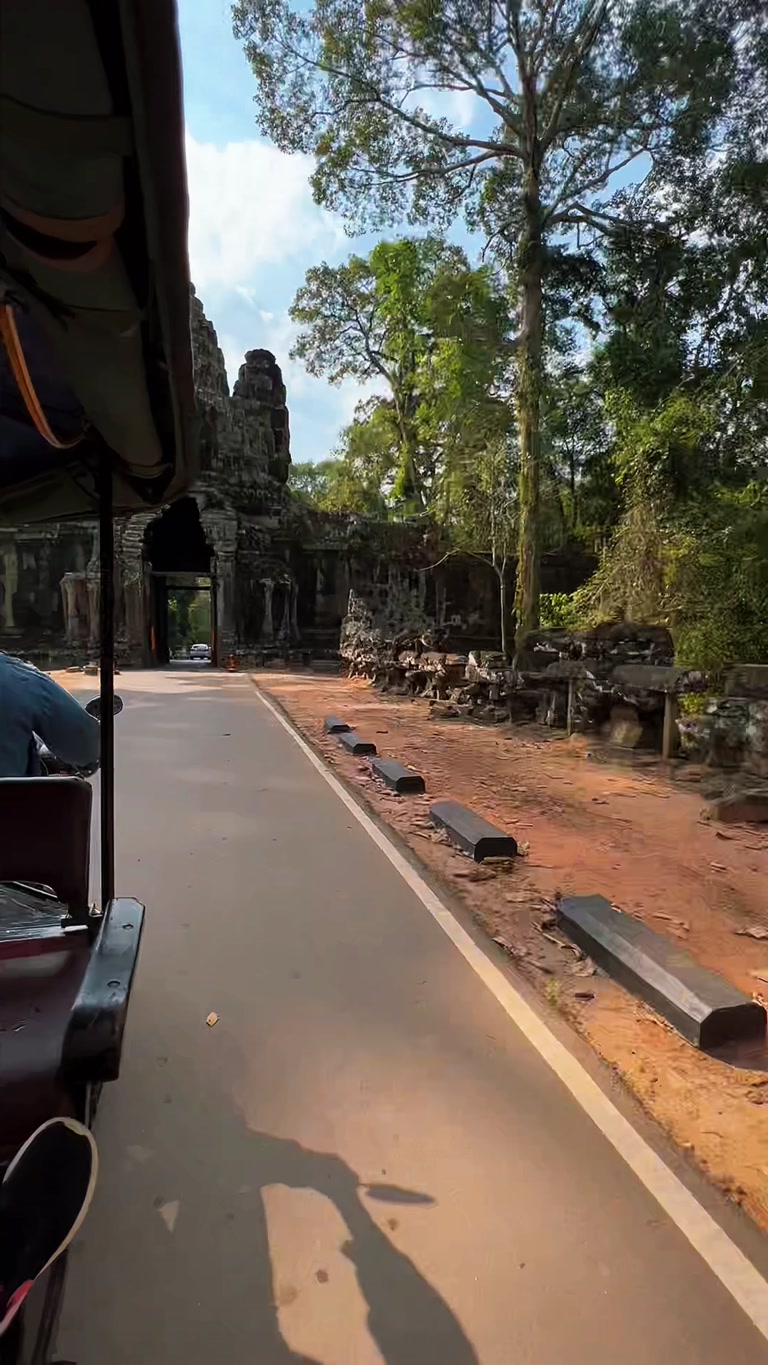
Enter through the South Gate with its row of gods and demons pulling a giant serpent. The Bayon temple has 216 massive stone faces smiling from every direction. Climb to the upper terrace for close-up views. The Terrace of the Elephants and Terrace of the Leper King are a short walk away.
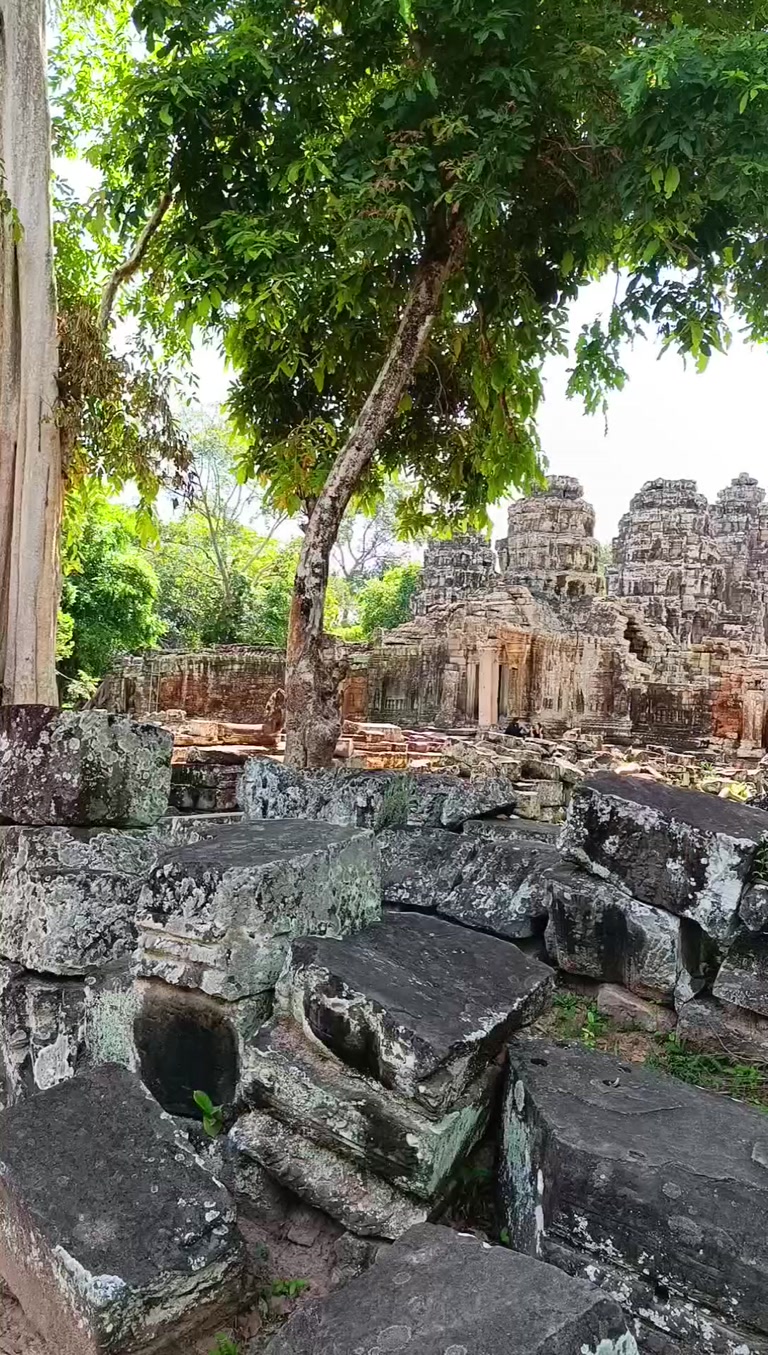
Massive silk-cotton trees have consumed the temple walls over centuries. This is the most photogenic temple in the complex and was featured in Tomb Raider. Visit between 7-8am or after 3pm to avoid the tour bus crowds. The back sections are far less visited.
Located 35 km northeast of the main Angkor complex. The pink sandstone carvings here are the finest in all of Angkor. The intricate detail is so precise it was originally thought to be the work of women (hence the name, Citadel of Women). Combine with the Landmine Museum on the way back.
Siem Reap's main strip. $0.50 draft beers at most bars. The night market sells everything from temple rubbings to handmade silk scarves. Eat at the outdoor food stalls on the side streets for the best khmer BBQ for under $5. Fish foot spa places line the street for a bizarre but fun experience.
Take a boat tour of the Kompong Khleang floating village (the most authentic, 55 km from Siem Reap) or the closer Kompong Phluk (stilt village). These are real communities, not tourist traps. Bring water and sunscreen. Go in the afternoon for the best light.
“Exploring the mystical ruins of Ta Prohm temple in Angkor.”
“Entering Angkor Thom by tuk-tuk, ancient wonders await!”
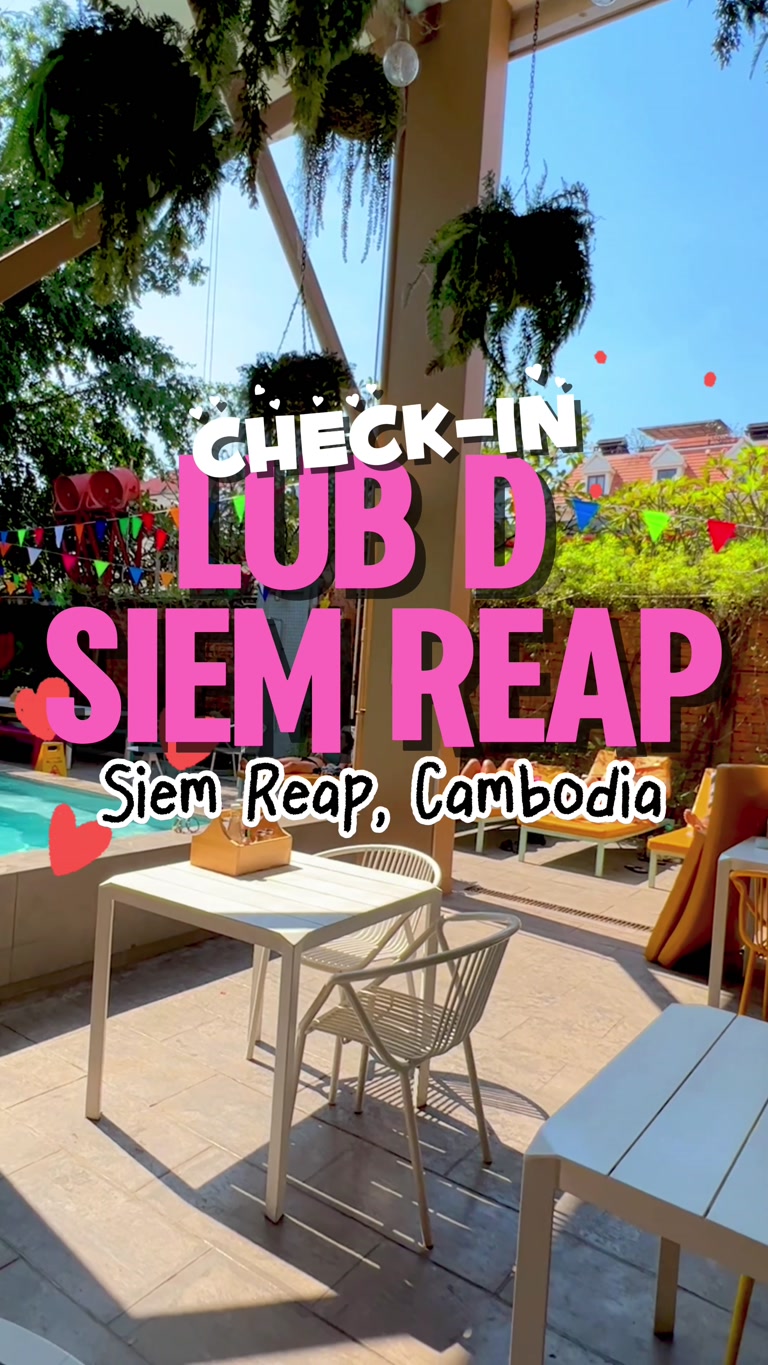
“Good vibes and great energy at Lub D - the perfect place to stay and meet fellow travelers.”
Try fish amok (coconut curry steamed in banana leaf) at every opportunity because each place makes it differently. Khmer BBQ at a streetside grill costs $5-8 for an all-you-can-eat spread. Fresh coconut shakes from any street vendor are $1. For upscale Khmer cuisine, try Cuisine Wat Damnak, a former Michelin-listed restaurant.
A bamboo platform on wheels powered by a small motor that runs on old French colonial railway tracks. When two trains meet head-on, the one with fewer passengers disassembles to let the other pass. The ride is about 7 km through rice paddies. $5 per person. It is bumpy, loud, and memorable.
Battambang has the best-preserved French colonial architecture in Cambodia. Walk along the riverfront and through the old quarter. The shophouses with their faded painted facades and wrought-iron balconies feel like stepping back in time. Free walking tour maps available at most guesthouses.
A world-class circus run by a Cambodian social enterprise. Former street kids perform acrobatics, theater, and music that tells Cambodian stories. Shows run several nights per week. Tickets are $14-18 and the money funds education programs. This is one of the best things to do in all of Cambodia.
Every evening at sunset, millions of bats emerge from the cave in a swirling black cloud that lasts 30-45 minutes. The mountain also has a temple and the killing caves from the Khmer Rouge era. Arrive by 5pm to get a good viewing spot. Tuk-tuk from town costs $5-8.
Battambang is Cambodia's food capital. The kralan (sticky rice roasted in bamboo) sold by roadside vendors is a local specialty. Jaan Bai restaurant is run by a social enterprise and serves modern Khmer food with a creative twist. The riverside noodle shops serve the best num banh chok (rice noodles with green curry) for under $2.
A 4 km stretch of white sand and turquoise water with very few people on it. The sand is powder-fine and the water is warm year-round. Beach bars and bungalows line one end, but walk 10 minutes and you will have the beach to yourself. Bring reef-safe sunscreen.
Koh Rong is one of the best places on Earth to see bioluminescent plankton. On moonless nights, the water glows electric blue when you swim through it. Book a night tour or just wade in from the beach after dark. Best visibility is during new moon phases from October to May.
Book a day trip that covers multiple snorkel spots around Koh Rong and neighboring Koh Rong Samloem. Coral reefs, tropical fish, and visibility up to 10 meters on good days. Full-day tours cost $15-25 including lunch. Bring your own mask if you have one for a better fit.
A jungle trail connects the tourist side of the island to the traditional fishing village of Sok San. The hike passes through dense tropical forest. Wear closed shoes and bring water. The village has a more local feel with seafood restaurants on the beach. Arrange a boat back if you do not want to hike both ways.
Seafood is king on Koh Rong. Beach restaurants serve freshly caught fish, crab, and squid grilled over coconut husks for $5-12 per plate. The island has limited supply chains so prices are higher than the mainland. Bring snacks from Sihanoukville. Happy hour cocktails at the beach bars run $2-4.
Get real-time bus schedules, temple pass advice, creator content at every stop, safety scores, and weather forecasts for each city in Cambodia. One tap to hand off directions in Google Maps or Apple Maps.
Plan in Tourific
Real costs for 8 days in Cambodia. One of the most affordable destinations in Southeast Asia.
Cambodia is remarkably affordable. A full 8-day trip on a budget costs less than two nights at a mid-range hotel in most Western cities. The Angkor 3-day pass ($62) is the single biggest expense for budget travelers and worth every cent. The Tourific app tracks local prices in real-time.
Get exact estimate in appCambodia is welcoming and warm, but a few key things will make your trip safer and smoother.
Cambodia is generally safe for tourists, but petty theft (bag snatching from motorbikes) happens in Phnom Penh and Siem Reap. Carry bags on the side away from the road or use a crossbody bag. Keep phones in pockets rather than holding them while walking near roads.
Do not touch or step on unexploded ordnance. Cambodia is still one of the most heavily mined countries in the world. Stick to marked paths in rural areas and never walk into uncleared fields, even if locals seem to. The Landmine Museum near Siem Reap provides important context.
Drink only bottled or filtered water. Ice in tourist restaurants is generally safe (it comes from factories), but ice from street vendors may not be. Peel fruit yourself. Street food is usually safe if it is freshly cooked in front of you.
Be cautious with tuk-tuk and moto drivers at tourist sites. Agree on a price before getting in. A reasonable Phnom Penh tuk-tuk fare is $2-4 within the city. In Siem Reap, a full-day tuk-tuk driver for the Angkor temples should cost $15-20.
Dress modestly at temples. Knees and shoulders must be covered at Angkor Wat and other religious sites. Many temples now enforce this strictly. Carry a light scarf or sarong in your bag as a cover-up.
US Dollars are the primary currency (used everywhere)
Khmer Riel (KHR) used for amounts under $1
4,000 KHR = $1 USD (approximate)
ATMs dispense USD in cities
Credit cards accepted at upscale places only
Bring clean, unmarked US bills (essential)
Tourist visa on arrival: $30 (bring a passport photo)
e-Visa available online before travel ($36)
30-day validity, extendable once for 30 days
Passport must be valid for 6+ months
Plan this exact route with cost estimates, creator content at every stop, temple pass timing, and one-tap navigation handoff.