Toronto - Niagara Falls - Banff - Lake Louise - Vancouver. From the multicultural streets of Toronto to the raw power of Niagara Falls, through the turquoise lakes and glacier peaks of the Canadian Rockies, and finishing where the mountains meet the Pacific in Vancouver. Two weeks across one of the most visually dramatic countries on the planet.
Canada is the second-largest country on earth, and this route cuts through its greatest contrast - from the urban density and cultural diversity of Toronto to the pristine, barely-touched wilderness of the Canadian Rockies and out to the Pacific coast of Vancouver. The shift from city to mountain to ocean happens in ways that make you reassess the scale of what a single country can contain.
The Canadian Rockies section (Banff, Lake Louise, and the Icefields Parkway) is the core of this trip. The color of the glacial lakes - a turquoise so saturated it looks digitally enhanced - is something no photo fully captures. It comes from finely ground rock particles (glacial flour) suspended in meltwater, and the effect has to be seen firsthand. Combine that with wildlife that roams freely (elk on the roadside, bears in the meadows, mountain goats on cliff faces) and you have landscapes that feel untouched.
The bookend cities add crucial depth. Toronto is one of the most multicultural cities in the world - over half its residents were born outside Canada, making it a food destination that rivals any major city. Vancouver sits between old-growth rainforest and the Pacific Ocean, with mountain skiing 30 minutes from downtown and some of the best sushi outside Japan. These are not just transit points - they are destinations in their own right.
Canada is expensive compared to Southeast Asia or South America, but the infrastructure is excellent. Roads are well-maintained, national parks are immaculately managed, and the safety standard is high. It is one of the easiest countries in the world to road trip - you just need to plan around the Rockies parking situation in peak summer.
Driving Toronto to Banff takes 35+ hours nonstop - fly instead. Book a one-way flight from Toronto (YYZ) to Calgary (YYC) for C$150-350 on WestJet or Air Canada, then rent a car in Calgary for the Rockies and Vancouver legs. The drive from Calgary to Banff is 1.5 hours on the Trans-Canada Highway. A Parks Canada Discovery Pass (C$72.25/adult) covers unlimited entry to all national parks for the year.
14 days from the Great Lakes to the Pacific, with the Canadian Rockies as the centerpiece.
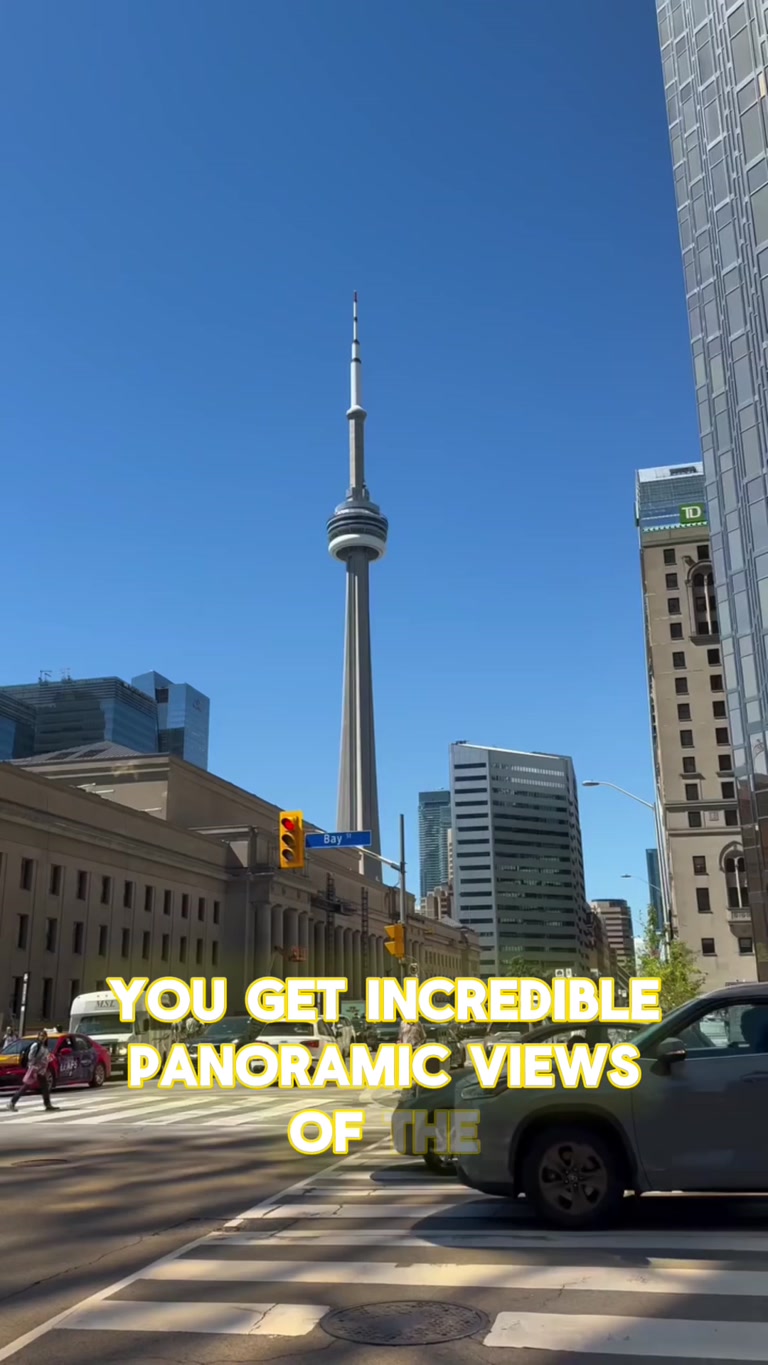
The CN Tower's glass floor at 346 meters is the real test of your nerve - looking straight down through your feet to the ground. The EdgeWalk (hands-free walk around the outside) is C$195 and genuinely terrifying in the best way. Ripley's Aquarium next door is worth the C$40 entry - the underwater tunnel with sharks and rays overhead is the highlight. Book CN Tower tickets online to skip the line.
Named the world's best food market by National Geographic. The peameal bacon sandwich at Carousel Bakery is the one thing everyone lines up for - a thick slab of wet-cured pork loin on a Kaiser roll. Beyond that, browse the cheese vendors, sample maple syrup products, and grab fresh pasta. Saturday is the farmer's market. Go before 10am on weekdays to avoid crowds.
A pedestrian-only village of Victorian industrial buildings converted into galleries, craft breweries, restaurants, and boutiques. The cobblestone streets and exposed brick give it character that most 'renovated' neighborhoods lose. Mill Street Brewery has a large patio. During December, the Christmas Market here is one of the best in North America.
Kensington is Toronto's multicultural heart - vintage clothing stores, Latin American bakeries, Caribbean food stands, and organic co-ops crammed into a few blocks of Victorian houses. Wander without a plan. For lunch, try Seven Lives for fish tacos or Rasta Pasta for Jamaican-Italian fusion. Adjacent Chinatown on Spadina Avenue has some of the best dim sum outside Hong Kong.
A 15-minute ferry from downtown (C$9 round trip) drops you on a car-free island park with skyline views that make you wonder why Toronto doesn't appear in more movies. Ward's Island has a quiet beach. Centre Island has the main facilities. Rent a kayak and paddle along the shoreline for the full panorama. Summer weekends get crowded - go on a weekday or in the evening.
“St. Lawrence Market - Toronto food paradise”
“CN Tower Skyline views”
Toronto is one of the most diverse food cities in North America. Eat Ethiopian on Bloor West, Vietnamese pho on Spadina, Jamaican patties in Little Jamaica, and Korean BBQ in Koreatown - all within a 20-minute radius. For a sit-down experience, Canoe (in the TD Tower, 54th floor) has panoramic views and modern Canadian cuisine. Budget C$15-25 for a solid meal at a local spot.
The Canadian side has the better view - you face Horseshoe Falls head-on. Table Rock is the closest viewpoint, right at the edge where 3,000 tons of water per second drop 57 meters. The mist soaks you even from the observation deck. Journey Behind the Falls takes you through tunnels to an observation portal right behind the curtain of water - C$23 and worth it for the sheer sensory overload.
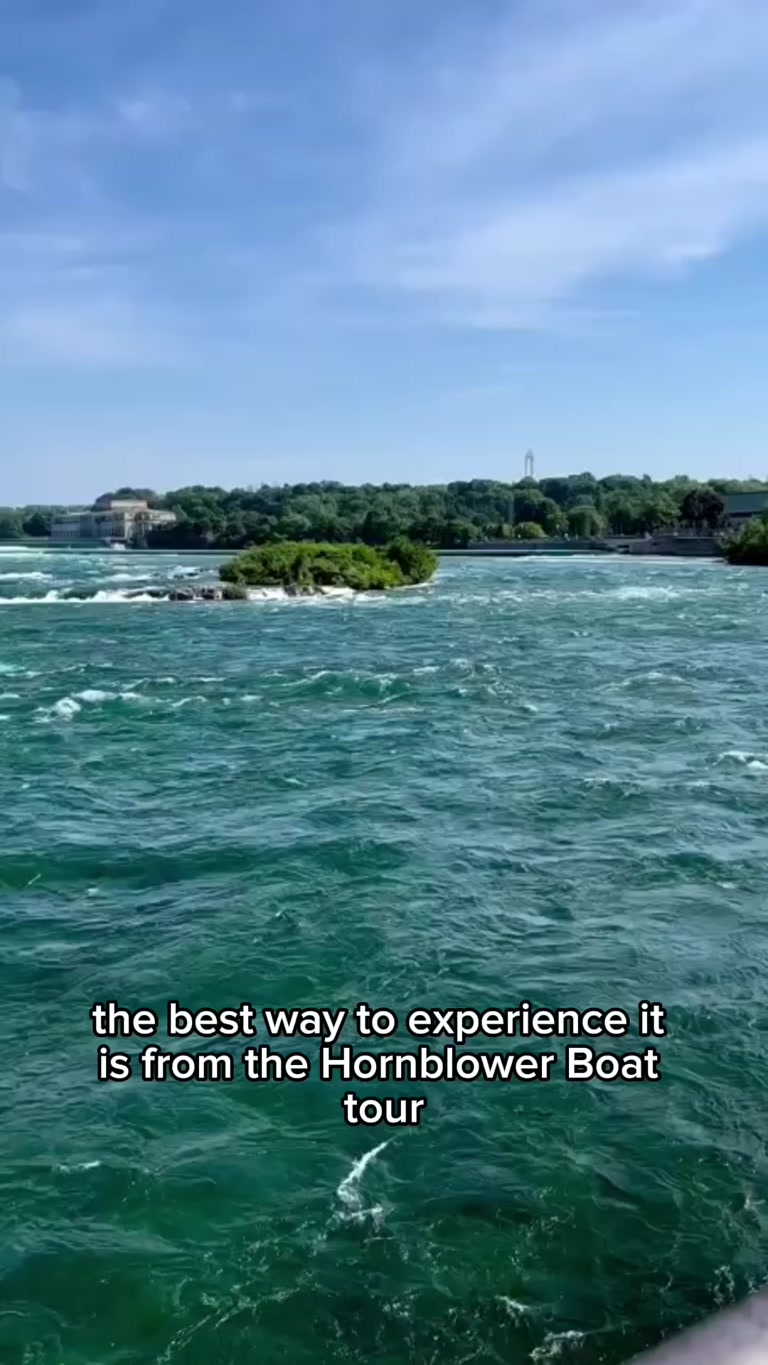
The Canadian version of Maid of the Mist. The boat takes you directly into the horseshoe where the falls curve around you on three sides. You will get completely drenched - the poncho they provide is symbolic at best. Bring a waterproof phone case or leave electronics in a locker on shore. The morning light creates rainbows in the mist almost daily.
A 20-minute drive from the falls brings you to one of Canada's premier wine regions. Over 30 wineries along the Niagara Wine Route offer tastings. Inniskillin is famous for ice wine - grapes frozen on the vine and pressed for intensely sweet dessert wine that is uniquely Canadian. The town of Niagara-on-the-Lake itself is a charming 19th-century main street with the Shaw Festival theatre, boutique shops, and afternoon tea at the Prince of Wales Hotel.
An antique cable car suspended 76 meters above the Niagara Whirlpool - a massive swirling basin where the river changes direction. The car crosses 1,070 feet over the gorge. It has been running since 1916. Less crowded than the falls attractions but genuinely impressive for the views of the rapids below.
“Experience the power of Niagara Falls up close on the Hornblower Boat Tour!”
The Niagara Falls tourist strip (Clifton Hill) is chain restaurants and overpriced buffets - avoid it for food. Instead, drive 20 minutes to Niagara-on-the-Lake where Treadwell, Ravine Vineyard Restaurant, and Kitchen76 serve farm-to-table menus paired with local wines. For something quick, Smoke's Poutinerie near the falls does proper poutine - fries, cheese curds, and gravy. Budget C$15-20 for casual, C$50-80 for a winery dinner.
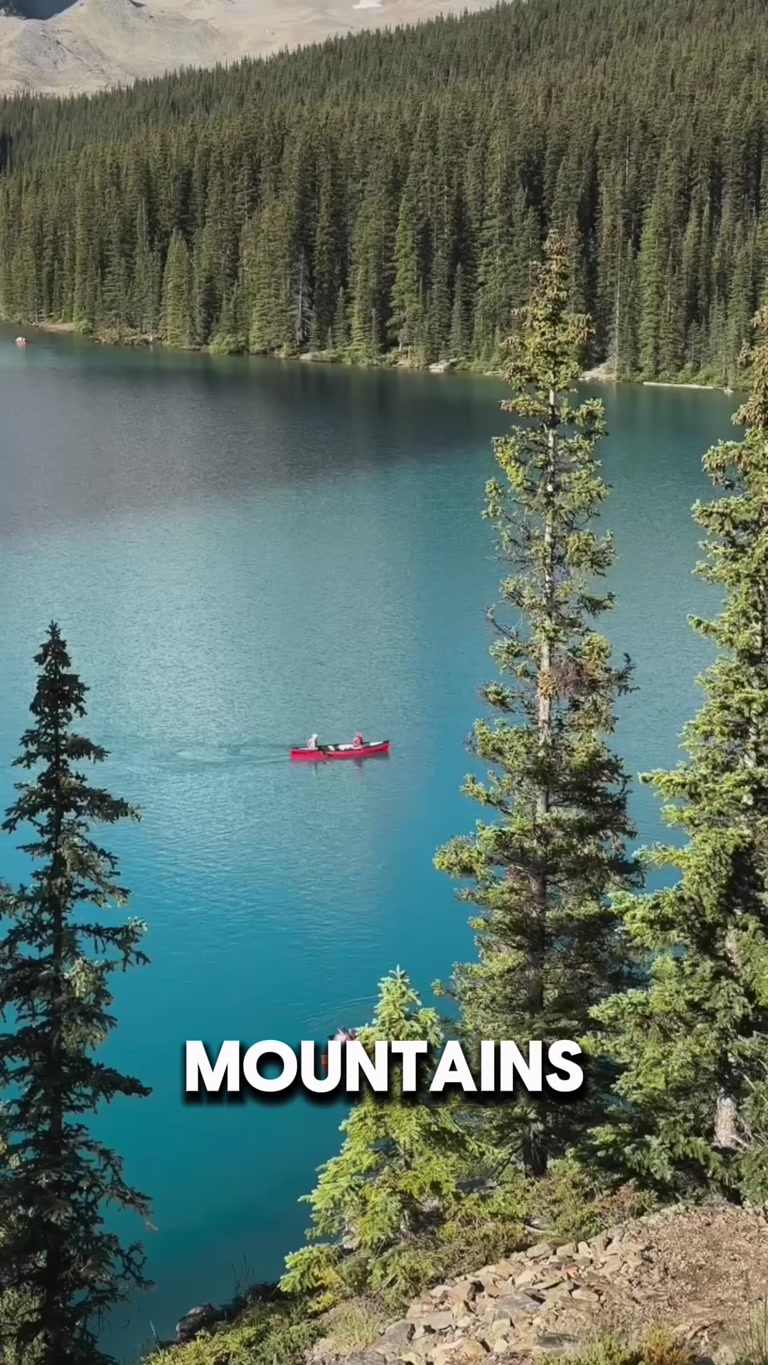
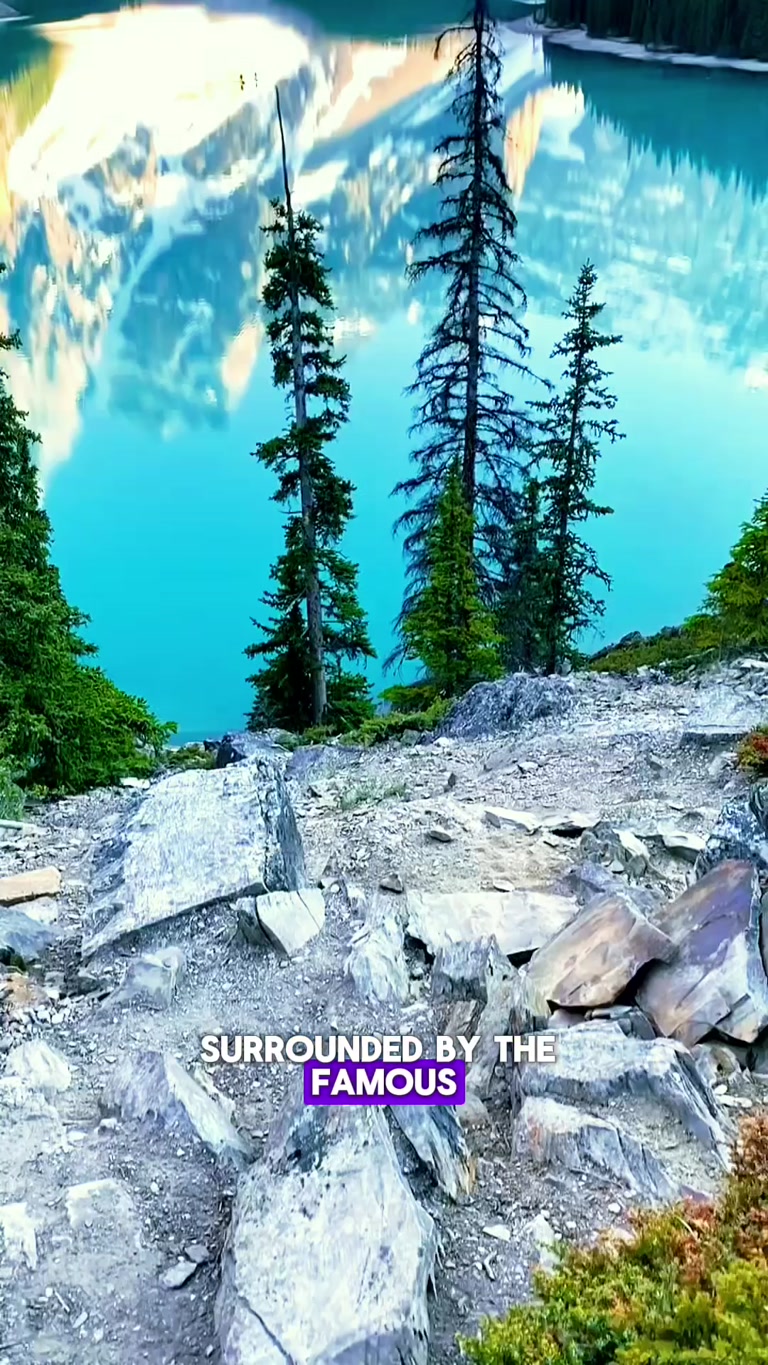
The lake on the old Canadian $20 bill. Turquoise water backed by the Valley of the Ten Peaks - one of the most photographed spots in the Rockies. The color comes from glacial rock flour suspended in the water and is most intense in late June through August. The road opens seasonally (usually June to October) and the parking lot fills by 7am in peak summer. Take the Parks Canada shuttle or arrive before 6:30am. Rent a canoe (C$105/hour) for the full experience.
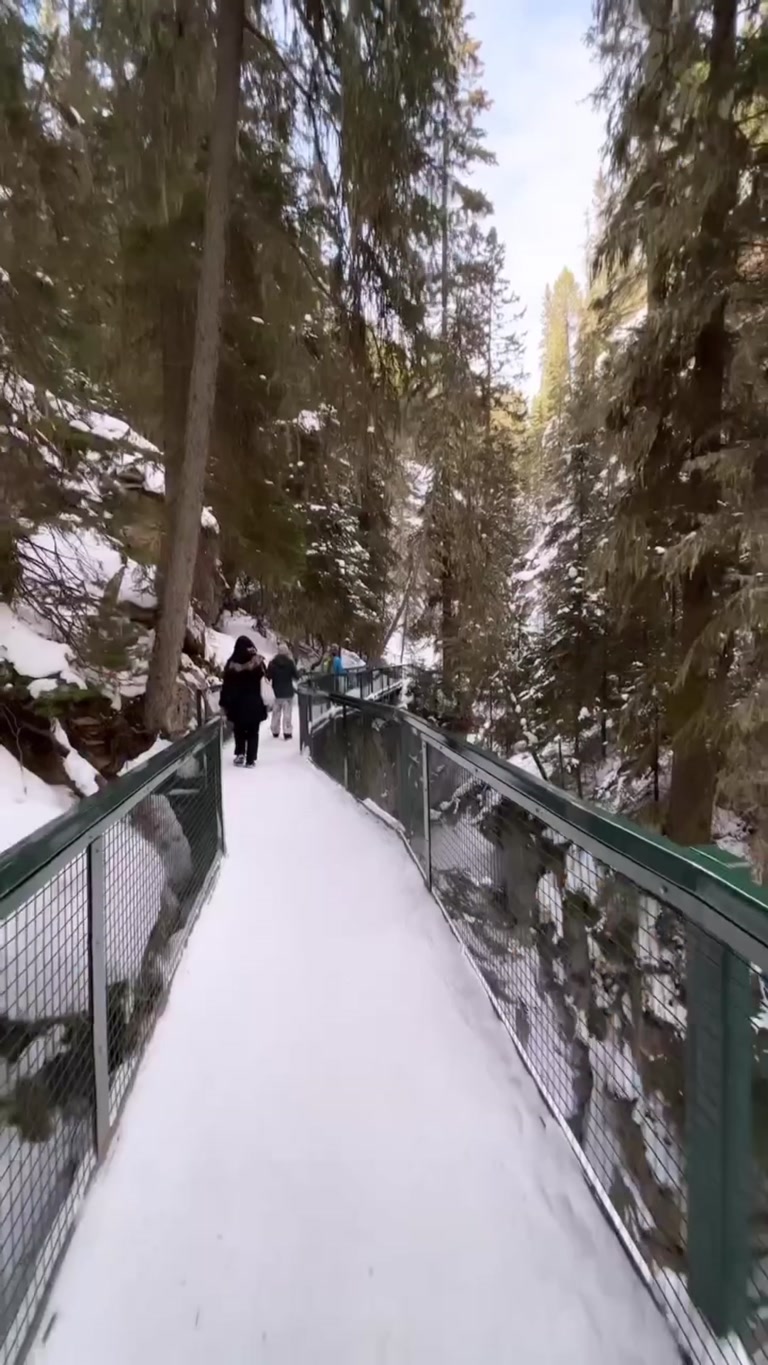
A well-maintained trail with catwalks bolted to the canyon walls above a rushing creek. The Lower Falls (1.1 km in) is the easy goal - a waterfall pouring through a narrow slot canyon into a turquoise pool. The Upper Falls (2.7 km) is larger and less crowded. In winter, the falls freeze into massive blue ice columns and guided ice walks are available. The trail is paved for the first section, then transitions to packed gravel.
The gondola takes 8 minutes to reach the summit of Sulphur Mountain at 2,281 meters. The boardwalk at the top connects to a historic weather station and offers 360-degree views of six mountain ranges. On clear days you can see for 150 kilometers. The Summit Restaurant at the top is decent but pricey - eat before or after. Alternatively, hike up (5.5 km, 700m elevation gain) and take the gondola down - saves C$73 and the trail is beautiful.
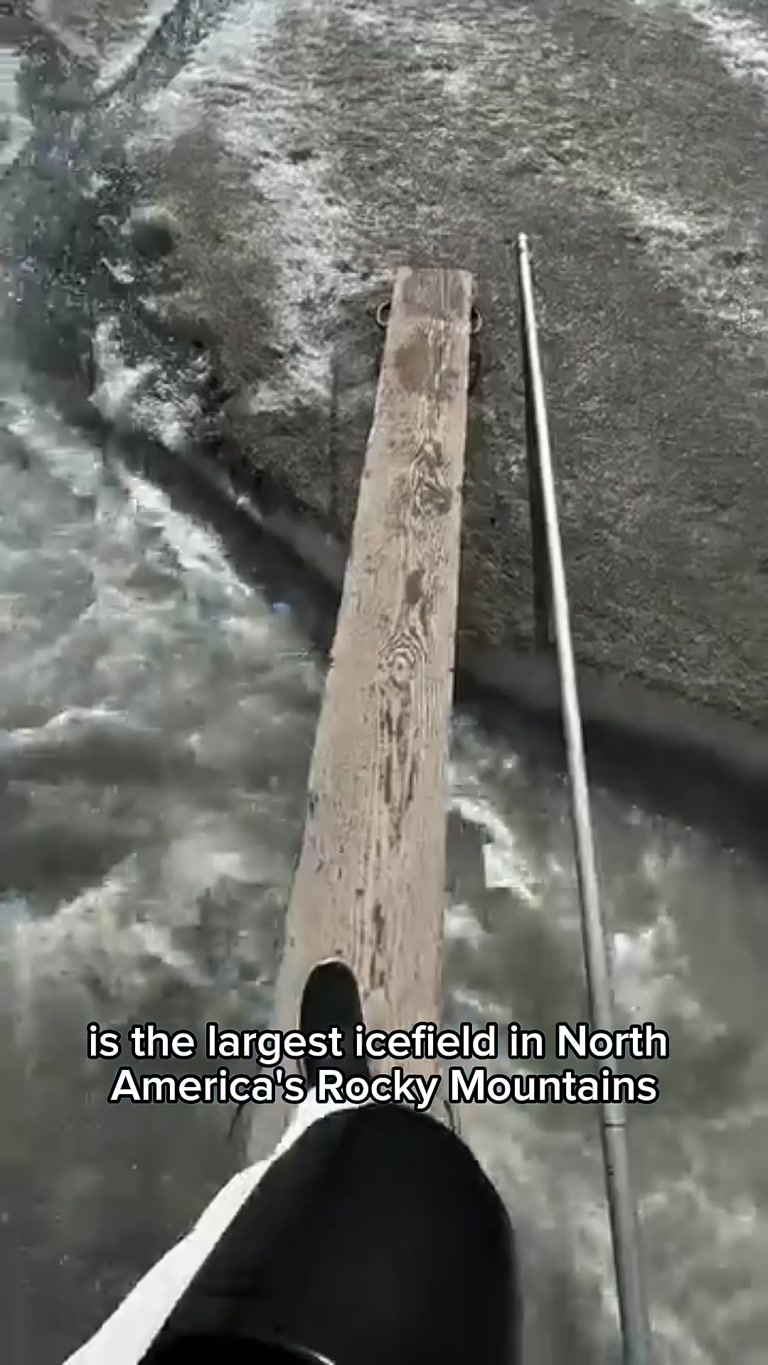
The 230-km highway from Banff to Jasper is regularly called one of the most beautiful drives on earth. Glaciers, waterfalls, turquoise lakes, and wildlife at every turn. Key stops: Peyto Lake (short hike to a viewpoint of bear-shaped turquoise lake), Columbia Icefield (walk on the Athabasca Glacier for C$95), and Athabasca Falls. Allow a full day even if you're not going all the way to Jasper - every pullout tempts you to stop.
Banff's largest lake, ringed by mountains. The lake road is a great drive for wildlife - bighorn sheep, elk, and occasionally bears are spotted along the shore. Boat tours run in summer (C$70, 1 hour) and the east shore trail is a flat, easy walk with mountain views. Less crowded than Moraine Lake or Lake Louise and just as scenic in its own way.
Banff Avenue is a walkable main street with gear shops, restaurants, and bars surrounded by mountains on every side. The Banff Upper Hot Springs (C$9.50 entry) are natural mineral pools at 1,585 meters - soak at sunset with views of Mount Rundle. For a meal with a view, the rooftop at the Banff Springs Hotel is accessible to non-guests and the views are free even if the drinks are not.
“Canoeing on Moraine Lake with mountain views in Banff”
“Crystal blue waters and rugged peaks at Moraine Lake”
“Winter walk through the snowy trails of Johnston Canyon”
“Exploring the mighty Columbia Icefield in the Canadian Rockies!”
Banff town has excellent food for a small mountain town. The Bison Restaurant serves elk, bison, and wild game in a cozy lodge setting. Park Distillery makes its own spirits and serves hearty mountain food. Block Kitchen + Bar has creative cocktails and sharing plates. For budget eats, Eddie Burger + Bar does solid burgers and poutine. Expect C$20-30 for a casual meal, C$50-80 for a proper dinner.
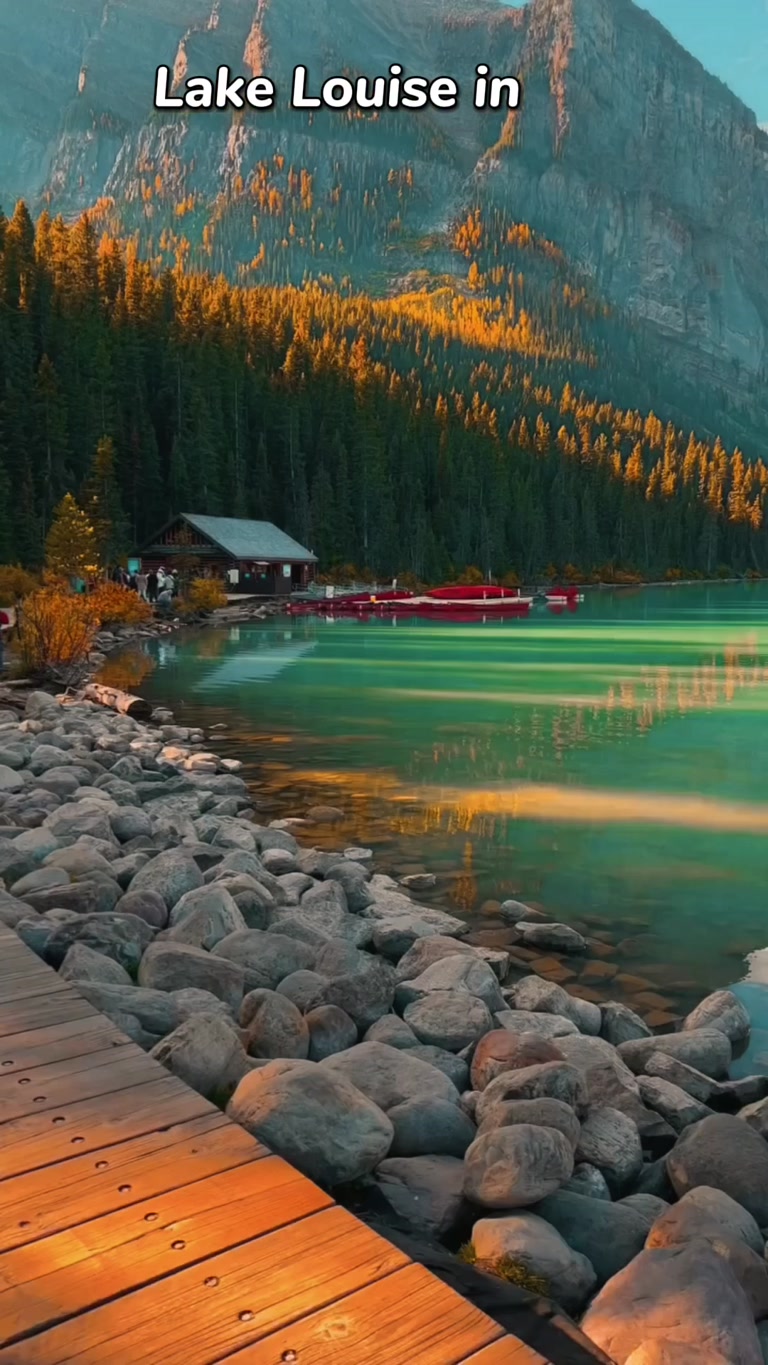
The postcard that launched a thousand Instagram accounts. Emerald green water, Victoria Glacier at the far end, and the Fairmont Chateau perched on the shore. The flat lakeside trail (2 km each way) leads to the far end of the lake where the views open up and the crowds thin. Canoe rental is C$135/hour - expensive but paddling on this lake with the glacier ahead of you is one of those core-memory experiences. Arrive by 7am in summer or the parking lot is full.
A 5.3-km hike from the end of Lake Louise to a Swiss-style tea house built in 1927. The trail climbs steadily through alpine meadow to a stone building where tea, lemonade, and fresh-baked goods are served - all packed up by horse. No electricity. Cash only. The views of glacial moraines and ice fields from the tea house porch make it feel earned. Moderate difficulty, 365m elevation gain.
The more popular of the two tea houses - a 3.5-km hike up switchbacks through subalpine forest to a small lake with a log cabin tea house. Serves over 100 types of tea plus homemade soup, sandwiches, and pastries. The hike is steeper than Plain of Six Glaciers but shorter. Continue past the tea house to the Big Beehive lookout for an aerial view of Lake Louise that few people bother to reach.
If you did not visit Moraine Lake from Banff, make it a priority from Lake Louise - it is only 14 km away. The Rockpile Trail (short scramble up the rock moraine) gives you the famous viewpoint from the old twenty-dollar bill. The larch trees around the lake turn gold in late September - one of the most photographed autumn scenes in North America.
“Crystal blue waters and mountain views at Lake Louise”
The Fairmont Chateau Lake Louise has several restaurants - the Lakeview Lounge is the most accessible for non-guests, with views directly over the lake. For more reasonable options, the Lake Louise Station Restaurant is in a restored 1910 train station with solid Canadian fare. The Village Grill in the small Lake Louise village is good for quick lunches. Pack trail snacks for hikes - there is nowhere to buy food between the trailhead and the tea houses.
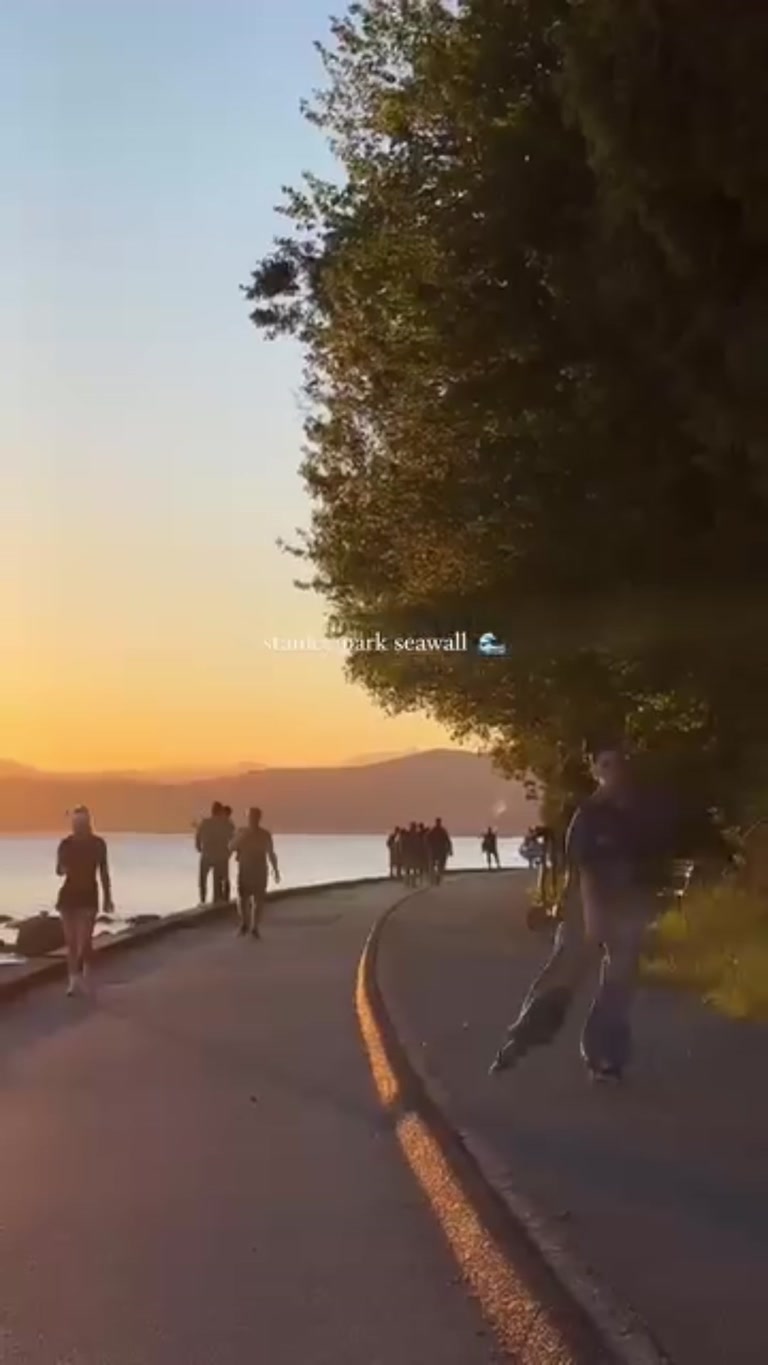
A 1,000-acre park surrounded by ocean on three sides, connected to downtown by a causeway. The 9-km Seawall loop is one of the best urban walks in the world - ocean on one side, old-growth forest on the other, with views of the North Shore mountains and passing freighters. Rent a bike (C$10/hour) from one of the shops on Denman Street. Stop at Third Beach for a quieter spot than English Bay. The totem poles at Brockton Point are carved by Coast Salish artists.
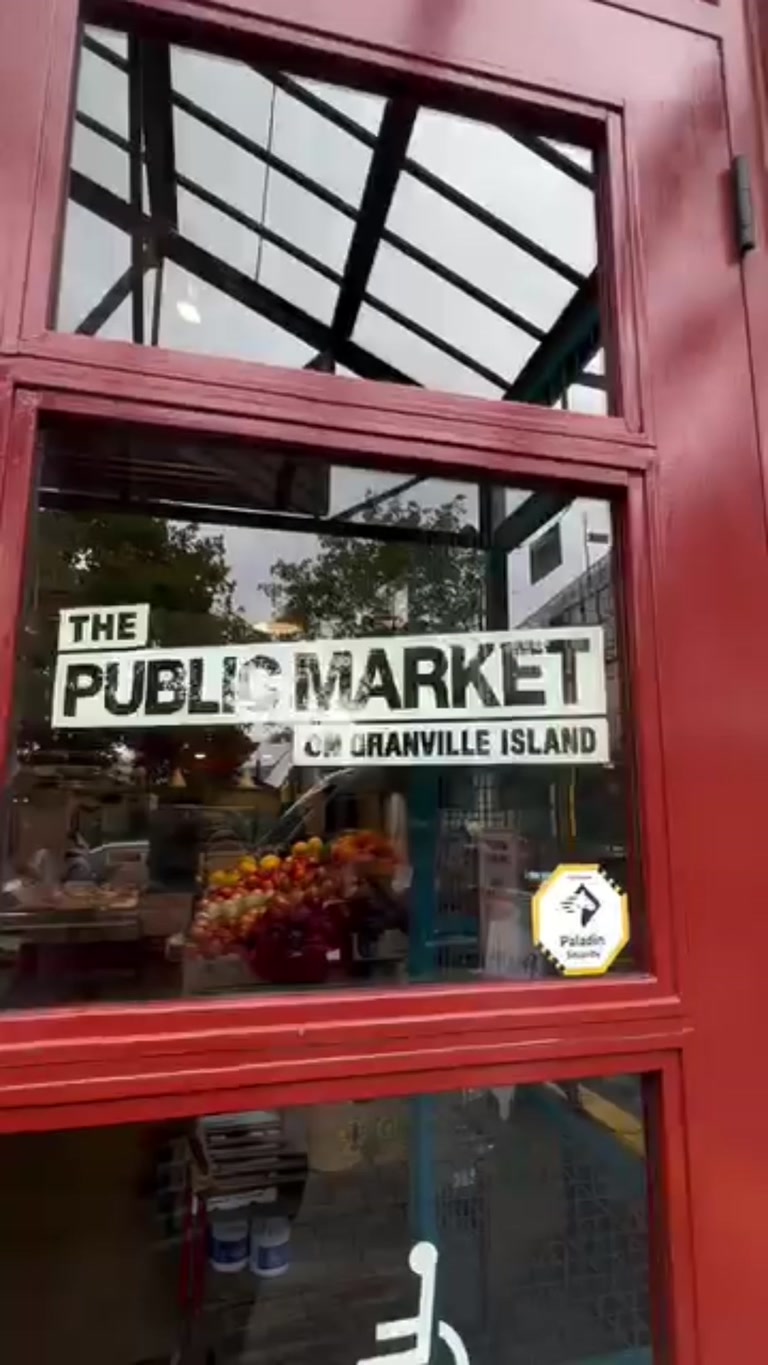
Under the Granville Bridge, this indoor market has been running since 1979. Fresh seafood, artisan cheese, local produce, baked goods, and prepared foods from dozens of vendors. Lee's Donuts are legendary (get the honey dip). The oyster bar near the back serves freshly shucked BC oysters for C$3-4 each. Beyond the market, the island has artist studios, a craft brewery, and the Kids Market for families.
A 137-meter suspension bridge swaying 70 meters above the Capilano River. The Treetops Adventure - a series of smaller bridges suspended between old-growth Douglas firs - is included in the C$65 entry. The Cliffwalk, a narrow walkway cantilevered over the canyon, adds another adrenaline layer. Arrive when it opens at 9am to avoid peak crowds. The free shuttle from downtown Canada Place runs every 15-20 minutes.
Gastown is Vancouver's oldest neighborhood - cobblestone streets, the steam clock (which whistles every 15 minutes), and a mix of independent boutiques and restaurants. Water Street is the main drag. Walk east into Chinatown - North America's third largest - for dim sum at Floata or New Town Bakery. The Dr. Sun Yat-Sen Classical Chinese Garden is a peaceful escape from the surrounding energy.
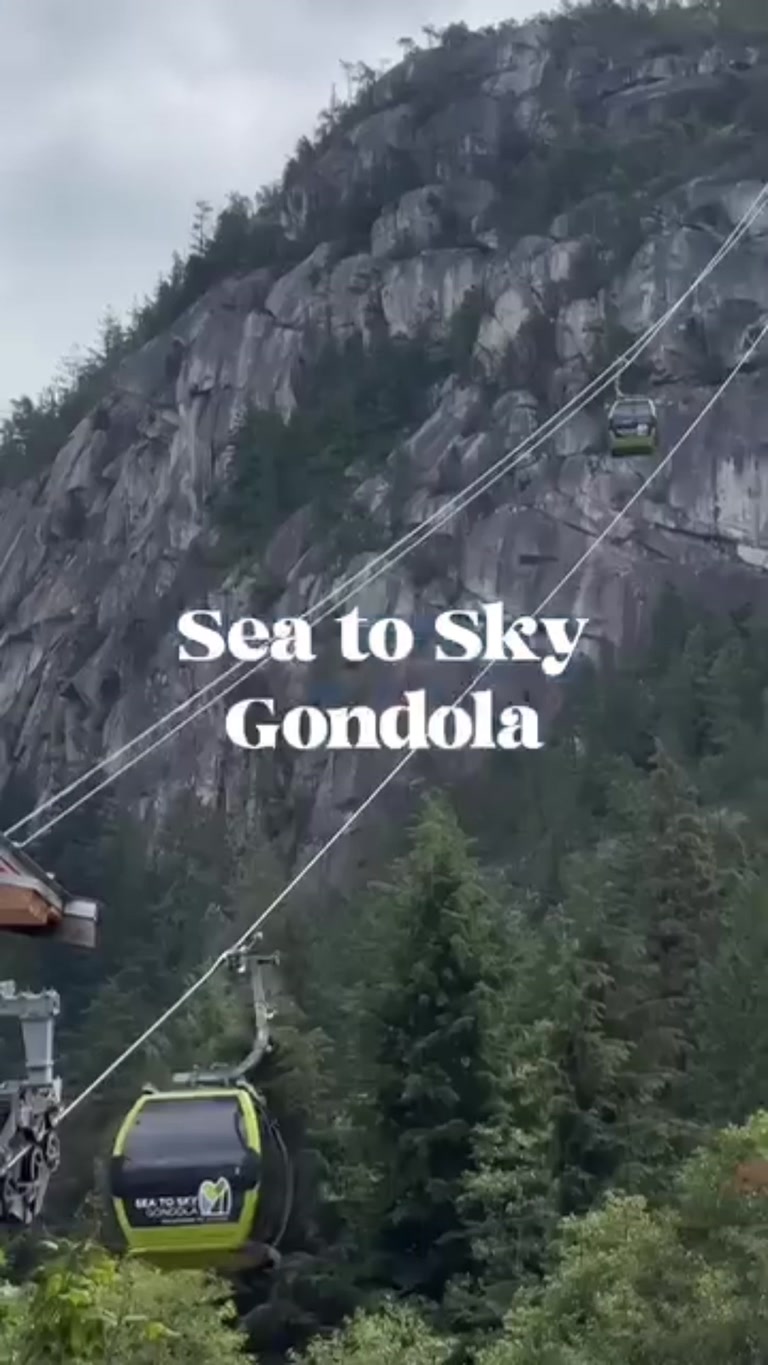
The highway from Vancouver to Squamish (45 minutes) follows the coastline of Howe Sound with mountains dropping directly into the ocean. The Sea to Sky Gondola in Squamish (C$59) takes you 885 meters up for views of the sound, the Tantalus Range, and on clear days, Vancouver Island. The suspension bridge at the top is included. Shannon Falls (335 meters, BC's third tallest waterfall) is a 5-minute walk from the highway - free to visit.
English Bay is Vancouver's downtown beach - the sunset here, with the sun dropping behind Vancouver Island and the mountains turning pink, is a daily ritual for locals. Kits Beach across False Creek has a saltwater pool, volleyball courts, and a more relaxed vibe. Both are walking distance from downtown. Grab takeout from one of the Davie Street restaurants and eat on the logs scattered along the sand.
“Golden hour stroll along the Stanley Park Seawall”
“Exploring sweet treats and local flavors at Granville Island Public Market!”
“Riding the Sea to Sky Gondola for epic mountain views!”
Vancouver's food scene punches well above its size. The sushi rivals Tokyo's - Tojo's invented the California roll and is still operating. Miku for aburi (flame-seared) sushi. Vij's for Indian that is genuinely innovative. Japadog for Japanese-style hot dogs from a street cart. For Asian food broadly, Richmond (20 minutes south) has the best Chinese food in North America - no exaggeration. Budget C$15-25 for great casual food, C$60-100 for a special dinner.
Get Parks Canada shuttle reservations, real-time trail conditions, wildlife advisories, creator content at every stop, and one-tap navigation handoff to Google Maps or Apple Maps.
Plan in Tourific
Real costs for 14 days across Canada. All prices in Canadian dollars (CAD).
Canada is not a budget destination, but most of its best experiences (hiking, lake visits, scenic drives) are free or very cheap. A Parks Canada Discovery Pass at C$72.25 covers every national park for the year. The big expenses are accommodation and food in tourist towns like Banff. The Tourific app helps you find the best value options at each stop.
Get exact estimate in appCanada is exceptionally safe, but the Rockies demand respect for wildlife and weather. These tips will save you time and headaches.
Wildlife encounters are real in the Canadian Rockies. Black bears and grizzly bears are active from April to November. Carry bear spray (C$40, available at any outdoor shop in Banff), make noise on trails, and never approach or feed wildlife. Parks Canada posts bear advisories - check them daily.
Moraine Lake and Lake Louise parking lots fill by 6:30-7am from June through September. Parks Canada runs a mandatory shuttle system during peak months - you cannot drive your own car. Book shuttle reservations online as soon as they open (usually 2-3 months ahead). Without a reservation, you will not get in.
Canadian weather changes fast in the mountains. A sunny morning in Banff can become a snowstorm by afternoon, even in July. Layer your clothing and always carry a rain shell, even on short hikes. Check the mountain weather forecast (not city forecast) before heading out.
Cell service is spotty to nonexistent on the Icefields Parkway and most hiking trails. Download offline maps (Google Maps or AllTrails) before leaving Banff or Lake Louise. Tell someone your hiking plan and expected return time.
Tipping culture in Canada mirrors the US - 15-20% at restaurants, C$1-2 per drink at bars, 15% for taxis. Unlike some countries, this is expected and service workers depend on it. Tax (GST/PST or HST depending on province) is added at the register, not included in listed prices.
Rent in Calgary for the Rockies leg - cheaper than Banff
AWD/4WD recommended October through May for mountain passes
One-way drop-off fees (Calgary to Vancouver) add C$200-500
Gas is C$1.50-1.80/liter (~C$6-7/gallon)
Speed limits are in km/h - 100-110 on highways
Discovery Pass: C$72.25/adult, C$145.25/family (annual)
Covers Banff, Jasper, Pacific Rim, and all other national parks
Daily pass alternative: C$10.50/adult per park per day
Buy at any park gate or online at parks.canada.ca
Display pass on your dashboard when parked in national parks
Plan this exact route with AI-powered cost estimates, trail conditions, creator content at every stop, and one-tap navigation handoff.