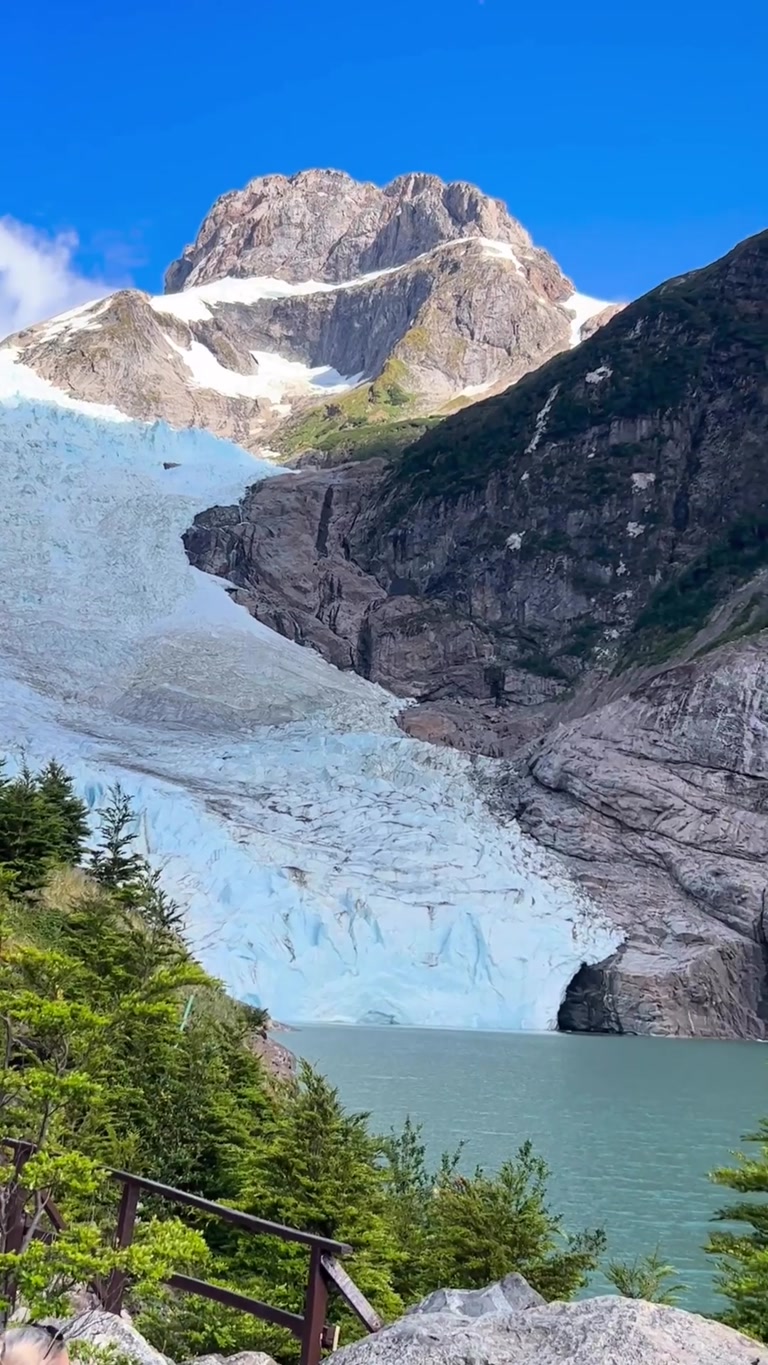
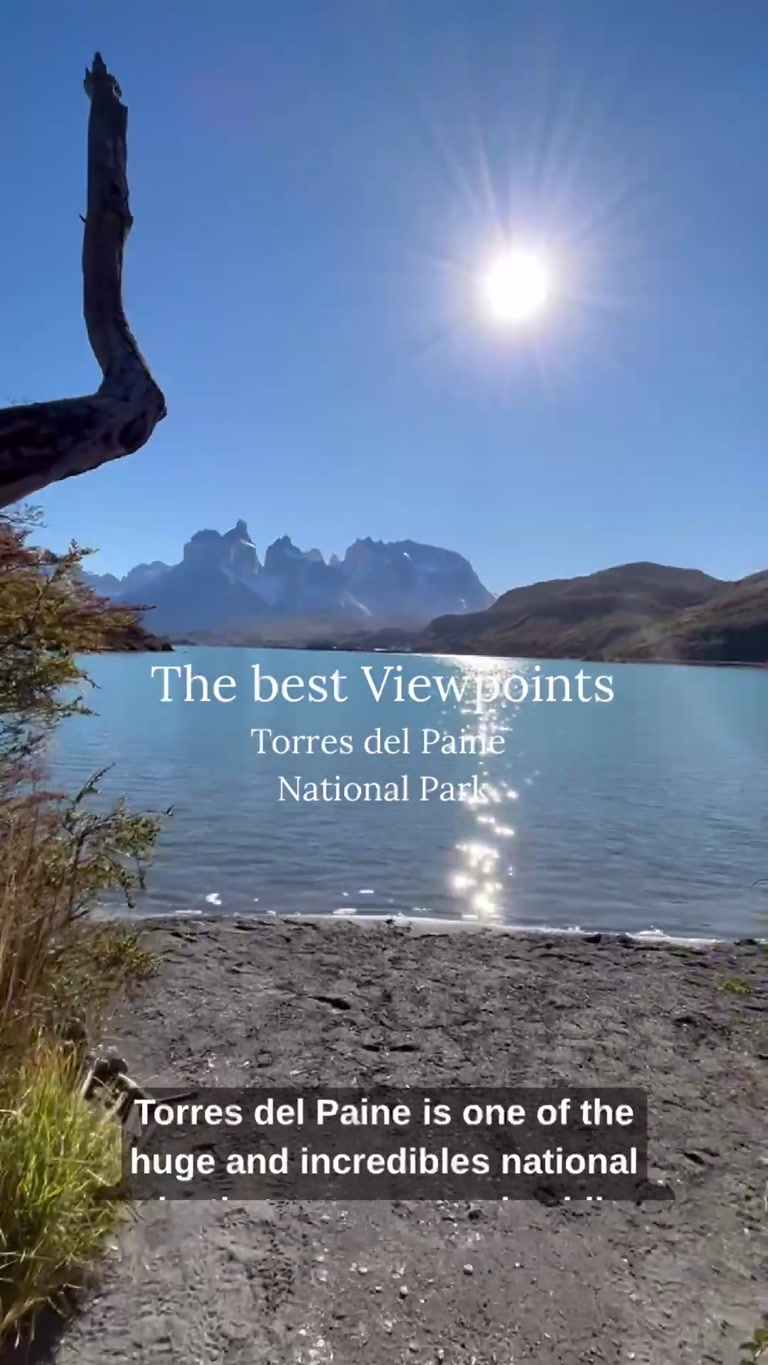
Patagonian landscape with granite peaks and glacial lake
Home/Routes/Chile
PatagoniaDesertWineMountainsGlaciers

Chile Road Trip: Desert to Glaciers

Santiago -> Valparaiso -> San Pedro de Atacama -> Puerto Natales -> Torres del Paine. From the vineyards outside Santiago to the driest desert on Earth, then south to the raw power of Patagonian glaciers and granite towers. Fourteen days through one of the most geographically extreme countries on the planet.

Photo: Unsplash / Unsplash
4,200 km (2,610 miles)
Distance
14 Days
Duration
~8 hours total flight + drive time
Travel Time
Moderate
Difficulty
November - March
Best Season
๐ŸŽ’
$1,460-$2,340
Budget (hostels, local food) ($40-60/day)
๐Ÿ”๏ธ
$3,250-$5,620
Mid-Range (hotels, guided tours) ($100-180/day)
โœจ
$6,800-$13,000
Luxury (lodges, private guides) ($250-500/day)

In This Guide

Why This Trip

Chile is the skinniest country on Earth - never more than 350 km wide but stretching 4,300 km from the Atacama Desert to the glaciers of Patagonia. That geography means you get more landscape variety in a single trip than almost anywhere else. Desert moonscapes, volcanic hot springs, vineyard-covered valleys, fjords, ice fields, and granite towers - all in one country.

This route hits Chile's greatest contrasts. You start in Santiago, a modern capital ringed by Andes peaks, with serious wine country 30 minutes away. Then north to the Atacama - the driest place on Earth, where the night sky is so clear that the world's most powerful telescopes are built here. Then you fly south to Patagonia, where the landscape shifts to glaciers, turquoise lakes, and winds that can knock you sideways.

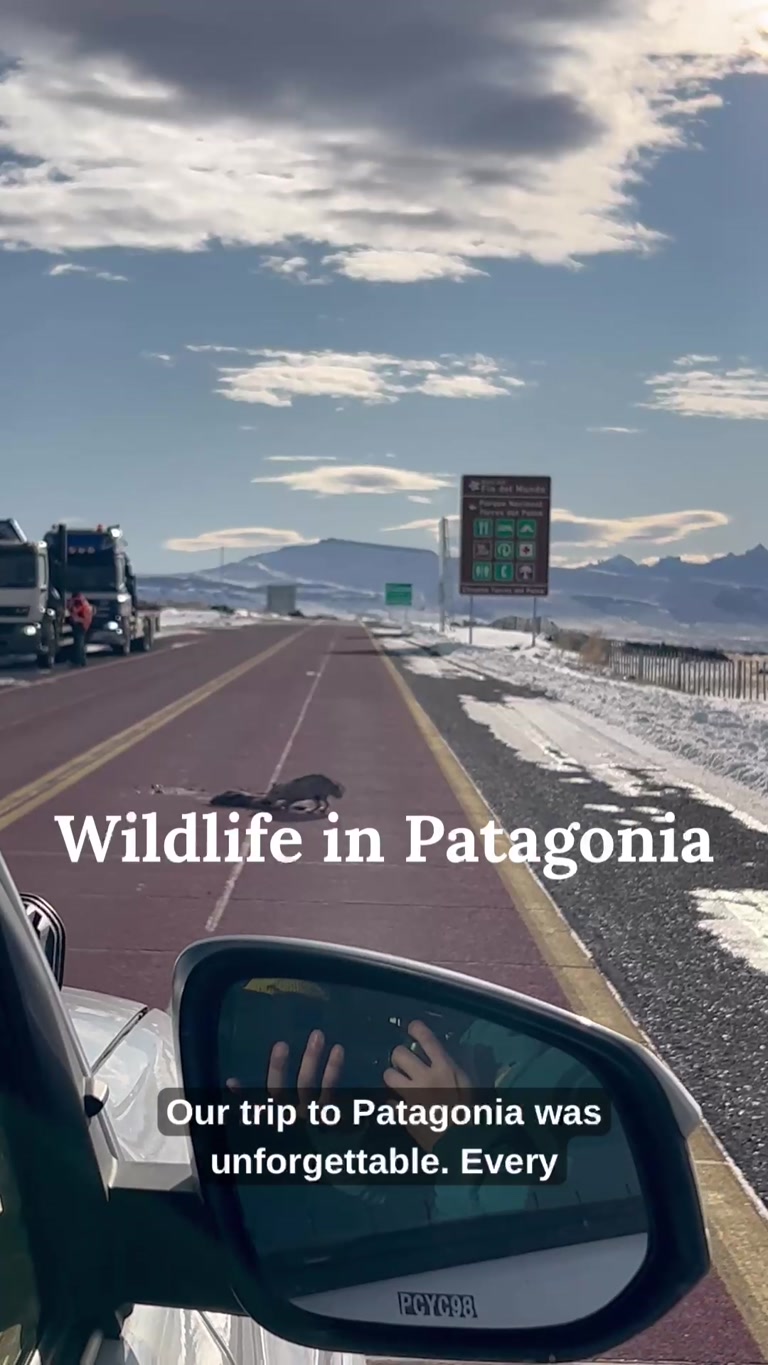
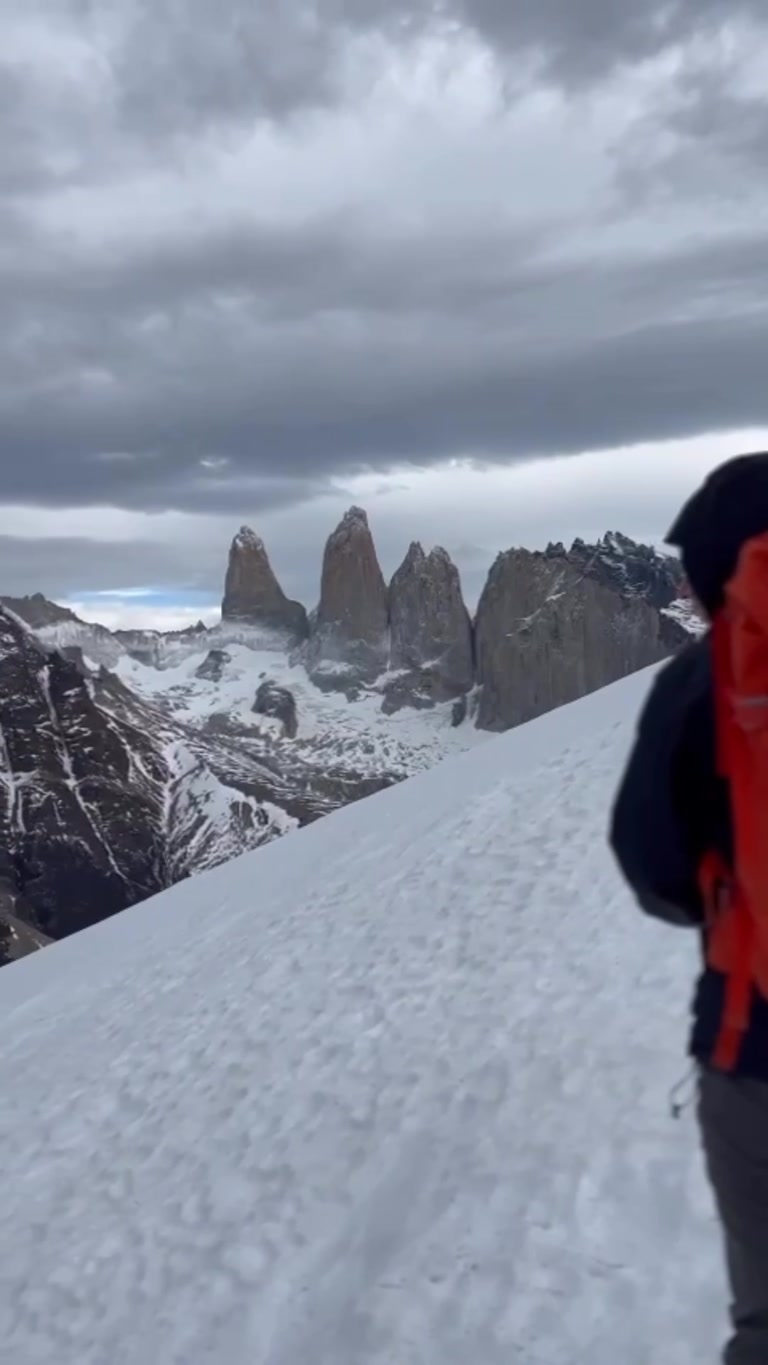
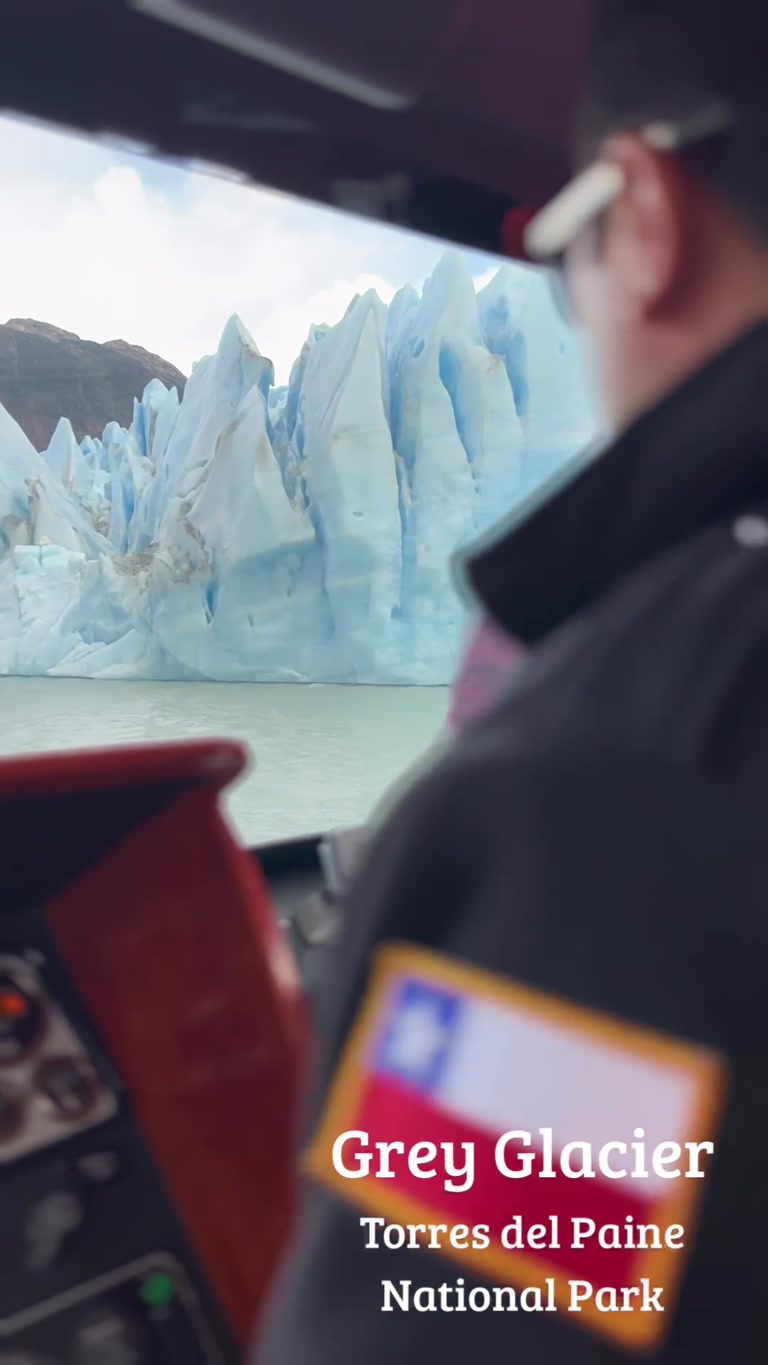
Torres del Paine is the anchor of this trip and one of the great national parks on the planet. The granite towers rising from glacial lakes, the Grey Glacier calving icebergs, the guanacos grazing with condors circling above - it's the kind of scenery that makes you stop walking and just stand there. The W Trek is a bucket-list hike, but even day trips from Puerto Natales deliver serious payoff.

Chile is also surprisingly affordable compared to Patagonia's Argentine side. A solid lunch costs $5-8, domestic flights are reasonable if booked early, and the wine-to-price ratio is among the best in the world.

โœˆ๏ธ
Internal Flights Required

Chile's extreme length means you need internal flights between regions. Santiago to Calama (for Atacama) is about 2 hours. Santiago/Calama to Punta Arenas (for Patagonia) is about 3.5 hours. LATAM and Sky Airline run multiple daily flights. Book 4-6 weeks ahead for the best fares.

Santiago - Calama: 2 hr flight
Calama - Punta Arenas: 3.5 hr flight
Puerto Natales - Torres: 1.5 hr drive
Itinerary

Day-by-Day Breakdown

14 days from Santiago's wine country to Patagonia's granite towers. Desert, glaciers, and everything between.

Santiago cityscape with Andes mountains in the background
Photo: Unsplash / Unsplash
D1-3

Santiago - Wine Country & Andes Backdrop

๐Ÿš— N/A (arrival)
Overnight
Santiago (Lastarria or Providencia)
$50-$180/night

Cerro San Cristobal

Viewpoint ยท Half day

Take the funicular to the top for a panoramic view of Santiago with the entire Andes range behind it. On clear days (more common April - September), the snow-capped peaks stretch across the horizon. Go early morning before the haze builds.

Barrio Lastarria & Bellavista

Neighborhood ยท Half day

Lastarria is Santiago's creative quarter with independent bookshops, sidewalk cafes, and the Museo de Artes Visuales. Cross the river to Bellavista for street art, Pablo Neruda's La Chascona house, and lively restaurants that fill up after 9pm.

Mercado Central

Food Market ยท 2 hours

Chile's grand 19th-century iron market. The outer ring has affordable lunch counters serving caldillo de congrio (conger eel soup, Neruda's favorite) and fresh ceviche. Avoid the center restaurants that target tourists with inflated prices.

Maipo Valley Wine Tour

Wine Region ยท Full day

30 minutes from Santiago. Concha y Toro is the most famous but book Vina Aquitania or Almaviva for a more intimate experience. Chilean Carmenere is the grape you can't get anywhere else. Most wineries require reservations.

Cajon del Maipo

Mountain Valley ยท Full day

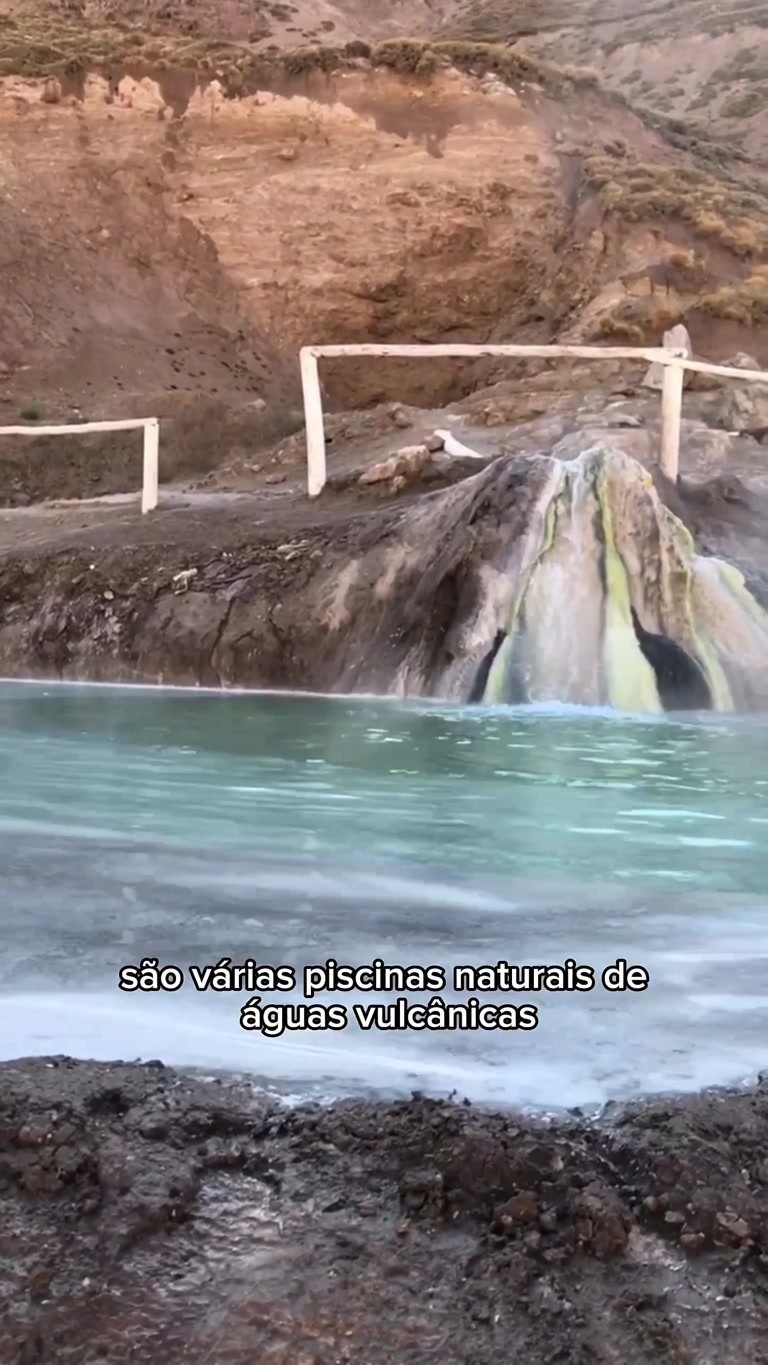
A river valley cutting into the Andes, just 90 minutes from Santiago. Hot springs at Termas Valle de Colina sit at 3,000 meters with pools carved into the mountainside. The drive itself is half the experience - switchbacks through dramatic canyon walls.

๐ŸŽฌ Creator Reels from This Stop
Creator reel from Santiago

โ€œConcha y Toro is one of the most famous wineries in Chile.โ€

๐Ÿฝ๏ธ
Where to Eat

Eat a completo (Chilean hot dog loaded with avocado, mayo, and tomato) from any street stand. For dinner, try a traditional picada serving pastel de choclo (corn-topped beef casserole). Wine is absurdly cheap even at nice restaurants - a great bottle runs $10-15.

Plan This Exact Route in Tourific

Get real-time flight prices between Chilean cities, creator content at every stop, altitude alerts for the Atacama, weather forecasts for Patagonia, and one-tap navigation handoff.

Plan in Tourific
Plan Chile road trip in Tourific app
Budget

Cost Breakdown by Travel Style

Real costs for 14 days across Chile. Prices based on current rates, not outdated guidebook estimates.

๐ŸŽ’
Budget
Hostels, local eateries, public transport
Internal Flights$200-350
Accommodation (13 nights)$560-$840
Food (14 days)$350-$500
Activities & Park Fees$200-$400
Local Transport & Car Rental$150-$250
Total (14 days)$1,460-$2,340
๐Ÿ”๏ธ
Mid-Range
Hotels, guided tours, rental car
Internal Flights$350-600
Accommodation (13 nights)$1,400-$2,520
Food (14 days)$700-$1,200
Activities & Park Fees$500-$800
Local Transport & Car Rental$300-$500
Total (14 days)$3,250-$5,620
โœจ
Luxury
Premium lodges, private guides, charter flights
Internal Flights$600-1,200
Accommodation (13 nights)$3,500-$7,000
Food (14 days)$1,400-$2,500
Activities & Park Fees$800-$1,500
Local Transport & Car Rental$500-$800
Total (14 days)$6,800-$13,000

Chile uses the Chilean peso (CLP). The exchange rate has been favorable for USD travelers since 2022. A trip that cost $4,000 a few years ago now delivers even more value. The Tourific app tracks real-time exchange rates and local prices for all stops on this route.

Get exact estimate in app
Atacama Desert salt flat with distant volcanoes at sunset
Atacama Desert, Chile
Good to Know

Essential Tips & Travel Notes

Chile rewards preparation. The distances are vast, the altitude is real, and Patagonia's weather plays by its own rules.

โš ๏ธ

Chile stretches 4,300 km north to south. You cannot drive the full route in this itinerary - internal flights between Santiago, Calama (for Atacama), and Punta Arenas (for Patagonia) are essential. Book early for better prices on LATAM or Sky Airline.

โš ๏ธ

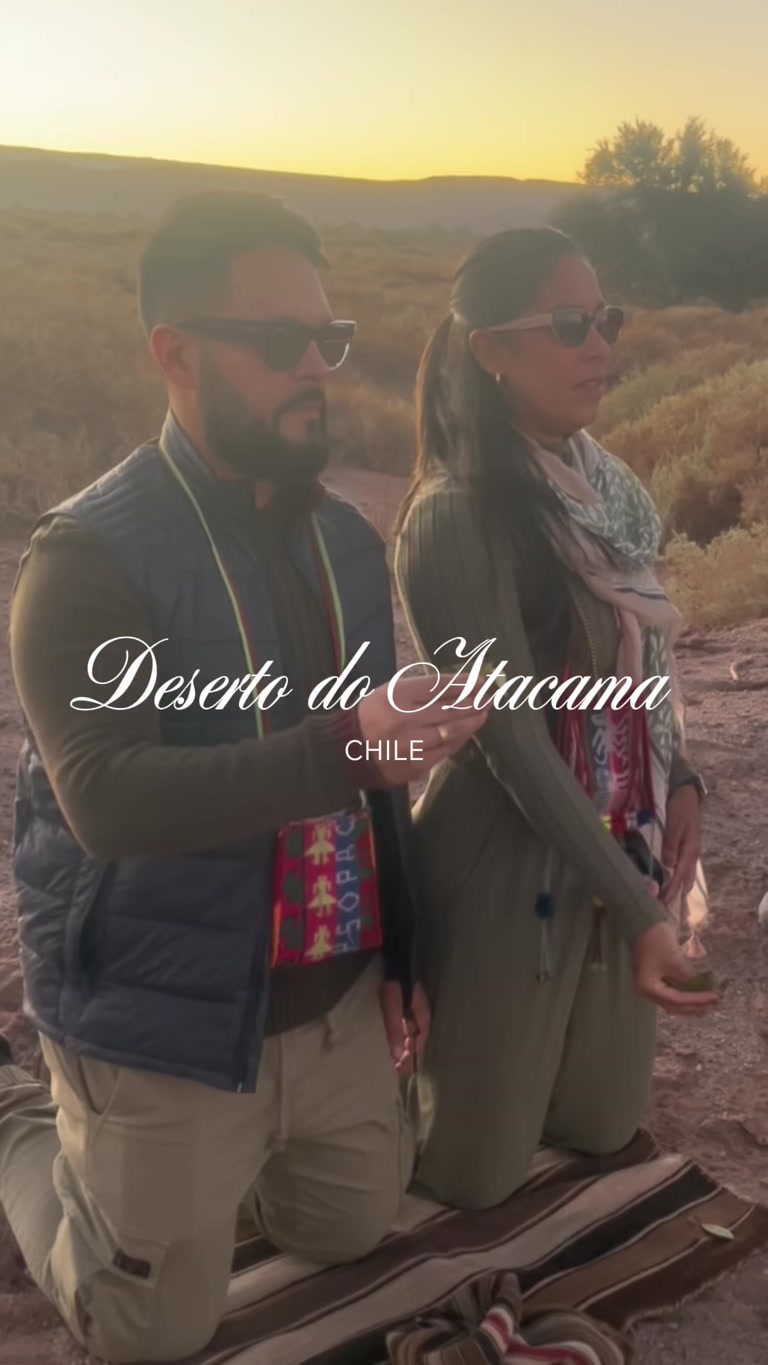
Altitude sickness is real in the Atacama. San Pedro sits at 2,400 meters and Geysers del Tatio at 4,320 meters. Drink coca tea, hydrate aggressively, and avoid alcohol your first day. If you get a severe headache or nausea, descend immediately.

โš ๏ธ

Patagonian weather changes every 20 minutes. Sun, rain, hail, and gale-force wind can all happen in a single afternoon. Layer everything and always carry a windproof shell, even on blue-sky mornings.

โš ๏ธ

Torres del Paine requires advance booking for campsites and refugios - sometimes months ahead for peak season (December - February). The W Trek circuit is regulated and you cannot camp outside designated sites.

โš ๏ธ

Carry Chilean pesos. Many small towns, park entrances, and rural restaurants don't accept credit cards. ATMs exist in Santiago, Valparaiso, San Pedro, and Puerto Natales but can run out of cash on busy weekends.

Best Time to Go

Best
November - March: Chilean summer. Patagonia trails open, longest daylight hours, warmest temperatures (still expect cold nights in Torres del Paine). Book accommodation far in advance for December - February.
Great
March - May: Fall colors in Patagonia, fewer crowds, lower prices. Some refugios close in late April. Atacama is perfect year-round so no downside there.
Great
September - November: Spring wildflowers in the central valley. Patagonia is opening up but still has snow on passes. Good shoulder-season pricing.
Fair
June - August: Chilean winter. Santiago and wine country are mild but rainy. Torres del Paine trails are largely closed. Atacama is cold at night but has the clearest skies for stargazing.

Getting Around

Internal Flights

LATAM and Sky Airline connect all major cities

Santiago to Calama: ~$60-150 one way

Santiago to Punta Arenas: ~$80-200 one way

Book 4-6 weeks ahead for best fares

Car Rental

Recommended for Atacama and Patagonia legs

4WD not required but helpful for desert backroads

Rent in Calama or Punta Arenas, return in same city

Gas stations are sparse in Patagonia - fill up at every opportunity

Preparation

What to Pack

Windproof hardshell jacket
Patagonia's wind is no joke - gusts regularly exceed 100 km/h on exposed ridges. A softshell won't cut it. Gore-Tex or equivalent is essential.
Merino base layers
Temperature swings from -10C at Tatio geysers to 30C in Santiago. Merino regulates body temperature and doesn't stink after multiple days.
Trekking poles
The boulder field on the Torres base hike is brutal on knees. Poles save your joints and add stability on scree and wet rock.
High SPF sunscreen + lip balm
UV radiation in the Atacama and Patagonia is extreme due to altitude and thin ozone layer. Reapply every 2 hours, even on cloudy days.
Refillable water bottle with filter
Stream water in Torres del Paine is glacial and generally safe, but a filter gives peace of mind. In Atacama, you'll need to carry all your water.
Warm hat and gloves
For Geysers del Tatio pre-dawn visits and windy Patagonian ridgelines. Even summer mornings can be bitterly cold.

Ready to Cross Chile from Desert to Glacier?

Plan this exact route with AI-powered cost estimates, creator content at every stop, altitude alerts, and one-tap navigation handoff.