Bogota - Villa de Leyva - Santa Marta - Tayrona - Cartagena - Leticia (Amazon). From the cool highlands of Bogota to the Caribbean coast, through colonial towns, jungle-framed beaches, and deep into the Amazon. Twelve days across the most diverse country in South America.
Colombia is the country that everyone who goes says the same thing about: "It's nothing like what I expected." The reality is a place with more biodiversity per square kilometer than almost anywhere on earth, a food scene that rivals Mexico and Peru, colonial architecture that puts most of Europe to shame, and people so genuinely welcoming it almost feels like a national sport.
This route is designed to show Colombia's range. You start in the cool Andean highlands of Bogota - museums, street art, and the best coffee you've ever had. Then you drop to the Caribbean coast where the temperature and the music both turn up. Tayrona National Park puts you on jungle-framed beaches that feel like they shouldn't exist. Cartagena's walled city is 400 years of history painted in every color. And then you fly to the Amazon - an entirely different world.
The value proposition is remarkable. Colombia is significantly cheaper than Brazil, Argentina, or Chile. A boutique hotel in Cartagena's old city costs what a chain hotel costs in Miami. A full-course meal with drinks at a good restaurant runs $15-25. The domestic flight to the Amazon is $80-120 one way. You can do this entire trip in comfort for under $2,000.
Safety has improved dramatically. The Colombia of Netflix dramas is not the Colombia of 2026. The tourist corridors on this route - Bogota, Cartagena, Santa Marta, and established Amazon lodges - are well-traveled, well-policed, and welcoming. Use normal urban street smarts and you'll be fine.
This trip uses domestic flights for the big jumps (Bogota to Santa Marta, Cartagena to Leticia) and buses for shorter distances. Avianca, LATAM, and Viva Air run frequent domestic routes. Book 2-3 weeks ahead for the best fares. Long-distance buses are comfortable and cheap - look for Bolivariano or Expreso Brasilia for premium service.
12 days from Andean highlands to Caribbean coast to the Amazon - three completely different worlds.
Bogota's colonial heart. Cobblestone streets lined with street art, centuries-old churches, and university buildings. Take a free walking tour (tip-based) to understand the history behind the graffiti. Plaza Bolivar is the center - the cathedral, congress, and justice palace all face it. Altitude is 2,640m - take it slow on day one.
Take the cable car or funicular to the top of Cerro de Monserrate (3,152m) for a full panoramic view of Bogota spreading across the savanna below. The church at the summit is a pilgrimage site. Go on a clear morning for the best visibility. Sunday is popular with locals - great atmosphere but crowded.
Over 55,000 pre-Columbian gold artifacts. The darkened room on the top floor - where they illuminate the gold collection piece by piece - is one of the best museum experiences in South America. Free on Sundays but packed. Weekday mornings are ideal.
A beautiful colonial neighborhood in the north of Bogota. The Sunday flea market fills the cobblestone streets with artisan crafts, vintage finds, and street food. Try empanadas, obleas (thin wafers with arequipe), and fresh fruit juices. The permanent restaurants here are excellent too - Criterion and Abasto are standouts.
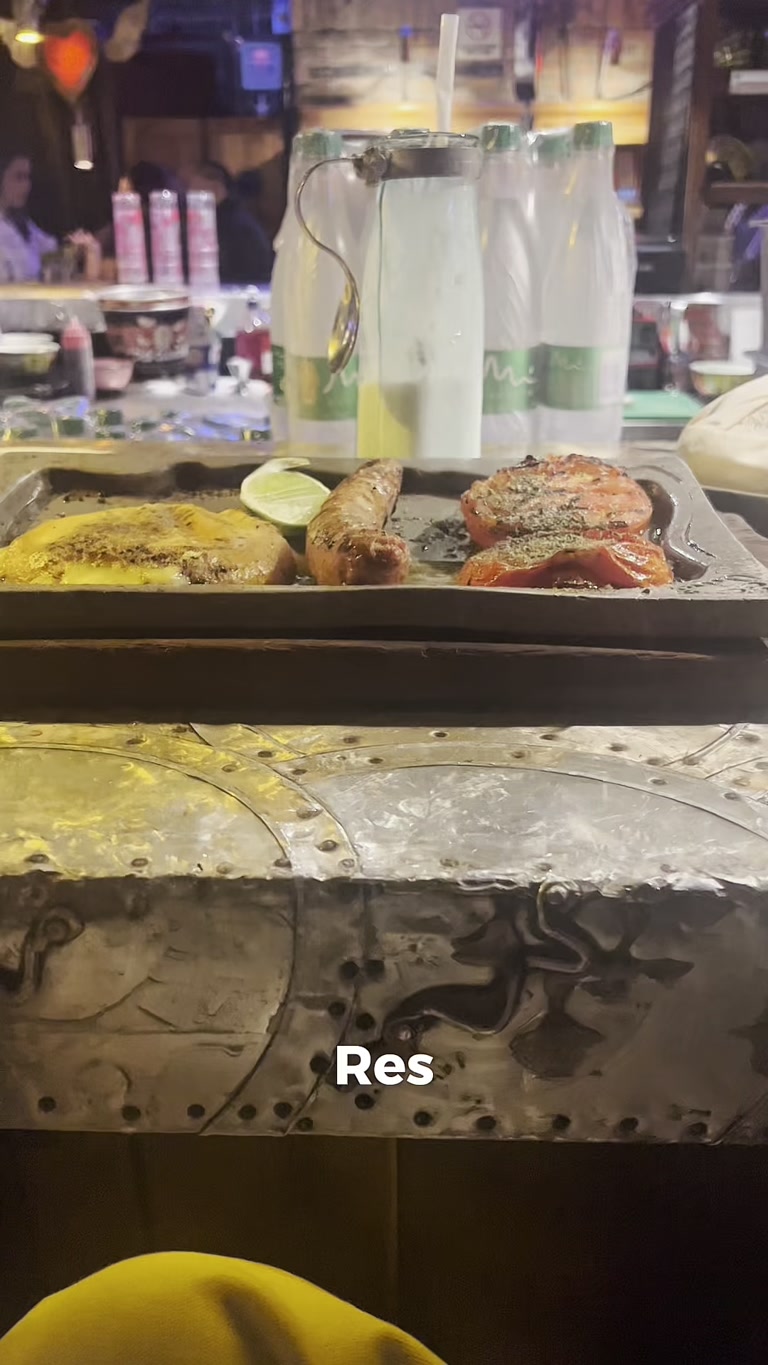
Bogota's main nightlife zone. Bars, clubs, and restaurants packed into a pedestrian-friendly area. Colombians go out late - nothing starts before 10pm. Try aguardiente (anise liqueur) - it's the national drink. Andres Carne de Res in Chia (30 min outside the city) is the most famous restaurant/club in Colombia - chaotic, colorful, and enormous.
“Eclectic eats and vibrant vibes at a local market in Bogota.”
Ajiaco is Bogota's signature dish - a creamy chicken soup with three types of potatoes, corn, capers, and avocado. Try it at La Puerta Falsa (open since 1816) or Misia. For modern Colombian cuisine, Leo (by chef Leonor Espinosa) has a Michelin-level tasting menu at a fraction of European prices.
One of the largest town squares in South America - 14,000 square meters of cobblestone surrounded by whitewashed colonial buildings. It has barely changed since the 1600s. Sit at a cafe on the edge, order a tinto (black coffee), and watch the town go by. Weekend afternoons have the best energy.
Turquoise mineral pools in the desert landscape outside town. The blue color comes from dissolved minerals - it looks almost artificial. Swimming is allowed in some pools. Bring your own snacks - the on-site food is limited. A short taxi ride from the center.
A 120-million-year-old kronosaurus fossil - a massive marine reptile found in the hills nearby. The museum is small but the fossil is impressive. Combined with the surrounding desert landscape, it feels like stepping back in geological time.
Villa de Leyva has a surprisingly good craft drink scene. Ain Karim vineyard produces Colombian wine (yes, it exists). Several microbreweries have opened in the last few years. The town is small enough to walk between them all in an evening.
Restaurante Casa Quintero for traditional Boyacense cuisine - carne oreada (dried meat), longaniza sausage, and fig desserts. Mercado Municipal for cheap set lunches. La Tienda de Teresa for empanadas and hot chocolate with cheese (a Colombian tradition - you dip the cheese in the chocolate).
A small mountain village 45 minutes above Santa Marta in the Sierra Nevada. Coffee farms, swimming holes, and bird watching. Visit a working coffee finca (farm) to see the bean-to-cup process - the altitude and microclimate produce excellent beans. Pozo Azul swimming hole is a 20-minute walk from town. The views from Casa Elemento (a hostel with a giant hammock) are extraordinary.
South America's oldest surviving city, founded in 1525. The Parque de los Novios square is lined with restaurants and bars - the social hub after dark. The cathedral holds Simon Bolivar's temporary tomb. Walk to the Malecon (boardwalk) for sunset views over the Caribbean and the Sierra Nevada mountains behind the city.
The city beach (El Rodadero) is fine but crowded. For better water, take a 30-minute boat ride to Playa Blanca - calm, clear, with beachside seafood shacks. Taganga, the old fishing village, has great diving outfits if you want to explore the reefs.
The Ciudad Perdida (Lost City) trek is Colombia's most famous hike - 4 to 6 days through jungle to a 1,200-year-old indigenous city. It predates Machu Picchu by 650 years. Only accessible by guided tour. Book with an authorized operator in Santa Marta. Not for this itinerary timeline, but worth extending the trip for.
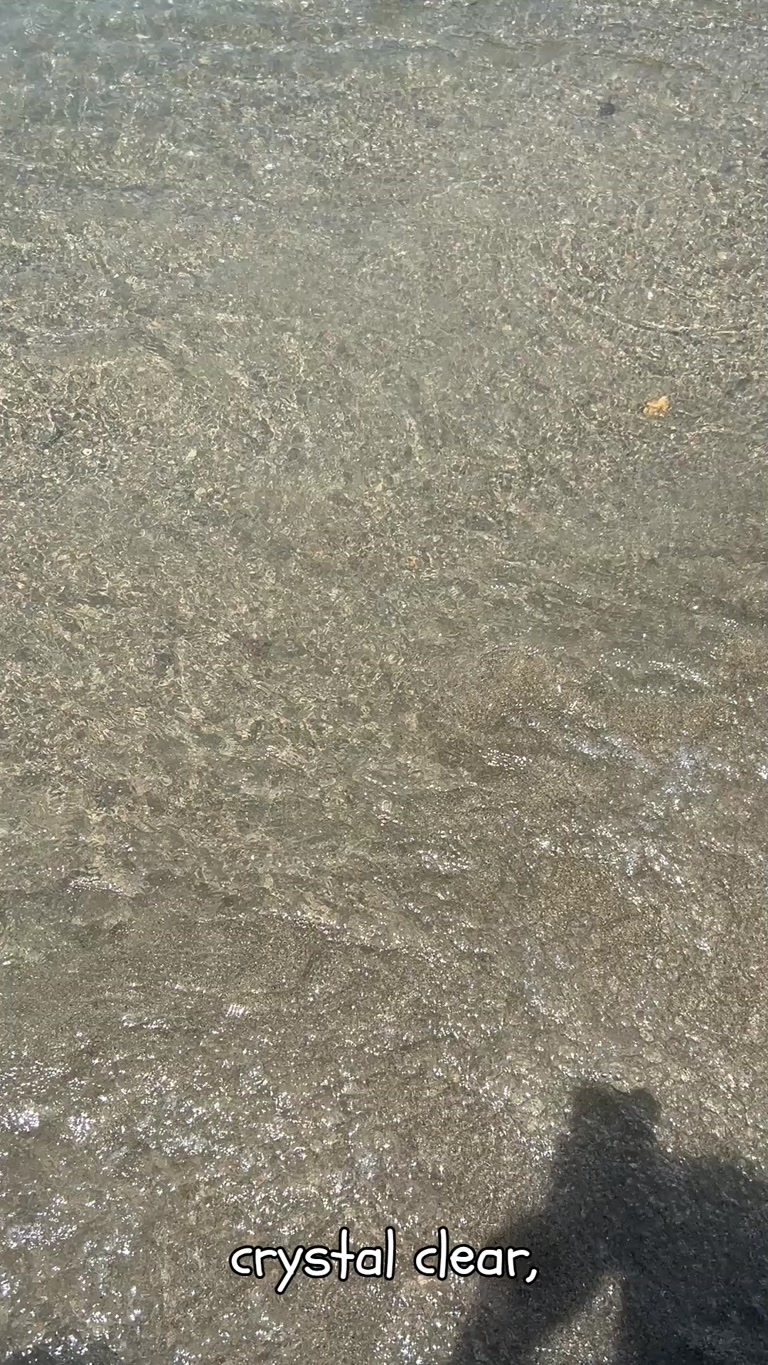
“Relaxing at Playa Inca Inca with crystal clear waters and natural shade.”
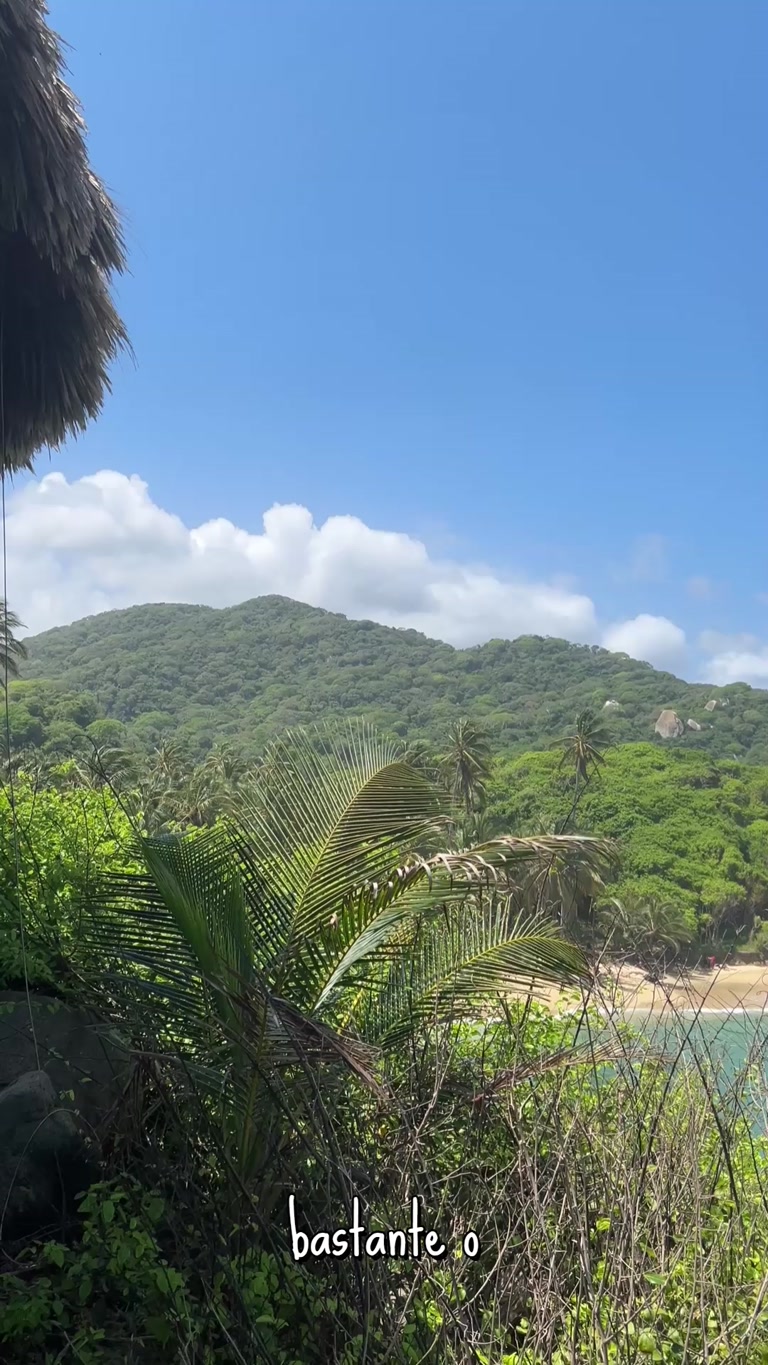
“Lush jungle meets turquoise sea in Tayrona National Park.”
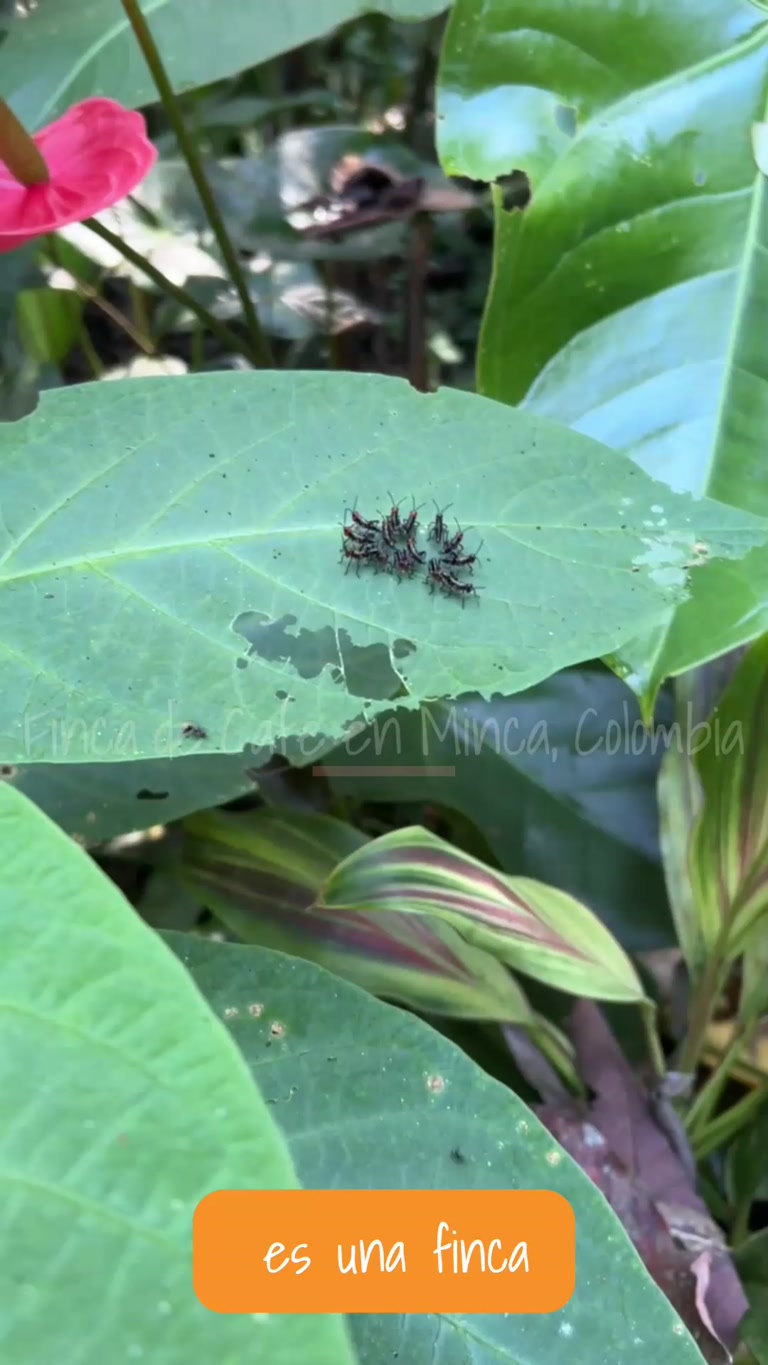
“Exploring the lush nature of a coffee farm in Minca.”
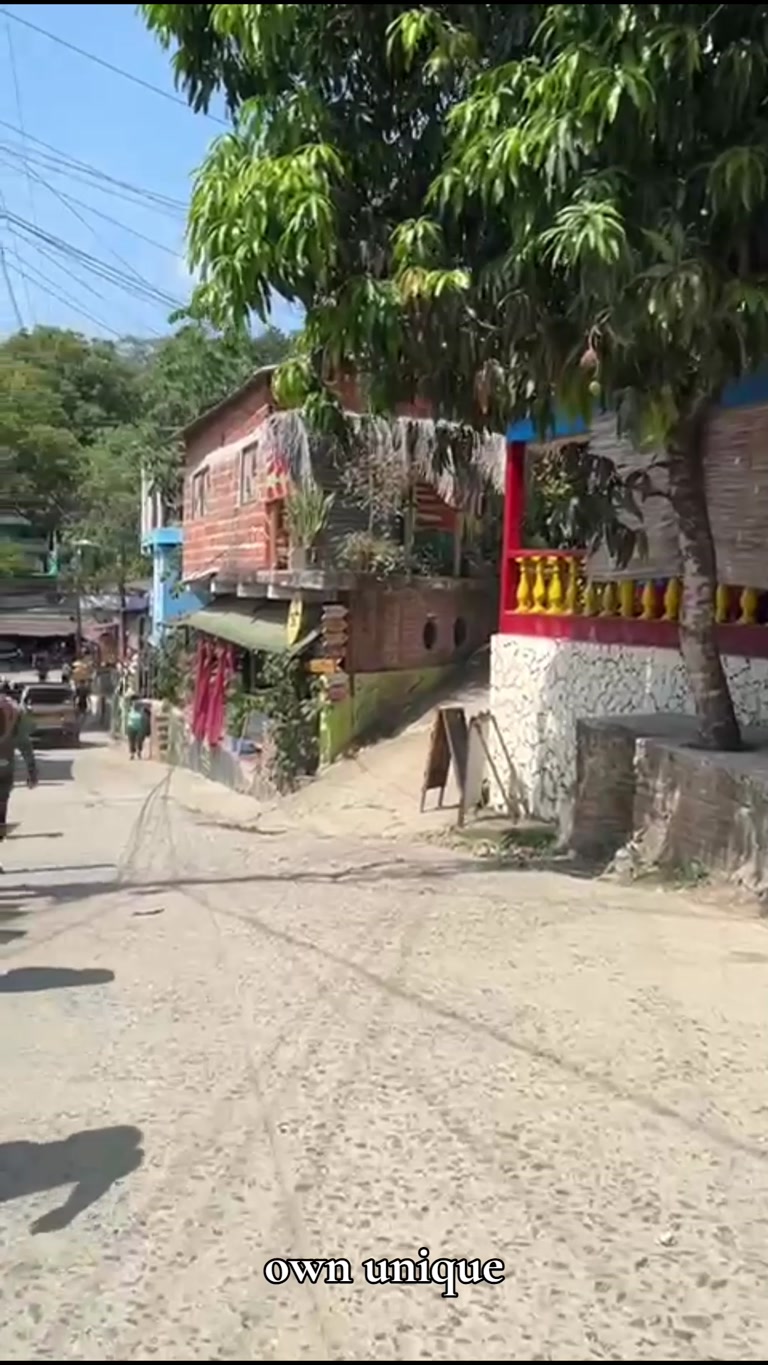
“Exploring the colorful streets of Minca, Colombia.”
Santa Marta's seafood is fresh and cheap. Try ceviche de camaron (shrimp ceviche) from a street vendor on the Malecon. Lulo Cafe for modern brunch. In Minca, Lazy Cat for international food or eat at any coffee farm - most serve simple Colombian meals with ingredients from their own gardens.
The iconic Tayrona beach - a crescent of sand between two massive boulders with jungle-covered hills behind. Reach it via a 2-hour hike from the main entrance (Canaveral) or a shorter walk from the Arrecifes entrance. Camp in a hammock on the cliff ($15/night) or in a tent on the beach. The sunset from the clifftop hammock camp is the kind of view you remember for decades.
The main trail through Tayrona passes through dense tropical forest with monkeys, iguanas, and exotic birds overhead. The trail is well-marked but muddy after rain - proper shoes help. Bring water and snacks - there are a few food stalls along the way but selection is limited.
A 15-minute walk from Arrecifes. One of the few swimmable beaches in Tayrona - most others have dangerous currents. The rock formation creates a natural calm pool. Less crowded than Cabo San Juan and excellent for snorkeling near the rocks.
A steep hike from Cabo San Juan leads to an ancient Tayrona indigenous settlement - stone terraces carved into the mountainside. The hike is challenging (1.5 hours up) but the ruins surrounded by jungle are powerful. Far fewer visitors than the beaches. Bring water - there's no shade on exposed sections.
Food inside Tayrona is basic and overpriced - rice, beans, fish, and fried plantains. Bring snacks, fruit, and water from Santa Marta. The beachside restaurants at Cabo San Juan serve fresh fish and coconut rice. Outside the park, the restaurants along the highway at Calabazo serve solid local food at fair prices.
Walk the cobblestone streets inside the 400-year-old walls. Bougainvillea spills from iron balconies, street musicians play cumbia, and every corner reveals a different color palette. Get lost on purpose - the city is small enough that you'll always find your way back. Plaza Santo Domingo for people watching, Plaza de la Trinidad in Getsemani for the local vibe.
Just outside the walled city, Getsemani is where the creative energy lives. Street art murals cover entire buildings. Cafe Havana plays live salsa every night - arrive by 10pm to get a table. Plaza de la Trinidad fills up after dark with locals, street food, and impromptu dancing. This is the real Cartagena.
A 45-minute boat ride to an archipelago of small islands with clear water and coral reefs. Isla Baru and Playa Blanca are the most accessible. Snorkeling, seafood lunch on the beach, and hammock time. Book a boat from the Muelle Turistico (tourist dock) - prices are negotiable, especially in the afternoon.
The largest Spanish colonial fortress in the Americas. Walk the underground tunnels, designed so that a whisper at one end carries to the other - used for detecting enemy sappers. The views from the top cover the entire city. Go in the late afternoon when the heat drops and the light is golden.
Cocktails on top of the city wall watching the sun drop into the Caribbean. It's touristy and drinks are overpriced, but the view is genuinely one of the best sunset spots in South America. Arrive 30 minutes before sunset to get a good seat.
La Cevicheria (made famous by Anthony Bourdain) for seafood. Celele for modern Colombian fine dining. In Getsemani, eat at the street stalls around Plaza de la Trinidad - arepas de huevo (egg-stuffed corn cakes), empanadas, and fresh fruit. The Bazurto Market is raw and chaotic - not for everyone, but the food is authentic and cheap.
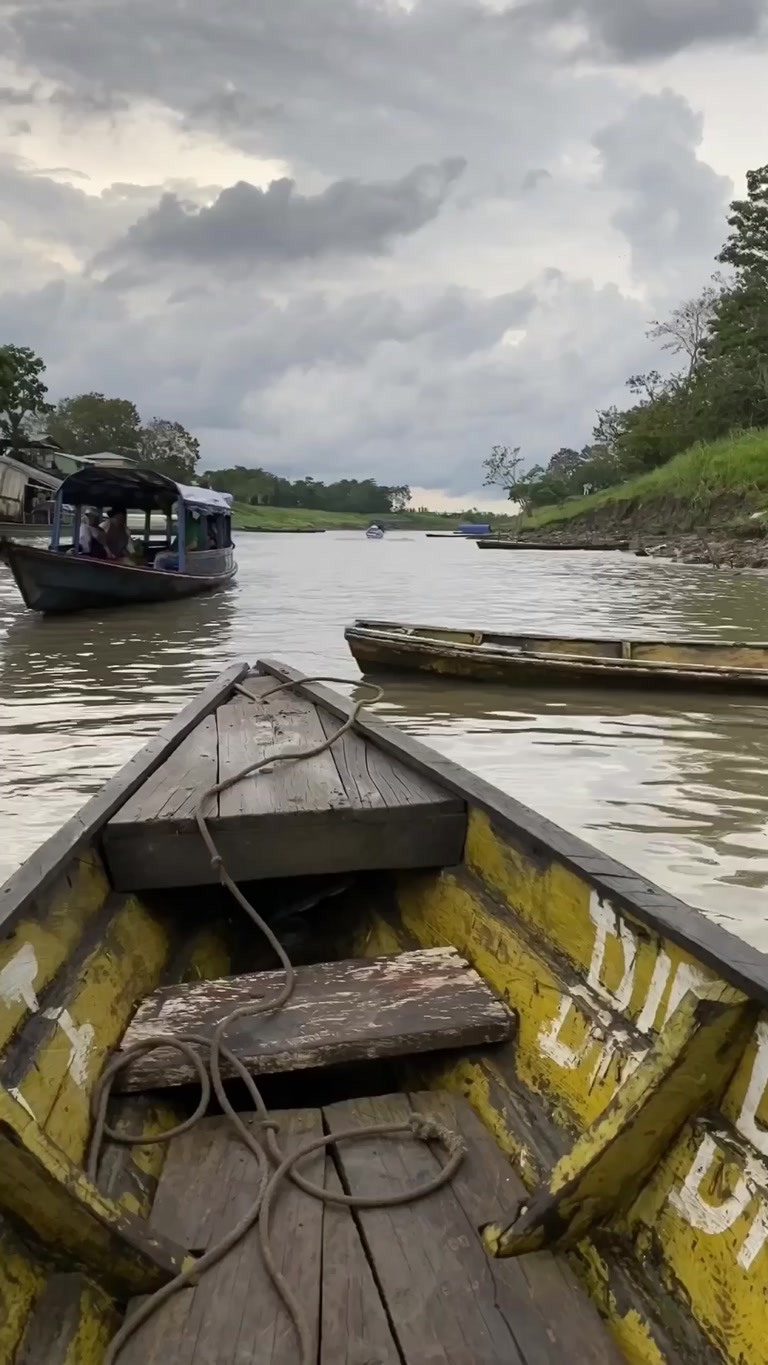
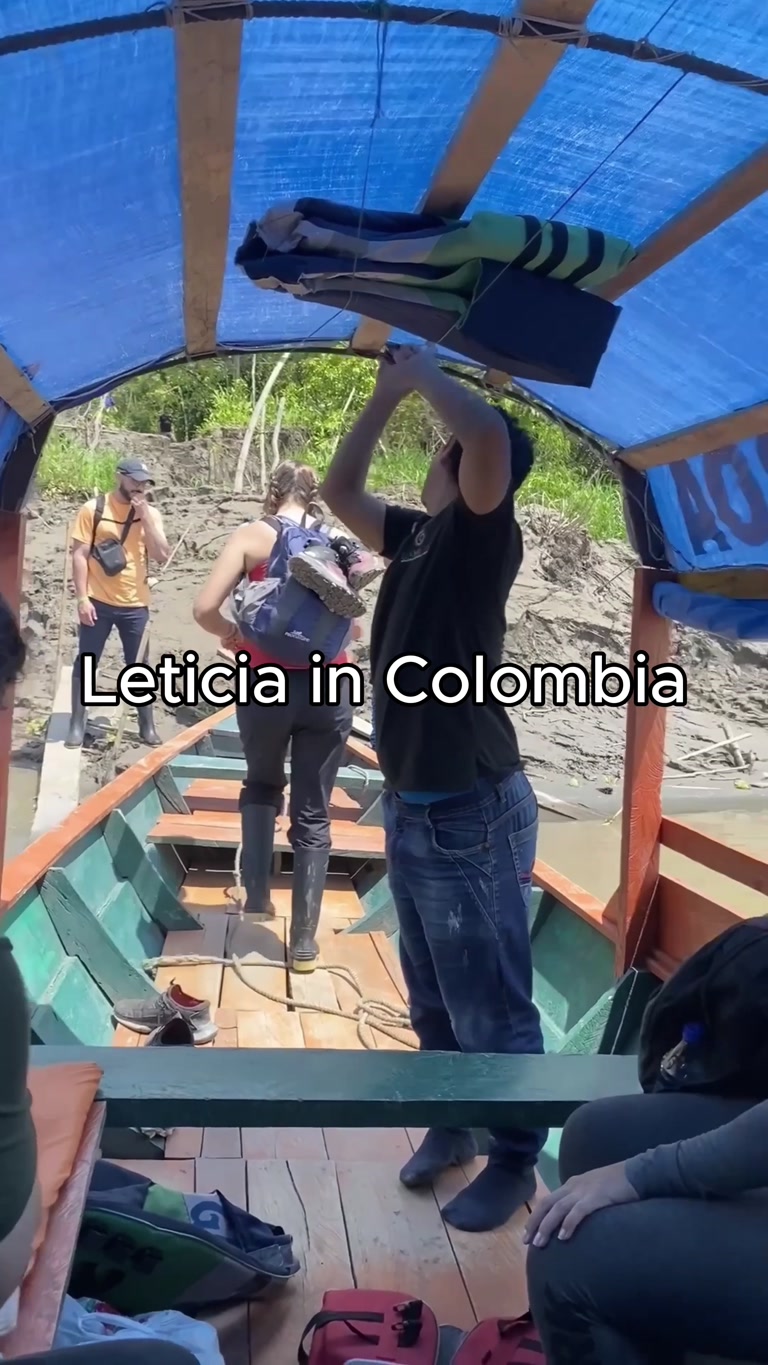
Board a wooden boat and cruise the Amazon River to the three-country border point (Colombia, Brazil, Peru). Pink river dolphins surface alongside the boat. Stop at indigenous communities along the river. The scale of the river is hard to grasp until you're on it - at points it's wider than you can see across.
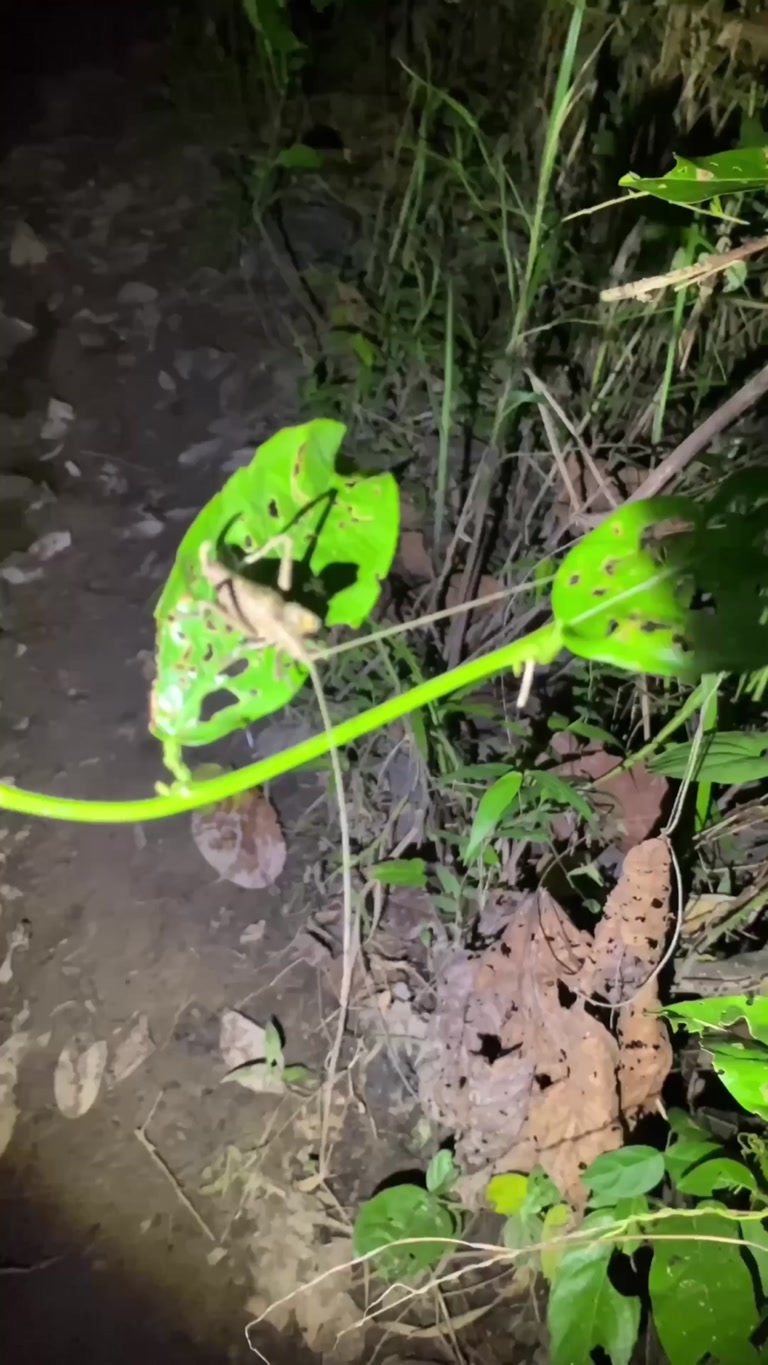
The Amazon comes alive after dark. A guided night walk through the jungle reveals tarantulas, tree frogs, bioluminescent fungi, and the sounds of thousands of insects. Headlamps are provided. Rubber boots are essential - the jungle floor is muddy. Not for the squeamish, but deeply memorable.
Visit a Tikuna or Yagua community along the river. Learn about traditional medicine, hunting techniques, and jungle survival skills. Buy handmade crafts directly from the artisans - fair trade and the money goes directly to the community. Always go with a local guide who has an established relationship.
A small island on the Amazon where squirrel monkeys roam freely. They'll climb on you - keep valuables secure and pockets zipped. It's a tourist attraction, so manage expectations, but the monkeys are entertaining and the setting on the river is beautiful.
Walk across the border to Tabatinga, Brazil - no passport stamp needed. The triple frontier marker where Colombia, Brazil, and Peru meet is on the river. Buy Brazilian snacks, visit the Tabatinga market, and eat acai bowls on the Brazilian side.
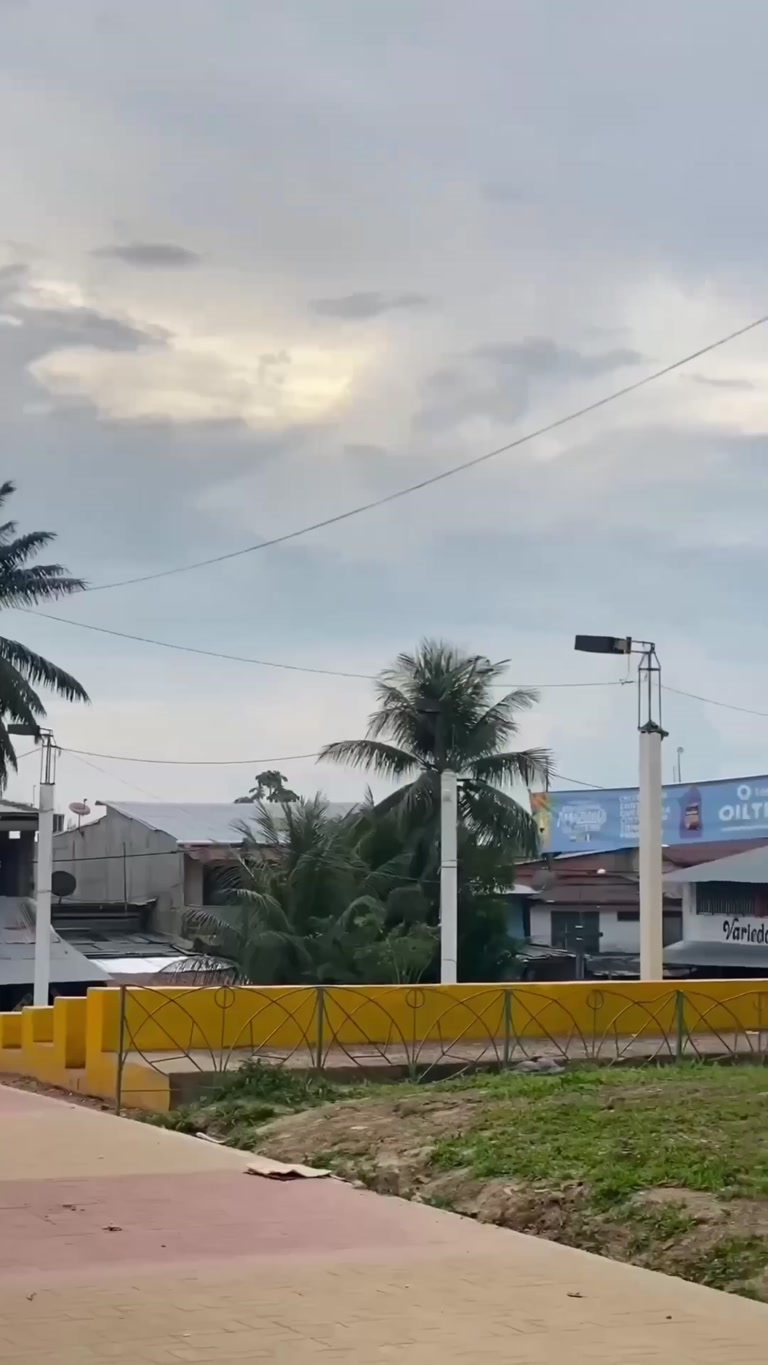
“Exploring the biodiversity of the Amazon in Leticia, Colombia.”
“Exploring the Amazon River by wooden boat.”
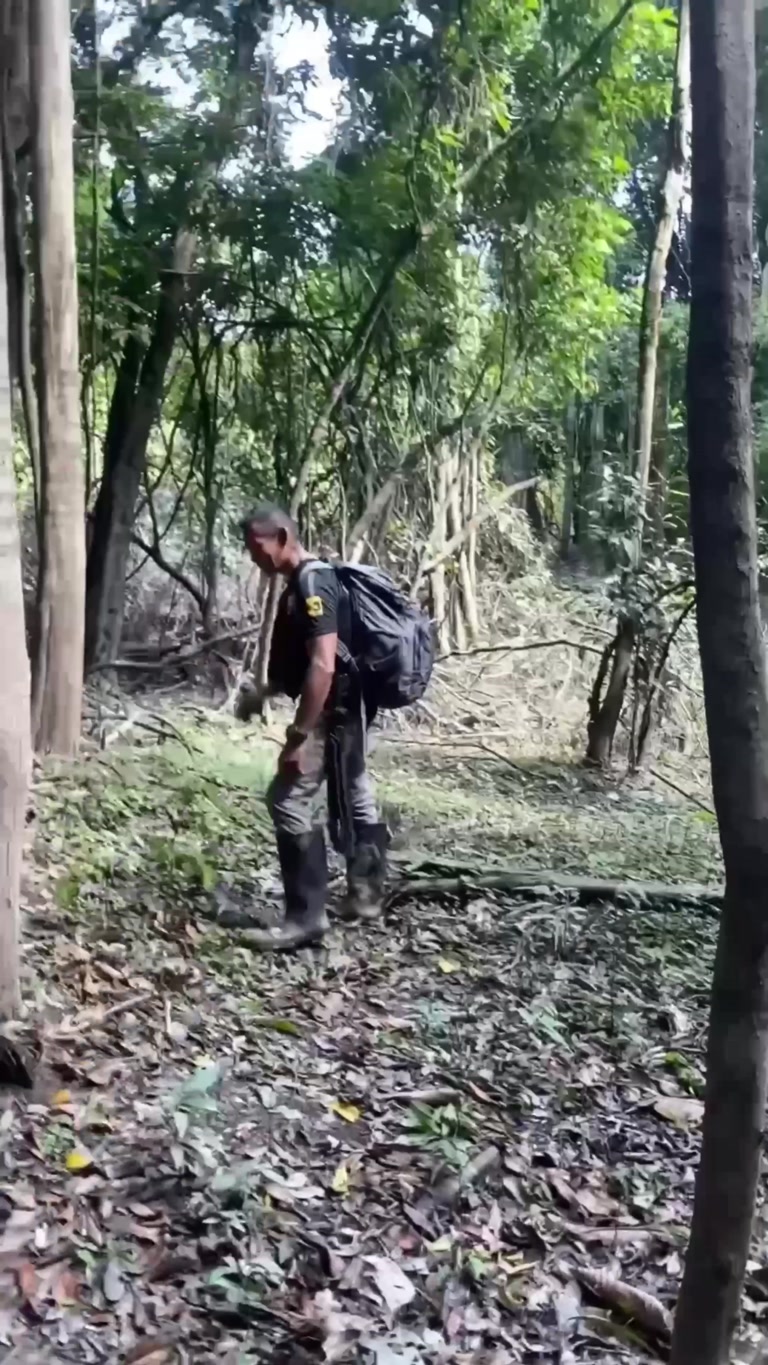
“Exploring deep in the jungle on a rugged adventure.”
“Exploring the Amazon by boat and discovering ancient trees in Leticia.”
“Nighttime jungle walk reveals fascinating insect life.”
Amazon cuisine is unlike anything else in Colombia. Try piraruku (massive Amazonian fish), grilled on a wood fire. Acai bowls are everywhere - the berries are harvested locally. Tucupi (a fermented cassava sauce) flavors many local dishes. El Cielo Amazonico has good river fish. Street stalls sell juane (rice wrapped in bijao leaf).
Get real-time domestic flight prices, creator content at every stop, safety scores, weather forecasts, and one-tap navigation handoff to Google Maps or Apple Maps.
Plan in Tourific
Real costs for 12 days in Colombia. Exceptional value at every budget level.
Colombia offers extraordinary value. The Colombian peso has been favorable for USD, EUR, and GBP holders. A meal that would cost $40 in a US city costs $12-18 here at comparable quality. Domestic flights are the biggest variable - book early for the best rates, especially the Bogota to Leticia route. The Tourific app tracks real-time pricing.
Get exact estimate in appColombia rewards prepared travelers. These tips cover safety, health, altitude, and the cultural nuances that make the trip better.
Colombia has transformed dramatically in the last 20 years, but street smarts still matter. Don't flash expensive phones or cameras in crowded areas. Use Uber or DiDi instead of hailing random taxis. Keep a copy of your passport - police can ask for ID at any time.
Bogota is at 2,640 meters - altitude sickness is real. Take it easy on day one, drink coca tea (legal and effective), hydrate aggressively, and avoid alcohol for the first 24 hours. The symptoms (headache, shortness of breath) usually pass by day two.
Learn basic Spanish. Outside major tourist zones, English is limited. Even a few phrases go a long way - Colombians are incredibly warm and will help you if you try. Google Translate's camera mode works great for menus and signs.
Cash is still king in smaller towns, markets, and local restaurants. ATMs (called cajeros) are widely available in cities. Withdraw from bank-attached ATMs, not standalone machines in shops. Notify your bank before traveling - Colombia triggers fraud alerts.
Don't drink tap water outside major hotels. Bottled water is cheap and available everywhere. Street food is generally safe at busy stalls - high turnover means fresh food. Fruit juices are incredible but ask for 'sin hielo' (without ice) if you're cautious.
1 USD = ~4,200 COP (check current rate)
Large denominations - a $10 meal is ~42,000 COP
ATMs give max ~800,000 COP per withdrawal (~$190)
Cards accepted in cities, cash needed in small towns and Tayrona
Buy a Claro or Movistar SIM at Bogota airport (~$10 for 10GB)
4G coverage is good in cities, limited in Tayrona and the Amazon
Download offline maps for Tayrona, Minca, and Leticia
WhatsApp is the primary communication app - restaurants, hotels, and tour operators use it
Plan this exact route with AI-powered cost estimates, creator content at every stop, safety scores, and one-tap navigation handoff.