San Jose โ Arenal/La Fortuna โ Monteverde โ Manuel Antonio/Quepos. Drive from the Central Valley through volcanic hot springs, misty cloud forests, and down to the Pacific coast. Ten days of volcanoes, wildlife, rainforest, and beaches in one of the most biodiverse countries on earth. Pura vida.
Costa Rica packs an absurd amount of biodiversity into a country smaller than West Virginia. This route threads through three completely different ecosystems - volcanic highlands, cloud forest, and Pacific coast - each with its own wildlife, climate, and personality. You'll go from soaking in volcanic hot springs under the stars to ziplining over a cloud forest canopy to watching monkeys steal tourists' lunches on a white sand beach, all in ten days.
What makes Costa Rica special for road trippers is the density of experiences per kilometer. The drives between stops are short (2-4 hours), but the terrain changes dramatically. One hour you're climbing through misty mountain switchbacks, the next you're descending into tropical lowlands with scarlet macaws flying overhead. The unpaved roads and river crossings mean a 4x4 isn't just recommended - it's required for the La Fortuna to Monteverde leg.
Costa Rica isn't the cheapest country in Central America - it knows what it has and charges accordingly. But the infrastructure for tourism is excellent: guides are professional and speak English, national parks are well-maintained, and the "eco-lodge" concept was essentially invented here. You can do this trip on $40/day staying in hostels and eating at sodas (local diners), or $500/day at luxury eco-resorts with private guides. Either way, the wildlife doesn't care how much you paid.
The country abolished its military in 1948 and redirected that budget to education and conservation. 25% of the country is protected land. The result is a place where you can see more wildlife in a casual morning walk than most people see on an expensive safari. Sloths, toucans, monkeys, frogs, and hummingbirds aren't rare sightings - they're your daily companions.
This trip requires a 4x4 vehicle. The road from La Fortuna to Monteverde (Route 142/606) includes unpaved sections, steep grades, and seasonal river crossings. Many rental agencies void insurance on 2WD vehicles that attempt this route. Book through Adobe, National, or Vamos - all have solid reputations. Full insurance (zero deductible) costs $15-25/day extra but is worth every colon.
10 days from the Central Valley to the Pacific coast. Volcanoes, cloud forests, crocodiles, and beaches.
San Jose's 140-year-old central market is a sensory overload in the best way. Stall after stall of casados (rice, beans, plantain, meat), fresh tropical fruit you've never heard of, and the best coffee in the country for under $1. Eat at a soda (local diner) inside the market - Soda Tapia is legendary. Go before 11am to avoid crowds.
Housed in the old Bellavista Fortress - you can still see bullet holes from the 1948 civil war. The pre-Columbian gold collection is remarkable, and the butterfly garden on the roof terrace is a peaceful escape from the city. Free on Sundays.
Costa Rica's Central Valley produces some of the world's best arabica coffee. Doka Estate or Britt Coffee Tour are both within 30 minutes of downtown. You'll learn why Costa Rican coffee is special (volcanic soil, altitude, hand-picking), and the tasting at the end will ruin all other coffee for you forever.
San Jose's gastronomic district. Walk the Paseo Gastronomico for craft cocktails, fusion restaurants, and the best nightlife in the city. Franco is outstanding for upscale Costa Rican cuisine. The neighborhood is safe, walkable, and full of locals.
โWalking through San Jose's Mercado Central - incredible casados and fresh fruit!โ
Eat a casado at Mercado Central for under $5 - it's the national meal and you'll get rice, black beans, plantain, salad, and your choice of meat. For dinner, Barrio Escalante has everything from $8 fusion bowls to $50 tasting menus. Don't leave San Jose without trying a batido (fresh fruit smoothie).
The volcano hasn't erupted since 2010, but the landscape is still dramatic. Arenal 1968 trail takes you across actual lava flows from the '68 eruption - black rock with new growth pushing through. Arenal Volcano National Park has easier trails with remarkable viewpoints. Morning hikes have clearer skies; clouds roll in by afternoon.
Volcanic-heated thermal rivers are Arenal's signature experience. Tabacon is the luxury option ($99+) with swim-up bars and manicured gardens. Baldi is the party spot with waterslides. The free option: Rio Chollin, a natural hot river you can find by asking any local. Best at night when the steam rises into the stars.
Fifteen bridges suspended through the rainforest canopy, some over 150 feet above the ground. This is where you'll see toucans, howler monkeys, and possibly sloths at eye level. Go with a guide - they spot wildlife you'd walk right past. Early morning (6:30am tour) has the best animal activity.
A 70-meter waterfall crashing into a turquoise pool surrounded by jungle. The catch: 530 concrete steps down (and back up). The pool is swimmable and worth every step. Go early morning to have it nearly to yourself. Bring water for the climb back. Your legs will hate you the next day.
The Pacuare River is consistently rated one of the top 5 rafting rivers in the world. Class III-IV rapids through a pristine jungle canyon - howler monkeys screaming from the banks, waterfalls pouring off the cliffs. Book a full-day trip that includes the 2-hour drive, lunch on the riverbank, and Class III-IV sections. You don't need experience.
Guided night hikes reveal a completely different jungle. Kinkajous, night monkeys, sleeping toucans, venomous snakes (safely spotted), and bioluminescent fungi. The guides carry UV flashlights that make scorpions glow neon green. Genuinely one of the most memorable experiences in Costa Rica.
โArenal Volcano at sunset - the most dramatic silhouette in Costa Ricaโ
โHanging bridges walk through the Arenal rainforest canopy. Toucans everywhere!โ
โWhite-water rafting the Pacuare River - Class III-IV rapids through pristine jungleโ
โNatural hot springs at night with Arenal glowing in the background. Pure magic.โ
โLa Fortuna Waterfall - 70 meters of pure power. The 500 steps back up are no joke!โ
โLava trail hike on Arenal - walking on 1968 eruption flows with new growth coming throughโ
Soda Viquez in La Fortuna town serves enormous casados for $5. Don Rufino is the upscale option - excellent steaks and cocktails with volcano views. For something different, try Chifa La Familia for Costa Rican-Chinese fusion. Street-side empanada stands near the church are the best cheap eats. Fresh coconut water from roadside vendors for $1.
Monteverde invented canopy ziplining, and the original Selvatura or 100% Aventura operations are top-tier. The Superman cable at 100% Aventura is 1.5 km long - you fly prone above the cloud forest canopy. Selvatura also has a hanging bridges circuit and a hummingbird garden. Book the morning slot for clearer skies.
One of the most biodiverse places on earth. 2.5% of the world's biodiversity lives here. The trails are well-maintained but can be muddy - waterproof boots are essential. Hire a guide ($25/person) - they'll show you quetzals, glass frogs, and orchids you'd never find alone. The Resplendent Quetzal is here November through April.
The cloud forest transforms at night. Red-eyed tree frogs, sleeping hummingbirds, tarantulas, vipers, and the bizarre helmet-headed lizard. Guides carry spotlights and know exactly where to look. The Santa Elena night walk has less foot traffic than the main reserve. Book the 5:30pm slot for the transition from day to night.
Monteverde was founded in 1951 by Quakers from Alabama who came to Costa Rica because it had abolished its military. Visit the Monteverde cheese factory (Friends' Meeting House Quakers started it - still makes excellent gouda and monte rico). The town is small, walkable, and has great coffee shops and art galleries. The history adds unexpected depth to the biology.
โZiplining through the Monteverde cloud forest - 1km cable over the canopy!โ
โNight walk in Monteverde - found a red-eyed tree frog, a viper, and a sleeping toucanโ
Morpho's Restaurant for hearty Costa Rican food at fair prices. Treehouse Restaurant is literally built around a massive fig tree - touristy but fun. Orchid Coffee for the best espresso in town. Taco Taco for cheap, excellent Mexican-Costa Rican fusion. The Monteverde cheese factory sells fresh cheese you can eat on the spot.
The bridge over the Rio Tarcoles is one of Costa Rica's most surreal stops. Look over the railing and you'll see 20-30 massive American crocodiles basking on the riverbanks below - some over 15 feet long. Free, no tour needed, just pull over and look down. Don't leave valuables in your car and watch your phone over the railing.
A transition zone between dry and wet forest, making it exceptionally biodiverse. This is the easiest place in Costa Rica to see scarlet macaws in the wild - they fly in pairs at dawn and dusk. The Universal Trail is flat and accessible. The Laguna Meandrica trail is wilder and less crowded. Guide recommended.
After Tarcoles, the road hugs the Pacific coast through Jaco and down to Quepos. The scenery shifts from river valley to palm-lined coastal highway. Jaco is worth a quick lunch stop - the surf town has decent restaurants and a long beach. Skip it for overnight unless you want nightlife - Manuel Antonio is the better base.
Lunch in Jaco at Tsunami Sushi (surprisingly great) or grab a roadside ceviche from one of the stands along the coastal highway. Once in Quepos, hit the fish market for the freshest ceviche in the region. Emilio's Cafe near Manuel Antonio park entrance for a solid dinner with sunset views.
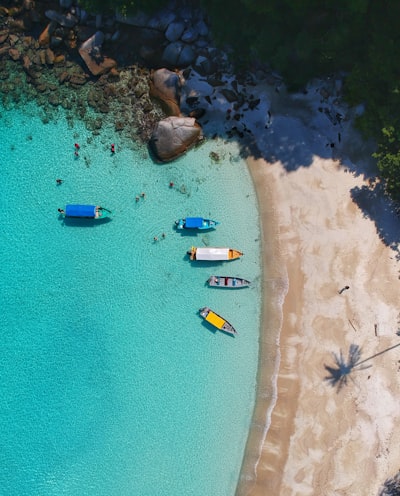
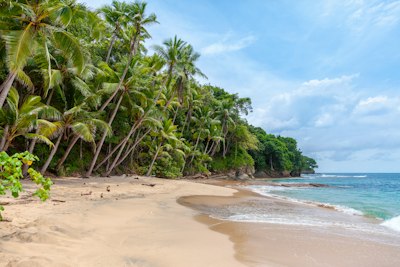
Costa Rica's most visited national park, and for good reason. White-faced capuchin monkeys will approach you on the beach. Sloths hang in the trees along every trail. The beaches inside the park (Playa Manuel Antonio, Playa Espadilla Sur) are postcard-perfect - white sand, warm turquoise water, backed by jungle. Hire a guide with a spotting scope - they'll find sloths and snakes you'd never see. Go at 7am opening to beat tour bus crowds. Closed Tuesdays.
The Quepos marina is the sportfishing capital of Costa Rica. Even if you don't fish, the marina at dawn is electric - boats heading out, fresh catch coming in. Buy ceviche from the fish market vendors for $3-4. The marina boardwalk has restaurants with views of the Pacific. Sunset from here is outstanding.
Book an afternoon catamaran cruise from Quepos marina. Most include snorkeling, open bar, snacks, and a stop at a secluded beach. Dolphins are common. The sunset from the water - with the jungle coastline silhouetted and the sky turning gold and crimson - is the single most photogenic moment of the entire trip. Planet Dolphin and Catamaran Adventuras are both solid operators.
Costa Rica's night tours are genuinely top-tier. Rainmaker Conservation Project does a guided night walk through primary rainforest - glass frogs, red-eyed tree frogs, sleeping toucans, pit vipers, and insects that look like aliens. The guides are trained biologists. The Rainmaker hanging bridges at night add an extra thrill factor.
Paddle through the Damas Island mangrove estuary near Quepos. The narrow channels are home to monkeys, iguanas, caimans, and an absurd number of bird species. Guides navigate the maze of channels - don't try this alone. Morning tours have the best wildlife activity. You'll get close to animals that barely notice kayaks.
A short, steep trail from the main road leads to this tucked-away cove that most tourists miss. Calmer water than the main beaches, great snorkeling off the rocks, and far fewer people. Bring your own food and water - there are no vendors. The snorkeling on the right side of the beach has colorful fish and occasional sea turtles.
Two massive waterfalls hidden in the jungle about 45 minutes from Manuel Antonio. The upper falls are 45 meters, the lower falls have a deep swimming hole. Access by horseback or a 4km hike. The horseback option is more fun and saves your legs. Swimmable pool at the base is refreshing after the trek. Go early - afternoon brings clouds and sometimes rain.
โManuel Antonio National Park - monkeys literally came down to steal our snacks on the beachโ
โSunset sailing from Quepos marina - spotted dolphins, and the sky turned every shade of orangeโ
โThree-toed sloth spotted from the trail! Guide said it was a mom with baby on her backโ
โPlaya Espadilla - the public beach right outside Manuel Antonio. Crystal clear water, zero crowds at 7am.โ
โNight tour in Manuel Antonio - found a glass frog, sleeping toucans, and a boa constrictor!โ
โQuepos fish market at dawn - got ceviche made from the morning catch. Absolutely unreal.โ
โKayaking through mangroves near Quepos - saw monkeys, iguanas, and a crocodile from 10 feet awayโ
El Patio de Cafe Milagro for breakfast - excellent coffee and tropical pancakes. Ronny's Place has the best sunset dinner view in Manuel Antonio (book a table on the terrace). For cheap local food, the sodas in Quepos town serve massive casados for $5-6. El Avion is built inside a C-123 cargo plane from the Iran-Contra era - decent food, incredible setting. Gabriella's is the fine dining option with a creative Costa Rican tasting menu.
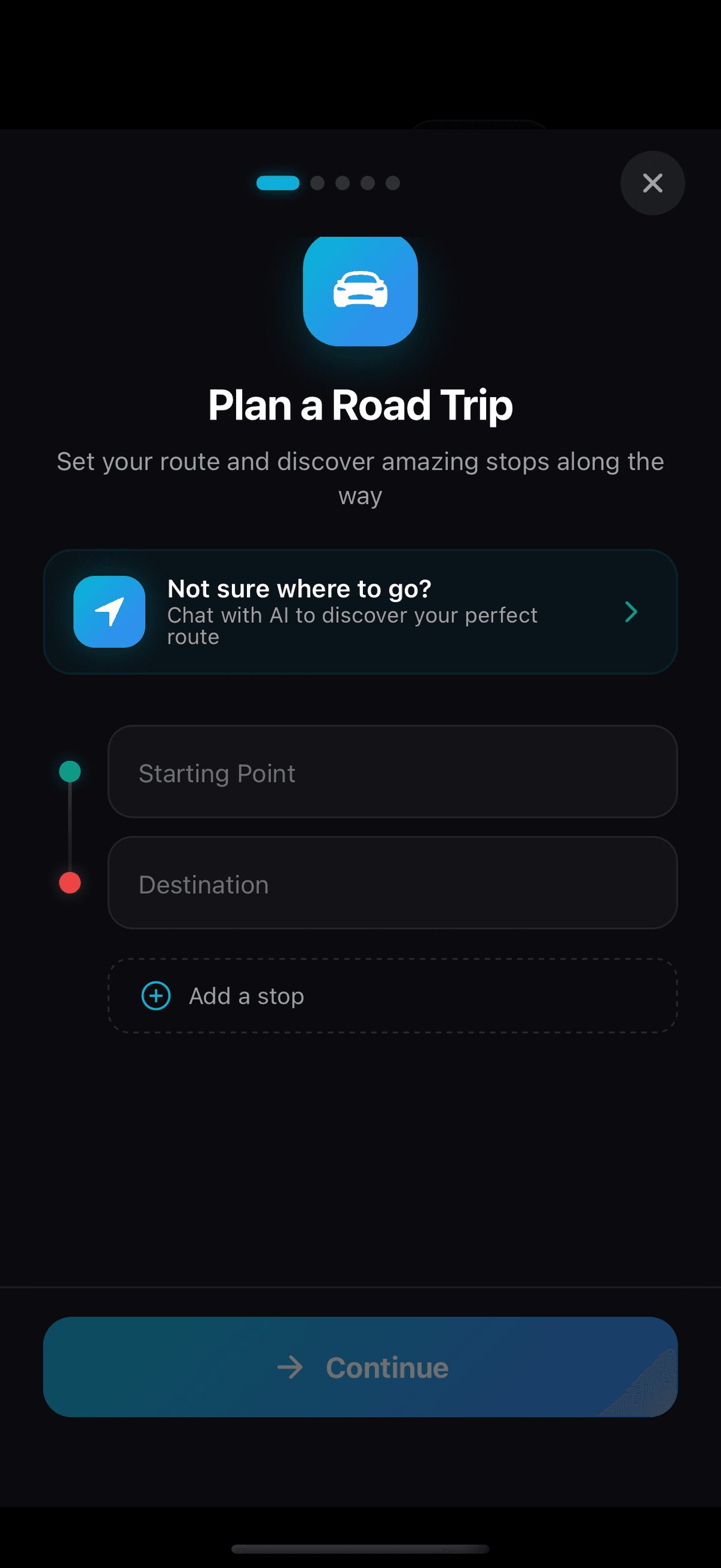
Get real-time road conditions, 4x4 route planning, creator content at every stop, wildlife spotting hotspots, and weather forecasts for each region. One tap to hand off directions in Google Maps or Apple Maps.
Plan in Tourific
Real costs for 10 days in Costa Rica. It's not the cheapest in Central America, but the experiences per dollar are hard to beat.
Costa Rica isn't cheap for Central America - it knows what it has and prices accordingly. But the tourism infrastructure is excellent, guides are top-tier, and the wildlife density means you don't need expensive safaris to see incredible animals. The Tourific app tracks real-time prices for tours, accommodation, and fuel across all regions.
Get exact estimate in appCosta Rica is one of the safest countries in Central America, but smart travel habits make the difference between a good trip and a great one.
Rent a 4x4 - not optional. The road from La Fortuna to Monteverde is partially unpaved with steep grades and occasional river crossings. Many rental agencies void insurance on non-4x4 vehicles that attempt these roads. Check tire condition before departing the lot.
Rainy season runs June through November, but mornings are usually dry with rain hitting mid-afternoon. Plan hikes and outdoor activities for early morning. The 'green season' means lush landscapes, fewer tourists, and lower prices - it's not a bad time to visit.
Don't leave valuables in your car at trailheads, beaches, or the Tarcoles bridge. Break-ins happen. Take everything with you or lock it in the trunk out of sight. Some parks have secure parking for a small fee - use it.
Pura vida is more than a greeting - it's the national attitude. Things move slower here. Buses are late, restaurants don't rush, and nobody honks. Embrace it. Getting frustrated about pace is the fastest way to miss why this country is special.
Colones are the local currency, but US dollars are accepted virtually everywhere. ATMs (cajeros) are widespread. Carry small bills - some rural sodas and roadside stands don't have change for large denominations. Credit cards work at hotels, big restaurants, and tour operators.
Wildlife will steal your food - this is not a joke. White-faced capuchin monkeys in Manuel Antonio are expert thieves. They'll unzip bags, open containers, and snatch food from your hands. Coatis (raccoon-like mammals) are equally brazen. Keep food sealed and bags closed at all times in the parks.
Main highways (Route 1, 27, 34) are well-paved and well-signed
Secondary roads can be unpaved, potholed, and unmarked
La Fortuna โ Monteverde: 3 hours on partially gravel mountain road
Waze works better than Google Maps for Costa Rica routing
Don't drive at night - unlit roads, pedestrians, and animals
Book 4x4 (Suzuki Jimny, Hyundai Tucson, or similar) - mandatory
Full insurance (zero deductible) = $15-25/day extra but worth it
Photo/video the car at pickup - document every scratch
Gas stations (bombas) accept colones, USD, and credit cards
International driving permit not required (valid license is enough)
Plan this exact route with AI-powered cost estimates, creator content at every stop, 4x4 road conditions, and one-tap navigation handoff. Pura vida.