Zagreb → Plitvice Lakes → Split → Hvar → Dubrovnik. From the cafe-lined streets of Zagreb to the turquoise waterfalls of Plitvice, the Roman palace at Split's heart, the lavender-scented island of Hvar, and the walled city that doubled as King's Landing. Eight days on one of Europe's most beautiful coastlines.
Croatia has one of those coastlines that looks like it was specifically designed to make you drop your phone in the water while trying to take a photo. The Adriatic side of the country is a 600 km stretch of islands, medieval walled towns, turquoise water, and pine-covered hills that somehow manages to feel both wildly popular and surprisingly uncrowded once you get off the main tourist trail.
This route works because each stop is a completely different experience. Zagreb is a central European capital with Viennese cafe culture and a genuine arts scene that has nothing to do with the coast. Plitvice Lakes is a forest of waterfalls that looks like someone ran the saturation slider too high, except the colors are real. Split is a living Roman palace where people eat dinner in 1,700-year-old rooms. Hvar is an island that somehow combines lavender fields, beach clubs, and abandoned medieval villages. And Dubrovnik is a walled city so photogenic that HBO used it as the capital of a fictional kingdom.
What makes Croatia work for road trippers is the scale. The entire coast from Zagreb to Dubrovnik is only 600 km. No single drive on this route exceeds 3.5 hours. You spend your time at destinations, not in transit. The roads are good, the infrastructure is modern (Croatia joined the EU in 2013 and adopted the Euro in 2023), and English is widely spoken.
Go in May or September and you get warm swimming weather, manageable crowds, and prices 30-40% lower than the July-August peak. The shoulder season light on the Adriatic is extraordinary.
Rent a car in Zagreb and drop it off in Dubrovnik (one-way fees apply, usually 50-100 EUR). The A1 motorway from Zagreb to Split is fast and modern. South of Split, the coastal road hugs the Adriatic with remarkable views but slow going in summer. For Hvar, you can take a car ferry from Split to Stari Grad or leave the car in Split and take the passenger catamaran. Parking in Dubrovnik is limited and expensive. Consider dropping the car before your final stop.
8 days from Zagreb to Dubrovnik. Waterfalls, Roman palaces, island-hopping, and city walls.
Zagreb's medieval core sits on a hill connected by the shortest funicular in the world (66 meters, 55 seconds). Walk the cobblestone streets past St. Mark's Church with its colorful tiled roof, the Stone Gate shrine, and the Lotrscak Tower which fires a cannon at noon daily. The views from the Strossmayer Promenade are excellent.
The 'Belly of Zagreb' is a busy open-air market above Ban Jelacic Square. Fresh produce, local cheese, cured meats, and flowers. Go before 11am for the best selection. Grab burek (flaky pastry with cheese or meat) from a vendor and eat it standing up like a local. The indoor fish market downstairs is worth a look.
One of the most original museums in Europe. Donated personal objects from failed relationships, each with a story. It is funny, heartbreaking, and deeply human. The gift-shop sells 'bad memories erasers' and 'ex-boyfriend' voodoo dolls. Do not skip this even if it sounds strange. It won the Kenneth Hudson Award for Europe's most innovative museum.
A pedestrian street lined with cafes, bars, and restaurants that comes alive after sunset. Zagreb's cafe culture is serious. People sit for hours over a single coffee. Try rakija (fruit brandy) at one of the small bars. The side streets and courtyards hide some of the best spots.
Try cevapi (grilled meat sausages) at any of the traditional restaurants around Tkalciceva. Vincek is Zagreb's legendary pastry shop. The cream cake (kremsnita) is mandatory. For upscale Croatian cuisine, try Dubravkin Put in a garden setting. Zagreb is significantly cheaper than the coast for dining.
The Upper Lakes have the most dramatic waterfalls and deepest colors. Start at Entrance 1 and take Route H (the longest, 4-6 hours for the full circuit). The boardwalks wind directly over turquoise water. The Veliki Slap (Great Waterfall) at 78 meters is the park's crown jewel. Arrive before 8am in summer or the boardwalks become uncomfortably crowded.
The Lower Lakes are smaller but the colors are more intense. The water shifts between emerald green and deep turquoise depending on the mineral content and sunlight angle. A free boat crosses Kozjak Lake (the largest) connecting the Upper and Lower sections. Pack lunch because the in-park restaurants are overpriced and mediocre.
Walk down from Entrance 1 to the base of Croatia's tallest waterfall. The mist spray on a sunny day creates rainbows. This is the most photographed spot in the park and gets crowded by mid-morning. It is also the most accessible for visitors with limited mobility.
Guesthouses in the Plitvice area serve hearty Croatian home cooking. Lamb under the bell (peka) is a regional specialty cooked under an iron dome with hot coals. Lika Kuca restaurant near the park serves traditional Lika cuisine. Portions are enormous and prices are fair.
A Roman emperor's retirement palace built in the 4th century, now the living heart of Split. People live, work, and eat inside the palace walls. The Peristyle (central courtyard) hosts concerts in summer. The underground cellars are remarkably preserved. The Cathedral of St. Domnius was originally the emperor's mausoleum. Free to walk through; small fees for cellars and bell tower.
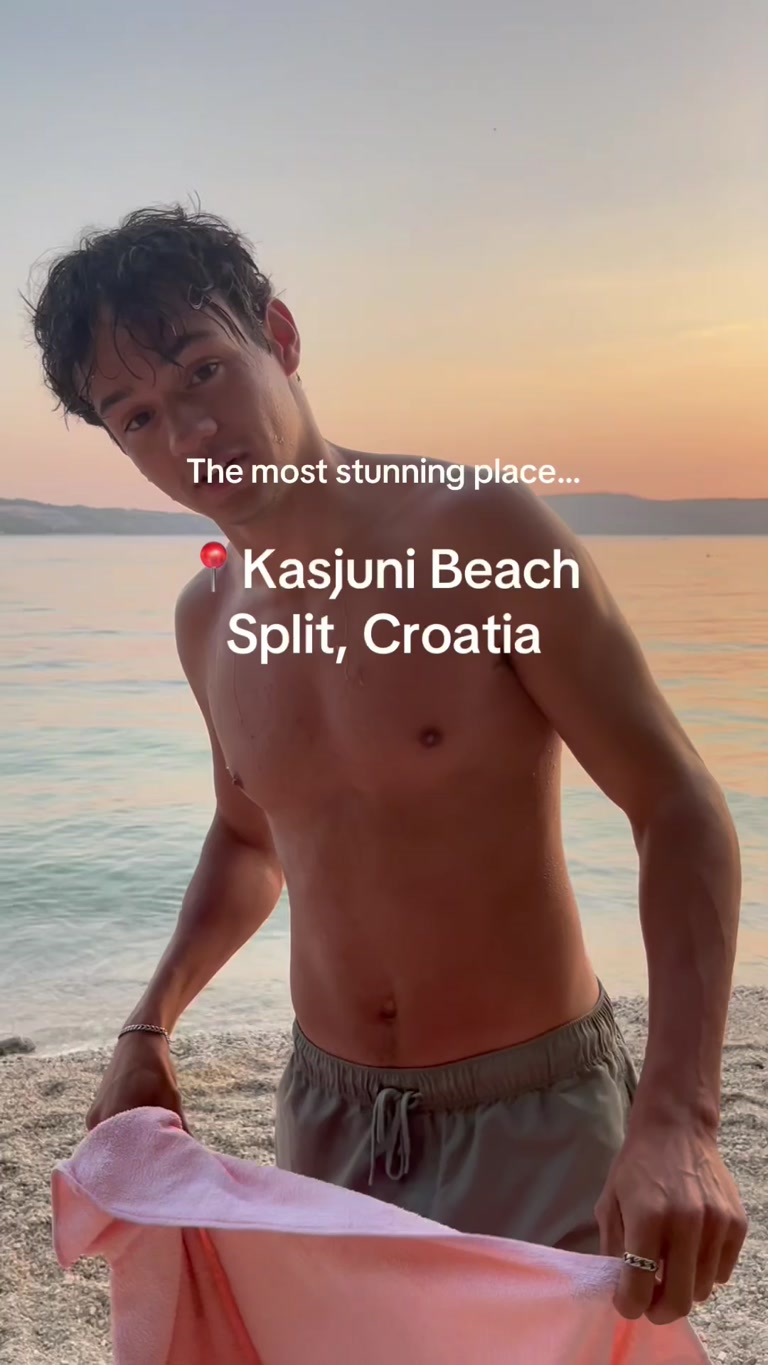
A forested peninsula on Split's western edge with hiking trails, cliff-top viewpoints, and hidden swimming coves. The climb to the Telegrin summit (178m) takes 30 minutes and gives you 360-degree views of Split, the islands, and the mountains. Kasjuni Beach at the base of Marjan is one of the best in the city.
Split's marble waterfront promenade is where everyone gathers at sunset. The palm-lined boulevard faces the harbor with views of the islands. Grab a coffee or cocktail at one of the terrace bars and watch the ferries come and go. This is the social center of Split and the perfect spot for people-watching.
The main city beach is a 5-minute walk from the old town. Shallow, sandy, and packed with locals playing picigin (a traditional ball game played in knee-deep water). The beach clubs have music and cocktails all day in summer. It is not a pristine hidden cove, but it is the most fun beach in Split.
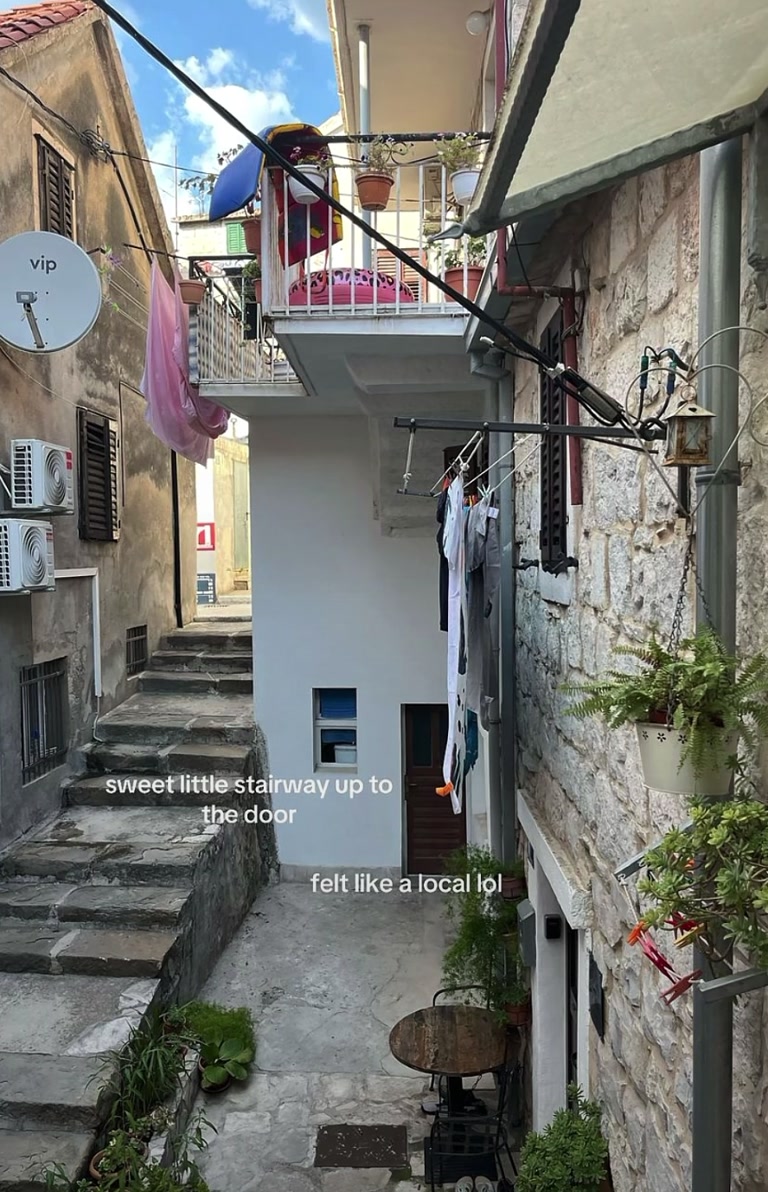
“Charming stone alleyway in Split -- felt like a local here!”
“Golden hour at Kasjuni Beach in Split -- truly remarkable views.”
Konoba Fetivi in the Varos neighborhood serves some of the best traditional Dalmatian food in Split at local prices. For seafood, try Konoba Matejuska right on the fishing harbor. Black risotto (crni rizot) made with cuttlefish ink is a must-try Split dish. The Green Market behind the palace sells fresh fruit and local produce.
The main square (St. Stephen's Square) is the largest piazza in Dalmatia. Climb to the Spanish Fortress above town for panoramic views of the harbor and Pakleni Islands. The climb takes 20 minutes and is worth every step. Hvar Town has a reputation as a party island, but the historic core is genuinely beautiful and much older than the nightlife suggests.
A chain of small islands just offshore from Hvar Town, reachable by water taxi ($10-15 round trip). Palmizana has a gorgeous art colony, restaurant, and pine-shaded beaches. Marinkovac has the most popular swimming spots. Rent a small boat ($100-150/day, no license needed for under 5HP) and island-hop at your own pace.
Rent a scooter ($30/day) and ride into Hvar's interior to see the lavender fields that bloom in June and July. The fortified villages of Velo Grablje and Humac are mostly abandoned but hauntingly photogenic. Konoba Humac restaurant in the stone village serves lamb peka cooked in a centuries-old stone house.
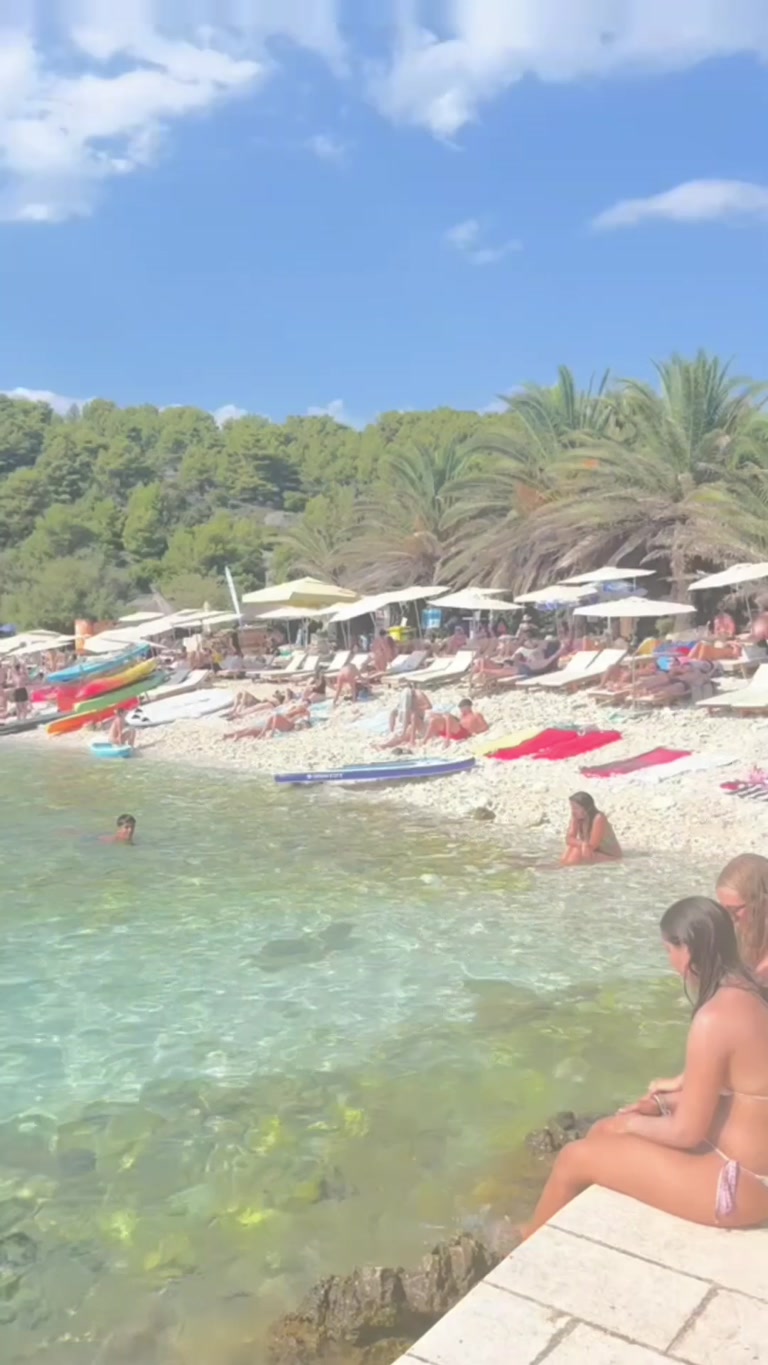
A pebble beach in a sheltered cove about 8 km east of Hvar Town. Park at the top and walk 15 minutes down to the beach. There is a small stone house that rents sunbeds and serves drinks. The water is absurdly clear. Less crowded than the beaches near town and far more beautiful.
“Soaking up the sun at Hvar's crystal-clear Pokonji Dol Beach!”
Dalmatino in Hvar Town serves refined Dalmatian cuisine in a candlelit courtyard. For something casual, Hula Hula Beach Bar is the sunset cocktail spot. Gariful on the harbor has excellent seafood but it is pricey. For budget-friendly food, eat at the bakeries and konobas in the backstreets away from the main square.
The 2 km circuit around Dubrovnik's medieval walls is the signature experience. The walls are up to 25 meters high and 6 meters thick. Walk counterclockwise for the best light and fewer bottlenecks. Go first thing in the morning (8am) or late afternoon to avoid both heat and crowds. The section above the old harbor gives you the classic postcard shot.
The Stradun is the main limestone-paved street. It is beautiful but touristy. Duck into the side alleys and steep staircases on either side to find empty churches, tiny galleries, and local bars. The Jesuit Staircase was a filming location for Game of Thrones. The Rector's Palace and Sponza Palace are the architectural highlights.
A 15-minute ferry from the old harbor ($10 round trip). A car-free island with a botanical garden, a Benedictine monastery, a small saltwater lake (the Dead Sea), and rocky swimming coves. Peacocks roam the grounds. The Fort Royal at the top has panoramic views of Dubrovnik's walls. Bring a towel and swimsuit.
Sea kayaking along the base of the city walls and to Lokrum Island is one of the best ways to see Dubrovnik from a unique angle. Multiple companies offer guided tours ($35-50) that include a swimming stop at Betina Cave beach. Morning tours have calmer water. No experience needed.
A bar carved into the cliffs on the outer side of the city walls. No sign outside, just a hole in the wall with 'Cold Drinks' written on it. Step through and you are on a cliff terrace with the open Adriatic stretching to the horizon. Drinks are overpriced but the setting is once-in-a-lifetime. Go 30 minutes before sunset to get a spot.
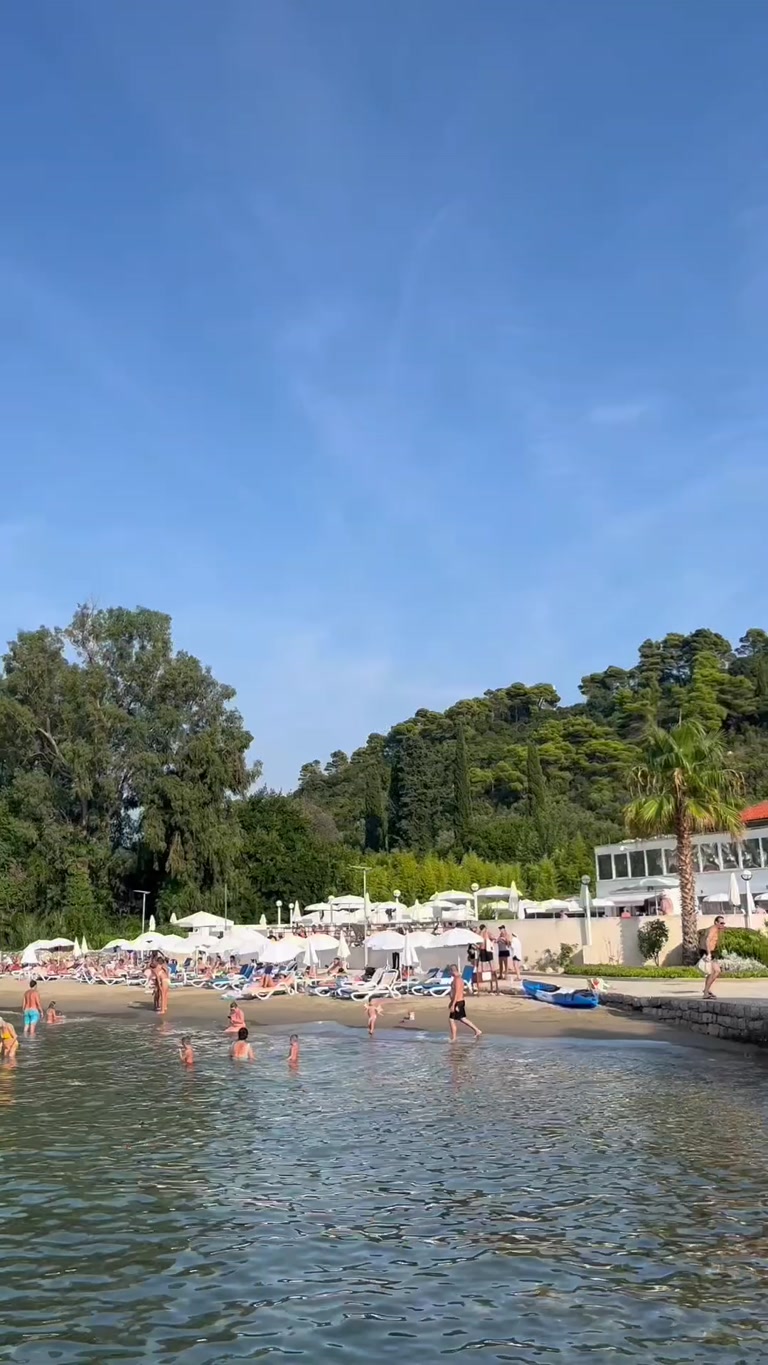
“Soaking up the sun and sea in Dubrovnik, Croatia.”
Konoba Ribar near the fish market serves fresh-caught seafood at prices locals actually pay. Nishta is a vegan restaurant in the Old Town that even meat-eaters love. For a splurge, Restaurant 360 on top of the walls has fine dining with a view that justifies the price. Avoid the restaurants on Stradun itself where the tourist markup is severe.
Get ferry schedules between islands, real-time driving conditions on the coastal road, creator content at every stop, restaurant recommendations, and one-tap navigation handoff.
Plan in Tourific
Real costs for 8 days in Croatia. Prices vary significantly between Zagreb (cheapest) and Dubrovnik (most expensive).
Croatia adopted the Euro in January 2023, making it easy to budget alongside other European destinations. Prices on the coast are 30-50% higher than inland. Dubrovnik is the most expensive city. The Tourific app tracks real-time prices and helps you find the best deals at each stop.
Get exact estimate in appCroatia is safe, well-organized, and easy to navigate. These tips will help you avoid the common pitfalls.
Croatia is one of the safest countries in Europe. Violent crime is extremely rare. The biggest risks are pickpockets in crowded tourist areas (Dubrovnik Old Town, Split's palace) and overcharging at unlicensed taxi services. Use the official Uber or Bolt apps.
Book Plitvice Lakes tickets online in advance during summer. Daily visitor caps mean you can be turned away at the gate. Entry costs vary by season (70-40 kuna). The park bans swimming, drones, and dogs.
Croatia uses the Euro (EUR) since January 2023. Credit cards are widely accepted in cities and tourist areas. Smaller konobas and market vendors may still prefer cash. ATMs are everywhere.
Driving in Croatia is straightforward. The A1 motorway from Zagreb to Split is modern and well-maintained (tolls apply, about 25 EUR one way). Coastal roads are scenic but winding and slow in summer. Parking in Dubrovnik is notoriously expensive and limited.
Sea urchins are common on rocky beaches. Wear water shoes when entering the sea on any non-sandy beach. This is not optional advice. Stepping on a sea urchin will ruin your day and possibly your trip.
The national ferry company connects Split to Hvar, Brac, Vis, and Korcula
Car ferries to Stari Grad (Hvar) take 2 hours, catamarans to Hvar Town take 1 hour
Book car ferry spots online in advance during summer (they sell out)
Catamaran foot passengers can usually buy on the day
The road from Split to Dubrovnik passes through a 20km strip of Bosnia
EU citizens pass through without stopping since Croatia joined Schengen
Non-EU travelers may need to show passports at both borders
The Peljesac Bridge (opened 2022) now bypasses Neum entirely
Plan this exact route with cost estimates, creator content at every stop, ferry schedules, and one-tap navigation handoff.