Cairo → Luxor → Abu Simbel → Hurghada. From the Pyramids of Giza to the temples of Luxor, the colossal statues of Abu Simbel, and the coral reefs of the Red Sea. Ten days through 5,000 years of human history and some of the most striking landscapes on the planet.
Egypt is one of those destinations that lives up to its own hype. The Pyramids of Giza are not just big - they are so impossibly, absurdly massive that your brain struggles to process the scale. Standing in front of them for the first time is one of the genuinely disorienting experiences in travel. You have seen them in photos a thousand times. Nothing prepares you for the real thing.
But Egypt is far more than the pyramids. The temples of Luxor and Karnak are among the most ambitious structures ever built. Abu Simbel, carved directly into a cliff face in the middle of the Sahara, was relocated block by block in the 1960s to save it from flooding. And the Red Sea coastline near Hurghada has some of the healthiest coral reefs left in the world, with visibility regularly exceeding 30 meters.
What makes this route work is the contrast. You go from the chaos of Cairo to the contemplative grandeur of Luxor's West Bank, from the desolate beauty of the Sahara at Abu Simbel to the turquoise waters of the Red Sea. Each stop feels like a different country, but the thread of Egyptian hospitality ties it all together.
Egypt is also remarkably affordable. Outside of international flights, you can eat, sleep, and explore on $25-40 per day at the budget level. Even mid-range travel with private guides and nice hotels rarely tops $120 per day. The Egyptian pound has weakened significantly, which is tough for locals but means your dollar stretches further than almost anywhere in the Mediterranean region.
Domestic flights between Cairo, Luxor, Aswan, and Hurghada are cheap ($40-80 one way on EgyptAir or Air Cairo). Overnight sleeper trains from Cairo to Luxor are a classic experience ($50-100 for a private cabin). For Abu Simbel, most travelers fly to Aswan first, then take a 3.5-hour drive or short flight. Do not attempt to drive between cities unless you have significant experience with Egyptian roads.
10 days from the banks of the Nile to the shores of the Red Sea. Pyramids, pharaohs, and pristine coral reefs.
Get there at 7am when the gates open. The crowd difference between 7am and 10am is staggering. Buy the combined ticket that includes entry inside the Great Pyramid (Khufu). The interior is tight, hot, and steep, but standing in the King's Chamber is a once-in-a-lifetime moment. Hire a guide at the gate for context.
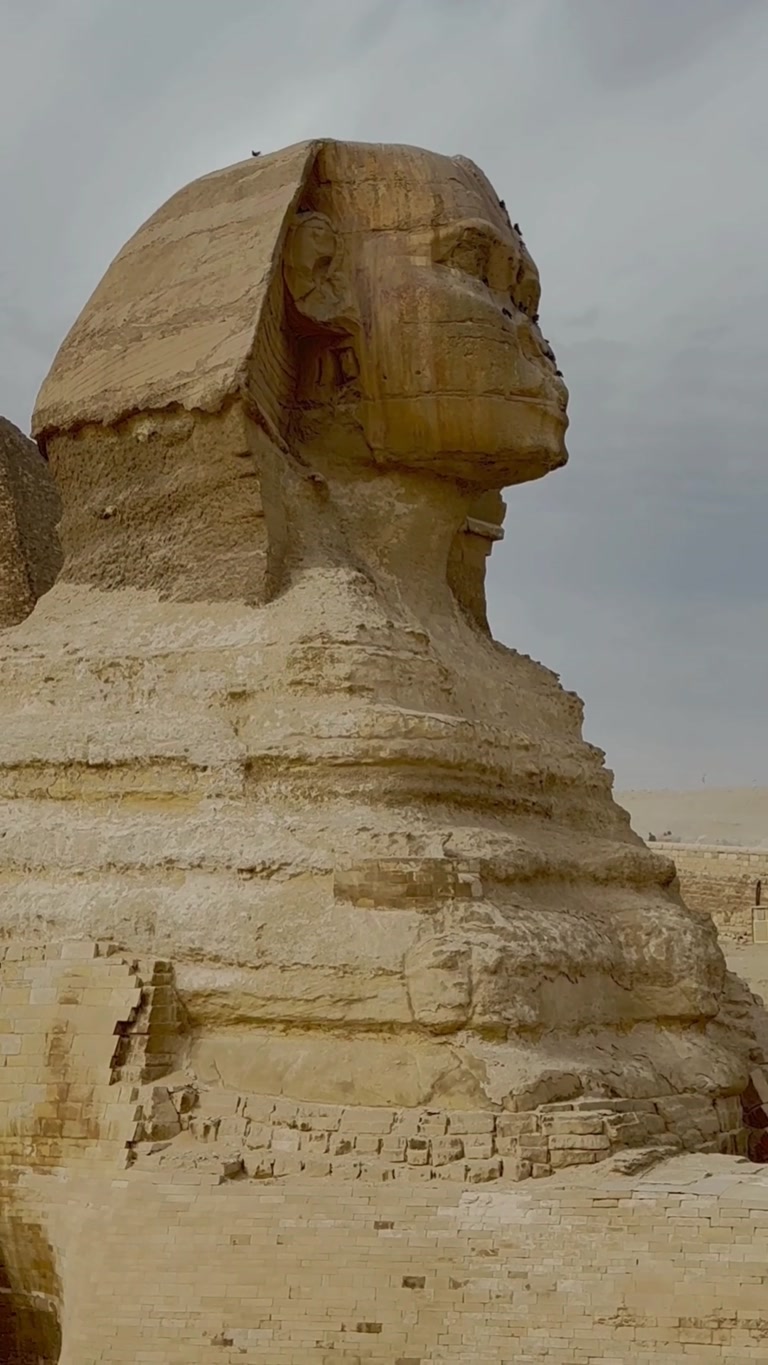
The Sphinx is right next to the pyramids. The Valley Temple of Khafre nearby is underrated and usually empty. Best photos of the Sphinx come from the viewing platform to the right of the entrance. Avoid the camel ride touts unless you want to negotiate hard.
The new museum near the pyramids replaced the old Egyptian Museum downtown. It houses over 100,000 artifacts, including the complete Tutankhamun collection. Book tickets online to skip the line. The atrium with the Ramesses II statue is spectacular. Plan at least half a day.
Cairo's 600-year-old bazaar is chaotic, loud, and totally worth it. Haggling is expected on everything. Start at 40% of the asking price. Stop at El Fishawy cafe for mint tea. The spice section smells incredible. Go in the evening when the lights come on and the atmosphere shifts.
The Hanging Church, Ben Ezra Synagogue, and Church of St. Sergius are all within walking distance. This area predates Islamic Cairo by centuries. The Coptic Museum is small but excellent. Combine with a walk through Islamic Cairo's mosques afterward.
“Standing before the timeless gaze of the Great Sphinx of Giza.”
Try koshari at Abou Tarek, a local staple of rice, lentils, pasta, and tomato sauce for under $2. Eat ful medames (fava bean stew) for breakfast at any street cart. For a nicer dinner, head to Zooba for modern Egyptian street food or Sequoia on the Nile for views. Cairo's food scene is wildly underrated and extremely affordable.
Your ticket covers three tombs. The standard tombs are incredible, but pay the extra fee for Tutankhamun's tomb (KV62) and Seti I's tomb (KV17), which has the best-preserved paintings. Arrive at 6am when it opens. By 10am the heat in the valley becomes brutal. Bring water.
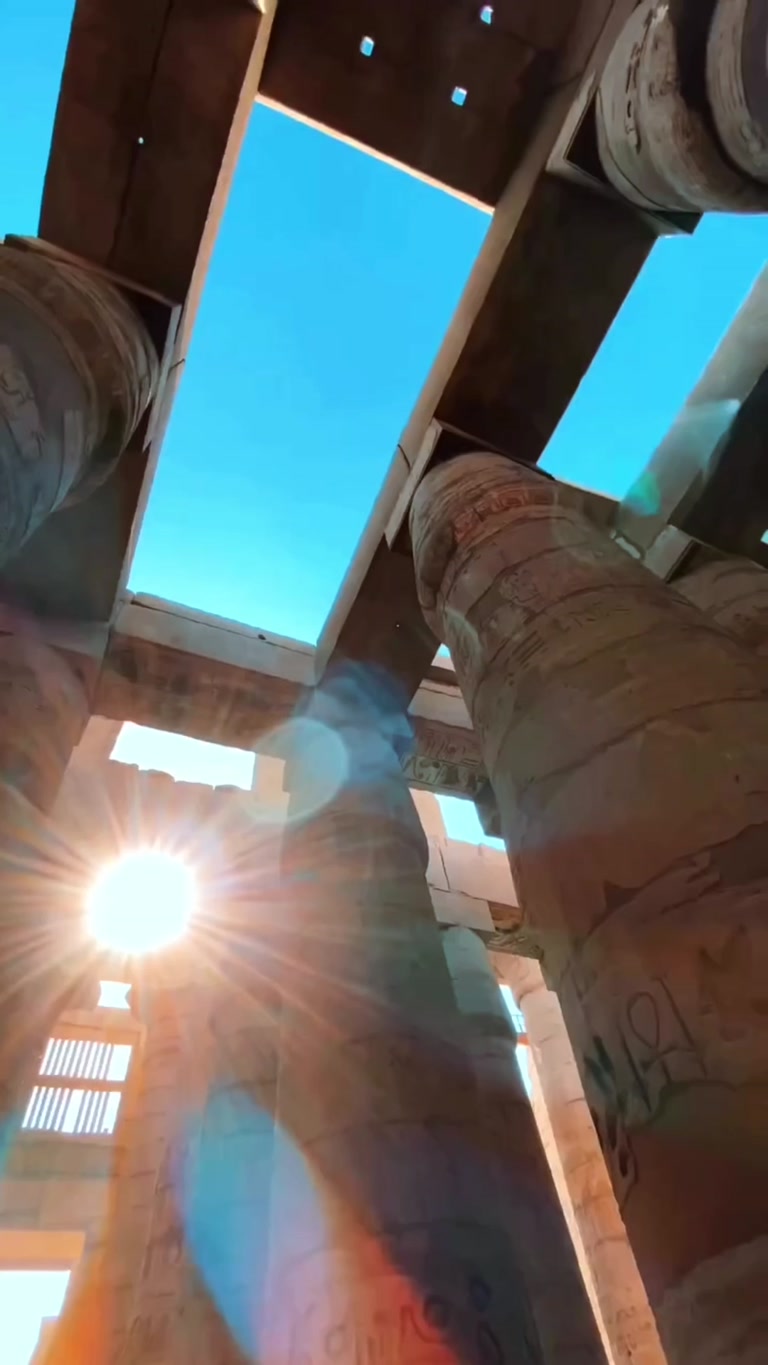
The Hypostyle Hall with its 134 massive columns is one of the most awe-inspiring spaces on Earth. Visit in the late afternoon when the light turns golden and the columns cast long shadows. The sound and light show at night is worth the extra ticket price for the drama alone.
Walk from your hotel along the newly restored Avenue of Sphinxes, which connects Luxor Temple to Karnak (2.7 km). Visit at night when the temple is lit up. The colonnade of Amenhotep III is remarkable after dark. Free with the Luxor Pass if you buy one.
The terraced temple built into the cliffs on the West Bank is architecturally unlike anything else in Egypt. Queen Hatshepsut was one of the few female pharaohs. Get here early before the tour buses arrive. The reliefs on the middle terrace tell the story of her trading expedition to Punt.
Book through your hotel for around $80-120. You launch before sunrise and float over the Valley of the Kings, Hatshepsut's temple, and the Colossi of Memnon as the sun comes up. One of the best things you can do in Egypt. Flights depend on weather and get cancelled regularly in winter, so schedule it for your first morning.
“The Valley of the Kings is an archaeological site and ancient royal necropolis near Luxor in Upper Egypt.”
“Exploring the ancient columns of Karnak Temple under the Egyptian sun.”
Sofra Restaurant in a restored Ottoman house serves excellent Egyptian food with rooftop views of Luxor Temple. On the West Bank, eat at Africa Restaurant for cheap, honest local food after a morning at the tombs. Fresh sugarcane juice from street vendors costs about 25 cents and is the best thing in the heat.
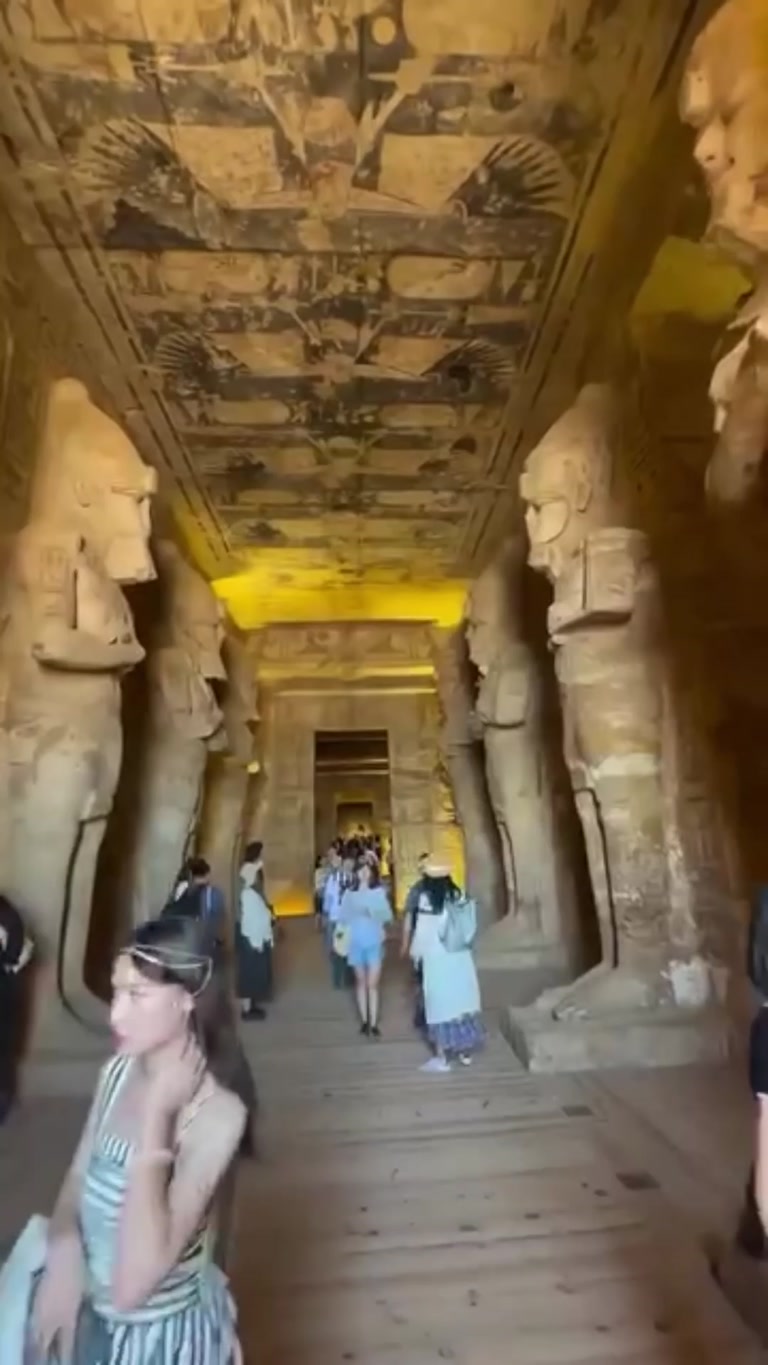
Four 20-meter statues of Ramesses II guard the entrance. The interior halls go deep into the rock face with painted reliefs still showing original color. Twice a year (Feb 22 and Oct 22), sunlight penetrates 60 meters into the sanctuary to illuminate three of the four statues. The entire temple was relocated in the 1960s to save it from the rising waters of Lake Nasser.
The smaller temple next door was built for Ramesses' favorite wife. The facade shows her depicted at equal height to the pharaoh, which was extremely rare. The interior paintings of Nefertari are among the most beautiful in all of Egypt. Photography is not allowed inside.
If you stay overnight (most day-trippers leave by noon), the evening sound and light show at Abu Simbel is far less crowded than the one at the pyramids and arguably more impressive with the desert silence surrounding you. Book through your hotel.
“The Abu Simbel Temples are two monumental rock-cut sanctuaries in southern Egypt, near the border with Sudan.”
Abu Simbel is a small town with limited options. Eskaleh Eco Lodge has good food and a Nubian atmosphere. If day-tripping from Aswan, eat at Makani or The Terrace at Old Cataract Hotel (where Agatha Christie wrote parts of Death on the Nile).
A boat trip to Giftun Island National Park costs around $30-50 and includes snorkeling stops at two different reef sites. The coral is healthy and colorful, and you will see parrotfish, clownfish, moray eels, and sea turtles. Bring reef-safe sunscreen. The island's white sand beaches are perfect for lunch breaks between dives.
Known as the 'Ship Graveyard,' Abu Nuhas has four major wrecks sitting in crystal-clear water. The SS Carnatic (1869) is the most photogenic. PADI certification courses start at around $300 for open water. Even a beginner discover-dive gets you down to the wrecks. Book with a reputable dive center at the marina.
Quad biking or dune buggy rides into the Eastern Desert are widely available for $40-60. The best tours include a stop at a Bedouin camp for tea, bread baked in sand, and stargazing. The desert sky near Hurghada with zero light pollution is extraordinary.
Skip the resort strip and walk through El Dahar for the real Hurghada. The central mosque, the fish market, and the spice shops give you a feel for everyday Egyptian life. Prices here are a fraction of what you pay on the tourist strip. Grab fresh juice and falafel from any of the street vendors.
StarFish Restaurant on the marina does excellent fresh-grilled seafood at fair prices. For cheap local food, El Dahar has falafel, shawarma, and grilled fish restaurants where a full meal runs $3-5. Most resorts offer all-inclusive packages, but eating out at local places is better food for less money.
Get real-time flight prices between Egyptian cities, creator content at every stop, safety scores for each area, weather forecasts, and one-tap navigation handoff to Google Maps or Apple Maps.
Plan in Tourific
Real costs for 10 days in Egypt. One of the most affordable destinations in the world for the quality of experiences you get.
Egypt's currency devaluation since 2022 has made it one of the best-value destinations in the world. A meal that cost $10 in 2019 now costs $3-4 for identical quality. The Tourific app tracks real-time exchange rates and local prices so you always know what to expect.
Get exact estimate in appEgypt is safe for tourists but operates by its own rules. These tips will save you money, time, and frustration.
Always negotiate prices before getting into a taxi. Use Uber or Careem in Cairo and Hurghada for transparent pricing. Meters exist but are rarely used honestly. Agree on a flat rate before the ride starts.
Dress modestly when visiting mosques and religious sites. Women should carry a lightweight scarf to cover shoulders and hair when entering mosques. Both men and women should avoid shorts in religious areas.
Drink only bottled water. Even in hotels, stick to sealed bottles. Ice in drinks is usually fine at upscale restaurants but risky at street stalls. Buy water in bulk from grocery stores rather than paying tourist prices.
Tipping (baksheesh) is part of daily life. Tip bathroom attendants 5-10 EGP, restaurant servers 10-15%, hotel staff 20-50 EGP per service. Keep small bills on hand at all times.
The midday heat from May to September is genuinely dangerous (40-45C). Plan outdoor sightseeing for early morning or late afternoon. Carry water, wear sunscreen, and take shade breaks seriously.
Most nationalities get a visa on arrival at Egyptian airports for $25
You can also apply for an e-visa before your trip at visa2egypt.gov.eg
Passport must be valid for at least 6 months from entry date
Single entry is valid for 30 days
Egyptian Pound (EGP). ATMs are widely available in cities
Carry cash for markets, taxis, and tips (small bills essential)
Credit cards accepted at hotels and upscale restaurants
Exchange money at banks or official exchange offices, not street dealers
Plan this exact route with cost estimates, creator content at every stop, safety scores, and one-tap navigation handoff.