Delhi - Agra (Taj Mahal) - Jaipur - Pushkar - Jodhpur - Rishikesh. Twelve days through desert fortresses, the world's most famous tomb, pink and blue cities, sacred lakes, and the yoga capital on the banks of the Ganga. India at its most concentrated and most intense.
India is not a country you visit passively. It grabs you by every sense simultaneously - the smell of frying spices in a Delhi bazaar, the scale of a Mughal fort rising from the Rajasthan desert, the shock of color in a Jaipur market, the silence of a Rishikesh dawn on the Ganga. There is no neutral gear here.
This route threads together two distinct experiences. The first half is Rajasthan - desert kingdoms, warrior forts, ornate palaces, and bazaars that have operated in the same locations for centuries. The Taj Mahal in Agra is the anchor, but places like Mehrangarh Fort in Jodhpur and Amber Fort in Jaipur are equally powerful in person.
The second half shifts to spiritual North India. Pushkar's sacred lake, where Hindu pilgrims bathe at dawn. Then Rishikesh - the yoga capital of the world - where the Ganga flows fast and clean from the Himalayas, and the evening fire ceremonies on the riverbank create an atmosphere unlike anything else on Earth.
India is also the world's greatest food destination for budget travelers. A full thali meal costs $1-2. A plate of the best chaat (street snacks) costs 50 cents. The food alone - the variety, the regional specialization, the depth of spice work - justifies the entire trip many times over.
The smartest move for this route is hiring a private driver with car for the Rajasthan portion (Delhi to Jodhpur). Costs Rs 1,500-2,500/day ($18-30) all-in, and saves enormous stress. For the Jodhpur-to-Rishikesh leg, fly to Delhi and take a bus or hire a driver. Indian trains are excellent for budget travelers - book AC classes on IRCTC.co.in.
12 days from Mughal grandeur to Rajasthani desert kingdoms to the spiritual banks of the Ganga.
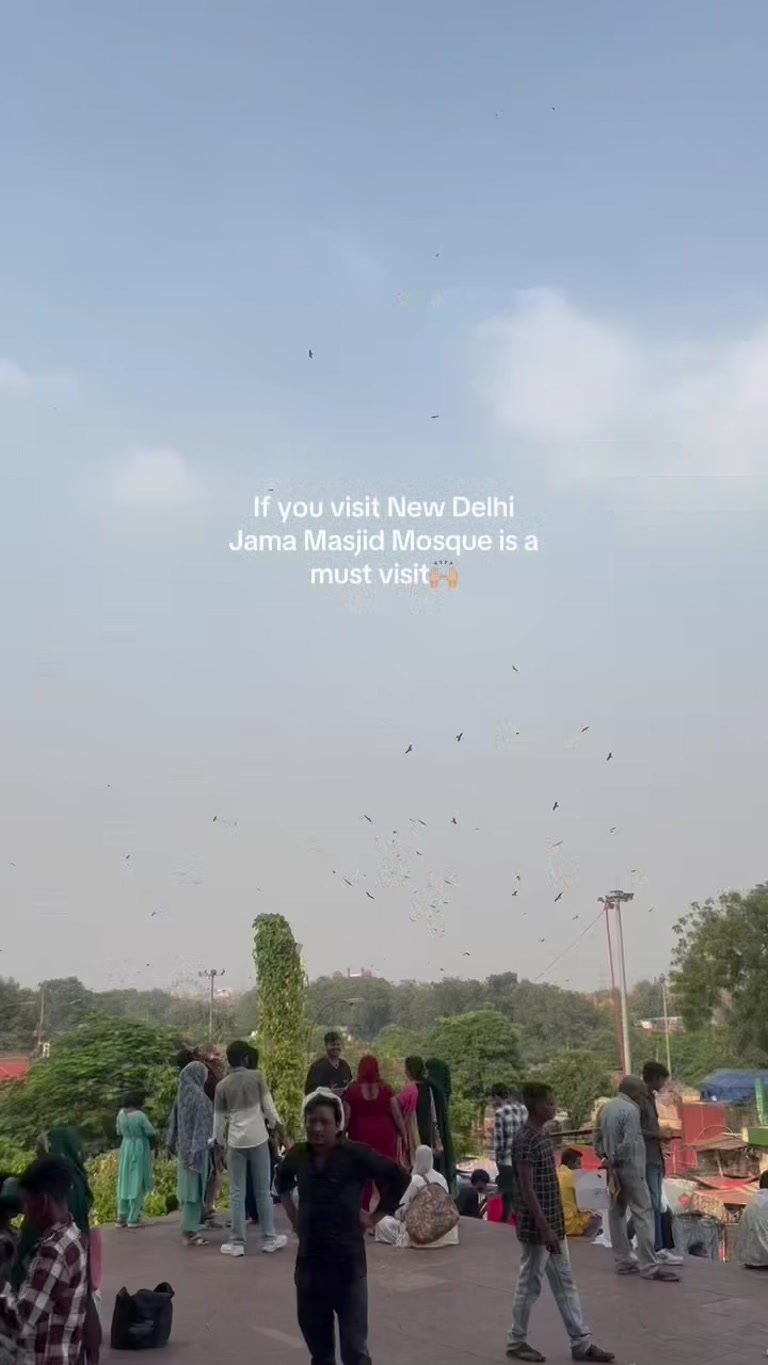
India's largest mosque, built in 1656. Climb the minaret for a view over Old Delhi's rooftops. From here, walk into the narrow lanes of Chandni Chowk - the sensory overload is immediate. Paranthas, spices, silver jewelry, and a million motorbikes sharing the road with you.
The massive sandstone fortress where Mughal emperors ruled. The sound and light show in the evening is a good way to get the history. Entry is Rs 600 for foreigners. Allow time for security queues. The bazaar street leading up to the main gate sells everything.
The architectural prototype for the Taj Mahal, built 60 years before it. The gardens are expansive and peaceful - a rare quiet space in Delhi. Go in late afternoon when the red sandstone glows. The surrounding complex has several smaller tombs worth exploring.
A 42-meter war memorial arch. Walk along Rajpath (now Kartavya Path) toward the Presidential Palace. In the evening, the area fills with families, ice cream vendors, and balloon sellers. The National War Memorial nearby is free and well done.
Paranthe Wali Gali for stuffed paranthas fried in ghee. Karim's near Jama Masjid for Mughlai kebabs and nihari. Natraj Dahi Bhalle for chaat. Old Famous Jalebi Wala for hot jalebis. Eat with your hands, eat standing up, and eat a lot.
“Exploring the vibrant atmosphere at Jama Masjid in New Delhi.”
Delhi's food scene is vast. Old Delhi for Mughlai and street food. Khan Market or Hauz Khas Village for modern restaurants. For budget travelers, a full thali meal costs Rs 80-150 ($1-2). Karim's (since 1913) near Jama Masjid is a must - order the mutton burra kebab and butter naan.
Arrive at sunrise. Gates open at 6am - be in line by 5:30am. The first hour has the fewest people and the best light. The marble changes color as the sun rises. Enter from the south gate for the classic reflecting-pool approach. Foreign entry is Rs 1,100 ($13). Photography is allowed everywhere except inside the main tomb chamber.
A massive red sandstone fortress 2.5 km from the Taj. Shah Jahan was imprisoned here by his son and could only see the Taj Mahal from a small window - that window is still there. The white marble palace rooms inside contrast dramatically with the military exterior. Rs 600 entry.
Across the river from the Taj Mahal, this garden gives you the classic postcard view without the crowds. Best at sunset when the Taj turns orange-pink. Entry is Rs 300. Bring a zoom lens - you are further away than you might expect.
A smaller, more intimate marble tomb that predates the Taj Mahal. The pietra dura (inlaid semi-precious stone) work here is actually more intricate than the Taj. Far fewer tourists. Sometimes called the 'jewel box' for its delicate detail.
Agra is known for petha (a sweet made from ash gourd) and Mughlai food. Pinch of Spice near the Taj serves solid dal makhani and paneer dishes. For street food, the area around Sadar Bazaar has chaat stalls and chai vendors. Avoid restaurant touts near the Taj gates - prices are inflated and quality is average.
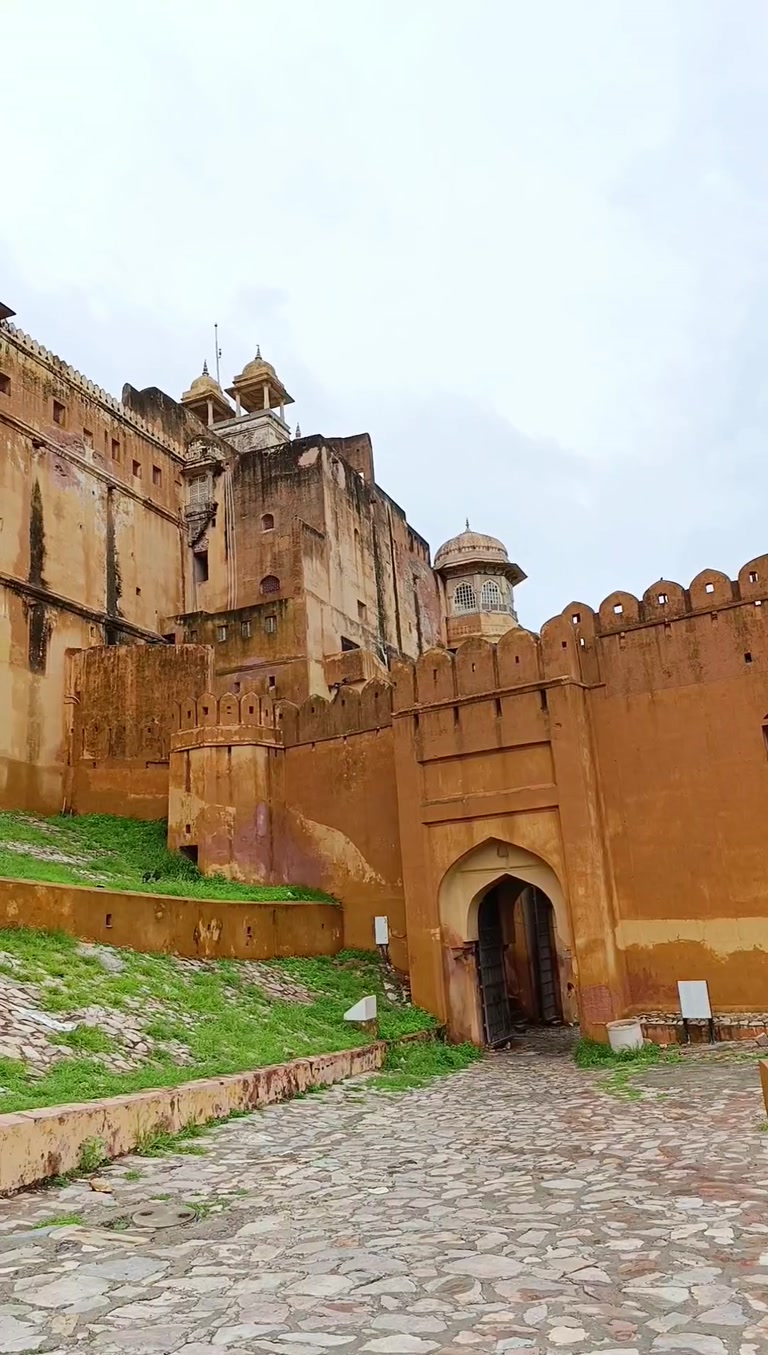
A hilltop fortress with a mix of Hindu and Mughal architecture. The mirror palace (Sheesh Mahal) has thousands of tiny mirrors that create a starlight effect from a single candle. Take the jeep up (Rs 500 round trip) rather than the elephant rides - the elephants are mistreated. The evening light show is excellent.
The honeycomb pink facade with 953 windows was built so royal women could observe street life without being seen. The best photo is from the rooftop cafe directly across the street - Wind View Cafe. Inside, the upper floors have good views of the city. Entry is Rs 200.
Still partially occupied by the royal family. The textile and weapons galleries are impressive. The Diwan-i-Khas has two massive silver urns - the largest silver objects in the world - made to carry Ganges water to England for a king who refused to drink foreign water. Rs 500 entry.
The world's largest stone sundial and a collection of 18th-century astronomical instruments that still work. The giant sundial is accurate to within 2 seconds. Hire a guide (Rs 200) or you will have no idea what you are looking at - the instruments are not self-explanatory.
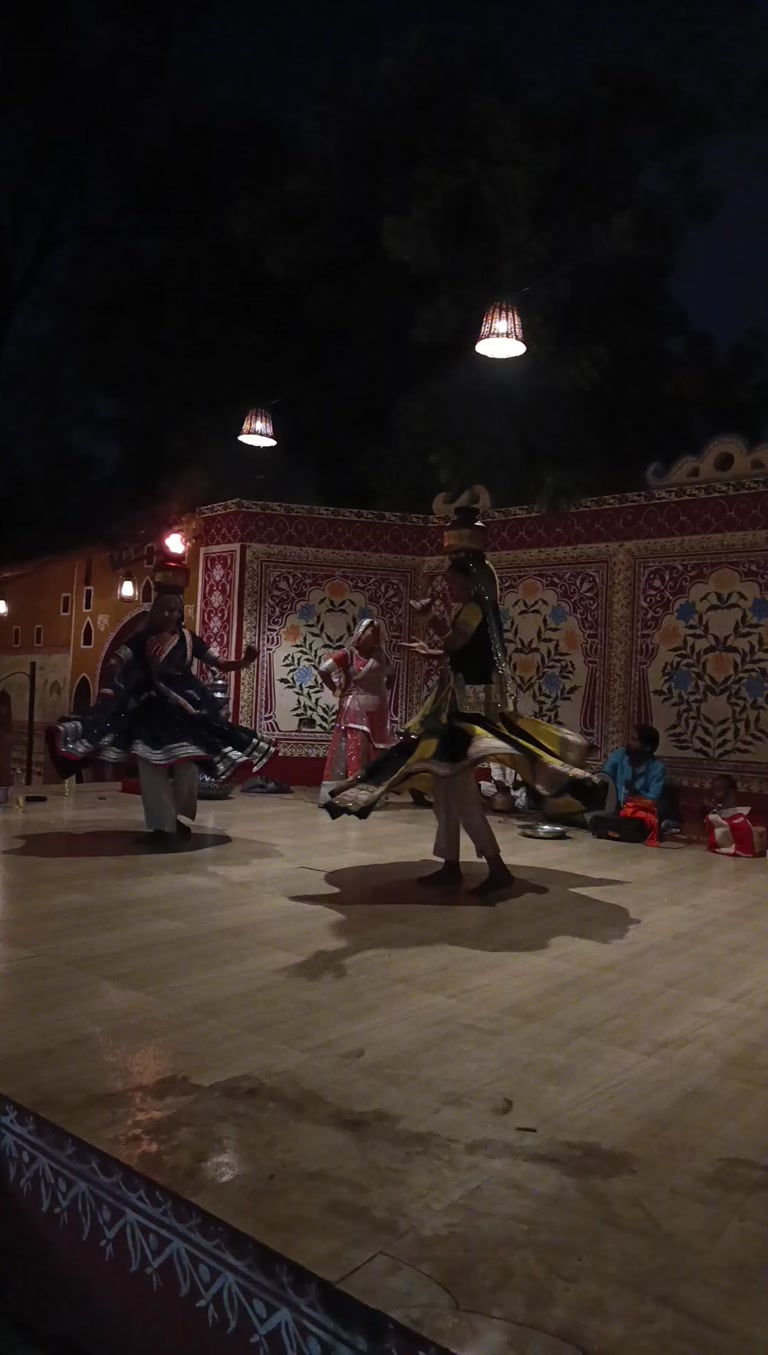
A recreated Rajasthani village 20 km south of the city. Unlimited traditional thali dinner with folk dancing, puppet shows, camel rides, and henna painting. Rs 800-1,500 per person all-inclusive. Touristy but genuinely fun. Go hungry - the food keeps coming.
Johari Bazaar for gemstones and jewelry. Bapu Bazaar for textiles and juttis (embroidered shoes). Tripolia Bazaar for lac bangles. Bargain hard - start at 40% of the asking price and work up. The block-printed fabrics and blue pottery are Jaipur's best souvenirs.
“Rajasthani folk dance and music at Chokhi Dhani Jaipur!”
“Exploring Jaipur's majestic Amber Fort and the iconic Hawa Mahal.”
LMB (Laxmi Mishthan Bhandar) on Johari Bazaar for Rajasthani thali and sweets - a Jaipur institution since 1954. Rawat Mishthan Bhandar for the best pyaaz kachori (onion-filled pastry) in the country. Tapri for chai with a view of Nahargarh Fort. Chokhi Dhani for the full Rajasthani dinner experience.
One of the holiest lakes in Hinduism. 52 bathing ghats surround the lake. Priests will offer blessings (and expect donations - agree on an amount before, Rs 100-200 is fair). Sunset at the ghats is peaceful. The town has a no-meat, no-alcohol policy - respect it.
One of very few temples in the world dedicated to Lord Brahma. Remove shoes and leather items before entering. The marble floor gets scorching hot in summer - visit early morning. Simple but historically significant.
Perched 125 meters above Jodhpur on a sheer cliff. One of India's best-preserved forts with an excellent museum. The audio guide (included) is narrated and genuinely engaging. The views over the blue city from the ramparts are the best in Rajasthan. Allow time - it is enormous.
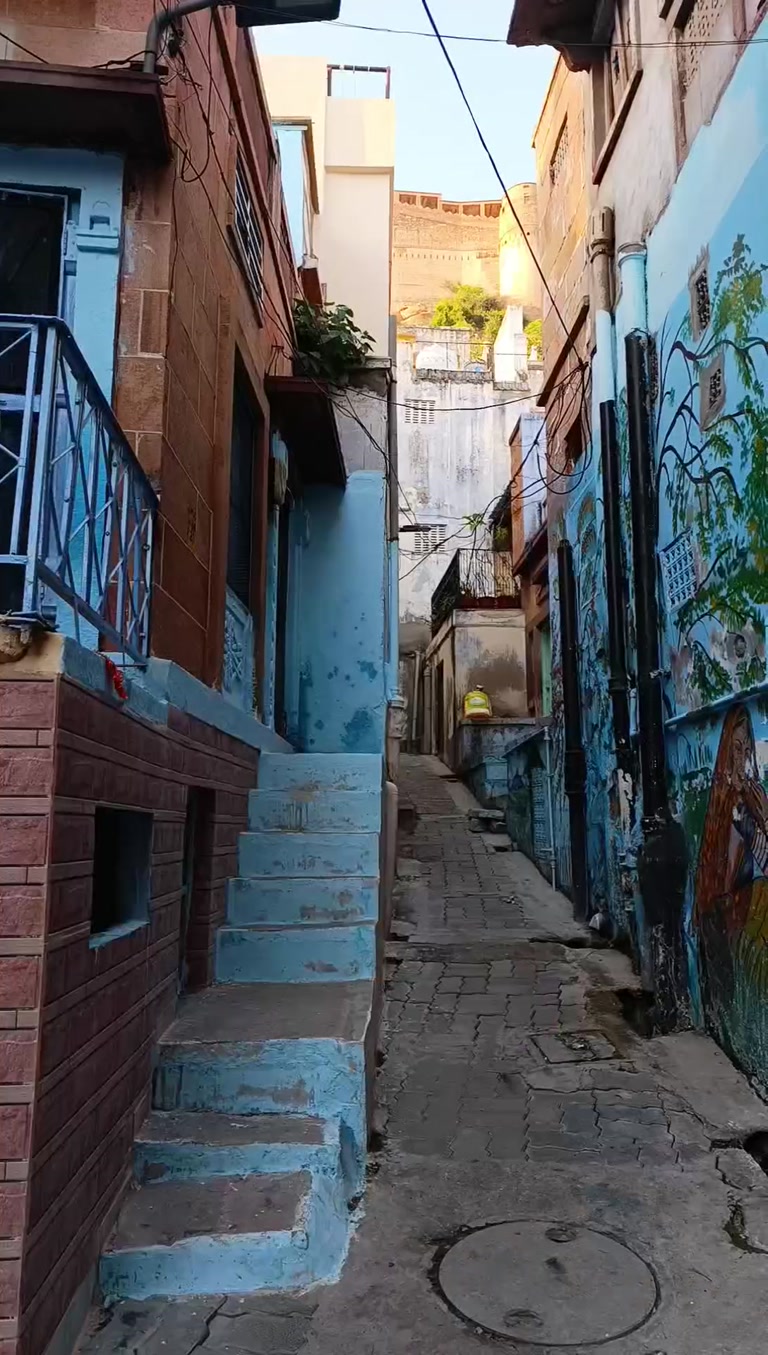
The old city at the base of Mehrangarh Fort is painted in shades of blue (originally to repel insects, now a tradition). Wander the narrow lanes - get deliberately lost. The best blue house clusters are in the Brahmpuri neighborhood. Hire a local guide for Rs 500 to find the hidden spots.
The clock tower area is the commercial heart of Jodhpur. Spice markets, textile shops, and tiny restaurants. Shahi Samosa near the clock tower makes spiced potato samosas fried fresh. The spice shops sell custom masala blends that make great gifts.
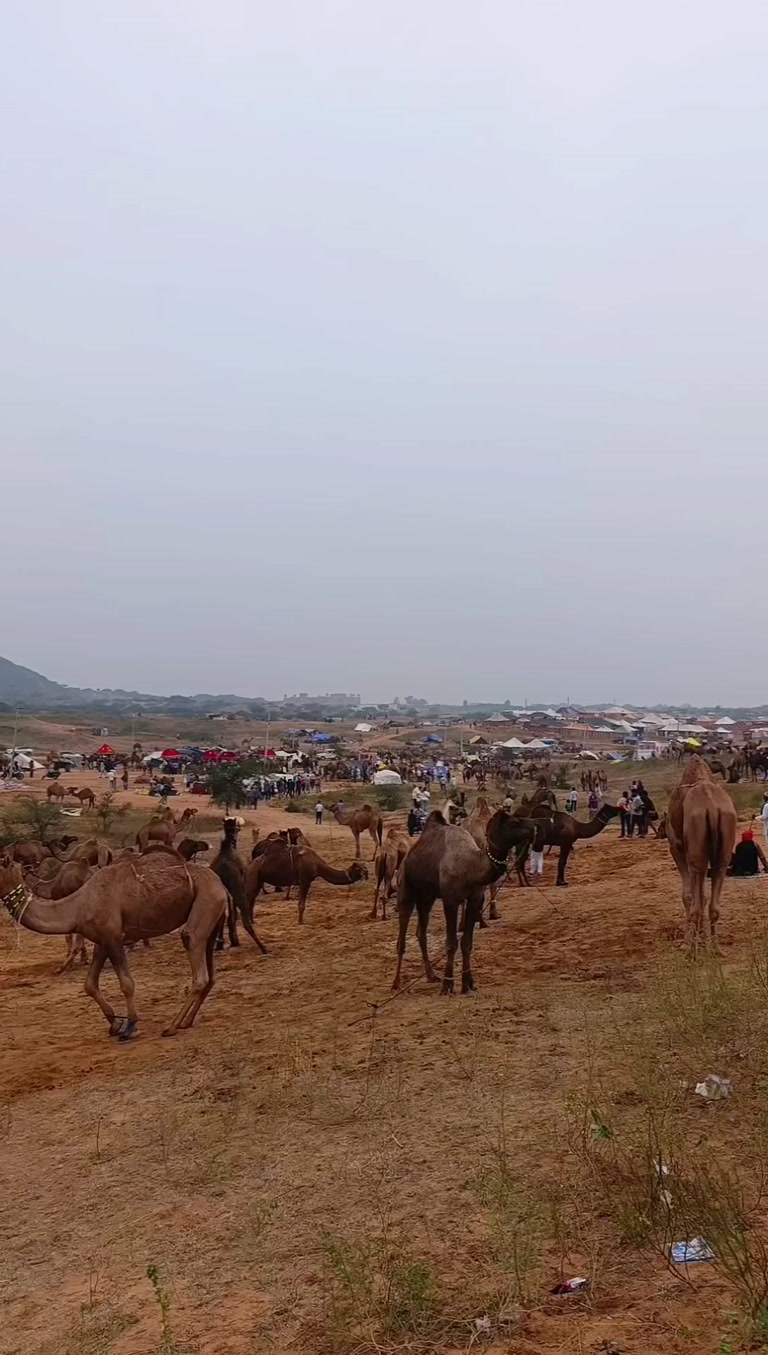
“Camels gather at the vibrant Pushkar Camel Fair in Rajasthan.”
“Exploring the blue lanes beneath Mehrangarh Fort in Jodhpur.”
Pushkar is strictly vegetarian - the Israeli and Italian restaurants along the lake are popular with backpackers. Try malpua (fried sweet pancake) from street vendors. Jodhpur's speciality is mirchi bada (chili fritters) and makhaniya lassi (thick saffron-buttermilk). Jhankar Choti Haveli near the clock tower has great thalis on a rooftop with fort views.
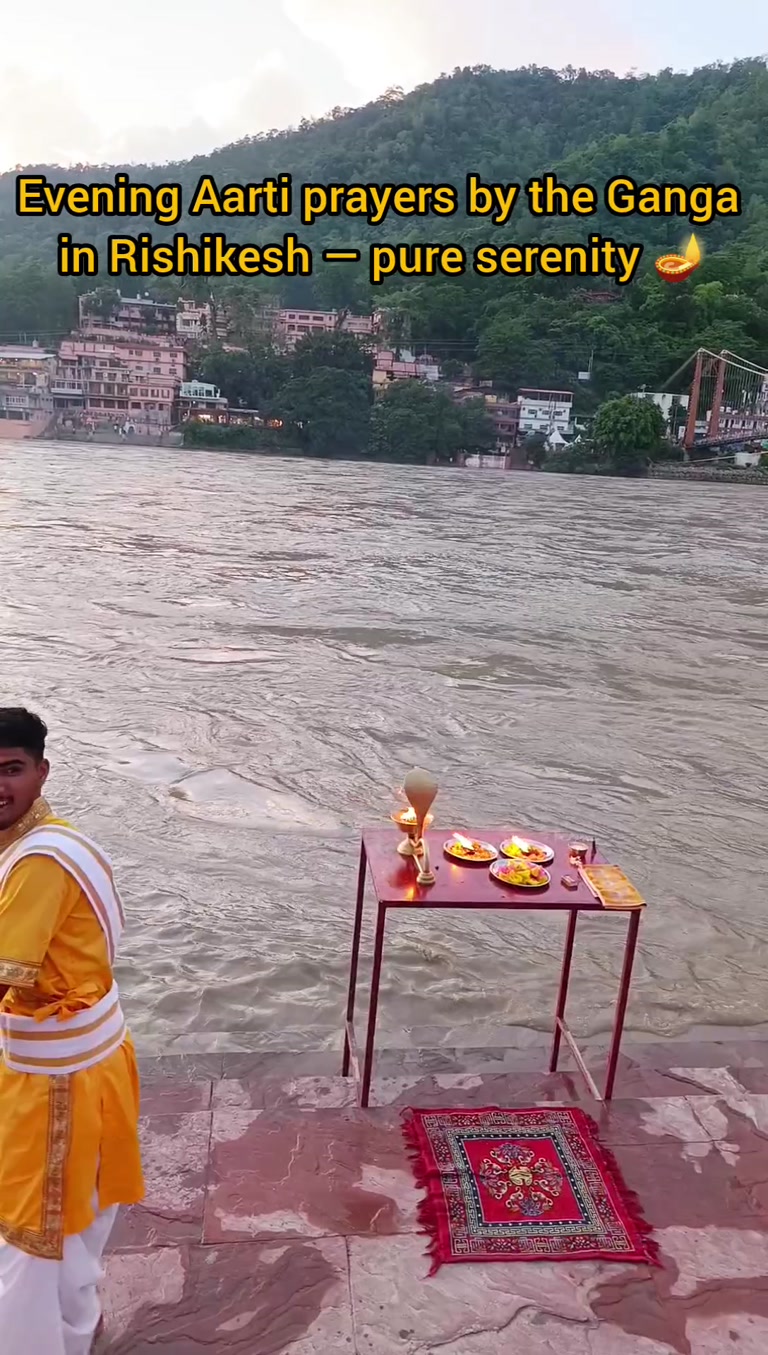
Every evening at sunset, priests perform a fire ceremony on the riverbank. Hundreds of people gather. The chanting, bells, and fire reflected on the Ganga create an intense atmosphere. Arrive 30 minutes early for a good spot. Free to attend - flower offerings available for Rs 20.
Two iron suspension bridges crossing the Ganga. Lakshman Jhula was closed to foot traffic (structural concerns) - Ram Jhula is the active one. The multi-story Trayambakeshwar Temple near Ram Jhula has 13 floors of shrines. The view of the river from the bridges at sunset is exceptional.
The abandoned ashram where The Beatles stayed in 1968 to study meditation with Maharishi Mahesh Yogi. Now an open-air gallery with murals and graffiti. The domed meditation pods in the forest are haunting. Entry is Rs 600 for foreigners. Worth it for the atmosphere alone.
16 km and 26 km routes available. Grade 3-4 rapids. Most tours include cliff jumping and a riverside lunch. Book through a GMVN-licensed operator - not the cheapest tout. Rs 1,000-2,000 ($12-24) per person. Season runs September to June.
Rishikesh has hundreds of yoga schools - quality varies wildly. Parmarth Niketan is the most established ashram and welcomes drop-in visitors. For a multi-day course, research Yoga Alliance-certified schools. Many offer free or donation-based classes. Early morning sessions (6am) by the river are the most atmospheric.
“Evening Aarti by the Ganga in Rishikesh - pure serenity.”
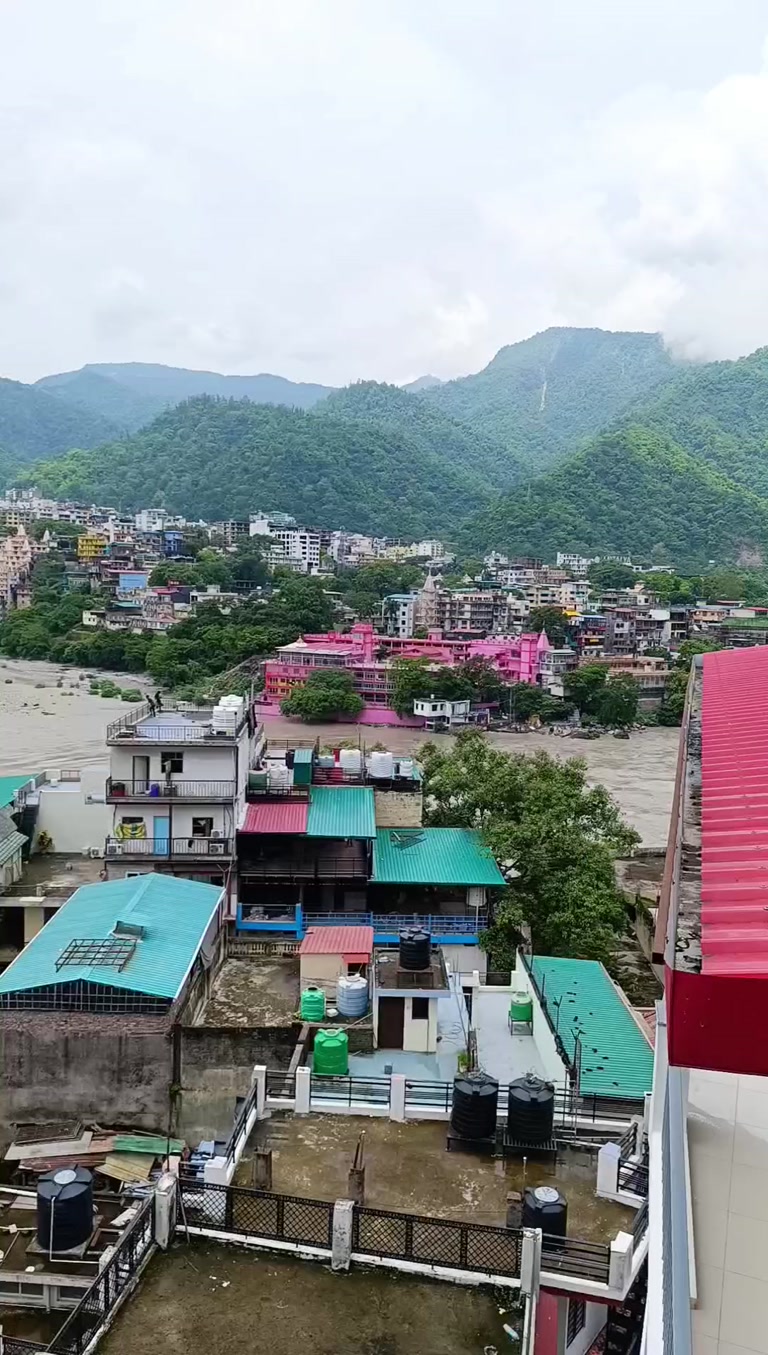
“Exploring the vibrant streets and riverside views of Rishikesh.”
Rishikesh is fully vegetarian (no meat, no eggs, no alcohol in the main areas). Chotiwala restaurant on the riverbank is an institution - the thali is solid and the location is hard to beat. Little Buddha Cafe has good falafel and hummus for when you want something different. Fresh fruit juices from street stalls for Rs 30-50.
Get real-time cost estimates in Indian Rupees, creator content at every stop, safety scores for each area, driver recommendations, and one-tap handoff to Google Maps for navigation.
Plan in Tourific
Real costs for 12 days in India. One of the most affordable travel destinations on Earth - your money goes extraordinarily far.
India is one of the few destinations where luxury travel is affordable by Western standards. A night in a converted palace hotel costs $80-200. A private driver with car for the entire 12 days costs $250-400. The Tourific app tracks real-time Rupee conversion and local prices.
Get exact estimate in appIndia rewards prepared travelers. These tips come from experience - they will save you stomach trouble, money, and frustration.
Hire a driver rather than driving yourself. Indian roads have unpredictable traffic, aggressive driving norms, and animals on highways. A full-time driver costs Rs 1,500-2,500/day ($18-30) including fuel - worth every rupee for the stress it removes.
Drink only bottled or filtered water. Check that bottle seals are intact. Avoid ice in street stalls. Brush teeth with bottled water. This is the single most important health precaution for India travel.
Dress conservatively at temples and religious sites. Cover shoulders and knees. Remove shoes before entering temples and mosques. Carry a scarf or shawl for quick coverage. Women travelers will feel more comfortable with conservative dress in smaller towns.
Bargain everywhere except in fixed-price shops (which will have a sign saying so). Expect to pay 2-3x the local price initially. Negotiate firmly but politely. Walk away if the price is not right - the vendor will often call you back with a better offer.
Be cautious with street food in the first few days. Let your stomach adjust. Start with cooked, hot food rather than raw salads or cut fruit. Reputable restaurants are fine from day one. Carry Imodium and oral rehydration salts as a precaution.
Apply online at indianvisaonline.gov.in (official site only)
30-day e-Tourist visa: $25 | 1-year: $40 | 5-year: $80
Processing takes 3-5 business days. Apply at least 2 weeks before travel
Print the e-Visa confirmation - you need it at immigration
Indian Rupee (INR). $1 = roughly Rs 83
UPI (digital payments) is everywhere - even street vendors
Get an Airtel or Jio SIM at the airport ($5 for 28 days, 2GB/day)
ATMs are widespread. SBI and HDFC ATMs have best foreign card acceptance
Plan this exact route with AI-powered cost estimates, creator content at every stop, safety alerts, and one-tap navigation handoff.