Rome to Milan. 14 days through ancient ruins, Renaissance art, Tuscan hill towns, dramatic coastlines, and Venetian canals. From the Colosseum to the Duomo, with every plate of pasta in between.
Italy is not a country you visit - it is a country that happens to you. In 14 days, you move through three thousand years of civilization without ever losing sight of something beautiful. The Rome-to-Milan route is the definitive Italian road trip because it threads together the country's most powerful experiences into a single continuous journey.
You start in Rome, where every street corner is an argument between the ancient, the medieval, and the baroque. Three days barely scratches the surface, but it is enough to feel the weight of the place. Then north to Florence, where the Renaissance stopped being a textbook chapter and became a physical reality - Brunelleschi's dome, Botticelli's Venuses, the smell of leather workshops in the Oltrarno.
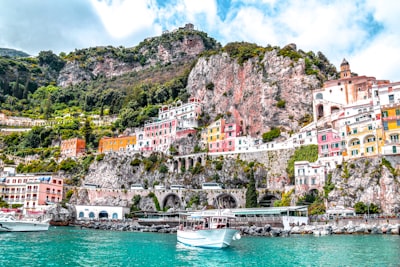
The middle section is what makes this route special. Pisa for an hour, then the Tuscan hill towns - Siena and San Gimignano - where medieval Italy survives intact. Then south to the Amalfi Coast, where the road itself is the attraction: hairpin turns above a turquoise sea, fishing villages stacked vertically on cliffs, lemon groves hanging over the road. Capri is a detour by ferry, and it is worth every euro.
The final act is Venice, a city that should not exist and yet has existed for 1,500 years on wooden pilings in a lagoon. Then Milan closes the trip - modern, stylish, and forward-looking, the perfect counterpoint to Rome's ancient grandeur. This is Italy at its most concentrated.
14 days, 8 cities, 1,400 km of ancient ruins, Renaissance art, coastal drama, and the best food on Earth.
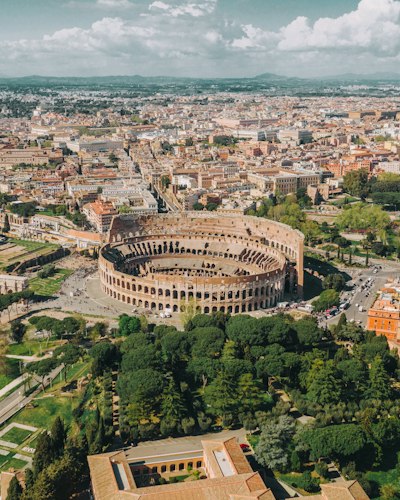
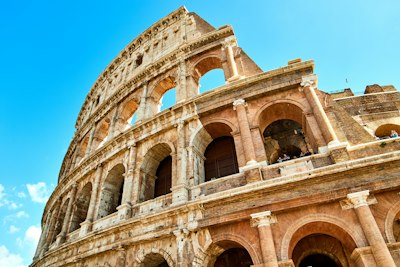
Book the Underground & Arena Floor tour months in advance. Enter from the Colle Oppio side for a jaw-dropping first view. Go first thing in the morning - by 10 AM the line wraps around the block.
Free entry but reservations required since 2023. Stand dead center and look up - the oculus is 9 meters wide and open to the sky. If it rains, the floor drains carry water away through 2,000-year-old holes.
Bernini's Fountain of the Four Rivers anchors the square. Grab a table at Bar Navona for an afternoon Aperol spritz and watch the street performers. Overpriced but worth it once for the atmosphere.
“Enjoying a relaxing afternoon at Bar Navona in Rome.”
Skip tourist traps near the Colosseum. Cross the river to Trastevere for authentic Roman cuisine - cacio e pepe at Da Enzo, supplì (fried rice balls) at Trapizzino, pizza al taglio at Bonci.
Book the earliest entry slot online. Walk fast through the first galleries to reach the Sistine Chapel before the crowds. The Raphael Rooms are equally remarkable but most people rush past them. No shorts or bare shoulders allowed.
Free entry. Climb the dome (551 steps, no elevator for the last 320) for the best panorama in Rome. Michelangelo's Pietà is inside the first chapel on the right - get there early for an unobstructed view.
Rome's most charming neighborhood comes alive at night. Wander the cobblestone alleys, stumble into tiny wine bars, and eat at wherever the locals are eating. Piazza di Santa Maria in Trastevere is magical after dark.
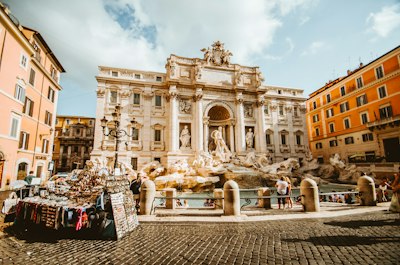
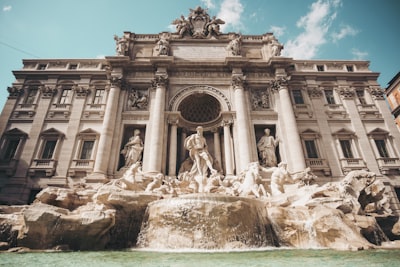
“Crowds gather at the iconic Trevi Fountain in Rome.”
Lunch near the Vatican at Pizzarium (Bonci's famous pizza). Dinner in Trastevere - try Tonnarello for classic Roman pastas or Da Ivo for wood-fired pizza. Book ahead or arrive before 7:30 PM.
Visit at 7 AM or after 10 PM to avoid crushing crowds. Throw a coin with your right hand over your left shoulder. The fountain uses 2,824,800 liters of water daily, recycled from an ancient aqueduct.
The prettiest street in Rome - ivy-covered facades, flower-draped balconies, and small art galleries. Gregory Peck's apartment in Roman Holiday was here. Perfect for photography any time of day.
The Borghese Gallery requires timed-entry reservations (book 2+ weeks ahead). Bernini's Apollo and Daphne alone is worth the visit. The gardens are free and perfect for an afternoon passeggiata.
“Charming cobblestone streets and vibrant flowers in Rome's Via Margutta.”
Rome's Jewish quarter (Ghetto) has some of the city's best food. Carciofi alla giudia (Jewish-style artichokes) at Nonna Betta. Finish with gelato at Fatamorgana - no artificial colors, real ingredients.
Quick detour off the A1. Park below and take the funicular up. The cathedral's facade is one of Italy's most photogenic. The underground city tour reveals Etruscan tunnels carved 3,000 years ago.
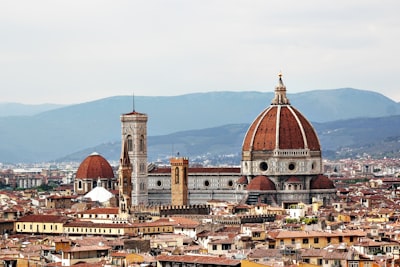
Brunelleschi's dome is still the largest brick dome ever built. Climb the 463 steps for a 360-degree panorama of Florence. Book the dome climb online - walk-ups rarely get in. The Baptistery doors (Gates of Paradise) are free to admire.
The iconic postcard view of Florence. Come at sunset with a bottle of Chianti from the shop at the base. Every rooftop, dome, and tower is visible from here.
“Exploring the remarkable Florence Cathedral on a moody day.”
Florence is the birthplace of the bistecca alla fiorentina - a massive T-bone from Chianina cattle, seared over oak and served rare. Trattoria Sostanza does it best. For street food, get a lampredotto sandwich from a trippaio cart.
Book timed entry online weeks in advance. Botticelli's Birth of Venus and Primavera are in rooms 10-14. The Vasari Corridor above the Ponte Vecchio reopened in 2024 - book separately. Go early, museum fatigue is real.
The oldest bridge in Florence, lined with gold and jewelry shops since the 16th century. Walk across, browse the shops, but buy jewelry in the Oltrarno for better prices and more authentic pieces.
Ride the antique carousel in the piazza (yes, even as an adult). Then cross to the Oltrarno - Florence's artisan quarter. Watch leather craftsmen, paper marbling artists, and silversmiths at work in tiny botteghe.
“Charming carousel ride in Florence's Piazza della Repubblica.”
Mercato Centrale upstairs has curated food stalls - truffle pasta, lampredotto, craft cocktails. For dinner, All'Antico Vinaio makes the sandwich that went viral (the line is worth it). Gelato at Vivoli, Florence's oldest gelateria since 1930.
Yes, you should climb it. 294 steps on a 4-degree lean - your inner ear will protest. Book the climb online, slots fill up fast. The lean was actually an engineering failure that took 200 years to complete.
The tower gets all the attention, but the cathedral and baptistery are remarkable. The acoustics inside the baptistery create an otherworldly echo - guides demonstrate it every 30 minutes. The adjoining Camposanto has remarkable frescoes.
The arcaded shopping street is where Pisans actually eat and shop. Skip the tourist restaurants around the tower and walk 10 minutes to Borgo Stretto for cecina (chickpea flatbread) and proper Tuscan food at half the price.
“Exploring the Leaning Tower of Pisa and local markets on a sunny day!”
Pisa's food scene is underrated. Try cecina (chickpea flatbread) at Il Montino - locals have been eating here for generations. Osteria dei Cavalieri does elevated Tuscan cuisine in a medieval tower.
The shell-shaped piazza is where the famous Palio horse race happens twice a year (July 2 and August 16). Even without the race, lying on the warm brick slope and watching the city life is one of Italy's great pleasures. The Torre del Mangia has 400 steps and rivals any view in Tuscany.
The striped marble facade is almost hallucinogenic. The mosaic floor is only fully uncovered for a few weeks in autumn. The Piccolomini Library inside has vibrant Pinturicchio frescoes that look like they were painted yesterday.
Known as the medieval Manhattan for its 14 remaining towers (originally 72). The world-champion gelato at Gelateria Dondoli has won multiple international awards - the saffron and pine nut flavor is memorable. Walk the walls at sunset for views over the Tuscan vineyards.
“Exploring the medieval beauty of Siena's Torre del Mangia.”
“Exploring the medieval streets of San Gimignano and tasting world-famous gelato!”
Book a long lunch at a Chianti vineyard between Siena and San Gimignano. The agriturismo experience - fresh pasta, local wine, olive oil from the property - is the Tuscan dream. Restaurants in San Gimignano are touristy; the surrounding countryside is where the real food lives.
Perched on cliffs 50 meters above the sea. Piazza Tasso is the lively center - grab limoncello from a street vendor. The Marina Grande beach is a quick walk down. This is the gateway to the Amalfi Coast and a good base for exploring.
One of the most exhilarating drives in Europe. Hairpin turns, sheer cliff drops, and views that make you forget to breathe. Drive slowly. Use the horn on blind corners. Pull into turnouts to let buses pass - they own these roads.
The smallest town in southern Italy and the Amalfi Coast's best-kept secret. No tourist buses can reach it. A tiny piazza, a church on the beach, and a handful of restaurants where fishermen eat. This is the real Amalfi Coast.
“Scootering along the remarkable Amalfi Coast in Atrani.”
“Scooter rides, gelato, and pizza - living the Sorrento dream!”
Sorrento's gnocchi alla sorrentina (baked gnocchi with mozzarella and tomato) is the local signature. On the coast, eat fish - ask what was caught today. In Atrani, Le Arcate serves seafood pasta right on the beach.
The town that gave the coast its name. The cathedral's Arab-Norman style reflects centuries of maritime trade. Climb the steps for views, then walk the narrow backstreets - paper mills line the Valle delle Ferriere, a tradition since the 13th century.
The Emerald Grotto near Conca dei Marini rivals Capri's Blue Grotto with fewer crowds. Sunlight filters through an underwater cavity, turning the water an impossible shade of green. Access by elevator from the road or by boat from Amalfi.
Perched 350 meters above the sea. Villa Rufolo's gardens inspired Wagner's Parsifal - the summer concert series here is legendary. Villa Cimbrone's Terrace of Infinity is often called the best view in the world. Not an exaggeration.
“Exploring the magical Grotta dello Smeraldo on the Amalfi Coast!”
Amalfi's lemons are the size of softballs. Order anything with limone - pasta al limone, delizia al limone, granita di limone. Andrea Pansa in the main square has been making pastries since 1830.
The tiny Piazzetta is the living room of Capri - sit with an espresso and watch the parade of fashion, wealth, and old-world glamour. Prices are steep but the people-watching is free. Via Camerelle is the luxury shopping street.
Terraced gardens with views of the Faraglioni sea stacks and Via Krupp, the serpentine path carved into the cliff face. Emperor Augustus built the original gardens 2,000 years ago. The photography here is effortless - every angle is a postcard.
The famous sea cave where sunlight creates an electric blue glow. Entry by small rowboat only - you'll lie flat as the boatman pulls through a 1-meter opening. Go before 11 AM to avoid the longest waits. Closed when seas are rough.
“Breathtaking views of Capri from a tranquil garden terrace.”
Capri is expensive but the food is excellent. Da Paolino serves dinner under a canopy of lemon trees. Lo Sfizietto does great panini for a budget lunch. Torta caprese (almond-chocolate cake) was invented here - try it everywhere.
Take the single-seat chairlift to Monte Solaro (589m) - the highest point on Capri. On a clear day you can see Naples, Vesuvius, and the entire Amalfi Coast. The 12-minute ride is open-air and slightly terrifying. The views at the top are the reward.
Axel Munthe's villa-turned-museum has gardens overlooking the Bay of Naples. The Egyptian sphinx at the terrace edge is one of the most photographed spots on the island. The villa's story - a Swedish doctor building his dream home on a Roman ruin - is worth reading before you visit.
Walk from Anacapri to Italy's second-oldest lighthouse. The rocky swimming area at the base is the best sunset spot on the island - locals come here with wine and snacks. Far from the crowds of Capri Town.
Anacapri is cheaper than Capri Town and the food is just as good. Il Riccio, the only Michelin-starred beach club in Italy, does a legendary lunch if you're splurging. Otherwise, Materita in Anacapri for wood-fired pizza with a view.
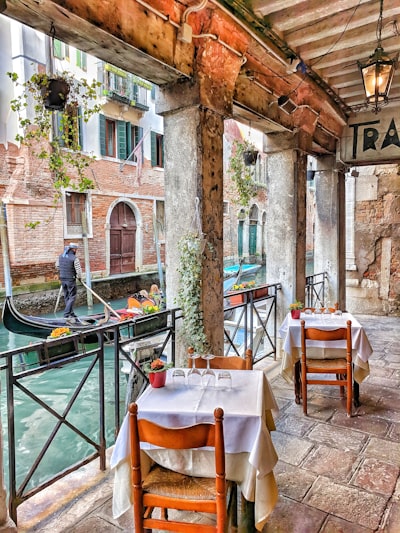
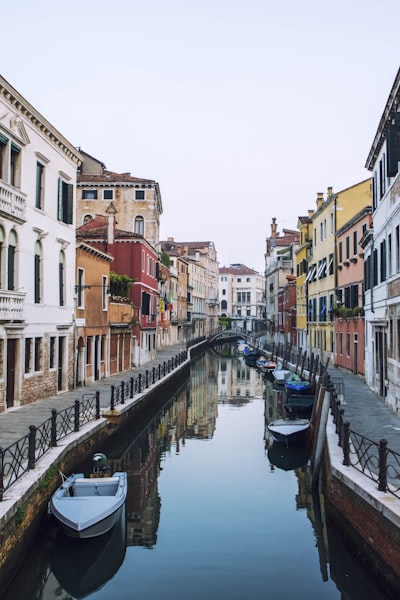
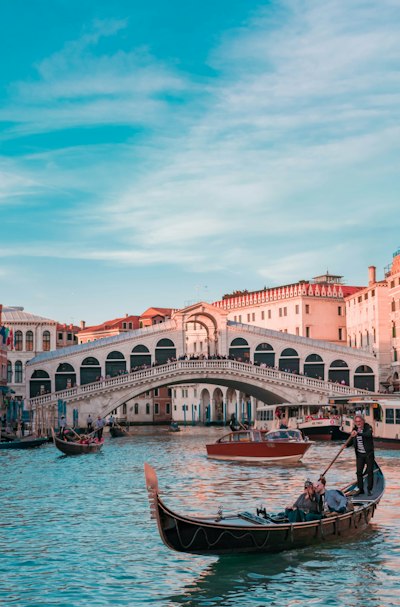
Take Vaporetto Line 1 from Piazzale Roma or the train station down the Grand Canal. It's the most remarkable 45-minute bus ride on Earth. Sit outside in the back. Pass under the Rialto Bridge, past crumbling palazzos, and arrive at San Marco. This is your introduction to Venice.
Napoleon called it the drawing room of Europe. The basilica's Byzantine gold mosaics cover 8,000 square meters - the detail is overwhelming. Skip the line by booking online. The view from the top of the Campanile (bell tower) shows Venice's impossible layout.
The Rialto fish market has operated since 1097. Come before noon when fishermen sell the morning catch. The bridge itself is best photographed from the waterfront below, not on it. Cross to the San Polo side for the best cicchetti bars.
“Sunset cruise on Venice's Grand Canal with a spritz in hand.”
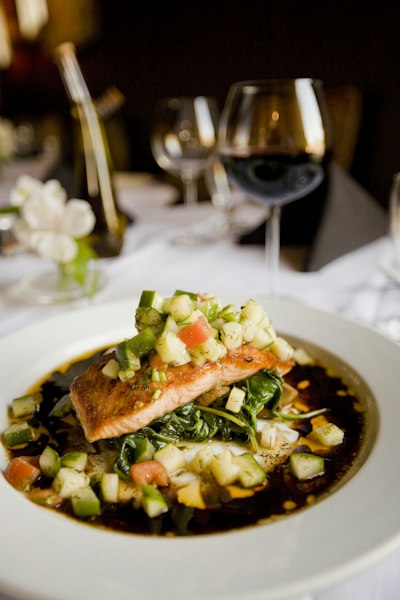
Venice runs on cicchetti - small plates at bar counters. All'Arco near the Rialto is legendary for crostini topped with today's market fish. For a proper sit-down, Osteria alle Testiere serves the freshest seafood in the city (only 10 tables, book days ahead).
A 45-minute vaporetto ride to the most photogenic fishing village you'll ever see. Every house is painted a different vivid color - originally so fishermen could spot their homes in the fog. Buy handmade lace from the few remaining artisans, not the Chinese imports in the tourist shops.
Glass-blowing capital of the world since 1291, when the Venetian Republic moved all furnaces here to prevent fires. Watch a live demonstration at a fornace - it's free. Buy directly from artisans, not the shops near the vaporetto stop.
End the day with a Venetian spritz (Select, not Aperol, if you want the local version). Fondamenta delle Zattere in Dorsoduro faces west for golden hour. Or splurge on a private water taxi ride through the canals at twilight - the light reflecting off the water is liquid gold.
Dorsoduro is the university neighborhood - cheaper and less touristy. Osteria al Squero has €2 cicchetti with a view of the last working gondola boatyard. For dessert, tiramisu was popularized in the Veneto region - get it everywhere.
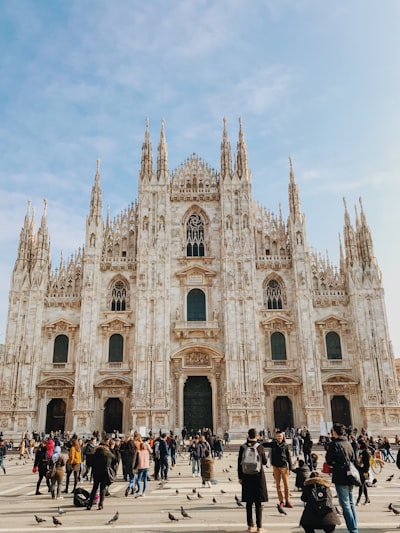
The third-largest cathedral in the world, covered in 3,400 statues and 135 spires. Walk the rooftop terraces - you can touch the marble spires and on clear days see the Alps. Book online. The interior is cavernous and the stained glass alone takes an hour to appreciate.
Milan's 15th-century fortress houses Michelangelo's final sculpture, the Rondanini Pietà, left unfinished at his death. The courtyard is massive and free to enter. The museum collections are surprisingly good and uncrowded compared to Rome and Florence.
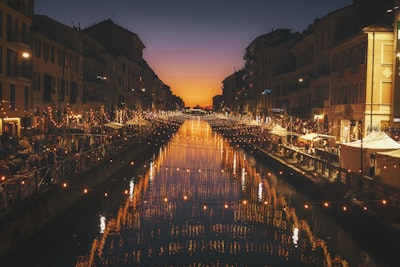
Italy's oldest shopping mall - a glass-ceilinged cruciform gallery from 1877 with Prada and Louis Vuitton (the café at LV is a scene). For dinner, head to the Navigli canal district. Former industrial waterways now lined with aperitivo bars, vintage shops, and trattorias.
“Exploring the historic Castello Sforzesco in Milan.”
“Luxury meets coffee at Da Vittorio Café Louis Vuitton in Milan.”
Milan's signature is risotto alla milanese - saffron risotto, golden and creamy. Trattoria Masuelli since 1921 does the best version. The aperitivo culture here is serious - order one drink and get a full buffet spread included. Navigli district after 7 PM is the move.
Get turn-by-turn waypoints, real-time cost estimates for your specific vehicle, creator content at every stop, safety scores, and weather forecasts. One tap to hand off to Google Maps or Apple Maps.
Plan in Tourific
Real costs for 14 days in Italy. Based on actual prices, not wishful thinking.
Want exact costs for your specific travel style with real-time prices, seasonal adjustments, and personalized recommendations? The Tourific app calculates precise costs based on your preferences and the actual dates of your trip.
Get exact estimate in appThe things that trip up first-time visitors. Learn from other people's expensive mistakes.
Validate train tickets before boarding - stick the ticket into the green/yellow machines on the platform. Inspectors fine you €50+ on the spot if your ticket isn't stamped, even if you bought it five minutes ago.
Beware of pickpockets in Rome's metro (Line A especially), around the Colosseum, Trevi Fountain, and on crowded buses. Use a cross-body bag, keep your phone in a front pocket, and be suspicious of anyone creating a distraction.
Many top museums require advance booking - the Vatican, Uffizi, Borghese Gallery, and Duomo dome climb all sell out days or weeks ahead. Book everything online before your trip.
Restaurants charge coperto (cover charge), typically €1-€3 per person. This is completely normal and legal in Italy - it's not a scam and not a tip. Service (servizio) is sometimes added separately on the bill too.
ZTL zones (Zona a Traffico Limitato) restrict cars in historic city centers. Cameras automatically photograph plates and rental companies will charge your credit card €80-€150 per violation weeks after your trip. Check ZTL maps before driving anywhere in city centers.
Trains: Trenitalia and Italo high-speed trains connect Rome, Florence, Venice, and Milan in 1.5-3 hours. Cheap if booked early.
Rental car: Essential for the Amalfi Coast, Tuscany hill towns, and flexibility. Not needed in cities - parking is expensive and ZTL zones are a trap.
Best combo: Train for city-to-city, rent a car only for Tuscany and Amalfi Coast (days 6-9).
Ferries: Regular hydrofoils connect Sorrento, Amalfi, Positano, and Capri. Book same-day at the port.
Plan this exact route with AI-powered cost estimates, creator content at every stop, and one-tap navigation handoff.