Tokyo → Kamakura → Hakone → Kyoto → Osaka. Ride the shinkansen through cherry blossoms, ancient temples, volcanic hot springs, and the greatest street food on earth. Ten days from the neon chaos of Tokyo to the soul of Kyoto and the kitchens of Osaka.
Japan is the rare destination where the train journey is part of the attraction. The shinkansen (bullet train) network is so fast, so punctual, and so comfortable that it turns intercity travel into a highlight rather than a chore. With a JR Pass, you essentially have unlimited access to one of the greatest rail systems ever built.
This route threads together five distinct experiences: the electric sensory overload of Tokyo, the contemplative zen of Kamakura's seaside temples, the volcanic hot springs and Fuji views of Hakone, the thousand-year cultural depth of Kyoto, and the unapologetic street food obsession of Osaka. Each city has a completely different personality.
What makes Japan exceptional for travelers is the density of quality. A ¥500 bowl of ramen at a counter shop is legitimately top-tier. A ¥200 onigiri from 7-Eleven is better than most sit-down meals elsewhere. The cheapest temple admission reveals gardens maintained for centuries. You don't need to spend a fortune to have an extraordinary trip - though Japan certainly rewards you if you do.
Time this for late March to early April and you add cherry blossom season - when the entire country transforms into a pink-and-white dreamscape, locals picnic under the trees, and even the most stoic travelers find themselves genuinely moved.
This trip is done entirely by train, not car. The JR Pass gives you unlimited rides on JR trains nationwide, including the shinkansen. A 7-day pass costs ~$275 (ordinary) or ~$385 (Green Car / first class). Activate it on the day you leave Tokyo for Kamakura to maximize coverage through Osaka.
10 days, 5 cities, and enough experiences to rewrite your entire understanding of travel.
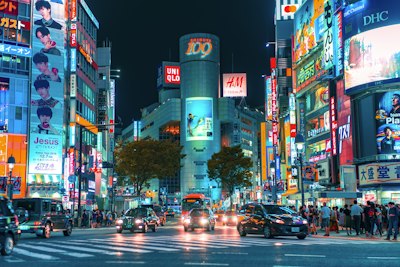
Start at the world's busiest intersection. Walk Takeshita Street for the full Harajuku sensory overload, then stroll Meiji Jingu shrine hidden in its forest. Evening: Shibuya's Ao no Dokutsu (Blue Grotto) if visiting Nov - Dec.
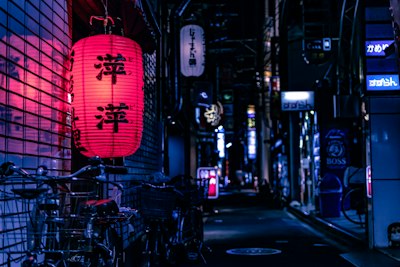
Shinjuku Gyoen is one of Tokyo's best cherry blossom spots (late March). After dark, explore Golden Gai - 200+ tiny bars crammed into six narrow alleys. Each holds 6-8 people. Pick one that looks inviting and talk to the bartender.
Ueno Park has the Tokyo National Museum, the zoo, and during sakura season, it's wall-to-wall hanami picnics with street food stalls selling yakitori and takoyaki. Walk south to Akihabara for anime, electronics, and maid cafés.
Tokyo's oldest temple. Arrive before 9am to avoid crowds. Nakamise-dori shopping street leading up to it sells traditional snacks and souvenirs. The five-story pagoda is remarkable at golden hour.
DisneySea is the one you can't get anywhere else - Mt. Prometheus, the Venice canals, the steampunk aesthetic. Book tickets online weeks in advance. Weekdays are significantly less crowded.
“Magical blue winter lights at Shibuya's Ao no Dokutsu in Tokyo!”
“Cherry blossoms in full bloom at Akashi Shrine, Kagurazaka”
“Cherry blossoms and street food stalls in Ueno Park, Tokyo”
“Tokyo Disneyland - Cinderella Castle. Night fireworks with a magical view”
Eat at a standing soba shop for lunch (¥500). Try an izakaya in Yurakucho under the train tracks for dinner. Conveyor belt sushi in Shibuya for a quick, excellent meal. Don't skip convenience store onigiri - they're genuinely great.
The 13-meter bronze Buddha has sat here since 1252. You can go inside the hollow statue for ¥200. Morning light is best for photos - the Buddha faces slightly east.
Famous for hydrangeas in June and its massive 11-headed Kannon statue. The observation deck has panoramic views of Sagami Bay. The jizo statues in the cave are hauntingly beautiful.
The main drag from Kamakura Station to Tsurugaoka Hachimangu. Lined with matcha dessert shops, craft stores, and small restaurants. Try the purple sweet potato soft-serve.
Kamakura's most important shrine. Walk the long approach from the beach through three torii gates. Cherry blossoms line the path in spring. The lotus ponds bloom in summer.
“Cherry blossoms in full bloom along Kyoto's Philosopher's Path”
Kamakura is famous for shirasu (whitebait) - try shirasu-don at any restaurant near the station. Fresh, local, seasonal. If it's off-season, they'll serve dried shirasu instead.
Sculptures set against mountain backdrops. The Picasso collection is surprisingly deep. The stained glass tower you can climb inside is the highlight. Covered enough to visit in light rain.
Take the Hakone Ropeway over sulfurous steam vents. Eat the famous black eggs (kuro-tamago) boiled in volcanic hot springs - legend says each one adds 7 years to your life. Check volcanic activity alerts before going.
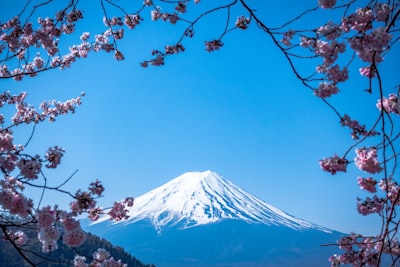
The pirate ship replica cruises across the lake with views of Mt. Fuji on clear days. Best Fuji visibility is early morning. Covered by Hakone Free Pass.
Hakone has hundreds of ryokans with private and public onsen. Book a ryokan with kaiseki dinner included - it's the classic Japanese experience. Tattoo-friendly options exist but book ahead. Tenzan Onsen is great for day visitors.
“Relaxing in a serene Hakone onsen with lush garden views.”
Most ryokans include multi-course kaiseki dinner and breakfast. If staying elsewhere, try tofu cuisine near Gora station or soba noodles in Hakone-Yumoto.
10,000 vermilion torii gates winding up a mountain. The first section is packed - keep climbing past the 30-minute mark and crowds thin dramatically. The full hike takes 2 hours round trip. Go at dawn or dusk for near-empty paths.
Arrive before 8am or skip it - midday crowds make it feel like a subway platform. While in Arashiyama, visit Tenryu-ji temple garden, cross the Togetsukyo Bridge, and ride the scenic Sagano train along the river gorge.
The gold-leafed pavilion reflecting in its mirror pond is one of Japan's most photographed sights. No interior access, but the grounds and tea garden are worth the visit. Afternoon light makes the gold glow.
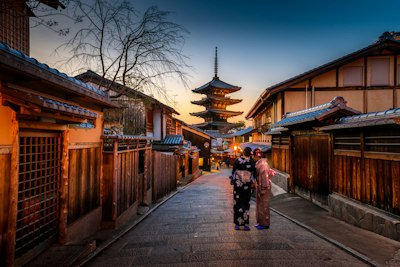
Gion is Kyoto's geisha district. Walk Hanami-koji street in the early evening for a chance to spot a maiko heading to an engagement. Philosopher's Path is a 2km canal-side walk lined with cherry trees - remarkable in spring, peaceful year-round.
Five blocks of food stalls selling everything from fresh yuba (tofu skin) to tamagoyaki (rolled omelet) on a stick. Go hungry. Arrive before noon for the best selection. This is lunch, not a quick snack stop.
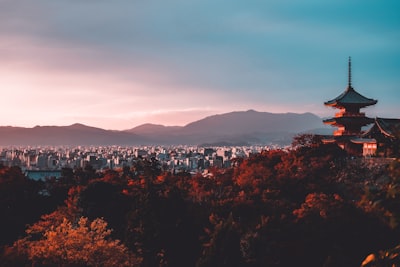
The massive wooden stage juts out over a hillside with panoramic city views. Cherry blossoms in spring, fiery maples in fall. The approach street (Higashiyama) has pottery shops, pickles, and matcha everything.
Pontocho alley along the Kamo River has restaurants at every price point. Try yudofu (hot tofu) near Nanzen-ji temple - a Kyoto specialty since the 15th century. Ramen at Ippudo or Ichiran for a late-night meal.
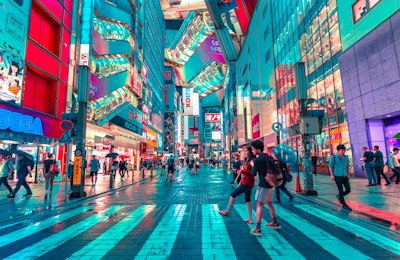
Osaka's neon-lit food street. The Glico Running Man sign is the Instagram shot. Eat takoyaki (octopus balls) from a street vendor, then okonomiyaki at a griddle restaurant. Walk along the canal at night for the full light show.
The castle itself is a concrete reconstruction, but the surrounding park is massive and beautiful - especially during cherry blossom season. The view from the top floor observation deck is worth the climb.
Known as 'Osaka's Kitchen.' Stall after stall of fresh seafood you eat standing up - grilled king crab legs, sea urchin, fatty tuna sashimi. Not cheap, but the quality is outstanding. Go before 11am.
The Wizarding World of Harry Potter and Super Nintendo World are the must-dos. Buy an Express Pass - lines regularly hit 90+ minutes without one. Weekdays are dramatically less crowded.
A throwback neighborhood with a Blade Runner feel. Kushikatsu (deep-fried skewers) is the local dish - never double-dip in the communal sauce. The area around Tsutenkaku Tower lights up beautifully after dark.
“Arrived at Universal Studios Japan in the afternoon… and still had an amazing time”
Osaka calls itself 'kuidaore' - eat until you drop. Takoyaki from Wanaka, okonomiyaki at Mizuno (expect a line), gyoza at Chao Chao. Late night: ramen in Shinsaibashi. Budget ¥3,000-5,000/day on food and you'll eat incredibly well.
Get JR Pass activation timing, real-time train schedules, creator content at every stop, safety scores, and weather forecasts for each city. One tap to hand off directions in Google Maps or Apple Maps.
Plan in Tourific
Real costs for 10 days in Japan. Based on actual prices, not outdated guidebook estimates.
Japan's yen has been historically weak since 2022, making it one of the best value-for-money destinations in the developed world. A trip that cost $5,000 in 2019 now costs closer to $3,500 for the same quality. The Tourific app tracks real-time exchange rates and local prices.
Get exact estimate in appJapan rewards travelers who respect its customs. These aren't suggestions - they're the difference between a good trip and a great one.
Buy your JR Pass before arriving in Japan - it saves hundreds of dollars and covers shinkansen (bullet trains), local JR lines, and some JR buses. Activate it at any major station.
Remove your shoes before entering temples, ryokans, and many restaurants. Look for a genkan (entryway) with shoe shelves. Carry clean socks.
Do not tip anywhere in Japan. Not at restaurants, not in taxis, not at hotels. It's considered rude and will cause confusion.
Carry cash. Many restaurants, temples, and small shops outside central Tokyo don't accept credit cards. 7-Eleven ATMs accept international cards and are everywhere.
Observe quiet rules on trains - no phone calls, keep conversations low, and don't eat on local trains (shinkansen dining is fine). This is taken seriously.
7-day Ordinary: ~$275 | 14-day: ~$440
7-day Green Car: ~$385 | 14-day: ~$600
Covers all JR trains including shinkansen (except Nozomi/Mizuho)
Use Hikari or Sakura shinkansen instead - same route, 10 min slower
Also covers JR buses and the Miyajima ferry
Rechargeable transit card for subways, buses, convenience stores
Tap-and-go at any station gate - no ticket buying
Works in Tokyo, Kyoto, Osaka, and most major cities
Load at any station machine or convenience store
Plan this exact route with AI-powered cost estimates, creator content at every stop, JR Pass timing, and one-tap navigation handoff.