Amman → Jerash → Dead Sea → Dana → Petra → Wadi Rum. From the Roman ruins of Amman to the candlelit Treasury of Petra, the alien landscapes of Wadi Rum, and the lowest point on Earth. Eight days through one of the most welcoming countries on the planet.
Jordan packs more world-class experiences into a small footprint than almost any country on Earth. You can stand inside a 2,000-year-old city carved into rose-red cliffs, float in water so salty nothing can sink, sleep under the stars in a Martian desert, and explore Roman ruins that rival anything in Italy - all within a week.
Petra alone would justify the trip. Walking through the narrow Siq canyon as the Treasury slowly reveals itself is one of those travel moments that genuinely stops you in your tracks. But Petra is just the headline. Wadi Rum's sandstone towers and red desert floor have stood in for Mars in multiple films because the landscape really does look like another planet. The Dead Sea is the kind of place you have to experience to believe. And Dana Nature Reserve offers hiking through ancient canyons in near-total solitude.
What elevates Jordan from great to exceptional is the hospitality. Jordanians are famous for it, and it is not a tourist act. You will be invited for tea by strangers, offered directions by people who walk you to your destination, and treated with a warmth that makes the whole country feel like visiting a friend. The phrase "Ahlan wa sahlan" (you are welcome) is not a greeting; it is a lifestyle.
The Jordan Pass is one of the best travel deals anywhere. For $70-80, you get your visa fee waived, Petra entry included, and free access to over 40 sites. The country is compact enough to drive the entire route in a week without feeling rushed.
Buy the Jordan Pass online at jordanpass.jo before your trip. It includes your visa fee (normally $40), entry to Petra (normally $50-70 depending on days), and free access to 40+ sites including Jerash, Ajloun Castle, and Wadi Rum. Choose the Petra option that matches your plan: 1-day ($70), 2-day ($75), or 3-day ($80). The 2-day pass is the sweet spot for most travelers.
8 days through ancient cities, alien deserts, and the warmest hospitality in the Middle East.
The hilltop Citadel overlooks all of Amman and has been continuously inhabited for over 7,000 years. The Temple of Hercules columns are the most photogenic spot. The small archaeological museum houses the Dead Sea Scrolls fragments. Go at sunset for the best views and golden light on the Roman ruins.
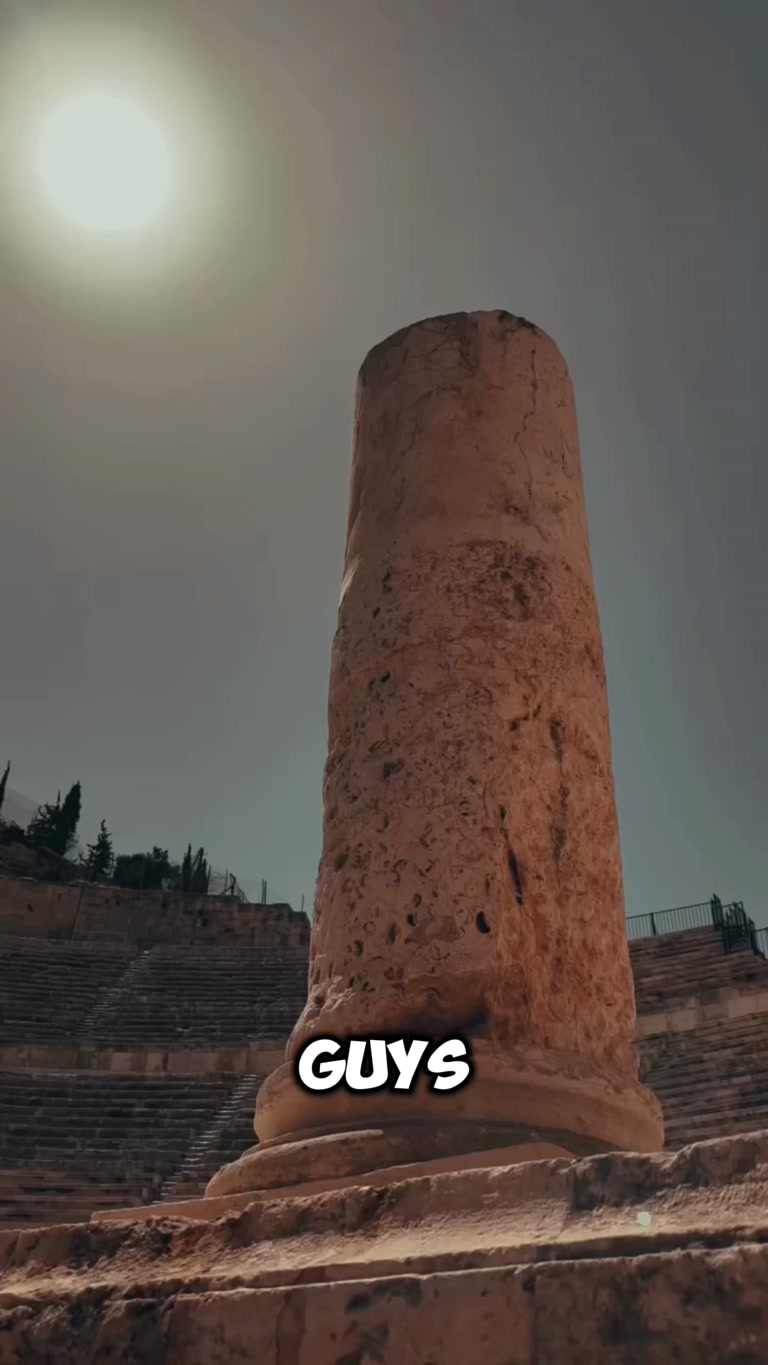
A 6,000-seat Roman amphitheater built in the 2nd century, still standing in the middle of downtown Amman. You can climb to the top for panoramic views. The acoustics are remarkable. Two small museums flank the theater with traditional Jordanian costumes and folk heritage exhibits.
Rainbow Street is Amman's trendiest strip with cafes, galleries, and rooftop bars. Walk downhill to the busy downtown souks around Al-Husseini Mosque. Try mansaf (the national dish) at a traditional restaurant. The energy shifts completely after dark when the street comes alive with locals.
45 minutes north of Amman, Jerash is one of the best-preserved Roman cities outside Italy. The Oval Plaza, the colonnaded street, and the Temple of Artemis are extraordinary. You could spend half a day here easily. Hire a guide at the entrance for $15-20 to bring the ruins to life.
“Exploring the ancient Roman Theater in Amman under the bright sun.”
Hashem Restaurant in downtown Amman is legendary. It's been serving falafel, hummus, and fuul for decades in an open-air alley setting. Always packed, always cheap, always excellent. For upscale Jordanian food, try Sufra or Fakhr El-Din. Kunafa (cheese pastry soaked in sweet syrup) from Habibah Sweets is a must.
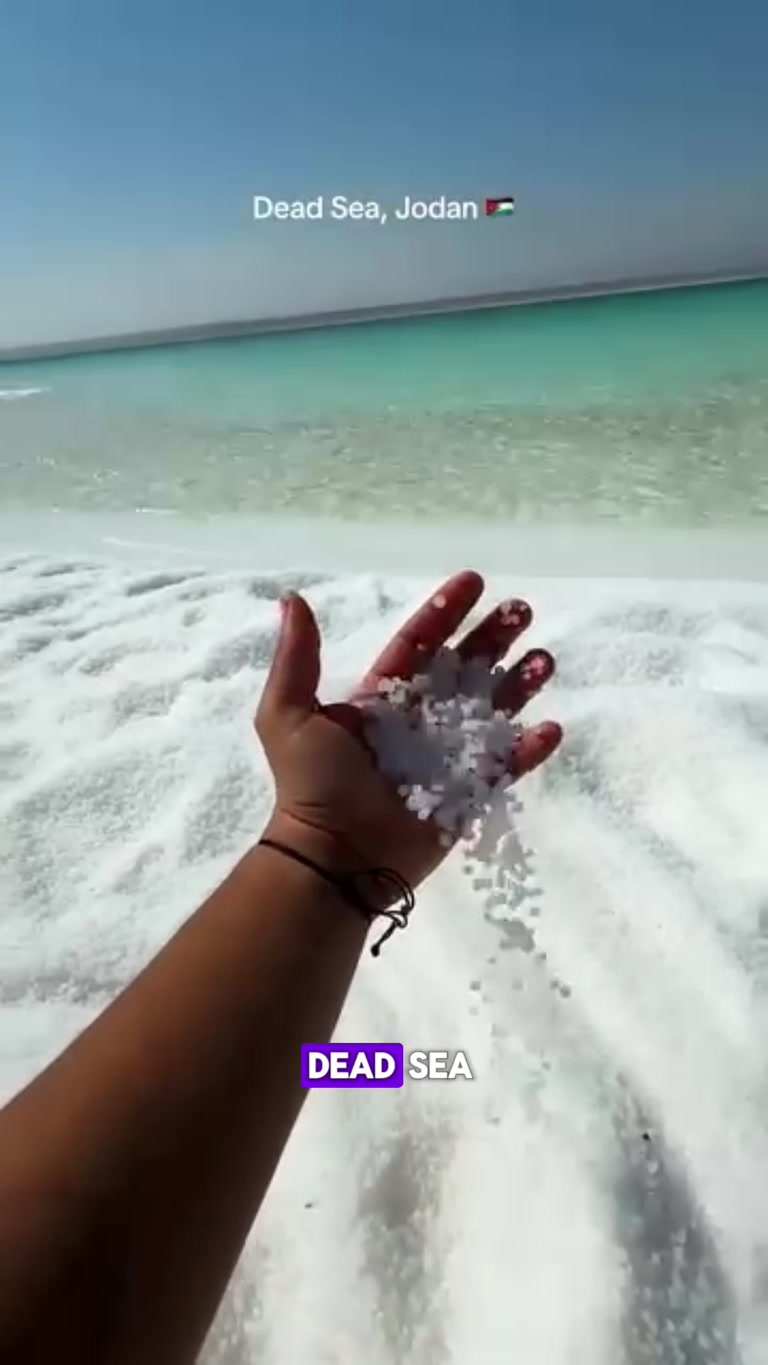
The Dead Sea sits 430 meters below sea level with water so salty (34% salinity) that you float effortlessly. Do not shave the day before. Do not get the water in your eyes (it burns intensely). Bring flip-flops because the salt crystal shore cuts bare feet. Cover yourself in the mineral-rich black mud for the full experience. Shower immediately after.
A museum and viewpoint on the cliffs above the Dead Sea with a small archaeological collection and swimming pool carved into the hillside. The views from here give you the full scale of the Dead Sea and the West Bank hills across the water.
Hot waterfalls cascading down a canyon wall into natural pools, about 30 minutes south of the Dead Sea resorts. The Evason Ma'In Hot Springs resort charges a day-use fee ($50-70) that includes pool and waterfall access. Worth it for the setting alone.
“Floating in the mineral-rich waters of the Dead Sea in Jordan.”
Dead Sea resorts all have restaurants, but prices are steep. If you are moving on to Dana, grab shawarma and falafel wraps in the town of Karak along the King's Highway. Karak Castle is worth a quick stop too.
The 15th-century stone village of Dana clings to the edge of a massive canyon. The viewpoint at the edge of the village looks out over the Wadi Dana valley stretching all the way to Wadi Araba. Best at sunrise. The village itself has been partially restored and has a guesthouse run by the Royal Society for Conservation of Nature.
A 14 km one-way hike from Dana Village down through the canyon to Feynan Ecolodge at the bottom. Dramatic sandstone formations, possible ibex sightings, and total silence. You need to arrange transport back or stay at Feynan. Bring 3+ liters of water. A guide is recommended but not mandatory.
One of the top 50 ecolodges in the world. No electricity (lit entirely by candles at night), solar-heated water, and Bedouin-guided hikes. The candlelit dinner is memorable. Even if you don't stay overnight, visiting for lunch or tea is worth the detour. Book well in advance.
“Exploring the spectacular landscapes of Dana Biosphere Reserve.”
Dana and Feynan lodges serve traditional Jordanian meals included in the room rate. The food at Feynan is vegetarian, locally sourced, and cooked by Bedouin chefs. At Dana Village guesthouse, the rooftop dinner overlooking the canyon is simple but the setting is world-class.
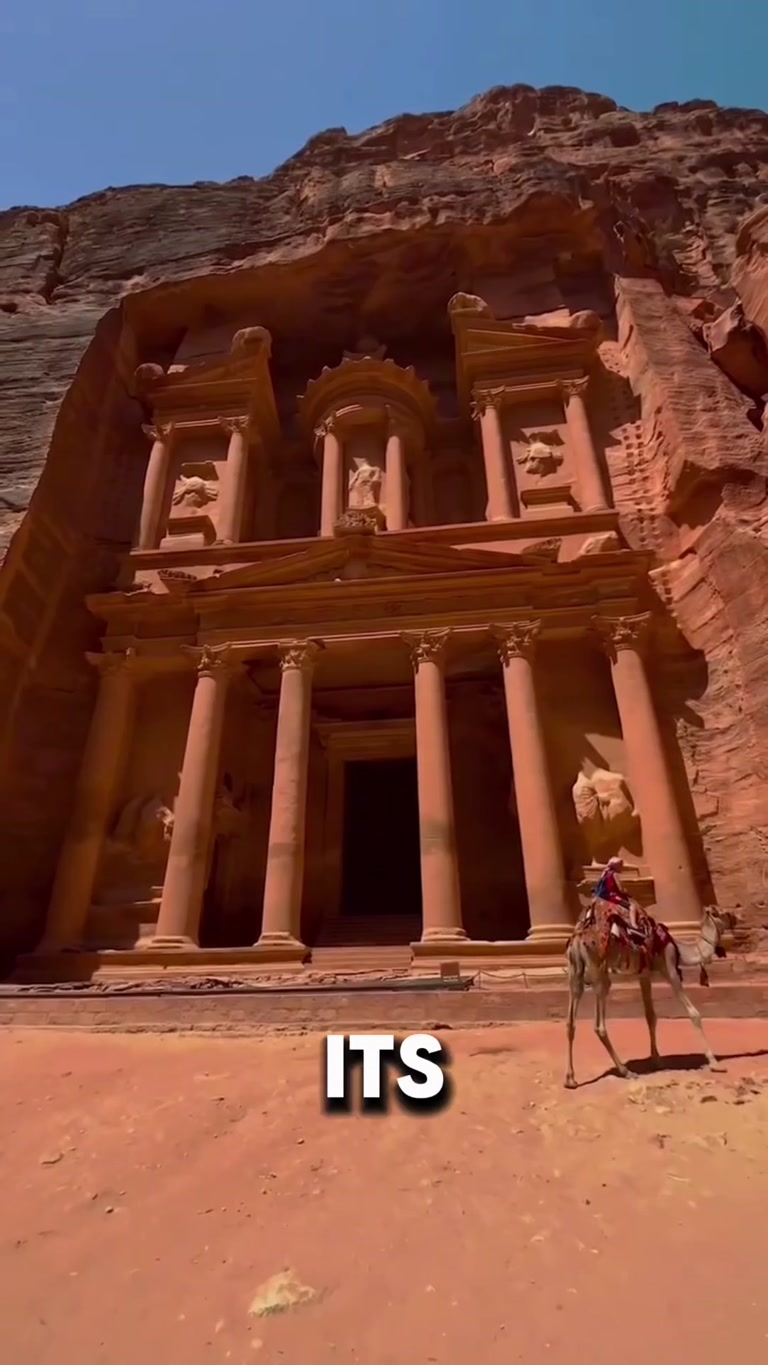
Walk the 1.2 km narrow gorge (the Siq) with walls towering 80 meters on either side. The moment the Treasury reveals itself at the end of the canyon is one of the greatest reveals in all of travel. Get there at 6am when the gates open. By 9am the Treasury area is packed with tour groups. The facade is 40 meters tall and carved directly into the rock face.
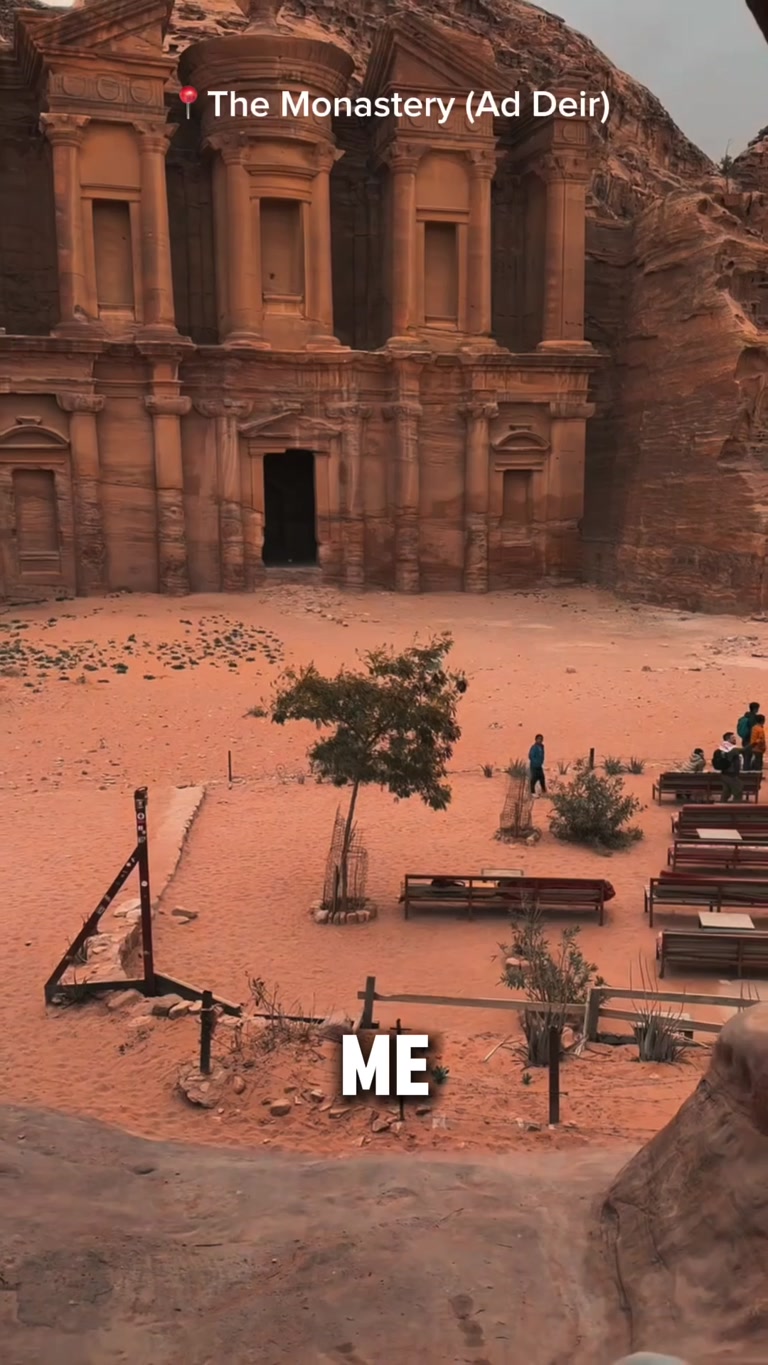
800 rock-cut steps climb to Petra's largest monument, even bigger than the Treasury but far less crowded. The hike takes 45 minutes up. There is a tea shop at the top with views over the Araba valley. Go in the afternoon when the front face catches the sun. Most tour groups never make it up here.
The main valley beyond the Treasury opens into a massive area with hundreds of carved tombs and temples. The Urn Tomb has an enormous interior hall. The Royal Tombs on the east cliff face are best photographed in the morning when sunlight hits them directly. Most people rush past these to reach the Monastery. Don't.
Available Monday, Wednesday, and Thursday nights. 1,500 candles light the path through the Siq to the Treasury. Bedouin musicians play traditional music in front of the candlelit facade. It is touristy, yes, but sitting in the dark with the Treasury glowing by candlelight is genuinely moving. Arrive early to get a good seat.
A steep climb to an ancient sacrificial altar with 360-degree views over all of Petra. Descend via the Wadi Farasa route past the Lion Fountain and the Garden Temple. This loop shows you a completely different side of Petra away from the main tourist trail.
“Exploring the majestic Monastery (Ad Deir) in Petra's ancient city.”
“Marveling at the ancient Treasury of Petra under the desert sun.”
The Cave Bar inside a 2,000-year-old Nabataean tomb is the most unique bar in Jordan. For dinner, Al-Wadi Restaurant has solid Jordanian food at fair prices. Budget travelers should eat at the sandwich shops along the main street in Wadi Musa. A two-day Petra pass ($55) is worth it because one day is not enough.
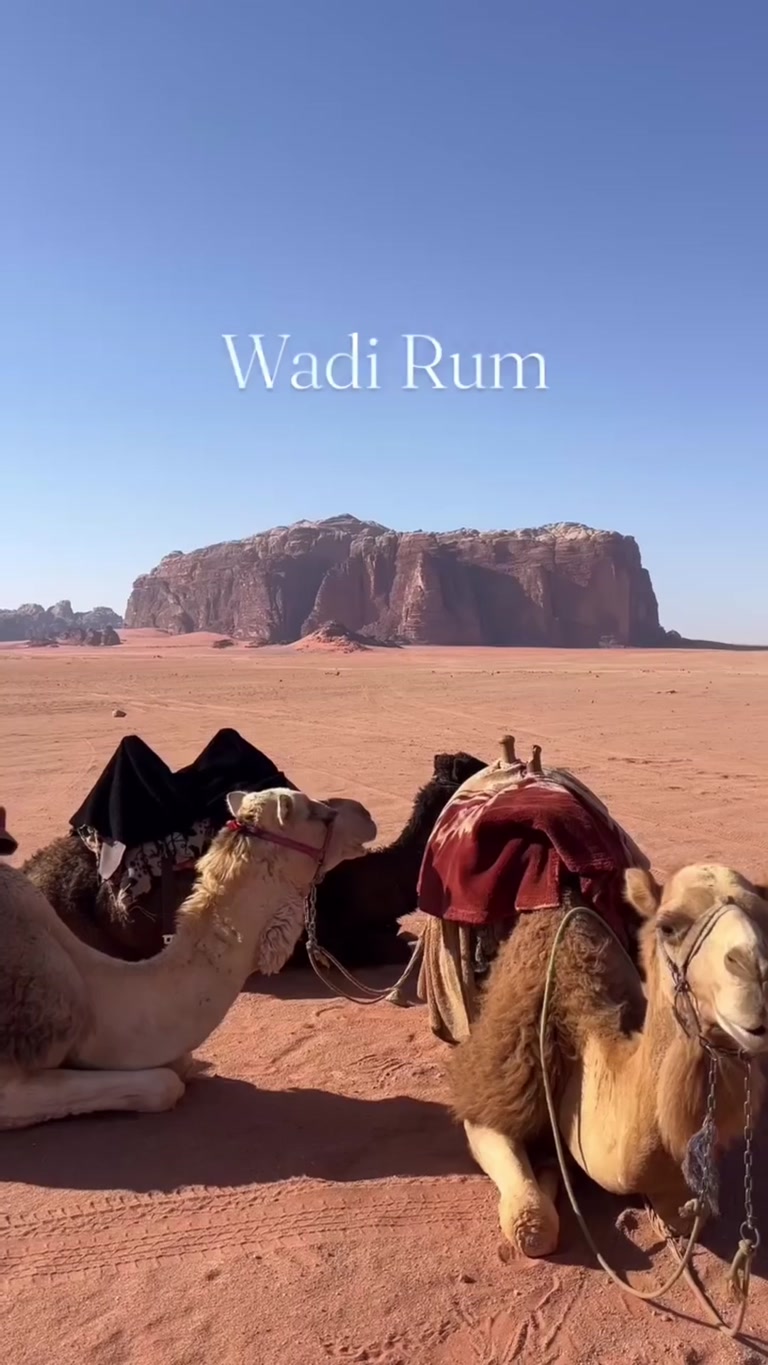
A Bedouin guide drives you in a pickup truck through the desert to towering sandstone formations, natural rock bridges, and ancient petroglyphs. The standard tour covers Lawrence's Spring, Khazali Canyon, and several rock bridges. The landscape is genuinely otherworldly. Lawrence of Arabia, The Martian, and Dune were all filmed here. Book through your camp.
Sleeping in the desert under a blanket of stars is the highlight of most Jordan trips. Camps range from basic (mattress in a tent, $30) to luxury (private geodesic domes with bathrooms, $200+). All include dinner cooked underground (zarb) and Bedouin tea around a fire. The silence at night is absolute.
Wake early and climb one of the small dunes near camp for sunrise. The red sand turns deep crimson as the sun rises. Camel rides through the desert are available for $20-40 per hour. Walking the desert floor at dawn, when it is still cool and the light is soft, is equally rewarding.
A natural sandstone arch you can climb and stand on top of for a photo that will make your friends think you are on another planet. The bigger arch (Um Frouth II) is more impressive but harder to reach. Your Bedouin driver will know the best one based on conditions.
Just 1 hour south of Wadi Rum, Aqaba is Jordan's only coastal city on the Red Sea. Great for snorkeling, diving, and fresh seafood. The Japanese Garden reef is accessible from shore. Aqaba is a tax-free zone, so shopping is cheaper here. A good way to end the trip before flying out.
“Exploring the remarkable desert landscapes of Wadi Rum by camel.”
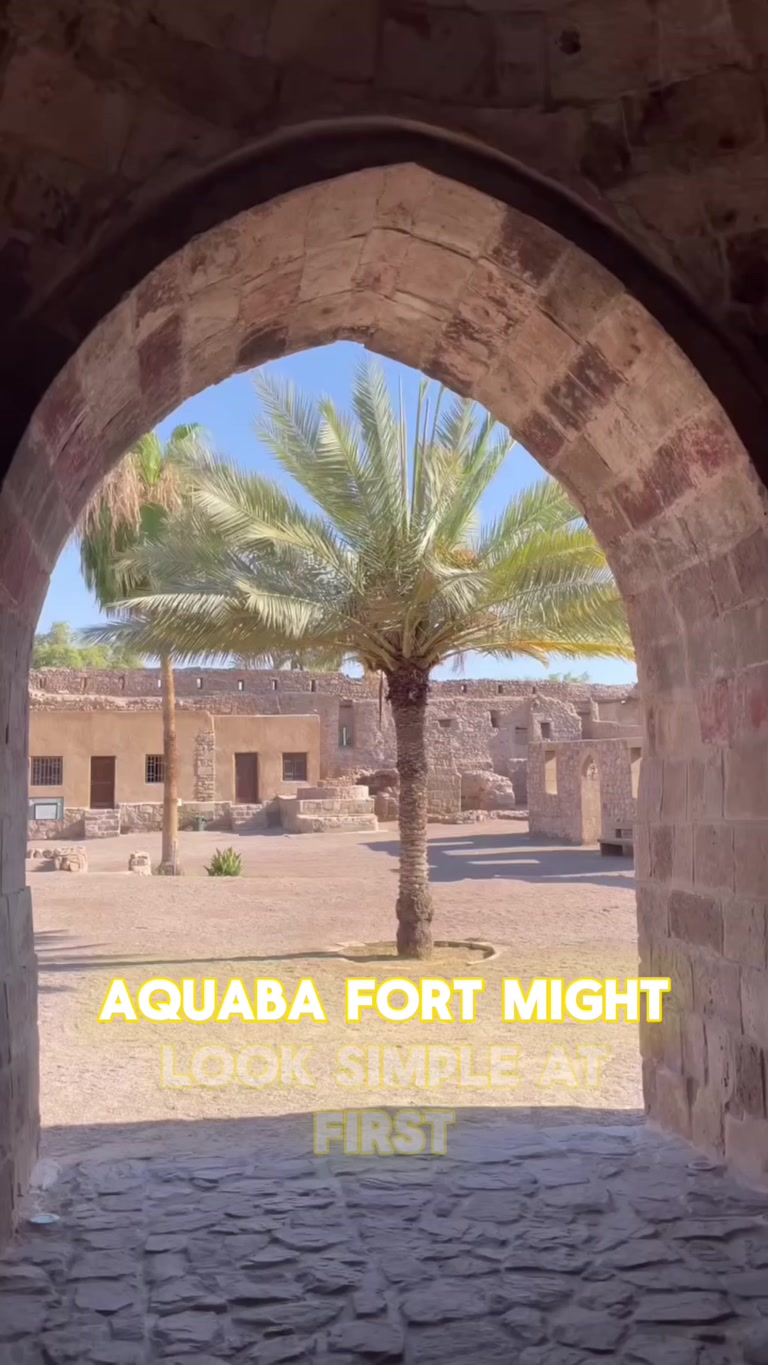
“Discover Aqaba Fort and the Red Sea for the perfect end to your Jordan trip.”
Your Bedouin camp cooks zarb for dinner. It is lamb, chicken, and vegetables buried in hot coals underground for hours. Simple, smoky, and delicious. In Aqaba, Ali Baba Restaurant serves fresh-caught Red Sea fish grilled to order. The fish market near the port is worth a morning visit.
Get Jordan Pass activation tips, real-time driving directions on the King's Highway, creator content at every stop, safety scores, weather forecasts, and one-tap navigation handoff.
Plan in Tourific
Real costs for 8 days in Jordan. The Jordan Pass makes this trip significantly cheaper than it looks.
Jordan is moderately priced by Middle Eastern standards. The Jordan Pass saves you $90+ compared to buying visa and site entries separately. The Tourific app tracks real-time costs and helps you stay on budget throughout the trip.
Get exact estimate in appJordan is safe, welcoming, and easy to navigate. These tips will help you get the most out of every stop.
Buy the Jordan Pass online before your trip. It covers your visa fee ($40 value), Petra entry ($50-70 value), and 40+ other attractions. At $70-80, it pays for itself immediately. Activate it at immigration.
Jordan is one of the safest countries in the Middle East for tourists. Violent crime against visitors is extremely rare. The biggest risks are aggressive taxi drivers overcharging and persistent souvenir sellers at tourist sites.
Dress modestly outside of resort areas. Cover shoulders and knees, especially in Amman's downtown, mosques, and smaller towns. Swimwear is fine at the Dead Sea and Aqaba beaches.
Rent a car if you are comfortable with Middle Eastern driving. Roads between major sites are good and well-signed. The King's Highway from the Dead Sea to Petra is one of the most scenic drives in the region. An international driving permit is required.
Water is safe to drink from the tap in Amman but tastes heavily chlorinated. Bottled water is cheap and available everywhere. In the desert (Wadi Rum, Dana), carry at least 3 liters per person per day.
Roads between major cities are well-maintained and signed in Arabic and English
The King's Highway (Route 65) from Dead Sea to Petra is remarkable but winding
The Desert Highway is faster but less scenic
International Driving Permit required alongside your home license
Gas is ~$1.30/liter. Most rental cars take 95 octane
Jordanian Dinar (JOD). 1 JOD = ~$1.41 USD (fixed rate)
ATMs available in all cities. Credit cards accepted at hotels and restaurants
Carry cash for markets, taxis, and smaller shops
Tipping 10% at restaurants is standard
Plan this exact route with cost estimates, creator content at every stop, Jordan Pass tips, and one-tap navigation handoff.