Kuala Lumpur -> Batu Caves -> Cameron Highlands -> Penang -> Langkawi. Ten days from the twin towers of KL through misty highland tea plantations, the greatest food city in Southeast Asia, and finally to a duty-free island paradise. Malaysia punches far above its weight in food, culture, and natural beauty.
Malaysia is the most underrated food destination on Earth. That is not an exaggeration. Three major cuisines (Malay, Chinese, and Indian) collide in a country where a RM 5 ($1.10) plate of char kuey teow from a street vendor regularly beats the output of Michelin-starred restaurants elsewhere. Penang alone is worth the flight.
But Malaysia is much more than food. This route strings together five wildly different landscapes: the futuristic skyline of KL where the Petronas Towers pierce the clouds, the rainbow stairs and limestone caves of Batu Caves, the misty tea plantations of the Cameron Highlands where the temperature drops 15 degrees, the UNESCO heritage streets and food temples of Penang, and the turquoise duty-free island paradise of Langkawi.
What makes Malaysia special for road trippers is the infrastructure quality. The highways are excellent, well-signed, and cheap (tolls are reasonable). English is widely spoken. The country runs on a mix of Malay, Chinese, and Indian cultural norms that means you get the warmth of Southeast Asian hospitality with the efficiency of a more developed economy. Getting lost is almost impossible and everything just works.
The value is extraordinary. A full 10-day trip on a mid-range budget costs less than a weekend in most European capitals. The luxury tier is similarly compressed. A five-star resort on Langkawi with a private beach costs what a standard hotel room costs in London or New York.
Renting a car is the most flexible option for this route. Malaysian highways are well-maintained and driving is on the left side (British system). Car rentals cost RM 100-200/day ($22-$44). Alternatively, intercity buses are comfortable and cheap (KL to Penang: RM 35-50). For Langkawi, take the ferry from Penang (2.5 hours, RM 60) or a short flight (35 min, RM 80-150). Grab works in all major cities.
10 days, 5 stops, from twin towers to tropical islands with the best food on the planet in between.
The 88-story towers were the world's tallest buildings from 1998 to 2004. Book Skybridge tickets (Level 41) and Observation Deck (Level 86) online at least 2 days ahead as they sell out. The KLCC Park below has a free public pool, playground, and jogging track. The fountain show runs every evening. The Suria KLCC mall at the base has excellent food courts.
The 272 rainbow-painted steps lead up to a massive limestone cave housing Hindu shrines. The 42-meter golden Murugan statue at the base is the tallest in Malaysia. Arrive before 9am to beat crowds and heat. Watch out for the macaque monkeys, they will grab food and bags. Free entry. Located 30 minutes from central KL by KTM Komuter train.
The most famous food street in KL. Hundreds of stalls and restaurants serve everything from satay to grilled stingray to durian. Sit at any plastic table and order from the stall behind it. The char kuey teow (fried flat noodles) and satay here set the standard. Prices are tourist-adjusted but still reasonable at RM 8-20 per dish.
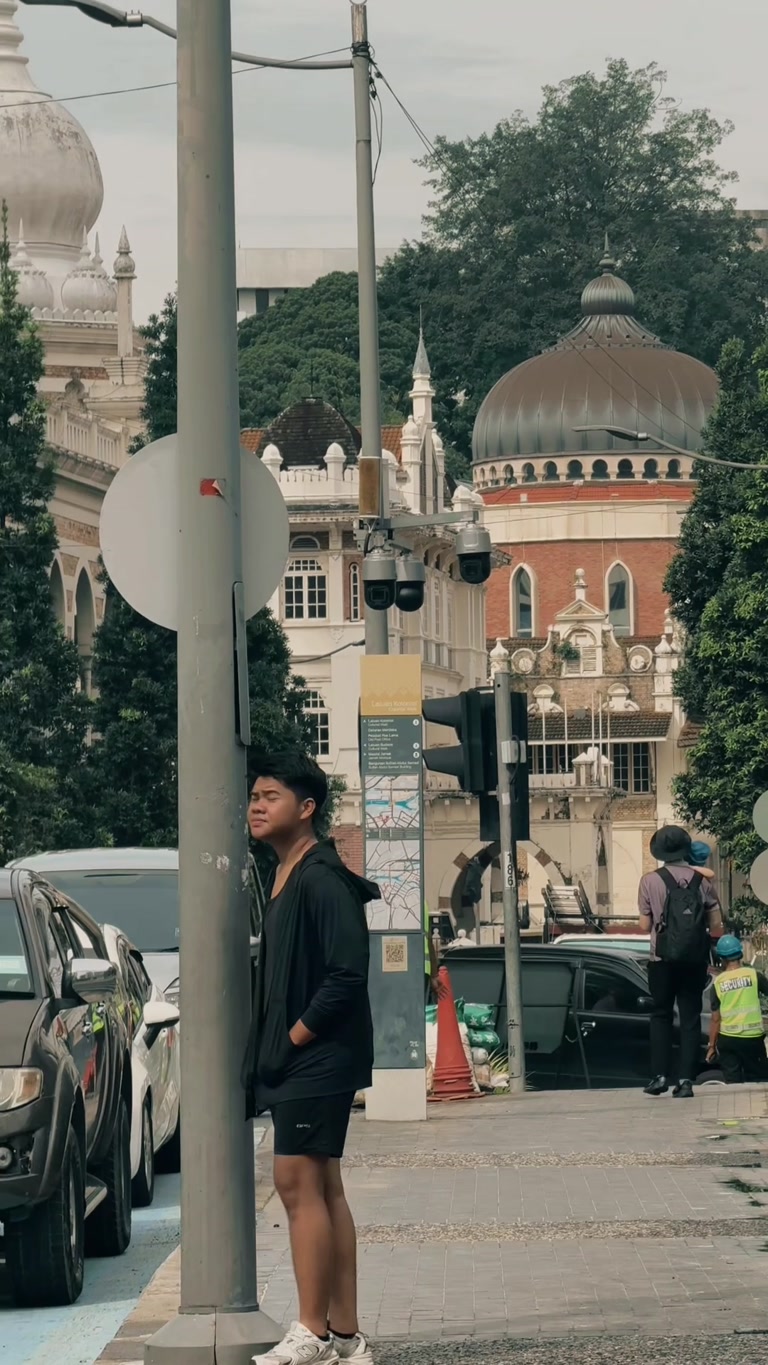
The Sultan Abdul Samad Building is one of the most photographed colonial structures in Southeast Asia. Walk through the square where Malaysian independence was declared in 1957. The Central Market (Pasar Seni) across the street sells batik, pewter, and crafts in an Art Deco building from 1888. Good for gifts.
The KL Tower observation deck is less crowded and cheaper than the Petronas Towers with arguably better views (because you can see the Towers from here). The Sky Box glass floor extension is worth the upgrade. Walk down to Bukit Bintang for malls, street shopping at Petaling Street, and the best variety of restaurants in the city.
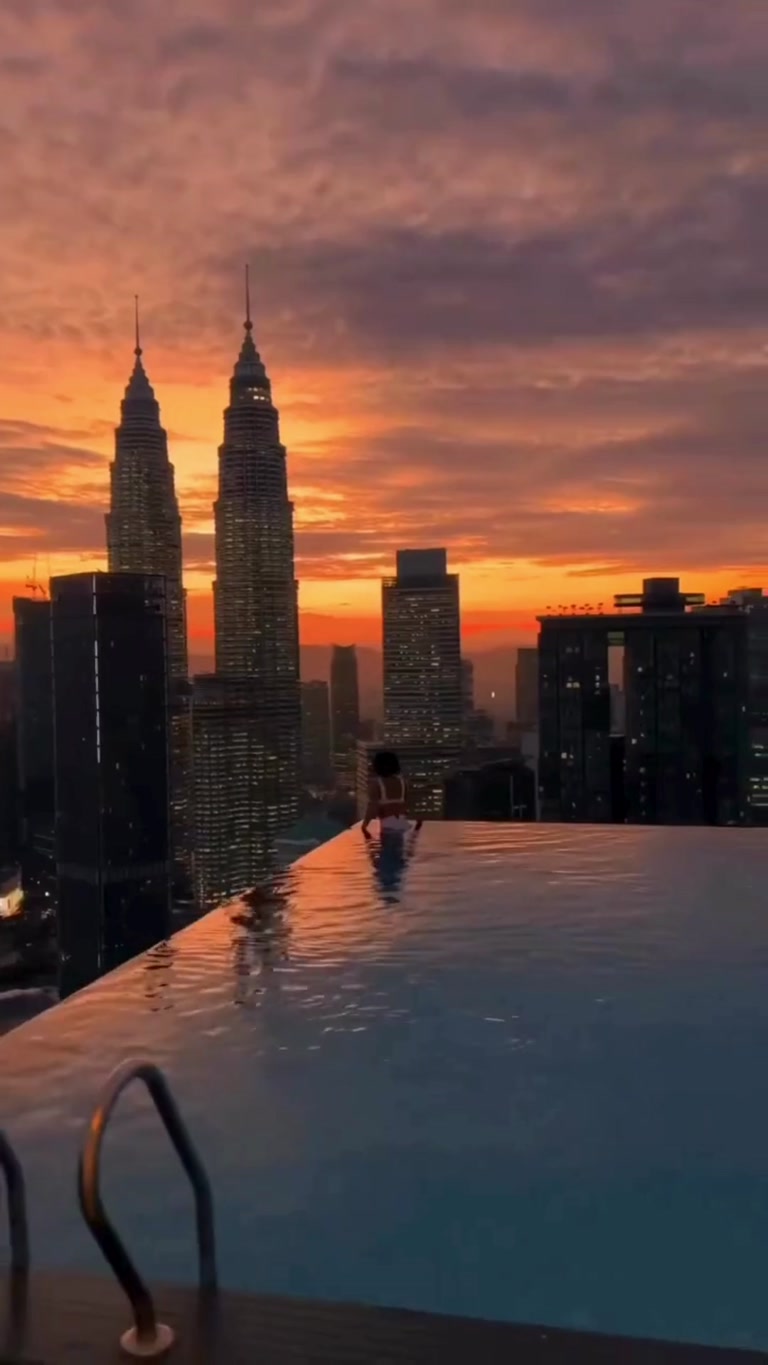
“Infinity pool views of the Petronas Towers at sunset.”
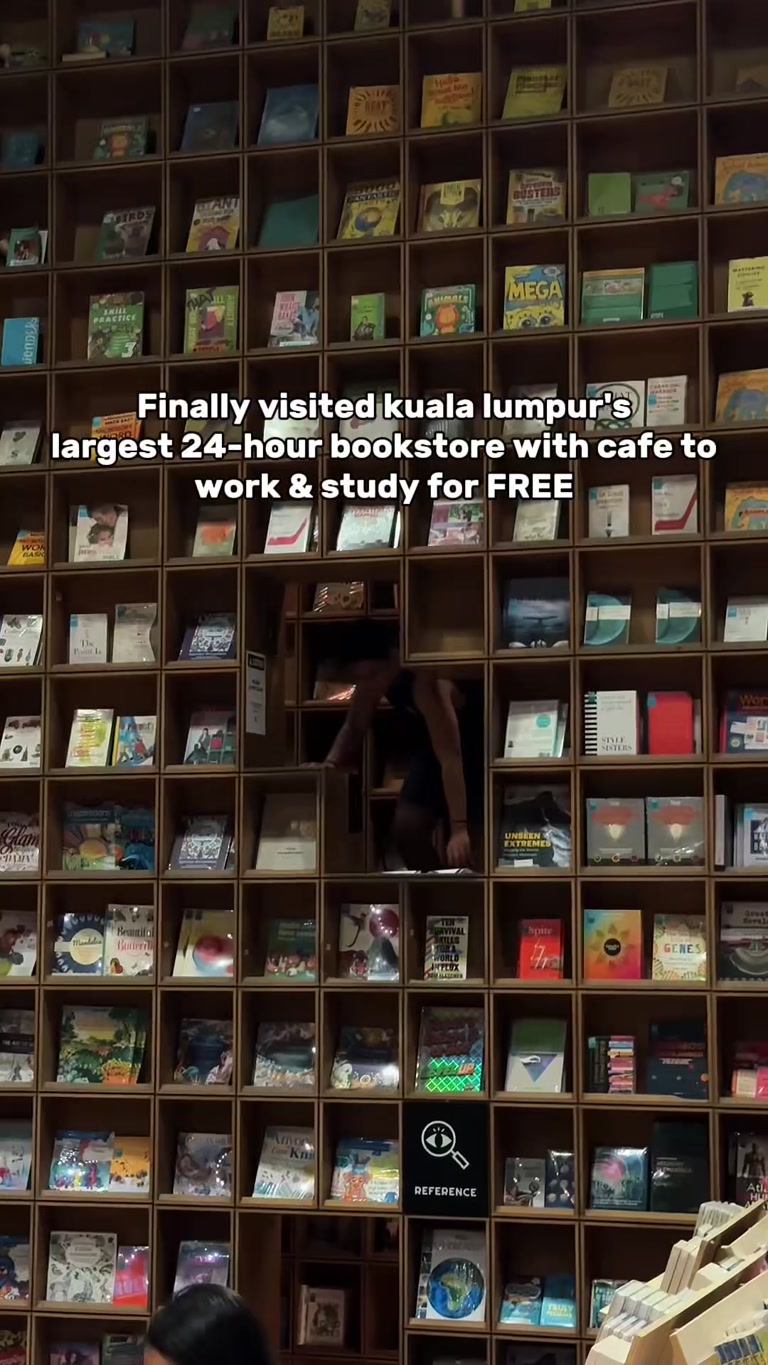
“Exploring Kuala Lumpur's largest 24-hour bookstore with a cozy cafe.”
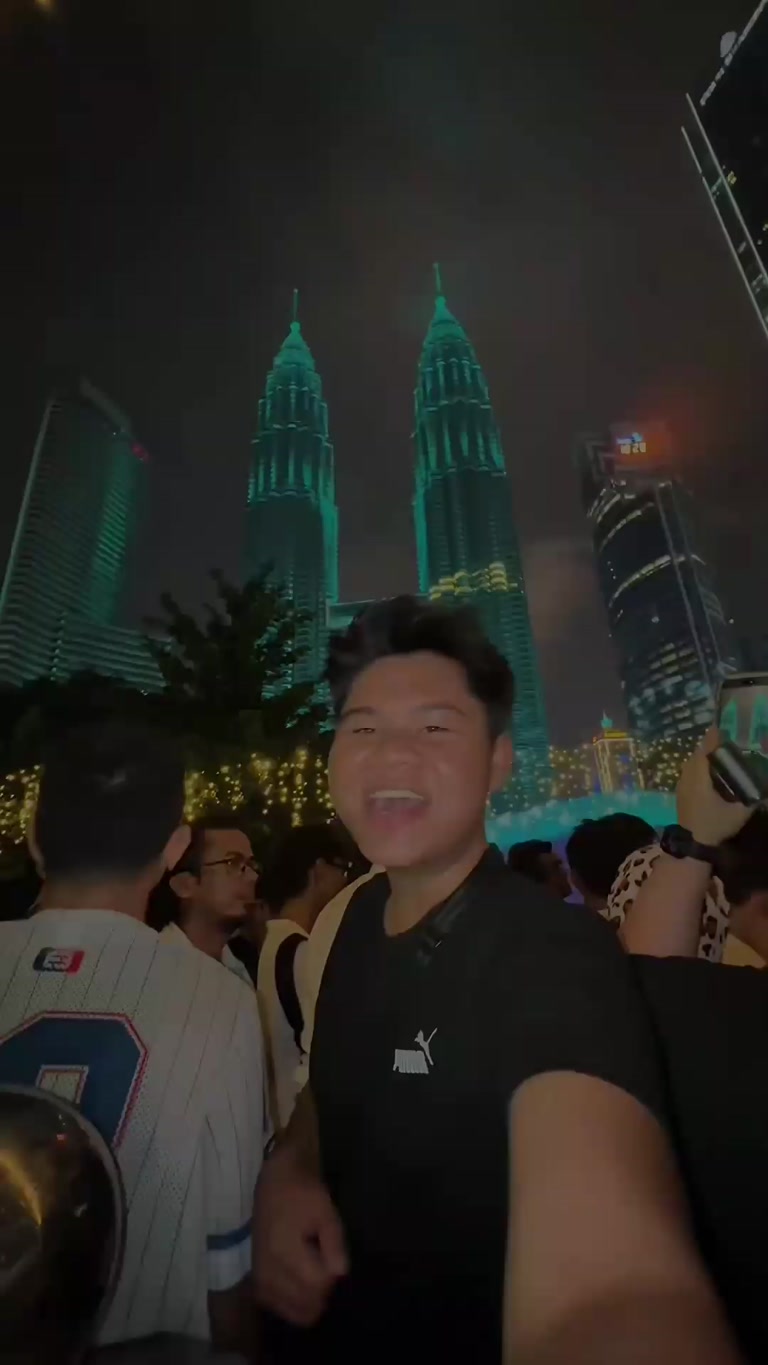
“Fireworks light up the night at the Petronas Twin Towers!”
“Exploring the historic heart of Kuala Lumpur near Sultan Abdul Samad Building.”
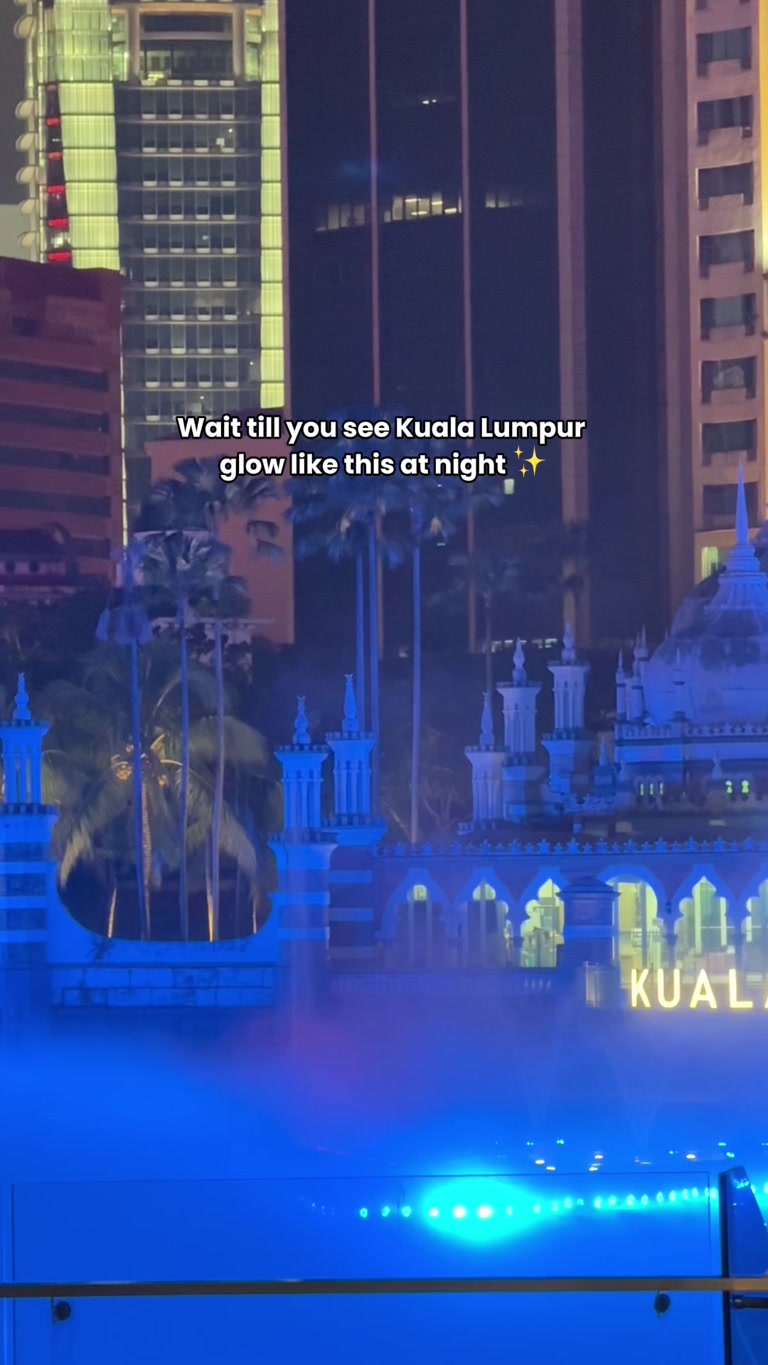
“Kuala Lumpur glows beautifully at night.”
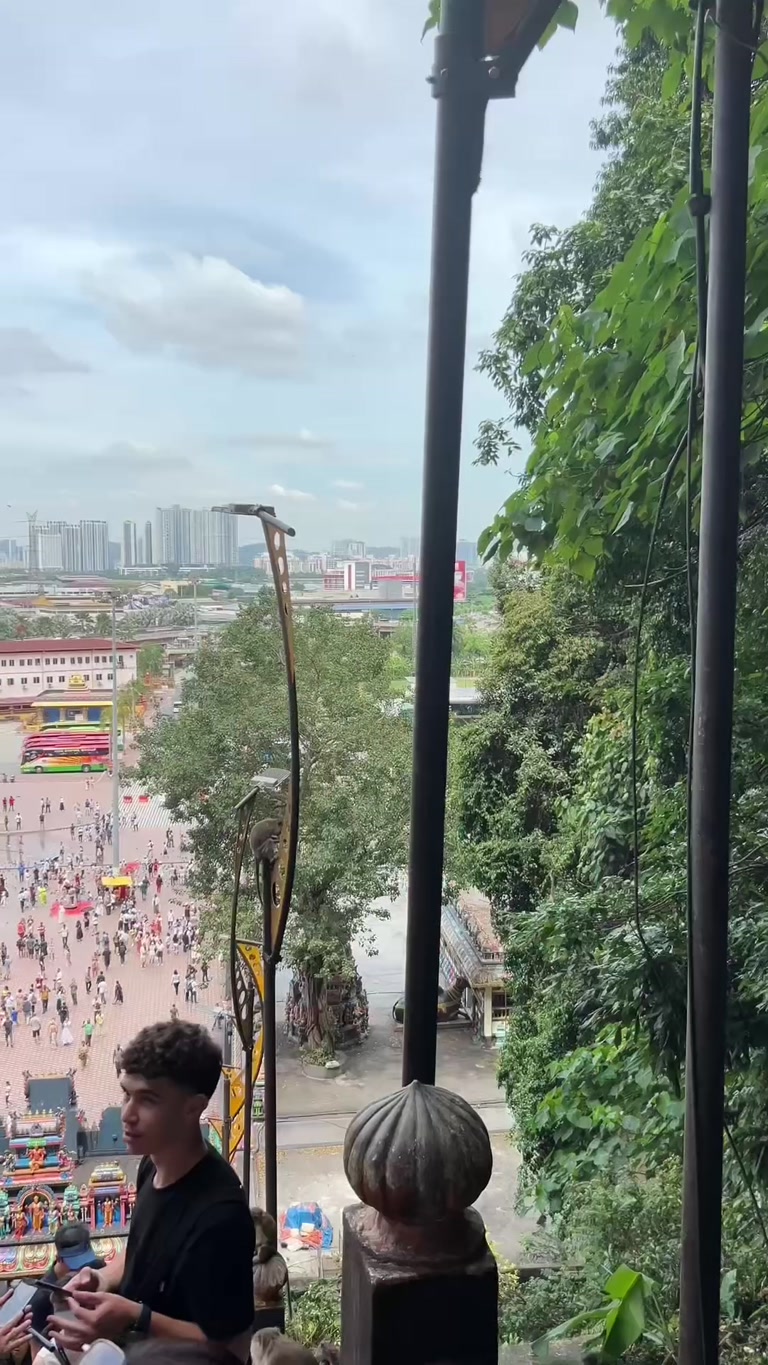
“Batu Caves, Malaysia. One of the most iconic spots in Malaysia. Famous for its giant golden statue and colorful stairs.”
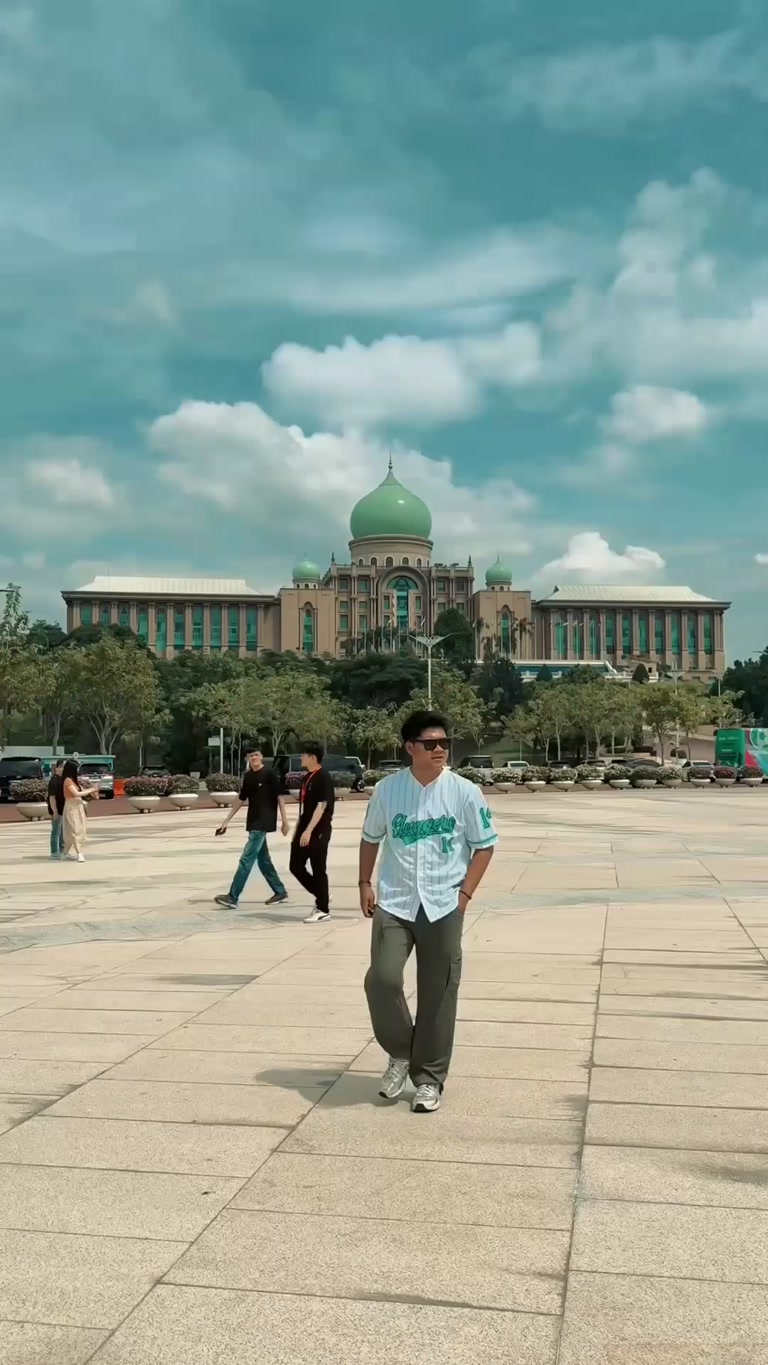
“Exploring the grand Perdana Putra in Putrajaya under blue skies.”
KL is one of the world's great food cities. Nasi lemak (coconut rice with sambal, anchovy, peanut, and egg) is the national dish and available everywhere from street stalls (RM 3) to upscale restaurants. Try roti canai at any mamak (Indian-Muslim) restaurant for breakfast. Banana leaf rice at Devi's Corner is legendary. For high-end, Dewakan serves modern Malaysian tasting menus.
Malaysia's most famous tea brand. The Sungei Palas estate has a visitor center with free tours explaining the tea-making process from bush to cup. The cafe at the top overlooks rolling hills of tea bushes in every direction. Try the BOH Seri Songket tea, their premium blend. Arrive early for the best light and fewer tour buses.
A boardwalk trail through a cloud forest at 2,000 meters elevation. The trees are covered in moss, ferns, and pitcher plants. The mist gives it an otherworldly atmosphere. Bring a jacket as temperatures drop to 15-18 degrees Celsius. Guided tours cost RM 50-80 and are worth it for the plant identification.
Cameron Highlands grows 90% of Malaysia's strawberries thanks to the cool climate. Several farms let you pick your own for RM 30-50 per basket. The strawberry ice cream and smoothies are the real draw. Raaju's Hill Strawberry Farm is one of the most popular.
The Friday and Saturday night market in Brinchang town sells highland produce, street food, and local crafts. The corn on the cob, fresh strawberry drinks, and steamboat ingredients are the highlights. Arrive early (5pm) for the best selection. Bring a jacket.
Steamboat (hotpot) is the signature Cameron Highlands meal. Restaurants like Barracks Cafe serve it with fresh highland vegetables. The scones with strawberry jam at The Smokehouse Hotel are a colonial-era tradition. For local food, the roti canai and tandoori chicken at the mamak shops in Tanah Rata are excellent and cheap.
A walking tour through George Town hits Chinese shophouses, Indian temples, Malay mosques, and British colonial buildings within blocks of each other. The street art murals by Ernest Zacharevic are scattered through the old quarter and have become Penang's most photographed attractions. Grab a free heritage trail map from any hotel.
Penang is widely considered the food capital of Southeast Asia. The char kuey teow at Lorong Selamat is legendary (expect a line). Assam laksa at Air Itam Market is consistently ranked among the world's best dishes. Cendol (shaved ice with palm sugar and coconut milk) at Penang Road Famous Teochew Cendol costs RM 3 and is worth the 20-minute queue. Budget an entire day just for eating.
The largest Buddhist temple in Southeast Asia, built into a hillside in Air Itam. The seven-story pagoda combines Chinese, Thai, and Burmese architectural styles. Take the inclined lift (RM 2) to the Kuan Yin statue at the top for panoramic views. During Chinese New Year, the entire temple is covered in thousands of LED lights.
Wooden stilt houses built over the water by Chinese clans in the 19th century. Chew Jetty is the largest and most tourist-friendly, with small shops and a temple at the end of the pier. Visit at sunset for the best photos. The other clan jetties (Lee, Tan, Lim) are less visited and more authentic.
Take the funicular railway (RM 30 for foreigners) to the top for views of George Town, the mainland, and the Andaman Sea. The air is noticeably cooler at the summit. The Habitat walkway and treetop walk at the top offer a canopy-level rainforest experience. Go late afternoon for sunset views.
The most famous hawker centre in Penang. The pasembur (Indian-Malay salad with sweet sauce), oh chien (oyster omelette), and rojak (fruit salad with shrimp paste) are the must-orders. Most dishes cost RM 5-12. Arrive by 6pm for the full selection. Some stalls sell out by 8pm.
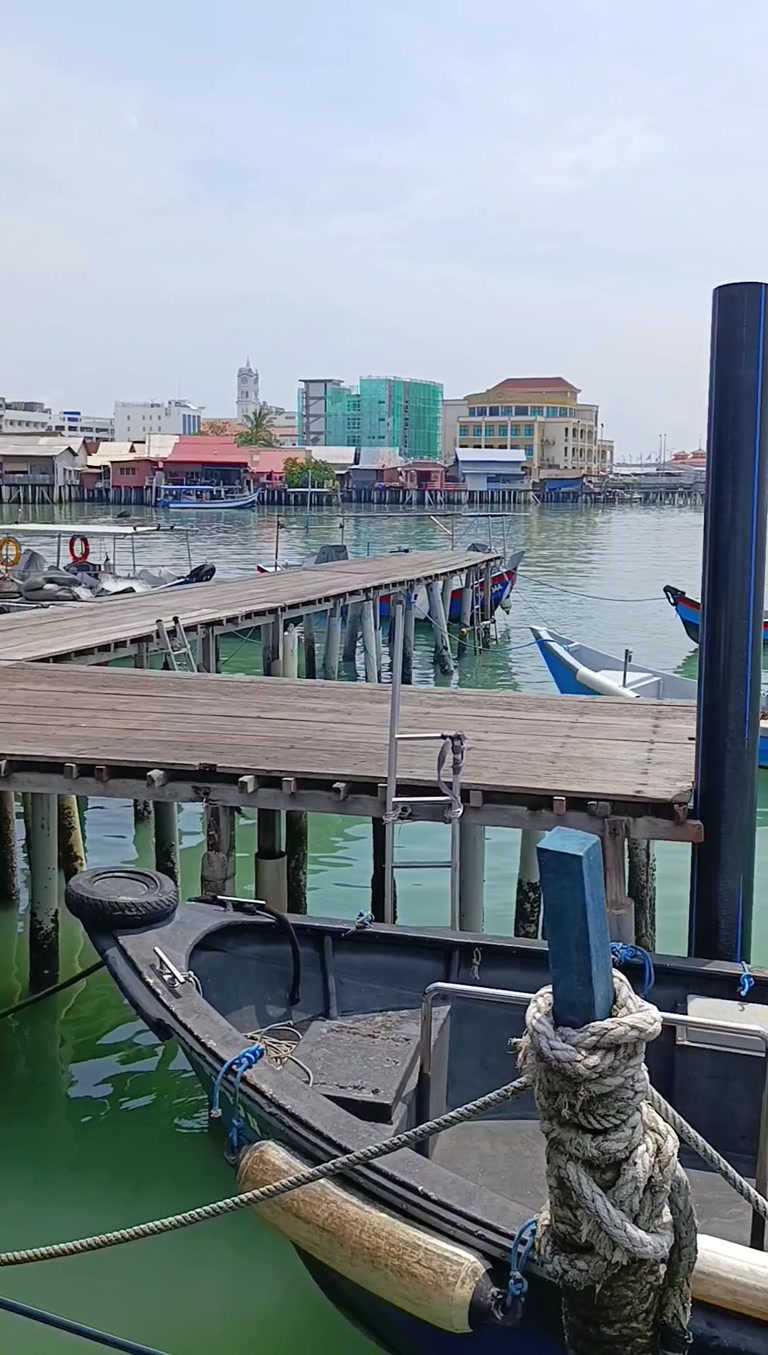
“Exploring the vibrant Chew Jetty and Penang street art in George Town!”
Penang food deserves its own trip. Beyond the famous spots: nasi kandar at Line Clear (24 hours, legendary curry), duck kway chap at Kimberley Street, chee cheong fun (steamed rice rolls) at any morning market, and ice kacang (shaved ice with beans and syrup) from any street vendor. A full day of eating in Penang costs RM 30-60 ($7-13) and rivals any city on Earth for quality.
The steepest cable car in the world takes you to the top of Gunung Mat Chinchang (708 meters). The Sky Bridge is a 125-meter curved pedestrian bridge suspended between two mountain peaks with glass floor panels. Book the express lane ticket (RM 120 vs RM 55 regular) to skip the 1-2 hour queue. Go on a clear morning for the best visibility.
The most beautiful beach in Langkawi. White sand, calm turquoise water, and dramatic limestone karsts in the background. Far quieter than Cenang Beach. There are no beachfront restaurants here (bring snacks and water), which is exactly why it stays pristine. Rent a car to get here as it is 30 minutes from the main tourist area.
The standard tour covers Pulau Dayang Bunting (Pregnant Maiden Lake where you can swim in a freshwater lake inside a limestone formation), Pulau Beras Basah (white sand beach stop), and eagle feeding at Pulau Singa Besar. Tours cost RM 35-50 per person and depart from Kilim Jetty. Book the morning tour for calmer seas.
A UNESCO Global Geopark. Boat tours navigate through mangrove channels flanked by 500-million-year-old limestone formations. You will see eagles, monkeys, monitor lizards, and horseshoe crabs. Stop at a floating fish farm for a fresh seafood lunch. The 4-hour mangrove tour (RM 250-350 per boat) is the best way to experience it.
Langkawi is a duty-free island. Alcohol, chocolate, and perfume are dramatically cheaper than mainland Malaysia. The shops along Pantai Cenang sell duty-free goods alongside beach bars and restaurants. The night market (different location each night) has cheap street food. Watch the sunset from any beach bar with a RM 10 cocktail.
Seafood is Langkawi's strength. The Wonderland Food Store in Kuah Town serves massive portions of butter prawns, black pepper crab, and steamed fish at reasonable prices. For beachfront dining, Nam at Bon Ton serves refined Malaysian-Western fusion. The night market sells laksa, satay, and nasi goreng for RM 5-10. Duty-free beer costs RM 3 per can from any shop.
Get real-time ferry schedules, hawker centre recommendations, creator content at every stop, safety scores, and weather forecasts for each city in Malaysia. One tap to hand off directions in Google Maps or Apple Maps.
Plan in Tourific
Real costs for 10 days in Malaysia. One of the best value destinations in the world.
Malaysia's ringgit has been favorable for foreign visitors in recent years, making an already affordable country even better value. The food alone is worth the trip, and eating at hawker centres keeps your daily food budget under $15 while delivering world-class quality. The Tourific app tracks real-time exchange rates and local prices.
Get exact estimate in appMalaysia is easy to travel and welcoming to visitors. These tips will make the trip even smoother.
Malaysia is one of the safest countries in Southeast Asia. Violent crime against tourists is rare. Petty theft (bag snatching from motorcycles) occurs in KL. Use grab-style bags, keep phones in pockets on busy streets, and avoid flashing expensive jewelry in crowded areas.
The tap water in Malaysia is technically treated but not recommended for drinking. Bottled water is cheap (RM 1-2) and available everywhere. Ice in restaurants and hotels is made from filtered water and is safe.
Malaysia is a Muslim-majority country. Dress modestly when visiting mosques (covered knees, shoulders, and head for women). Most major mosques provide robes and headscarves for visitors. During Ramadan, be respectful about eating in public during daylight hours, though tourist areas operate normally.
Grab (the Southeast Asian ride-hailing app) is the easiest way to get around Malaysian cities. It is cheaper and more reliable than taxis, which sometimes refuse to use meters. Download it before arrival. Payment works with cash or credit card.
The sun is intense year-round (Malaysia is near the equator). Heatstroke is a real risk if you spend extended time outdoors without hydration. Carry water constantly, wear sunscreen, and take breaks in air-conditioned spaces during midday.
1 USD = ~4.6 RM (approximate)
Credit cards accepted at malls, hotels, chain restaurants
Cash needed for hawker centres, markets, small shops
ATMs are widespread in cities
Touch 'n Go e-wallet is useful for tolls and transport
Visa-free for most nationalities (90 days)
US, EU, UK, Australia, Canada: no visa required
Passport must be valid for 6+ months
MDAC (Malaysia Digital Arrival Card) required before arrival
Plan this exact route with cost estimates, creator content at every stop, ferry schedules, and one-tap navigation handoff.