Mexico City → Chiapas → Oaxaca → Tulum → Cancún. From the ancient pyramids and street taco stands of Mexico City through Chiapas jungles, Oaxacan mezcal country, and Mayan cenotes to the Caribbean coast. Twelve days of ruins, flavors, and turquoise water.
Mexico is not what most people think it is. The country that invented chocolate, built pyramids larger than Egypt's, and created a cuisine so profound UNESCO declared it an Intangible Cultural Heritage is wildly underestimated by travelers who only know Cancún's hotel strip.
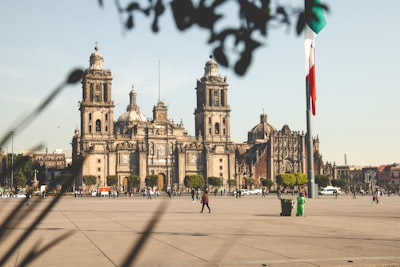
This route corrects that. It starts in Mexico City - a megacity of 22 million people that's experiencing a cultural renaissance, with a street food scene that rivals Tokyo and Bangkok combined. The Aztec Templo Mayor sits literally beneath the Spanish colonial cathedral, and both sit on what was once a lake city more impressive than Venice.
From there, you descend into Chiapas - the most indigenous state in Mexico, where Tzotzil Maya communities maintain traditions that predate the Spanish by centuries. Oaxaca follows, with its seven moles, top-tier mezcal, and Zapotec ruins older than Rome. Then the Yucatán Peninsula delivers the finale: Mayan ruins perched on Caribbean cliffs, cenotes (natural sinkholes) so clear they look CGI, and beaches that justify every superlative.
What makes Mexico exceptional for road trippers is the value. You can eat top-tier meals for $3, sleep in colonial boutique hotels for $60, and swim in cenotes for $5. The peso's purchasing power means experiences that would cost $200 elsewhere cost $30 here. And the warmth of Mexican hospitality - the genuine, arm-around-your-shoulder, sit-down-and-eat-with-us warmth - makes every interaction a memory.
This trip uses a mix of domestic flights and driving. Mexico City to Chiapas and Chiapas to Oaxaca are best done by flight (ADO luxury buses are an overnight alternative). From Cancún airport to Tulum and along the Riviera Maya, rent a car - the highway is modern and well-maintained. Always use toll roads (cuotas) between cities.
12 days from ancient pyramids to Caribbean beaches, through jungles, mezcal country, and cenote swimming holes.
One of the world's largest public squares. The Templo Mayor ruins sit right next to the cathedral - an Aztec pyramid literally under the Spanish colonial center. The museum is top-tier. Arrive early to avoid midday heat and crowds.
The only royal castle in the Americas, perched on a hill in a massive urban park. The views of Paseo de la Reforma from the balconies are remarkable. The National Museum of Anthropology at the park's base is arguably the best museum in Latin America - plan 3+ hours.
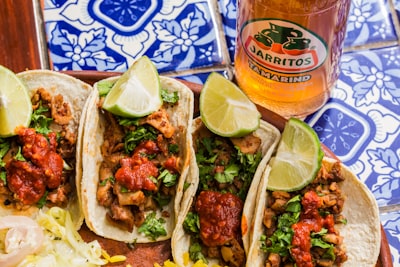
Forget sit-down restaurants on night one. Head to any taco stand with a crowd of locals. Al pastor (spit-roasted pork with pineapple) is the king. Suadero (beef brisket), longaniza (sausage), and blue corn quesadillas with huitlacoche (corn fungus - trust us) are essential. Tacos cost 10-25 pesos each ($0.60-$1.50).
Frida's Blue House (Casa Azul) requires advance tickets - book online weeks ahead. The surrounding Coyoacán neighborhood is one of CDMX's most charming, with cobblestone streets, churrerías, and the Mercado de Coyoacán for tostadas and micheladas.
The Pyramid of the Sun is the third-largest pyramid on Earth. Arrive at 8am opening to beat tour buses. Climb both pyramids (Sun and Moon) while it's still cool. The Avenue of the Dead stretches 2.5 km. Hire a guide at the entrance - the history is mind-blowing. Take an Uber or ADO bus from CDMX (1 hour). Bring sunscreen and water.
“Walking through the massive Zócalo at sunset - Mexico City's beating heart”
“Chapultepec Castle views over CDMX - the only royal castle in the Americas”
“Street taco crawl through CDMX - al pastor, suadero, and blue corn quesadillas”
Roma Norte is CDMX's foodie epicenter. Contramar for the best seafood in Mexico (arrive at noon, no reservations). Pujol for top-tier fine dining. El Huequito for OG al pastor since 1959. Mercado Roma for a curated food hall experience. Budget move: eat at market fondas for $3-5 complete meals.
Take a lancha (boat) from Chiapa de Corzo through the canyon. Walls rise 1,000 meters straight up from the river. You'll see crocodiles, spider monkeys, and the famous Christmas Tree waterfall (a moss-covered rock formation). Morning tours have better light. Book at the dock - no need for agency markups.
A highland town at 2,200 meters with indigenous Tzotzil culture deeply embedded in daily life. Walk the andadores (pedestrian streets), visit the amber museum, explore the Santo Domingo church and its textile market. The café culture is outstanding - Chiapas grows some of Mexico's best coffee. Nights are cold - bring layers.
A series of turquoise cascading waterfalls in the jungle. The color comes from limestone minerals. Swimming is possible in calmer pools during dry season (Nov - May). The road from San Cristóbal takes about 4 hours - combine with Misol-Ha waterfall (a single dramatic 35m drop) on the same day trip.
The church in Chamula is unlike anything you've seen - pine needles on the floor, thousands of candles, no pews, Coca-Cola used in rituals (seriously), and a syncretic blend of Catholic and Maya beliefs. Photography inside is strictly forbidden and enforced. Ask permission before photographing anyone in the village. Hire a local guide for context.
“The candy-colored streets of San Cristóbal de las Casas, Chiapas”
“Sumidero Canyon boat ride - 1,000-meter walls rising from the river”
San Cristóbal has an incredible food scene for its size. Try tamales chiapanecos wrapped in banana leaf, cochito (slow-roasted pork), and pozol (cacao and corn drink). Trattoria Italiana is unexpectedly great. Cacao Nativa for the best hot chocolate in Mexico - Chiapas is cacao country.
A Zapotec city built on a flattened mountaintop 2,500 years ago with 360-degree views of the Oaxaca Valley. The main plaza, ball court, and observatory are remarkably intact. Arrive at opening (8am) - by 10am it's hot and crowded. The on-site museum is small but excellent. Guide recommended for the astronomical alignments.
Visit palenques (small distilleries) in the villages surrounding Oaxaca - Santiago Matatlán is the 'World Capital of Mezcal.' Watch the full process: roasting agave in underground pits, crushing with a horse-drawn tahona, fermenting in open-air vats, and distilling in copper or clay pots. Most tastings are free. Don't compare it to tequila - mezcal is its own universe.
Oaxaca has seven signature moles - negro (the complex dark one), rojo, coloradito, amarillo, verde, chichilo, and manchamanteles. Mercado Benito Juárez and Mercado 20 de Noviembre are side-by-side. In 20 de Noviembre, find Pasillo de Humo (Smoke Alley) for grilled meats. Try tlayudas (Oaxacan pizza - a giant crispy tortilla with beans, cheese, and tasajo).
Petrified waterfalls - mineral deposits that look like frozen cascades on a cliff edge, with infinity pools you can swim in overlooking the valley. It's remote (about 1.5 hours from Oaxaca city). Colectivos run from Mitla. Go early for the pools to yourself. Combine with a stop at Mitla ruins (Zapotec geometric mosaics) on the way.
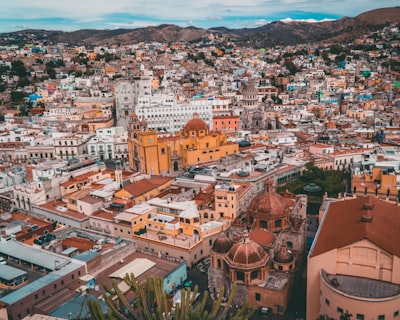
Oaxaca's historic center is UNESCO-listed. The green cantera stone buildings glow at golden hour. Santo Domingo church has one of Mexico's most ornate interiors. The Ethnobotanical Garden (guided tours only, book ahead) is built in former monastery grounds. Street art in the Jalatlaco neighborhood. Night: mezcal bars on Calle Macedonio Alcalá.
Casa Oaxaca for elevated Oaxacan cuisine. Los Danzantes for mezcal cocktails in a courtyard. Itanoni for handmade tortillas from heritage corn varieties - a religious experience. For budget eats, the comedores in Mercado de la Merced serve full meals for $2-3. Try chapulines (toasted grasshoppers with lime and chili) - crunchy, salty, delicious.
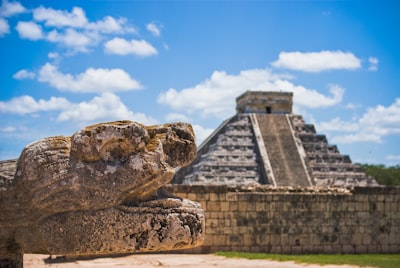
The only major Mayan ruin on the coast - a walled city perched on 12-meter cliffs above the turquoise Caribbean. The Castillo is the iconic shot. Arrive at 8am opening to get photos without thousands of people. Bring swimwear - there's a small beach at the base of the cliffs. Don't hire guides at the parking lot; get one at the entrance.
A half-open cenote 4 km from Tulum town. Crystal-clear water, stalactites, freshwater turtles, and underwater cave systems visible through the surface. Bring snorkel gear or rent it there. Arrive before 10am - by noon it's packed. Entry is about 500 pesos. The bat cave section is eerily beautiful.
Two connected sinkholes (the 'two eyes') that are part of one of the longest underwater cave systems on earth. Snorkeling is incredible - you can see divers' lights 30 meters below in the caves. Certified divers can book cave dives through authorized operators. The Bat Cave snorkel (with headlamp through a dark section) is memorable.
The hotel zone beach road (Carretera Tulum-Boca Paila) is lined with bohemian-chic beach clubs. Papaya Playa Project has the best parties. Ahau for a quieter vibe. Free public beach access at Playa Paraíso (the main public beach). Rent bikes in town to ride the 4 km to the beach - it's flat and easy. Sunset from the beach clubs is top-tier.
A 5,000 km² reserve south of Tulum with mangroves, lagoons, and Mayan canal systems. Book a tour that includes floating down the ancient Mayan canals - you literally float through a channel built 1,000 years ago. Dolphins, manatees, and hundreds of bird species. Worth the full day.
“Tulum ruins at sunrise - ancient Mayan city perched above the Caribbean”
“Swimming in Gran Cenote - crystal clear underground pools surrounded by stalactites”
“Cenote Dos Ojos - diving into the underworld the Maya believed in”
Tulum town (pueblo) is where locals eat - much cheaper than the beach zone. Taquería Honorio for breakfast tacos (Anthony Bourdain approved). Burrito Amor for creative Mexican fusion. On the beach: Hartwood (open-fire cooking, no reservations - line up at 5:30pm) and Arca for fine dining. Night: mezcal at Batey (they make drinks on a VW Beetle).
A 20-block pedestrian boulevard running parallel to the beach. More touristy than Tulum but genuinely fun - live music, mezcalerías, shops, and people-watching. The vibe picks up after 7pm. Skip the chain restaurants and find the side-street taquerías. The beach at the end of Constituyentes Avenue is less crowded.
Take the 45-minute ferry from Playa. Cozumel has the best snorkeling and diving on Mexico's Caribbean coast - the Palancar Reef and Columbia Reef are legendary. Rent a scooter to circle the island (1-2 hours). The windward (east) side has dramatic waves and empty beaches. Lunch at a palapa on the leeward side. Money Bar beach club has great free snorkeling off the shore.
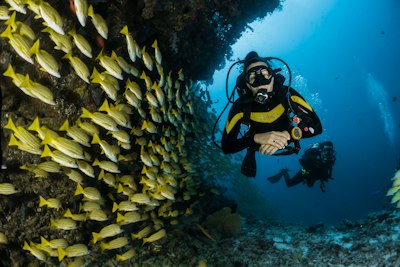
The Mesoamerican Barrier Reef (second largest on earth) runs right along the coast. You don't need a boat - several beaches have reef access from shore. At Cozumel, the drift snorkeling is effortless - the current carries you along the reef wall. Look for eagle rays, nurse sharks, sea turtles, and brain coral the size of cars.
Xcaret is a massive eco-archaeological park with underground rivers you swim through, a butterfly pavilion, jaguar habitat, and an incredible evening show featuring pre-Hispanic dances and mariachi. Expensive ($100+) but genuinely worth it for families. Xel-Há is more focused on snorkeling in a natural inlet. Book online for discounts.
“Fifth Avenue vibes - Playa del Carmen's pedestrian paradise at golden hour”
“Snorkeling the Mesoamerican Reef off Cozumel - second largest barrier reef on earth”
El Fogón for the best al pastor in the Riviera Maya (consistently packed with locals - good sign). La Cueva del Chango for a garden breakfast. Alux for an memorable setting - a restaurant inside an actual cenote cave. Budget: taco stands on 30th Avenue (the local street, away from Fifth).
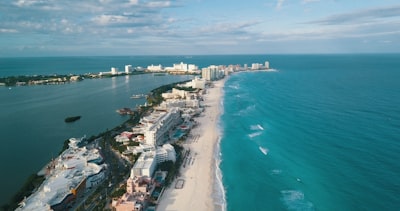
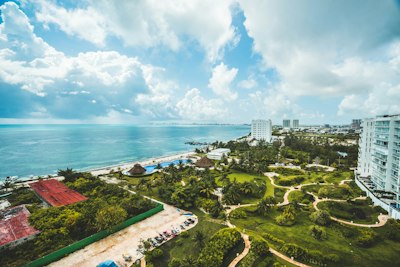
Cancún's Hotel Zone is a 22 km sandbar with the Caribbean on one side and the Nichupté Lagoon on the other. All beaches are public by Mexican law - you can walk onto any beach, even in front of luxury resorts. Playa Delfines (Dolphin Beach) is the iconic photo spot with the Cancún sign. The water is absurdly blue.
A 20-minute ferry from Puerto Juárez. Rent a golf cart and drive the entire island in 2 hours. Playa Norte is consistently ranked among the best beaches in the world - calm, shallow, crystal-clear. The south point (Punta Sur) has cliff sculptures. Watch the sunset from the north beach with a michelada. Return on the last ferry or stay overnight for a quieter experience.
Over 500 life-size sculptures submerged in the ocean between Cancún and Isla Mujeres. Snorkel or dive among art installations designed to become artificial reefs - coral is already growing on the figures. Glass-bottom boats available if you don't want to get wet, but snorkeling is 10x better.
Skip the Hotel Zone for dinner and head downtown. Parque de las Palapas is the local town square with street food vendors, elote (corn), marquesitas (Yucatecan crepes), and live music. Mercado 28 for souvenirs at half the Hotel Zone price. Tacos Rigo and Los de Pescado for incredible cheap eats.
“Isla Mujeres day trip - golf cart island with the best Caribbean sunset in Mexico”
Puerto Madero for a splurge seafood dinner overlooking the lagoon. Harry's Prime Steakhouse for top-tier steak. For real food: Tacos Rigo downtown for 15-peso tacos, Lonchería El Pocito for Yucatecan classics like cochinita pibil and papadzules. Try a marquesita - a crispy rolled crepe with Edam cheese and Nutella, sold by street vendors everywhere.
Get real-time peso exchange rates, cenote opening hours, safety scores for every region, creator content at every stop, and one-tap navigation handoff to Google Maps or Apple Maps.
Plan in Tourific
Real costs for 12 days across Mexico. One of the best value destinations in the Americas.
Mexico offers extraordinary value - you can eat three top-tier meals a day for under $15 total. The peso has been stable, and domestic flights are cheap if booked ahead (Volaris and VivaAerobus offer fares under $50 one-way). The Tourific app tracks real-time prices and exchange rates.
Get exact estimate in appMexico is incredibly welcoming, but knowing these basics will make your trip smoother and safer.
Don't drink the tap water - ever. Use bottled water for drinking, brushing teeth, and even rinsing fruit. Ice in restaurants and hotels is almost always made from purified water, but street vendor ice can be risky.
Use registered taxis or Uber/DiDi exclusively. In Mexico City, never hail a cab off the street - use sitio (taxi stand) taxis or ride-hailing apps. In smaller cities, look for authorized taxi stands. DiDi often has better rates than Uber in Mexico.
Only use ATMs inside banks or shopping centers - never street-facing ATMs. Skimming is common. Notify your bank before traveling. Withdraw larger amounts less frequently. Carry a mix of pesos and a backup card.
Tipping is 10-15% at sit-down restaurants. Propinas (tips) for taco stands aren't expected but rounding up is appreciated. Tip tour guides 100-200 pesos. Gas station attendants and parking lot attendants (franeleros) get 10-20 pesos.
Avoid driving at night on rural highways - livestock on roads, potholes, and topes (speed bumps) are poorly marked. Between cities, stick to cuota (toll) roads over libre (free) roads. Toll roads are well-maintained and significantly safer.
Volaris and VivaAerobus: budget carriers, fares from $30-80
Aeromexico: full-service, better for connections
Book 3-6 weeks ahead for best prices
Carry-on only saves significantly on budget carriers
ADO GL and Platino classes are comfortable (reclining seats, A/C, WiFi)
Overnight buses save on hotel costs
Book at ado.com.mx or at terminals - online is slightly cheaper
Colectivos (shared vans) connect smaller towns for $1-5
Essential for the Riviera Maya (Cancún - Tulum stretch)
Always buy full insurance - Mexican liability laws differ from the US/EU
Watch for topes (speed bumps) - they are everywhere and often unmarked
Gas stations are all Pemex - attendant service, tip 10-20 pesos
Plan this exact route with AI-powered cost estimates, creator content at every stop, safety scores for each region, and one-tap navigation handoff.