Casablanca to Chefchaouen. From the Atlantic coastline through ancient medinas and over the High Atlas Mountains to the Sahara Desert, then north through imperial cities to the blue pearl of the Rif Mountains.
Morocco is one of those rare countries where every day on the road feels like you've entered an entirely different world. In 10 days and 1,800 kilometers, you'll go from the crashing Atlantic waves of Casablanca to the ancient medinas of Marrakech, over the snow-capped High Atlas Mountains, past a UNESCO fortress that's starred in a dozen Hollywood blockbusters, into the endless dunes of the Sahara, and finally through the imperial city of Fes to the surreal blue streets of Chefchaouen.
What makes Morocco special for road trippers is the extreme diversity packed into a small country. Desert, mountains, coast, ancient cities, modern resorts, Berber villages, and Roman ruins, all connected by surprisingly good roads. The landscapes shift dramatically every hour.
Add in some of the best street food on earth, riads (traditional courtyard homes) that cost a fraction of European hotels, and a culture that's been welcoming travelers for centuries along the old caravan routes, and you have a road trip that delivers more unforgettable moments per dollar than almost anywhere else in the world.
10 days, 7 cities, from Atlantic coast to Sahara dunes to blue mountain medinas.
The third-largest mosque in the world, built on the Atlantic. Book a guided tour (one of the few mosques in Morocco open to non-Muslims). Morning light is best for photos.
Stroll the oceanfront promenade, grab fresh juice from a beachside cafe, and watch surfers tackle the Atlantic waves.
Smaller and less overwhelming than Marrakech's medina. Great for your first Moroccan souk experience. Try fresh-squeezed orange juice for 5 dirhams.
“Waves meet the grandeur of Hassan II Mosque in Casablanca.”
Try a seafood pastilla at Rick's Cafe (yes, inspired by the movie) or head to the Central Market for the freshest seafood in the country.
The beating heart of Marrakech. Visit during the day for juice stalls and snake charmers, then return at sunset when food stalls fire up. Watch your belongings.
Stunning Islamic architecture and tilework. Go early to avoid crowds. The palace courtyards are incredibly photogenic.
Leather, spices, lanterns, ceramics. Start at 40% of the asking price and negotiate from there. The deeper into the souk you go, the better the prices.
Yves Saint Laurent's former garden. The cobalt blue villa is iconic. Book tickets online to skip the line. Best in morning light.
A stunning fusion restaurant with incredible interiors. Perfect for a splurge dinner after days of street food. Dress up.
“Dining in style at Buddha-Bar Marrakech”
Street food at Jemaa el-Fnaa is legendary: try tangia (slow-cooked lamb), snail soup, and fresh pastries. For sit-down, Nomad and Le Jardin are excellent.
The highest road pass in North Africa at 2,260m. Winding switchbacks through the High Atlas. Stop at overlooks for dramatic mountain views. Drive carefully.
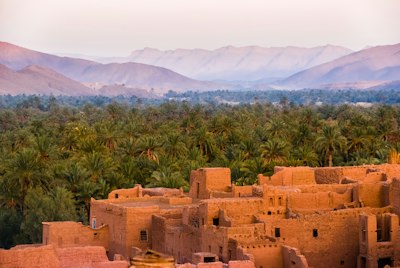
A fortified village dating to the 11th century, used as a filming location for Gladiator, Game of Thrones, and Lawrence of Arabia. Cross the river on foot and climb to the top for panoramic views.
Known as the 'Hollywood of Morocco.' Visit Atlas Studios if you're a film buff. Stock up on supplies here before the desert.
“Exploring the ancient ksar of Ait Benhaddou under the Moroccan sun.”
Simple but hearty tagines at local restaurants. The mechoui (slow-roasted lamb) in this region is exceptional.
One of Morocco's most scenic drives. A palm-lined valley through Berber villages along a winding river. Stop at Agdz for a tea break.
Towering sand dunes reaching 150m high. Book a camel trek at sunset, spend the night in a desert camp (glamping available), and wake for sunrise over the dunes. This is the highlight of the trip.
Traditional music and drumming around the campfire, stargazing with zero light pollution, and mint tea in the sand. Basic camps start at $30, luxury glamping at $200+.
“Camel rides by the historic Al Khor Fort under the desert sun.”
Desert camps serve traditional Berber tagine cooked in sand, fresh bread baked underground, and endless mint tea. Simple but unforgettable.
Dramatic 300m-high canyon walls. A popular rock climbing spot. Stop for photos and a quick walk even if just passing through.
A hidden valley of palm trees, natural rock pools, and waterfalls tucked in the Anti-Atlas mountains. Bring swimwear. Local guides will take you to the best pools.
A modern resort city with a wide sandy beach. Perfect for unwinding after the desert. The rebuilt kasbah on the hill offers sunset views over the entire city.
“Lush palm oasis in the heart of Paradise Valley, Morocco”
Agadir's port area has the freshest fish in southern Morocco. Point at your fish, they grill it. Also try the local argan oil-drizzled amlou (almond butter).
The world's largest car-free urban area. Over 9,000 alleyways. You WILL get lost without a guide. Hire an official guide at Bab Bou Jeloud (the Blue Gate). It's worth every dirham.
One of the oldest tanneries in the world. Watch leather being dyed in ancient stone vats. Go in the morning for best light. You'll be offered mint to hold under your nose (the smell is intense).
Morocco's holiest town, recently opened to overnight stays for non-Muslims. A hillside medina with stunning views, vibrant pottery workshops, and zero tourist crowds. The Roman ruins of Volubilis are 5 minutes away.
The best-preserved Roman ruins in North Africa. Remarkably intact mosaics. Go early morning or late afternoon for the best light and fewer visitors.
“Exploring the iconic Bab Bou Jeloud gate in Fes Medina.”
“Exploring Moulay Idriss Zerhoun's hillside medina and vibrant pottery shops.”
Fes is Morocco's culinary capital. Try pastilla (pigeon pie with cinnamon), rfissa, and the famous Fassi mechoui. Riad Fes has an incredible rooftop restaurant overlooking the medina.
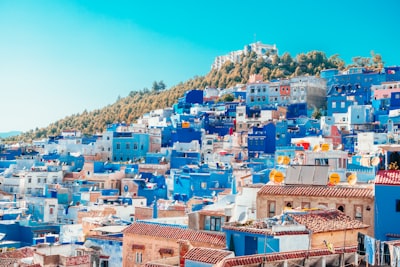
Every wall, door, and staircase is painted in shades of blue. Wander without a plan. The best photos are in narrow alleys off the main paths. Early morning has the best light and fewest people.
A small waterfall at the edge of the medina where locals wash wool. Follow the sound of rushing water. Great spot to sit and take in the mountain setting.
A 20-minute uphill hike to a ruined mosque with the best panoramic view of Chefchaouen's blue medina against the Rif Mountains. Go for sunset.
“Vibrant blue streets and mountain views in Chefchaouen.”
Try fried fish with chermoula sauce, fresh goat cheese from the Rif Mountains, and the local kif-infused (hemp) cookies if you're adventurous. Bab Ssour has great rooftop dining.
Get turn-by-turn waypoints, real-time cost estimates, creator content at every stop, safety scores, and weather forecasts. One tap to hand off to Google Maps or Apple Maps.
Plan in Tourific
Morocco is incredibly affordable. Your money stretches further here than almost anywhere in the Mediterranean region.
Want exact costs tailored to your travel style? The Tourific app calculates precise daily budgets based on your preferences, accommodation type, and real-time prices.
Get exact estimate in appMorocco is safe and welcoming, but knowing the culture saves you money and hassle.
Negotiate EVERYTHING. Souks, taxis, tours, even some restaurants. Start at 30-40% of the asking price and work up. It's expected and part of the culture.
Dress modestly, especially women. Cover shoulders and knees in medinas and rural areas. Chefchaouen and Fes are more conservative than Marrakech.
Don't drink tap water anywhere in Morocco. Stick to bottled water, even for brushing teeth. Avoid ice in drinks outside upscale restaurants.
Carry small dirhams (10, 20, 50 notes). Many small shops and taxis can't break large bills. ATMs are widely available in cities.
Hire an official guide in Fes medina. It's genuinely a maze with 9,000+ alleys. Unofficial guides will approach you but official ones wear badges and know the real stories.
Be firm with persistent vendors and 'helpers.' A polite but firm 'la shukran' (no thank you) works. Don't engage or make eye contact if you're not interested.
1 USD = approx. 10 MAD (check current rates)
ATMs widely available in cities, rare in rural areas
Cash preferred in souks, small shops, and taxis
Credit cards accepted at hotels and upscale restaurants
Tipping: 10-15% at restaurants, 20-50 MAD for guides
Plan this exact route with AI-powered cost estimates, creator content at every stop, and one-tap navigation handoff.