Kathmandu - Chitwan - Pokhara - Annapurna Circuit Base. From the ancient temples of Kathmandu Valley to jungle safaris in Chitwan, the lake city of Pokhara, and high into the Annapurna Himalayas. Ten days that cover the full range of what makes Nepal one of the most rewarding destinations on earth.
Nepal packs an absurd amount of diversity into a country smaller than Arkansas. In 10 days you can walk through medieval temple squares in Kathmandu, spot rhinos from a canoe in subtropical jungle, paraglide above a Himalayan lake, and trek to the base of 8,000-meter peaks. The altitude range alone - from 60 meters in the Terai plains to over 4,000 meters in the Annapurna region - creates ecological and cultural zones that feel like different planets.
This route follows the classic traveler's circuit that has been refined over decades. Kathmandu for cultural immersion, Chitwan for wildlife that most people associate only with Africa, Pokhara for the transition from lowland comfort to mountain life, and then the Annapurna region for trekking that ranges from accessible 3-day loops to serious multi-week circuits.
Nepal remains one of the most affordable travel destinations in Asia. A full day of meals costs what a single lunch costs in Western Europe. A private room in a well-reviewed hotel runs $15-30. A licensed trekking guide with decades of experience charges $25-35 per day. The value per experience here is almost unmatched anywhere in the world.
The people make it. Nepali hospitality is not performative - it comes from a culture that treats guests as honored visitors. You will be invited for tea by strangers, fed more dal bhat than you can handle, and genuinely looked after on the trail. The phrase "Namaste" (I honor the divine in you) is not just a greeting here - it reflects how most Nepalis actually approach the world.
All Annapurna region treks require two permits: a TIMS card (Trekkers' Information Management System, ~$20) and an ACAP permit (Annapurna Conservation Area Permit, ~$30). Both can be obtained at the Nepal Tourism Board in Kathmandu or at the checkpoint in Pokhara. Since 2023, solo trekking without a guide is no longer permitted in the Annapurna region - you must hire a licensed guide.
10 days from temple squares to mountain peaks, with jungle and lakeside stops along the way.
One of the largest spherical stupas in the world. The massive white dome with Buddha's painted eyes watches over you from every angle. Walk clockwise around the stupa with the locals, spinning prayer wheels as you go. The rooftop restaurants surrounding it serve good Tibetan food with a direct view of the stupa - grab a window seat at Stupa View Restaurant for momos and butter tea.
Perched on a hill west of the city with 365 steep steps to the top. The monkeys that give it its nickname are everywhere - they will steal food, sunglasses, and anything shiny. Secure your belongings. The view from the top covers the entire Kathmandu Valley. Come at sunrise when the prayer flags catch the first light and monks begin their morning chants.
The old royal palace complex with intricately carved wooden temples, some dating to the 12th century. The 2015 earthquake damaged several structures, and restoration is ongoing - which makes this a living historical site rather than a museum. The Kumari Ghar houses Nepal's living goddess (the Kumari), a young girl who occasionally appears at the window. Entry is 1,000 NPR for foreigners.
Kathmandu's backpacker nerve center - narrow streets packed with trekking gear shops, rooftop bars, bookstores, and restaurants. This is where you hire guides, buy last-minute gear, and eat everything from Nepali dal bhat to Israeli shakshuka. The quality of trekking equipment varies wildly - anything branded North Face is counterfeit but usually decent enough for a single trek.
Nepal's most sacred Hindu temple, on the banks of the Bagmati River. Non-Hindus cannot enter the main temple but can walk the surrounding grounds. Open cremation ceremonies happen on the river ghats - these are deeply sacred to families. Observe respectfully from the opposite bank. The surrounding forest has sadhus (holy men) who will pose for photos for a small donation.
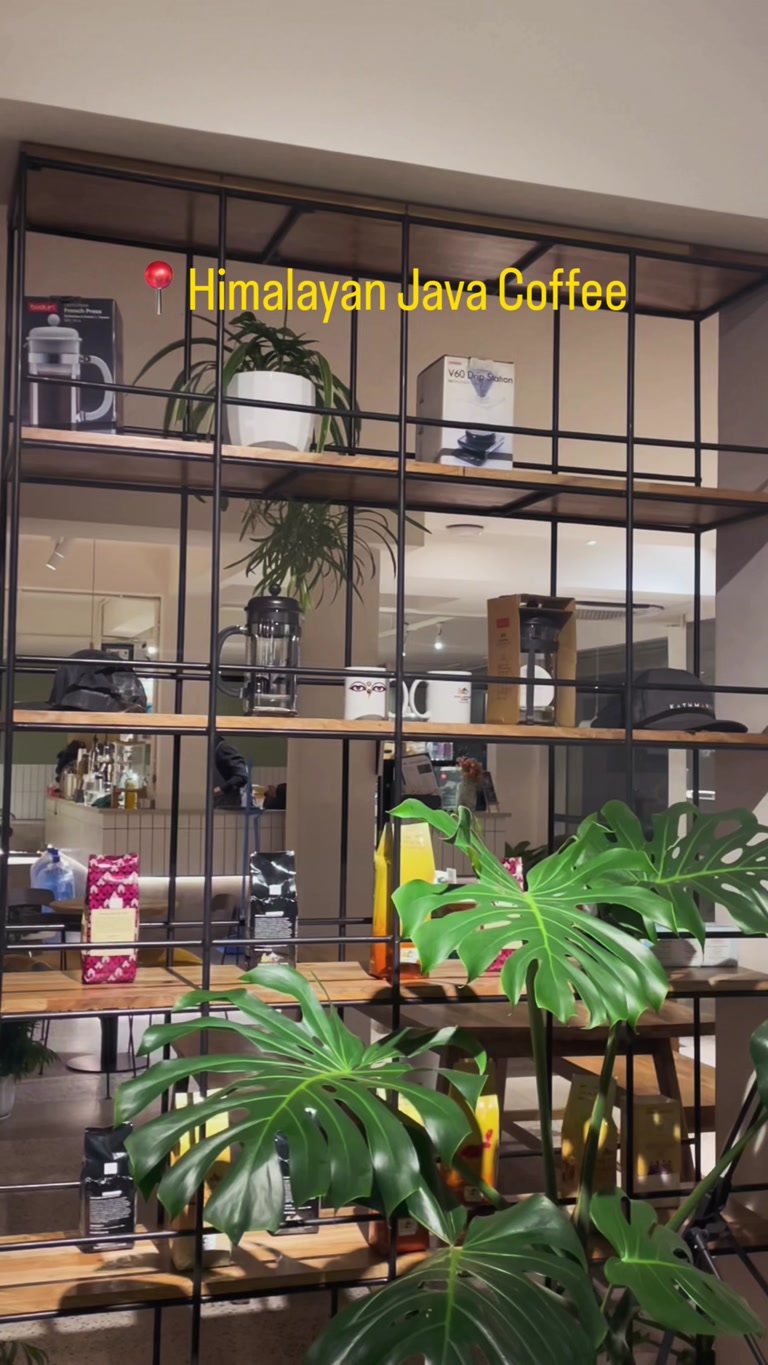
“Another must visit coffee shop! Beautiful cafe to hangout with friends”
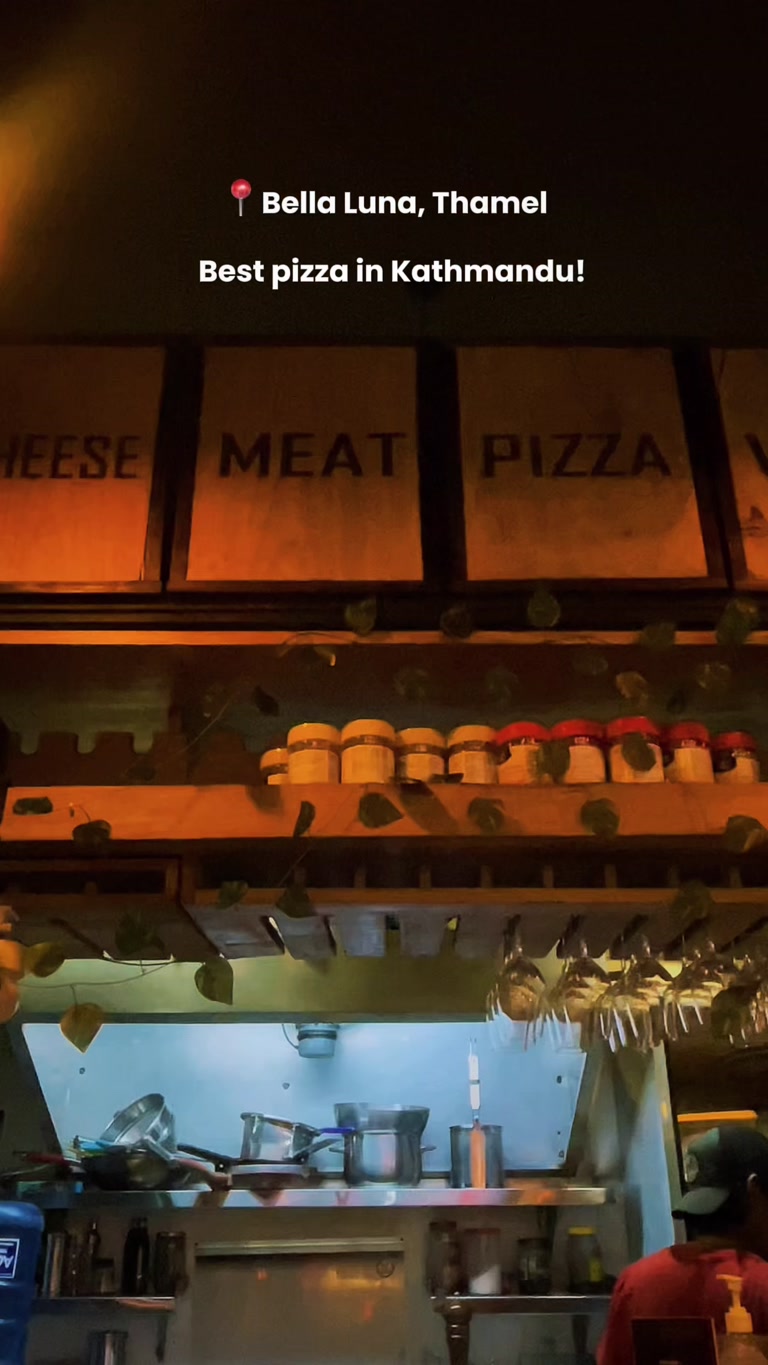
“Best pizza in Kathmandu? Found it! At Bella Luna - thin crust, fresh toppings, real Italian vibe”
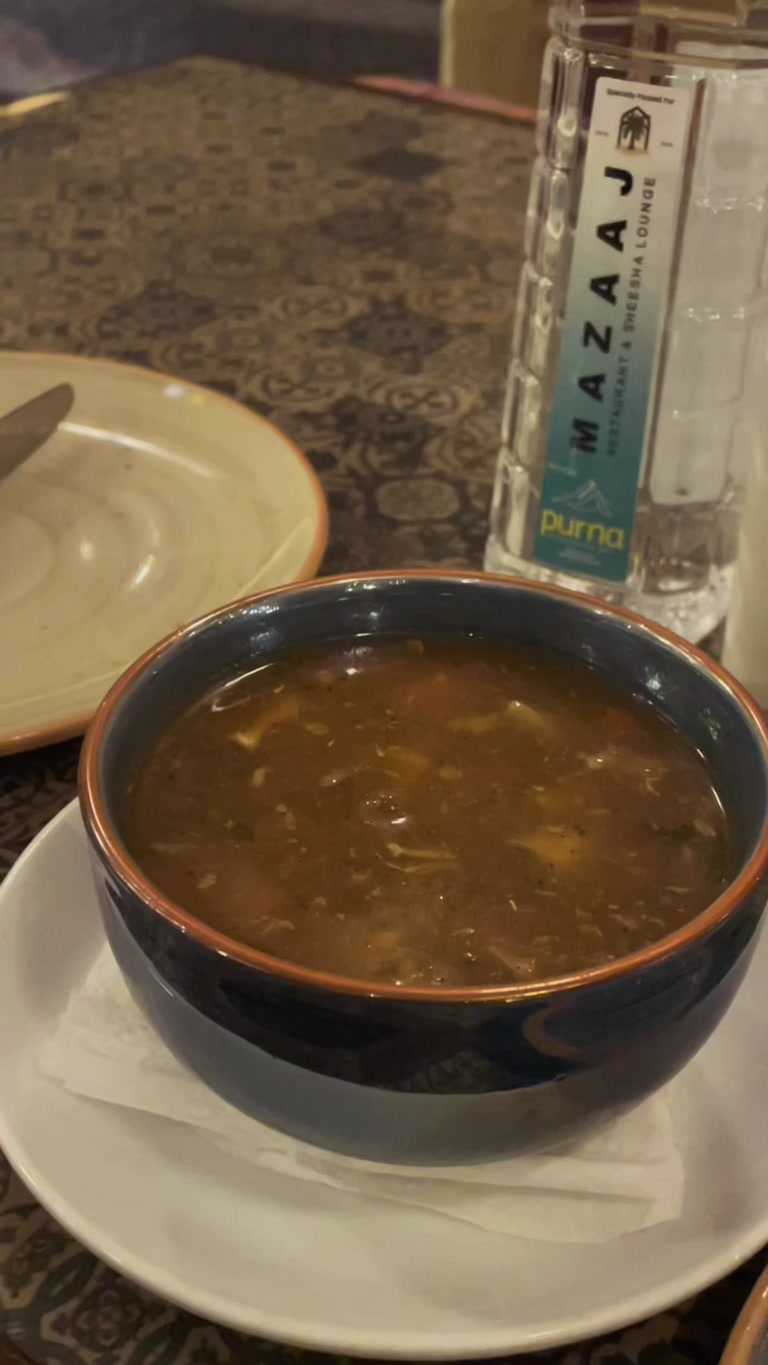
“Mazaaj Restaurant and Sheesha Lounge - perfect evening hangout in Kathmandu”
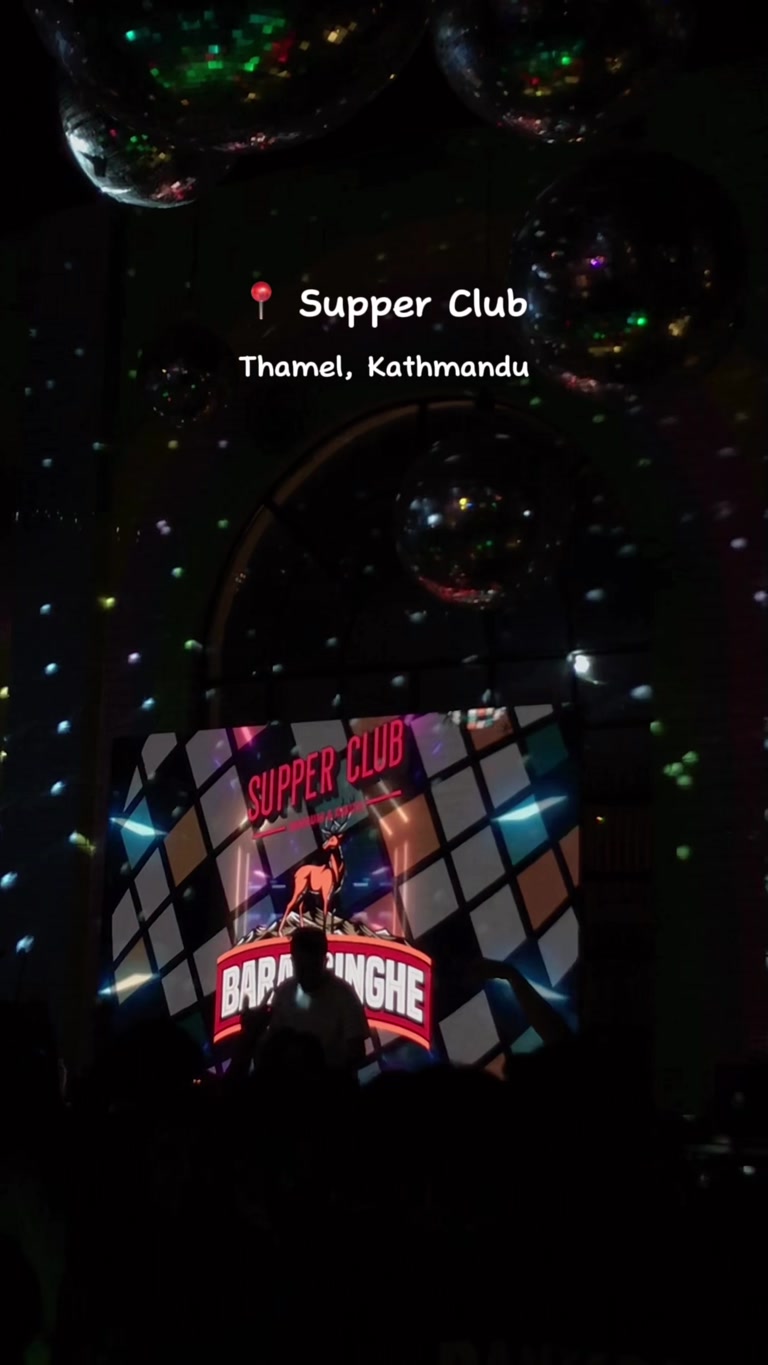
“This is Supper Club, the 10/10 happening place in Kathmandu”
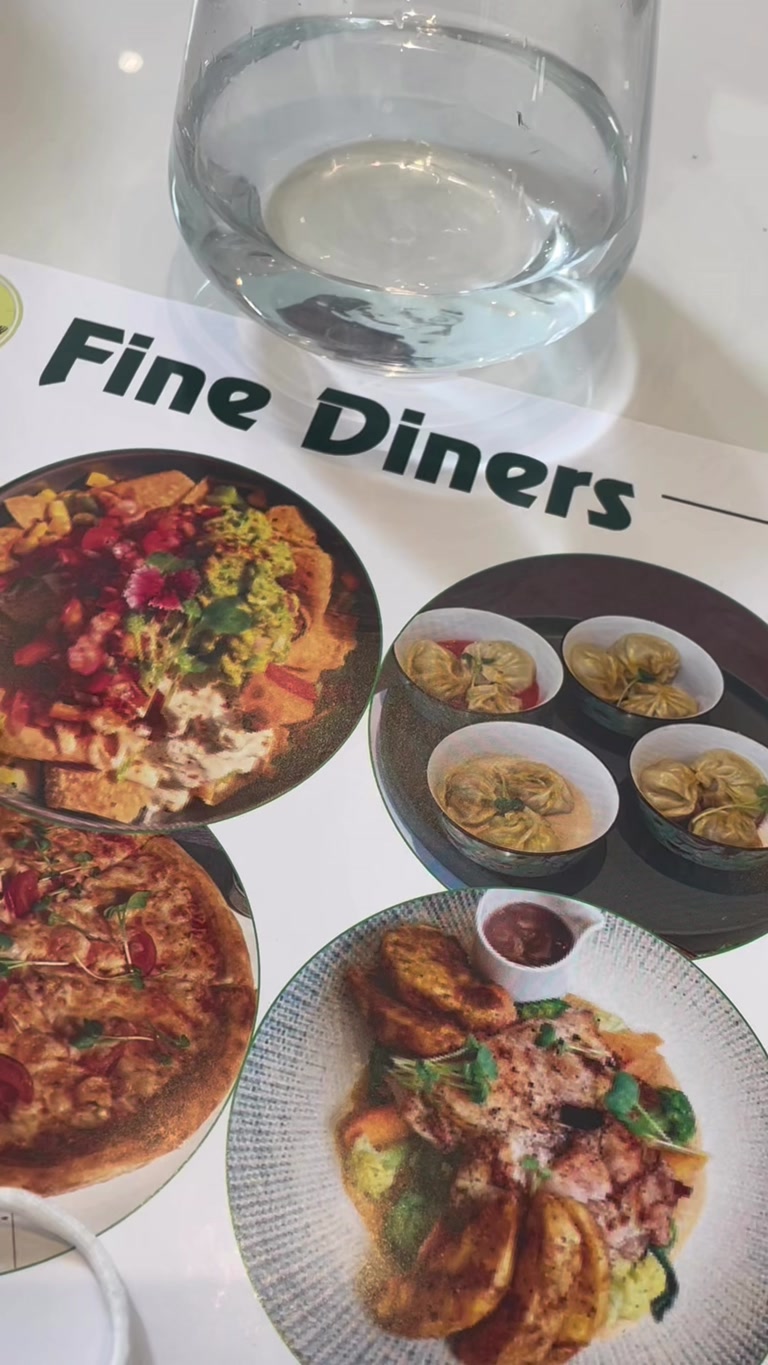
Dal bhat (lentil soup with rice, vegetables, and pickles) is the staple - most places offer unlimited refills. Momos (dumplings) are everywhere and come steamed, fried, or in soup. Try buff (water buffalo) momos for the local version. Newari cuisine is the valley's indigenous food - look for choyla (spiced grilled meat) and yomari (sweet rice flour dumplings) at a Newari restaurant in Patan. Budget $5-10 per meal at local spots.
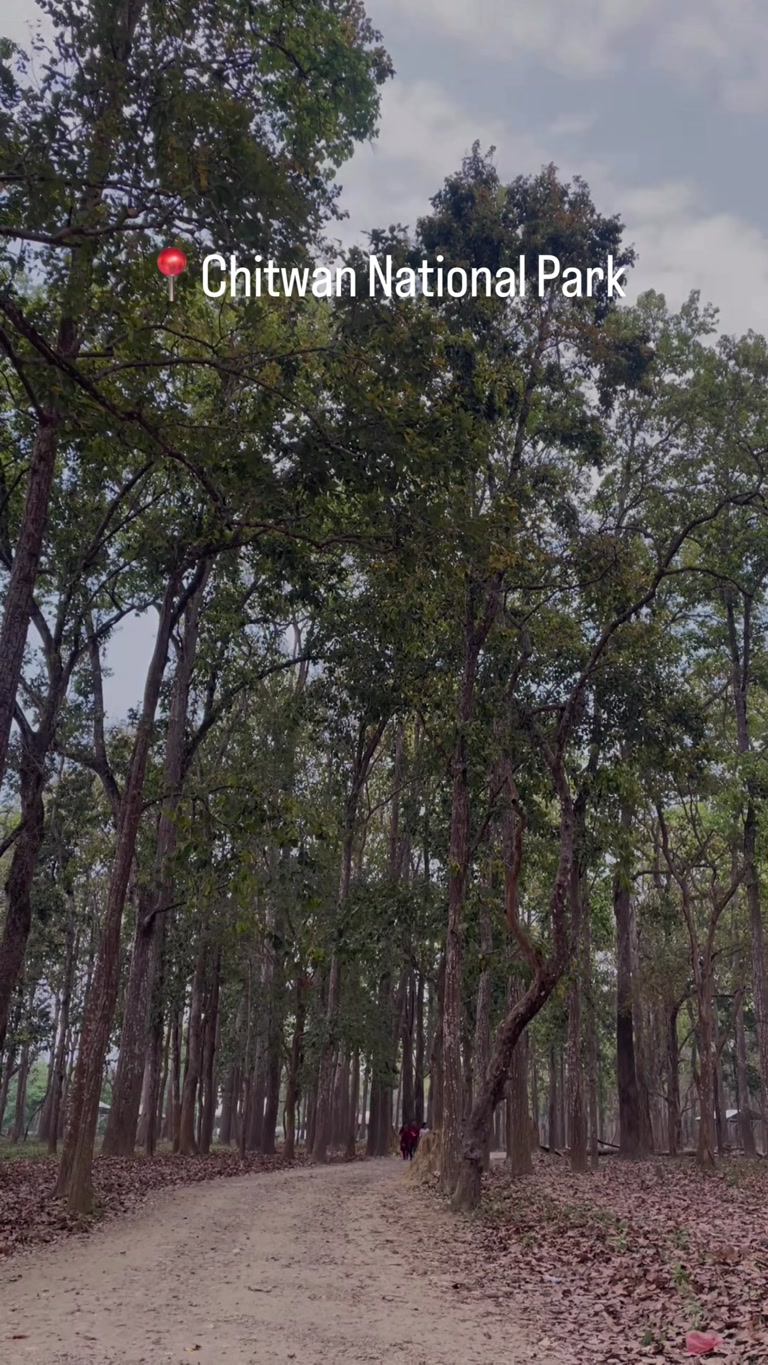
The park is home to one-horned rhinos, Bengal tigers, sloth bears, and over 500 bird species. Jeep safaris go deeper into the park than walking safaris and cover more ground. Morning safaris (6am start) have the best animal activity. Rhino sightings are common - tiger sightings are rare but possible. Your guide will track fresh prints and dung to find animals. Bring binoculars.
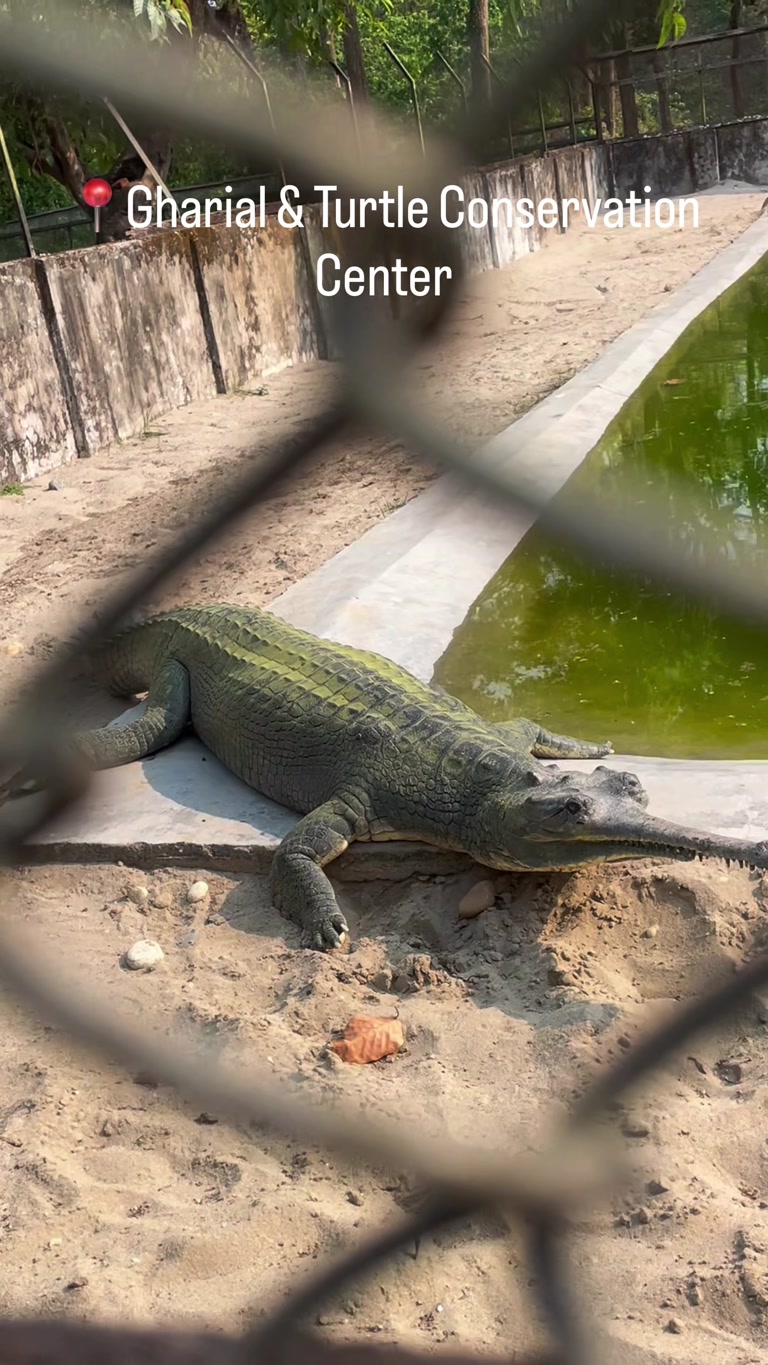
Dugout canoe trips along the Rapti River pass through crocodile habitat - mugger crocs bask on the banks and gharials (fish-eating crocs with narrow snouts) sometimes surface nearby. The silence on the water is the contrast you need after Kathmandu's noise. Bird activity along the riverbanks is incredible, especially at dawn.
The Tharu people are indigenous to the Chitwan lowlands. Evening cultural programs feature stick dances, peacock dances, and storytelling that predates Hindu and Buddhist influence in the region. Most lodges organize these - they are run by Tharu community members and the entrance fee goes directly to the performers. A genuine window into a culture most travelers never encounter.
A government-run center that breeds and cares for elephants used in park patrols. You can see baby elephants and learn about the mahout (elephant keeper) tradition. The center is walkable from Sauraha village. Visit in the morning when the elephants are being bathed in the river - it is a calmer, more educational experience than riding.
“From jungle days to candlelight nights - Chitwan does it both!”
“Protecting the rare species, Chitwan National Park has created a beautiful sight for visitors too!”
“This place is actually wild. A rhino casually walking by in the streets, what a sight!”
Most Chitwan lodges include meals in their packages - expect dal bhat, fried rice, and simple curry dishes. The riverside restaurants in Sauraha serve fresh fish from the Rapti River when available. Try the local tharu cuisine - ghonghi (river snails cooked in spices) is the adventurous option. Stick to bottled water and avoid ice in drinks outside established lodges.
Rent a colored wooden boat and row across Phewa Lake to the Barahi Temple on the island. On a clear morning, the Annapurna range and Machhapuchhre (Fishtail Mountain) reflect perfectly in the water. Lakeside is Pokhara's main tourist strip - restaurants, cafes, and shops lining the eastern shore. Less chaotic than Thamel and with genuinely beautiful views from almost every rooftop.
A 30-minute taxi ride (or 1.5-hour hike) up to a ridge with a 180-degree panorama of the Annapurna and Dhaulagiri ranges. Get there by 5:30am. The light hitting Machhapuchhre at first light turns the peak orange, then pink, then white. This is also the main launch point for paragliding - tandem flights cost $60-80 and give you 20-30 minutes soaring above the valley with the Himalayas as backdrop.
Tandem paragliding from Sarangkot is one of the most accessible adventure activities in Nepal. No experience needed. You launch from 1,500m, soar on thermals above the lake, and land in a field near Lakeside. The flight itself is 20-30 minutes. Most operators include GoPro footage. Book through a reputable company - Sunrise Paragliding and Blue Sky are well-reviewed. Clear mornings offer the best conditions.
A waterfall that drops into a deep underground passage. During monsoon season the water volume is intense - during dry season it is calmer but you can see more of the cave structure. Gupteshwor Cave, directly across the road, contains a Hindu shrine deep inside where the waterfall emerges from the rock ceiling. The two sites together take about an hour. Entry is 100 NPR each.
A white stupa on a ridge south of the lake, built by Japanese Buddhists. The hike up from the lake (cross by boat, then 45-minute steep trail) is worth it for the panoramic view - Phewa Lake below, Pokhara city spread out, and the full Annapurna range behind. Much quieter than Sarangkot. Late afternoon light is best for photos.
“Far from the noise, closer to what really matters”
Lakeside has the widest food variety in Nepal outside Kathmandu. Try thukpa (Tibetan noodle soup) at a rooftop restaurant overlooking the lake. The Nepali set meal (dal bhat with all the sides) at Moondance Restaurant is generous and well-made. For something different, the Korean and Japanese restaurants run by expats in Lakeside are surprisingly authentic. Budget $5-15 per meal.
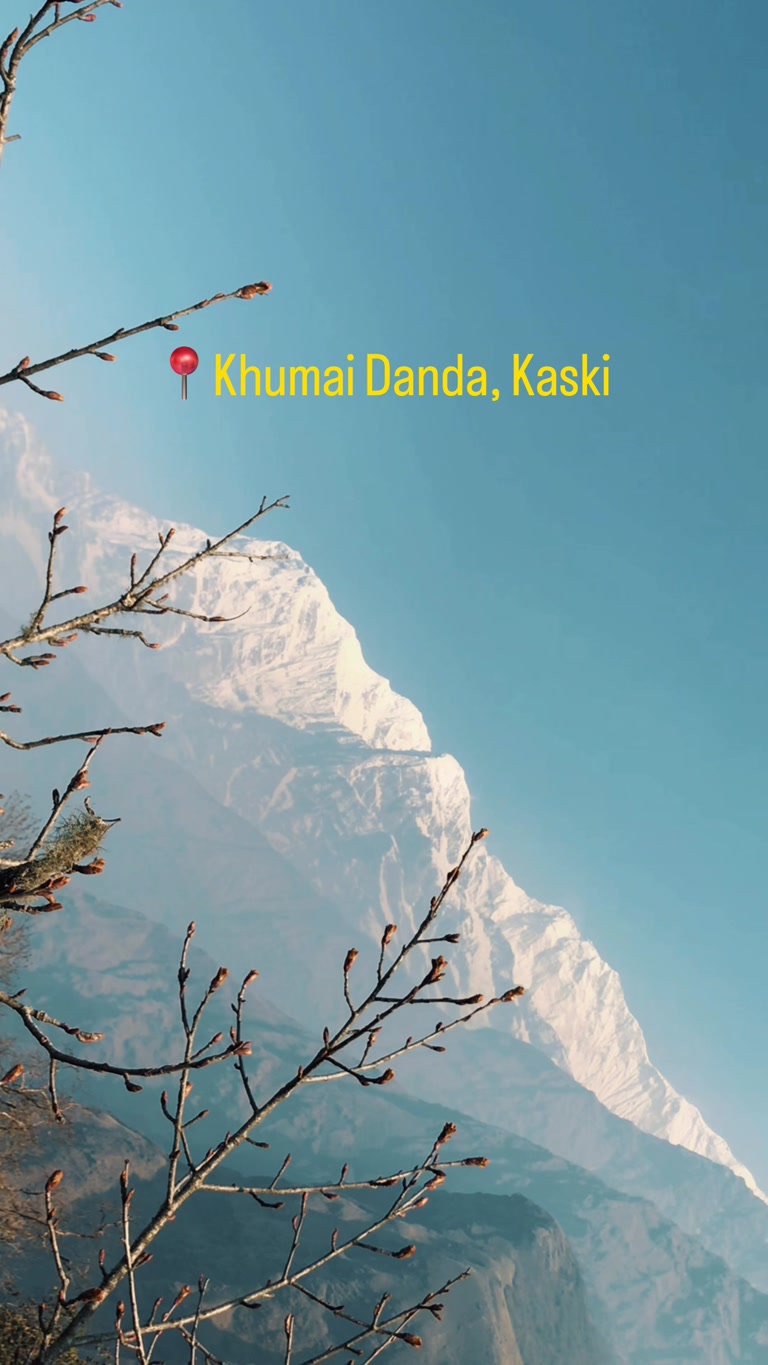
The most popular short trek in Nepal. Starts from Nayapul (1.5 hours from Pokhara) and climbs through rhododendron forests to Ghorepani village, then up to Poon Hill (3,210m) for sunrise. The 360-degree view includes Dhaulagiri, Annapurna South, Machhapuchhre, and Nilgiri. Teahouses along the route provide basic rooms and meals - no camping needed. Moderate fitness required - expect 5-7 hours of walking per day on uneven stone steps.
A longer alternative that takes you into the Annapurna Sanctuary - a natural amphitheater surrounded by 7,000-8,000m peaks. The base camp sits at 4,130m. The trail passes through bamboo forests, waterfalls, and alpine meadows before opening into the glacier basin. Altitude sickness is a real risk above 3,500m - take acclimatization days seriously. Guides are mandatory for this route since 2023.
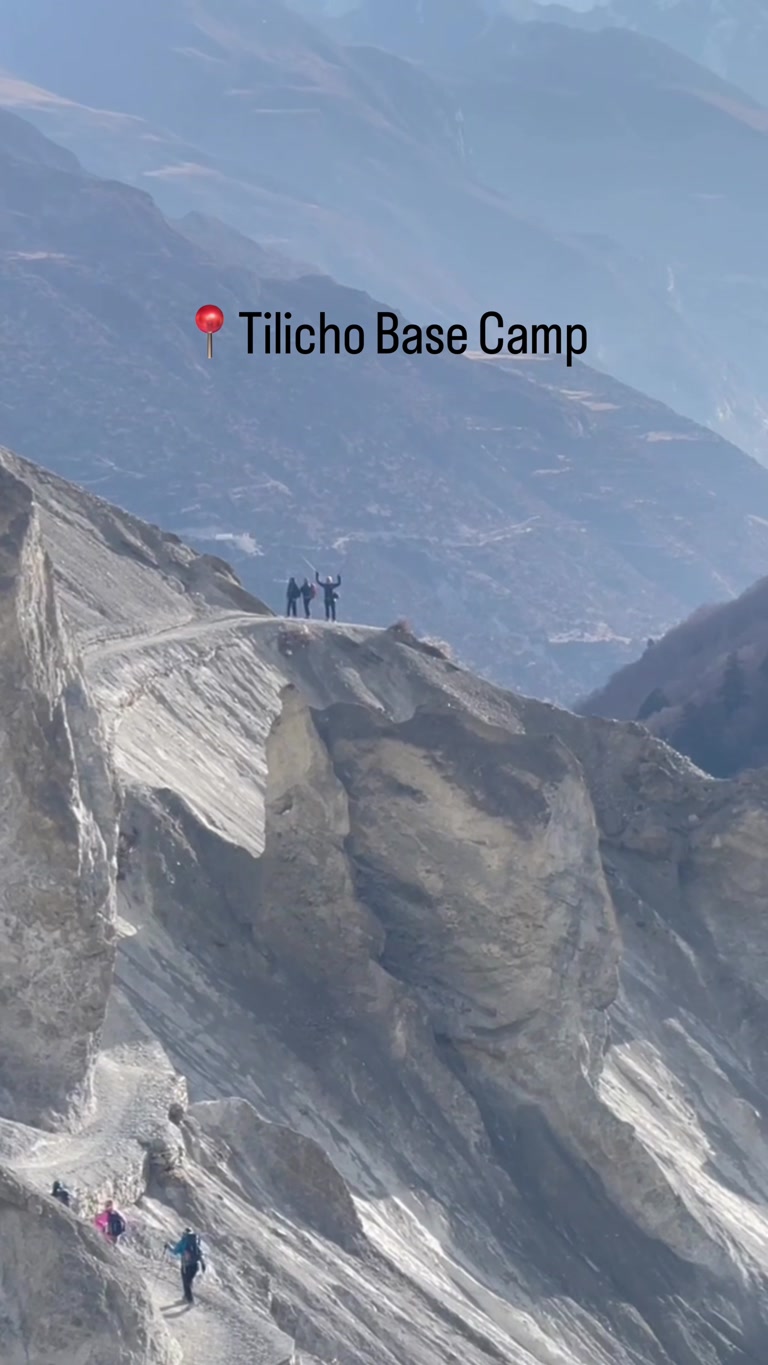
One of the highest lakes in the world at 4,919m, sitting in a glacial basin surrounded by massive peaks. The trail from Manang to Tilicho is steep and exposed in sections - not for beginners. The lake itself is a deep turquoise that looks almost artificial. Weather changes fast at this altitude - bring layers and start early. The tea house at Tilicho Base Camp (4,150m) is the last shelter before the final push.
Nepal's teahouse trekking system is unique - small family-run lodges along every major trail provide a bed (basic but clean) and hot meals (dal bhat, noodle soup, pancakes). You eat dinner together with other trekkers around a wood stove. Charge your devices for 100-200 NPR. Hot showers cost extra (200-500 NPR) and run on solar - morning showers often have warmer water than evening ones. Carry a sleeping bag liner for comfort.
“Breathing thin air, chasing big dreams - Tilicho hits different!”
Dal bhat is the trekker's fuel - unlimited refills keep you going on long days. At altitude, stick to cooked foods - boiled potatoes, egg fried rice, and noodle soup are safe bets. Avoid meat above 3,000m as refrigeration is unreliable. The apple pie in Manang and Ghorepani is famous among trekkers - made with local apples and served warm. Bring water purification tablets - buying bottled water on the trail creates plastic waste and costs more at every altitude gain.
Get permit checklists, real-time weather at each altitude, creator content at every stop, safety scores, guide booking recommendations, and one-tap navigation handoff.
Plan in Tourific
Real costs for 10 days in Nepal. One of the best value destinations on the planet.
Nepal is one of the cheapest countries in the world for travelers. A full day of food, accommodation, and activities can cost under $25 on a tight budget. Even mid-range travelers rarely spend more than $100/day. The Tourific app tracks real-time costs and helps you plan each day within your budget.
Get exact estimate in appNepal is welcoming and safe, but altitude and remote terrain demand preparation. These tips are non-negotiable.
Altitude sickness can affect anyone above 2,500m regardless of fitness level. The symptoms - headache, nausea, dizziness - should not be ignored. The golden rule: if symptoms worsen, descend immediately. Carry Diamox as a preventive measure and ascend no more than 500m per day above 3,000m.
Hire a licensed trekking guide - it is now mandatory for most Annapurna region treks as of 2023. Beyond the legal requirement, guides know the trails, weather patterns, and teahouse owners. A porter-guide costs $25-35/day and carries up to 15kg of your gear.
Travel insurance with helicopter evacuation coverage is not optional - it is essential. Helicopter rescue from the Annapurna region costs $3,000-5,000 out of pocket. Most standard travel insurance policies exclude trekking above 3,000m. Get a policy that specifically covers high-altitude trekking (World Nomads and Global Rescue are popular options).
Water-borne illness is the most common health issue for travelers in Nepal. Drink only bottled, filtered, or purified water. Avoid salads and unpeeled fruit from street vendors. Carry oral rehydration salts - pharmacies in Thamel sell them cheaply.
Kathmandu traffic has no real rules. Motorcycles, cars, buses, and pedestrians share the road with no lane discipline. Cross streets slowly, make eye contact with drivers, and never assume anyone will stop. Wear a mask - the dust and exhaust is heavy, especially in dry season.
Available at Tribhuvan Airport for most nationalities
15 days: $30 | 30 days: $50 | 90 days: $125
Bring a passport photo and USD cash for fastest processing
Fill out the online arrival form before landing to skip the manual form queue
Nepalese Rupee (NPR). 1 USD = ~133 NPR
ATMs in Kathmandu, Pokhara, and Chitwan - withdraw max NPR 35,000/transaction
No ATMs on trekking routes - carry enough cash for the entire trek
Credit cards accepted at upscale hotels and some Thamel restaurants only
Keep small bills - teahouses and village shops rarely have change for 1,000 NPR notes
Plan this exact route with AI-powered altitude tracking, permit checklists, creator content at every stop, and one-tap navigation handoff.