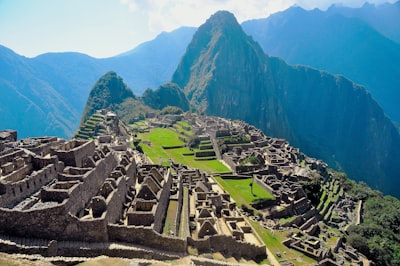
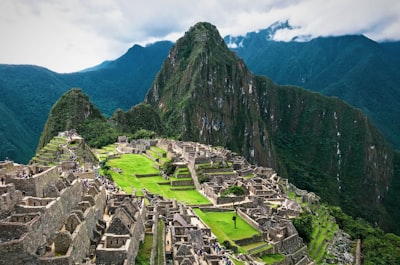
Lima to Cusco to Machu Picchu. An 8-day adventure through the Andes, from Lima's top-tier food scene through the ancient Inca capital of Cusco, across the Sacred Valley, to the legendary ruins of Machu Picchu.
Peru is one of the few countries on Earth where you can eat top-tier ceviche on the Pacific coast in the morning, fly to a 3,400-meter Inca capital by lunchtime, and stand atop a cloud-wrapped citadel that was hidden from the outside world for 400 years within the same week.
This route takes you from Lima, the culinary capital of South America, through the ancient streets of Cusco where Inca stonework still lines the foundations of colonial buildings, into the Sacred Valley where terraced farming systems built 600 years ago still feed communities today, and finally to Machu Picchu, the crown jewel of the Inca empire and one of the New Seven Wonders of the World.
What makes this particular route special is the density of cultural depth per day. Every stop layers indigenous Andean traditions, Inca engineering brilliance, Spanish colonial history, and a living modern Peruvian culture that ties it all together. Peru is also shockingly affordable. You can eat like a king for $5, sleep in beautiful colonial hostels for $15, and the warmth of the people will make you want to extend your trip.
Cusco sits at 3,400 meters (11,150 feet). Most travelers experience some symptoms: headache, shortness of breath, fatigue, and nausea. This is completely normal but should not be ignored.
Our itinerary gives you 2 full days to acclimatize in Cusco before heading deeper into the mountains. Drink coca tea (mate de coca) constantly. Walk slowly. Stay hydrated. Consider asking your doctor about Diamox before you travel. Do not skip the acclimatization days.
8 days, 5 destinations, 34 creator reels, and an adventure from the Pacific coast to a lost Inca citadel.
Lima's most artistic neighborhood. Walk the Bridge of Sighs, explore street art, visit galleries. The oceanfront cliffs offer remarkable Pacific views, especially on the rare sunny day.
Paragliders launch from the clifftops above the Pacific. Walk along Malecon for views and visit Huaca Pucllana, a pre-Inca pyramid lit up beautifully at night.
Lima is the culinary capital of South America. Try ceviche at a local cevicheria for lunch (they close by 4pm). Visit Central or Maido if you want excellent dining. Street-side anticuchos (beef heart skewers) are a must-try at night.
โCloudy day by the Barranco coastline in Lima ๐โ
โSunset paragliding over the Pacific in Mirafloresโ
โFresh ceviche at a local cevicheria in Limaโ
โStreet art and colorful murals in Barranco districtโ
Ceviche for lunch at La Mar or a local cevicheria. Anticuchos from street vendors at night. Chicha morada (purple corn drink) everywhere. Lima has some of the best food on the planet.
The heart of Cusco. Two cathedrals, colonial arcades, and the best people-watching in Peru. Come at night when the cathedral is illuminated. This is your acclimatization day, so take it slow.
Steep cobblestone streets, artisan workshops, live Andean music from doorways. The best cafes in Cusco are here. Walk slowly because of the altitude (3,400m). Buy alpaca goods directly from local artists.
Massive Inca stone fortress overlooking Cusco. Some stones weigh over 100 tons and fit together without mortar. Walk uphill from the Plaza or take a taxi ($3). Go early morning for the best light and fewer crowds.
The real Cusco. Fresh juices for $0.50, huge bowls of soup for $1.50, and every Peruvian ingredient you can imagine. Try the fresh fruit juices and empanadas. Great for picking up snacks for the trail.
โExploring the colorful San Blas neighborhood in Cusco, with live Andean music.โ
โGolden hour at Plaza de Armas in Cuscoโ
โAncient Inca walls in Cusco still standing after 500 yearsโ
โMassive stones of Sacsayhuaman fortress above Cuscoโ
Eat at San Pedro Market for authentic cheap meals. Try lomo saltado (stir-fried beef), alpaca steak, and drink coca tea constantly. Cusco has excellent cafes in San Blas for breakfast. Budget $5-15 per meal at restaurants.
Watch Andean women demonstrate ancient weaving and natural dye techniques passed down for generations. They use plants, insects (cochineal), and minerals to create vivid colors. You can buy directly from the artisans, which supports local families.
An Inca palace and terracing system overlooking the Sacred Valley. Less visited than Cusco ruins but equally impressive. The colonial church was built directly on Inca foundations. Included in the Boleto Turistico.
If visiting on a Sunday, the traditional market is one of the most authentic in the valley. Locals trade produce and textiles as they have for centuries. Much less touristy than Pisac Market.
โExploring natural dye techniques with Andean weavers in Chinchero ๐ต๐ชโ
โAncient Inca terraces overlooking the Sacred Valley from Chincheroโ
Simple local restaurants in Chinchero serve traditional highland cuisine. Try chicharron (fried pork) which Chinchero is famous for. Most visitors eat lunch here and dinner back in Cusco or Urubamba.
The heart of the Sacred Valley. Peaceful gardens, mountain views, and the Urubamba River rushing through. Lower altitude than Cusco (2,870m vs 3,400m) so you will breathe easier here. Great base for exploring.
A living Inca town with original stone streets and water channels still flowing. Climb the steep terraces to the temple at the top for spectacular valley views. The massive stone blocks were quarried from a mountain across the valley. Go early morning to avoid tour groups.
Rushing waters and dramatic snow-capped peaks line the valley. Multiple viewpoints along the road between Urubamba and Ollantaytambo. The afternoon light creates golden valleys framed by towering Andes peaks.
Concentric circular terraces that the Incas used as an agricultural laboratory. Each level creates a different microclimate. One of the most unique and photogenic Inca sites. Combine with Maras salt mines nearby.
โPeaceful gardens and mountain views in Peru's Sacred Valley.โ
โScenic train ride along the Urubamba River in Peru's Sacred Valley.โ
โRushing waters and dramatic peaks in Peru's Sacred Valley.โ
โClimbing the massive terraces of Ollantaytambo fortressโ
Ollantaytambo has surprisingly good restaurants for a small town. Try Hearts Cafe for a mix of Peruvian and international food. Local restaurants along the main square offer trout from the river and traditional corn beer (chicha).
The train follows the Urubamba River through increasingly dramatic jungle canyon. Book PeruRail or Inca Rail months in advance. The Vistadome train has panoramic windows. Expedition class is the budget option and still has great views.
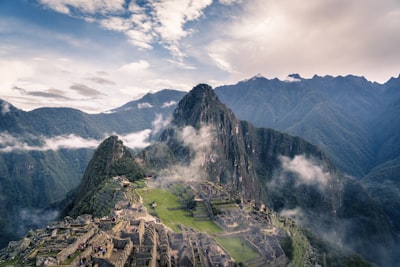
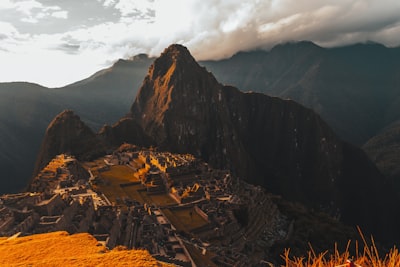
Book tickets at least 2-3 months ahead as daily entries are limited to ~4,000. Take the first bus up (5:30am) for sunrise with fewer crowds. A guide is not required but highly recommended to understand what you are seeing. Bring your passport for the entry stamp.
The steep peak behind Machu Picchu in every photo. Only 400 people per day allowed. Book the 7am slot months in advance. Not for those afraid of heights. The views from the top looking down on Machu Picchu are hard to beat.
A small town wedged in a valley below Machu Picchu. Hot springs (the town's namesake) are worth a soak after a long day of hiking. The market has decent food. Wander the riverside walk at sunset.
โExploring the spectacular ruins of Machu Picchu surrounded by lush mountains.โ
โTranquil riverside views near Machu Picchu, surrounded by lush mountains.โ
โFirst light hitting Machu Picchu at sunriseโ
โSteep climb up Huayna Picchu with jaw-dropping viewsโ
Tourist prices here. Budget $10-25 per meal. The market food stalls on the second floor are the cheapest option. For a nicer meal, Indio Feliz is a long-standing favorite. Grab a Cusquena beer to celebrate reaching Machu Picchu.
Optional second visit to Machu Picchu at sunrise if you bought a two-day ticket. Otherwise, enjoy a slow morning, visit the hot springs, and browse the artisan market before your train.
The return train follows the same remarkable river valley. Sit on the right side for the best views. Some trains include a fashion show and live music onboard.
Last night in Cusco. Head to the Plaza de Armas for a farewell dinner with a balcony view. Pick up last-minute alpaca souvenirs in San Blas. The nightlife scene on Calle Procuradores (Gringo Alley) is lively if you want to celebrate.
Splurge on your final dinner. Chicha by Gaston Acurio offers elevated Peruvian cuisine. Or keep it real at a local picanteria for a traditional Cusco feast with rocoto relleno (stuffed peppers).
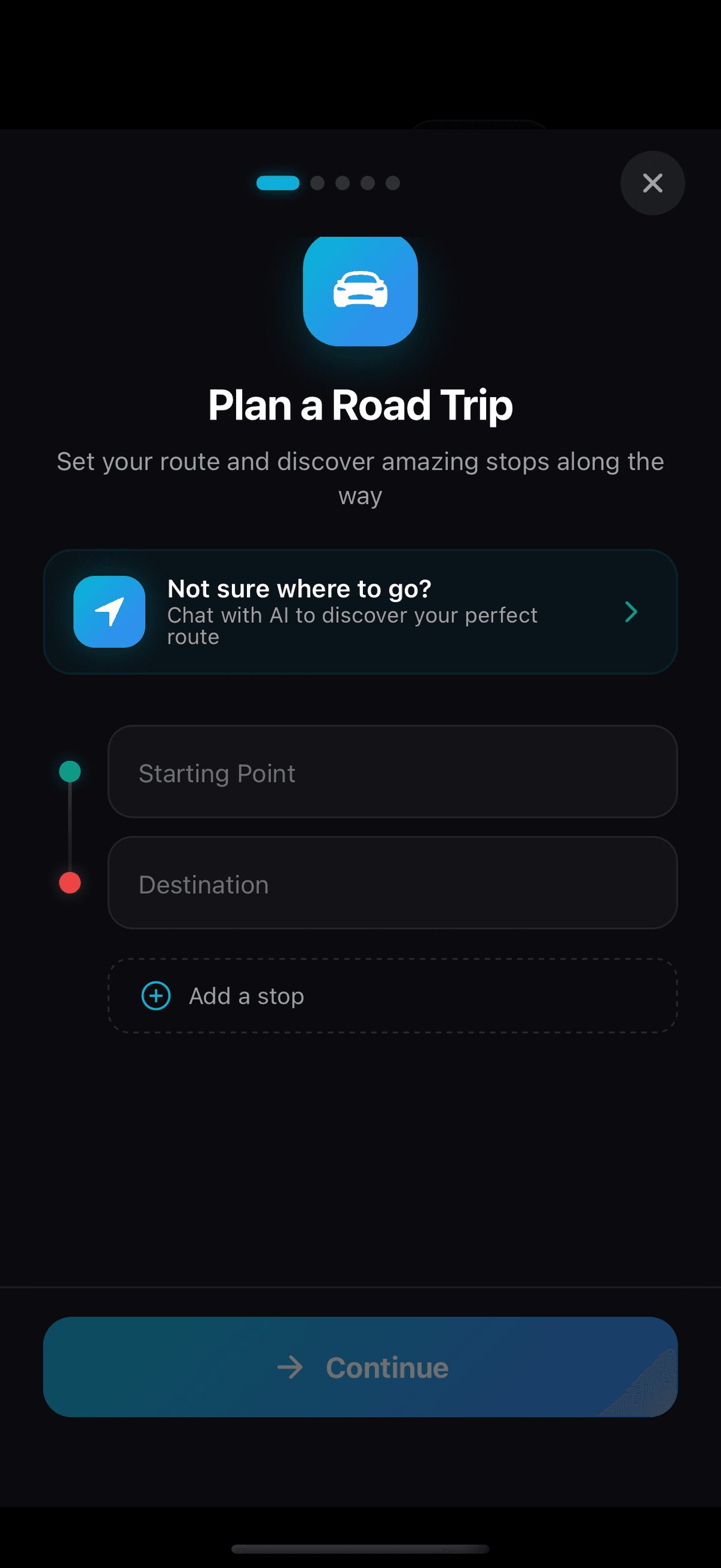
Get turn-by-turn waypoints, real-time cost estimates, creator content at every stop, altitude warnings, safety scores, and weather forecasts. One tap to hand off to Google Maps or Apple Maps.
Plan in Tourific
Peru is one of the most affordable adventure destinations in the world. Your dollar goes far here.
Want personalized cost estimates based on your travel style with real-time prices for flights, trains, accommodation, and activities? The Tourific app calculates precise costs and helps you book everything in one place.
Get exact estimate in appCritical knowledge for traveling in high-altitude Peru. Do not skip this section.
Altitude sickness is REAL in Cusco at 3,400m (11,150 ft). Spend at least 2 days acclimatizing before heading higher. Walk slowly, rest often, and drink plenty of water. Do not underestimate this.
Drink coca tea (mate de coca) constantly once you arrive in Cusco. It is the local remedy for altitude sickness and widely available. Chewing coca leaves also helps. This is completely legal and culturally normal in Peru.
Book Machu Picchu tickets 2-3 months in advance. Daily visitor numbers are strictly limited (~4,000/day) and tickets sell out, especially in peak season (June-August). You need a specific time slot.
Do NOT drink tap water anywhere in Peru. Stick to bottled water, boiled water, or drinks made with purified water. Ice in reputable restaurants is usually fine. Bring a reusable bottle with a filter.
Negotiate taxi prices before getting in. Taxis in Cusco do not use meters. A ride within the city should be 5-10 soles ($1.50-$3). From the airport to the city center is 15-20 soles. Uber works in Lima but not reliably in Cusco.
Carry small soles bills (1, 5, 10). Street vendors, market stalls, and colectivos often cannot break 50 or 100 sol notes. ATMs in Cusco dispense large bills, so break them at restaurants or shops first.
Plan this exact route with AI-powered cost estimates, altitude warnings, creator content at every stop, and one-tap navigation handoff.