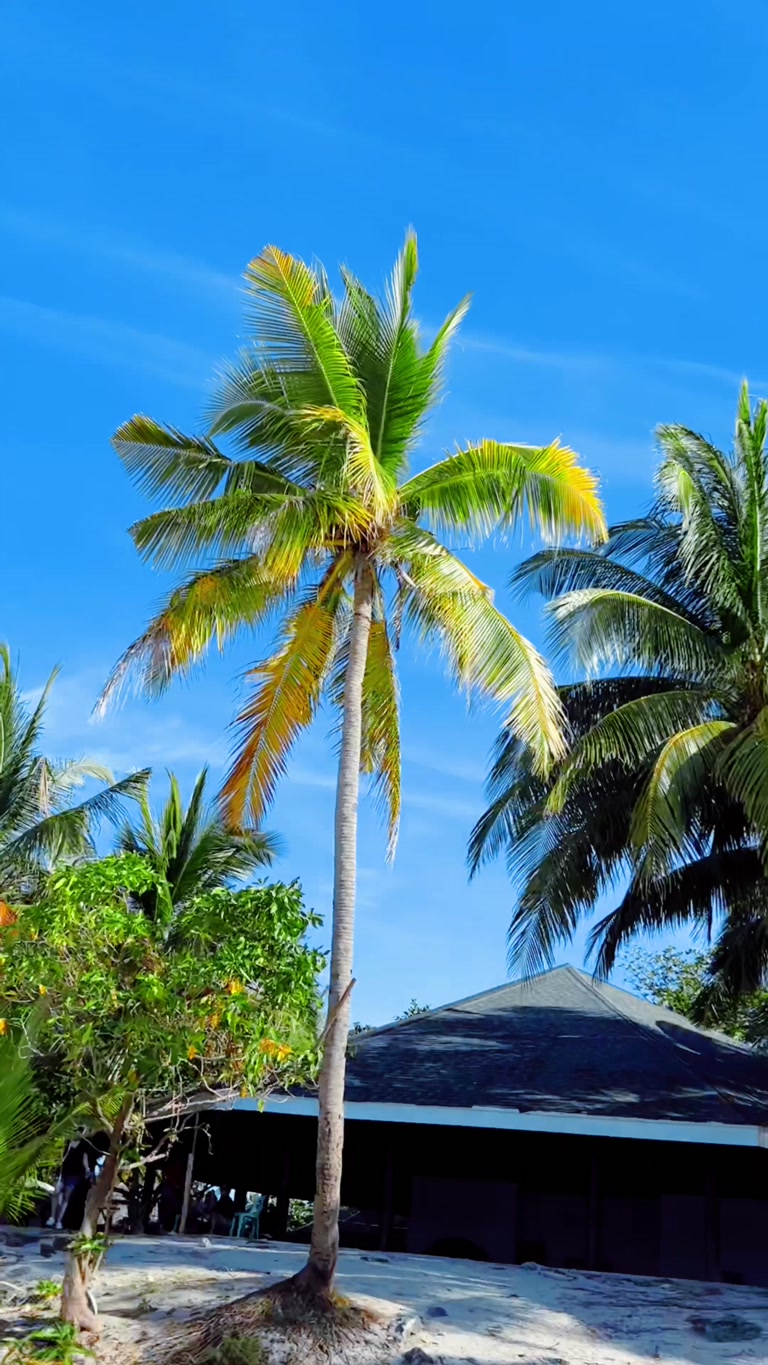
Manila - Palawan (Puerto Princesa, El Nido) - Cebu (Oslob) - Bohol - Siargao. Swim with whale sharks, kayak through hidden lagoons, surf perfect waves, and eat your way through 7,641 islands. Ten days from the chaos of Manila to the laid-back surf breaks of Siargao.
The Philippines has 7,641 islands, and somehow most travelers only see Boracay. This route skips the overcrowded party island entirely and hits the destinations that locals actually recommend: the hidden lagoons of El Nido, the whale sharks of Oslob, the Chocolate Hills of Bohol, and the surf culture of Siargao.
What makes the Philippines different from other Southeast Asian countries is the water. The visibility for snorkeling and diving is often 20-30 meters. The lagoons in Palawan have water so clear it looks photoshopped. The reef systems around Bohol support marine life density that rivals the Great Barrier Reef at a fraction of the cost and crowds.
Then there's the value. The Philippines is one of the cheapest countries in Asia to travel. A beachfront hut costs $20/night. A fresh seafood dinner is $5. A full-day island hopping tour with lunch is $15-25. You can do this entire 10-day trip for under $1,000 if you go budget - and it won't feel like a budget trip.
And the people. Filipinos are genuinely, almost aggressively friendly. English is widely spoken (it's an official language), which removes the communication barrier that can make other Asian countries harder to navigate solo. You'll leave with more friends than photos.
This trip uses a mix of domestic flights and ferries. Book flights on Cebu Pacific or Philippine Airlines - prices range from $30-80 one way if booked 2-4 weeks ahead. Fast ferries connect Cebu and Bohol (2 hours, $15-25). Budget airline bag fees add up - pack light or buy checked baggage online in advance.
10 days, 6 islands, and enough turquoise water to recalibrate your entire color perception.
The oldest part of Manila, built by the Spanish in the 1500s. Walk the walls, visit Fort Santiago where Jose Rizal was imprisoned, and explore San Agustin Church (UNESCO). Rent a bamboo bike for a guided tour - the flat layout makes cycling easy and the guides know every hidden courtyard.
The oldest Chinatown in the world. Come hungry. Ongpin Street has dumpling shops, noodle houses, and bakeries that have been open for generations. Try the lumpia at Dong Bei Dumplings, hopia at Eng Bee Tin, and a bowl of beef mami at any hole-in-the-wall. Walk, don't drive - the streets are narrow and packed.
The National Museum of Fine Arts is free and excellent - the Spoliarium by Juan Luna alone is worth the visit. Rizal Park is where Filipino independence was sparked. Walk from here to Manila Bay for sunset views.
For a contrast to old Manila, head to Bonifacio Global City or Makati for rooftop bars, craft cocktails, and excellent restaurants. Poblacion in Makati has become the nightlife hub - dozens of bars packed into a few blocks.
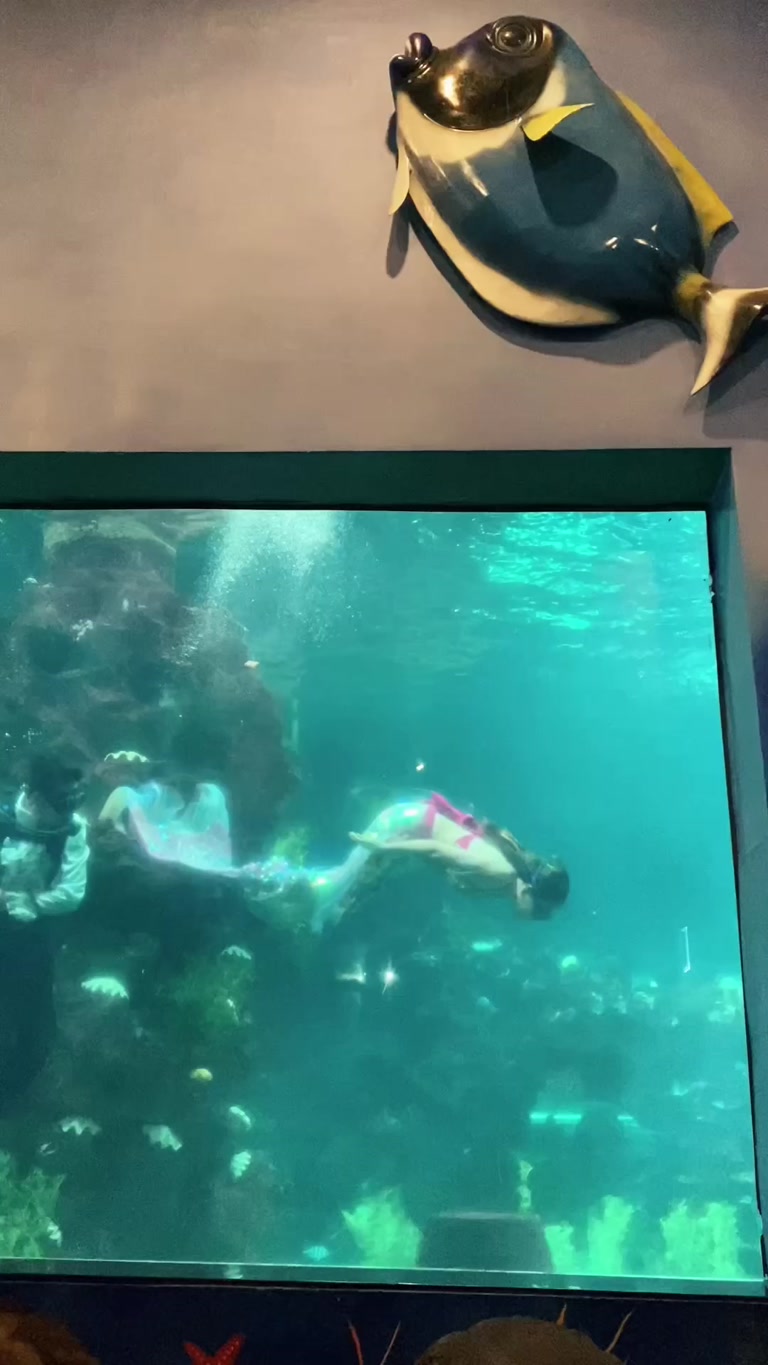
“Mesmerized by the mermaid show at Manila Ocean Park.”
Manila's food scene is underrated. Try sisig (sizzling pork face) at Abe or Manam. Jollibee is a cultural experience - Chickenjoy and spaghetti, no judgment. Street food in Binondo is some of the best in Southeast Asia. Budget: $5-15/meal at local spots.
One of the New 7 Wonders of Nature. A 8.2 km navigable underground river through a limestone cave system. The boat tour covers about 4 km - bring a flashlight for the formations above. Book through the city tourism office (not street touts) and arrive early. The permit process takes time.
Hop between Starfish Island, Luli Island, and Cowrie Island by bangka (outrigger boat). The snorkeling is excellent - sea turtles are common around Pambato Reef. Pack reef-safe sunscreen. Boat tours depart from Honda Bay Wharf around 8am.
Take a paddleboat along the Iwahig River at dusk. Thousands of fireflies light up the mangrove trees like Christmas lights. No flash photography - it disturbs them. Book through your hotel. The experience is quiet and surprisingly moving.
A local favorite for hopia (filled pastry), cashew nuts, and ice cream. The hillside grounds have gardens and quirky statues. Good for a snack stop between activities. The cashew tart is the move.
“Kayaking through the crystal-clear waters of Big Lagoon, Palawan.”
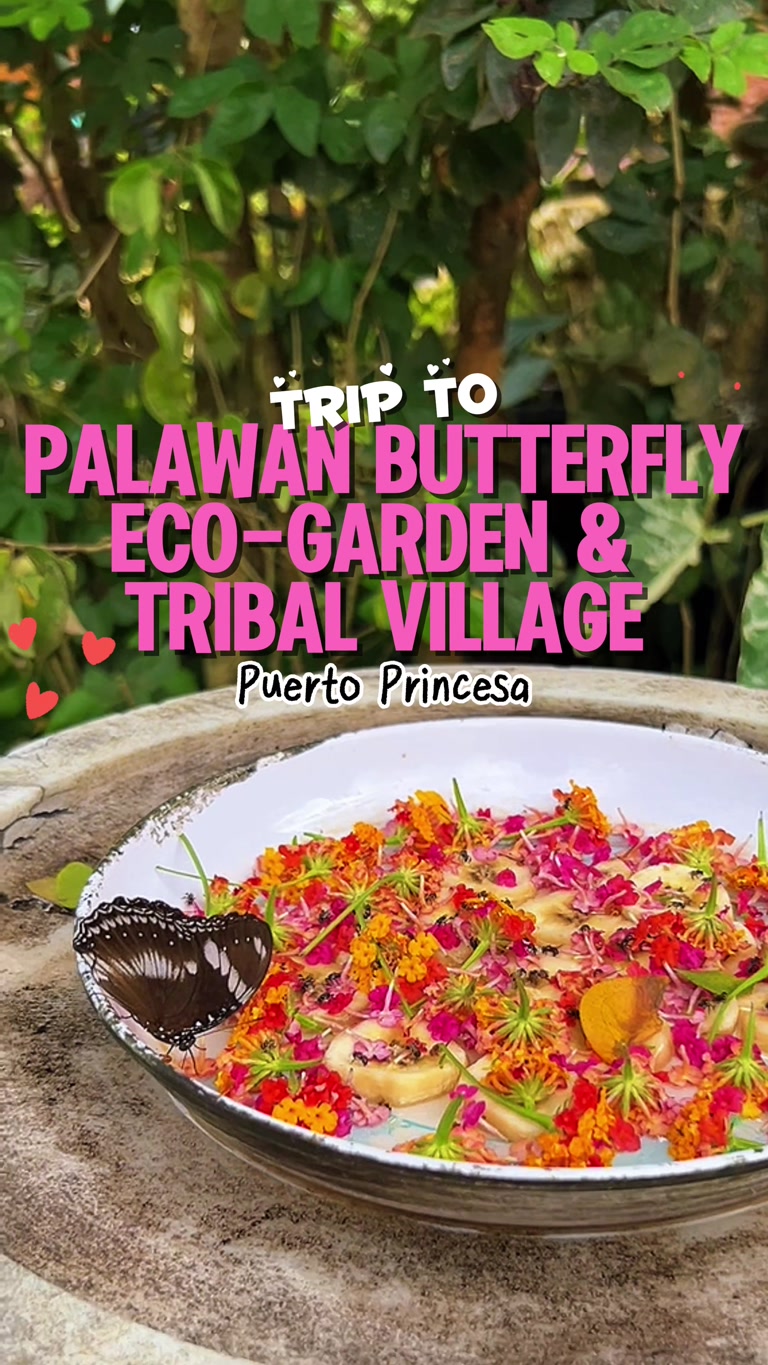
“Experience Puerto Princesa's living heritage at the Cultural Village.”
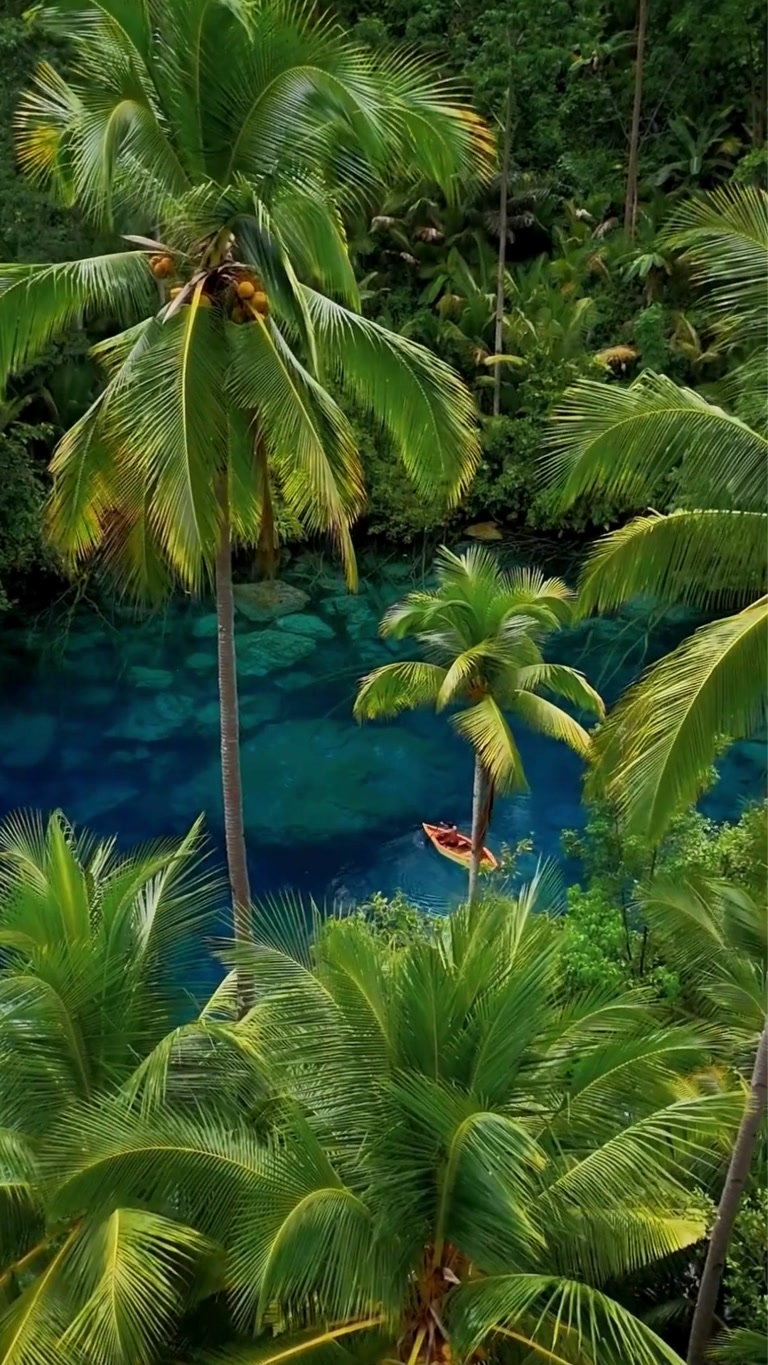
“Palawan is not all about nature or beaches, it has unique activities, too!”
Ka Lui Restaurant is the top pick - fresh seafood served on banana leaves in a bamboo hut. Reservations required. Kinabuch's Grill for grilled fish and local beer. Street food at the night market near Rizal Avenue is cheap and excellent.
The most popular tour and the one to do if you only pick one. Big Lagoon is kayaking through towering limestone cliffs over crystal water. Small Lagoon requires swimming through a narrow cave entrance into a hidden pool. Shimizu Island has good snorkeling and a beach lunch. Book the day before at any tour office in town.
Less crowded than Tour A. Hidden Beach requires wading through chest-deep water between rocks to reach a secluded cove. Helicopter Island (shaped like one) has a white sand beach and strong snorkeling. Matinloc Shrine on the cliff is hauntingly photogenic.
A 4km stretch of golden sand, 45 minutes north of El Nido town by tricycle. Far less crowded than the town beach. Hammocks, coconut stands, and warm shallow water. One of the best beaches in the Philippines. Go in the afternoon for sunset.
The beachfront bars play music until late. Pukka Bar and Sava Beach Bar are the main spots. Filipino rum (Tanduay) is cheap and mixes well with calamansi juice. The town is walkable - no need for transport at night.
Trattoria Altrove for surprisingly authentic Italian in a beach town. Happiness Beach Bar for seafood platters at sunset. Cadlao Resort restaurant if you want to splurge. Street stalls along Hama Street serve grilled fish and rice for under $3.
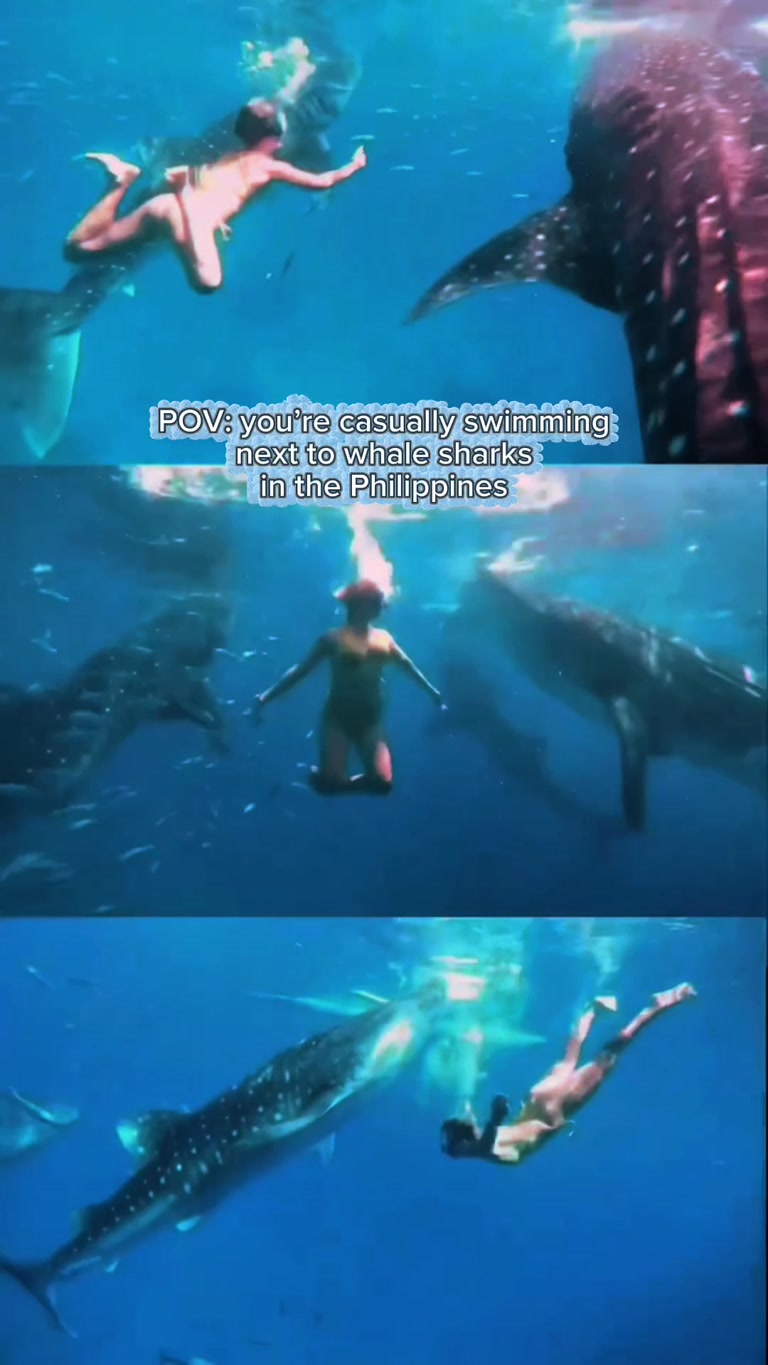
Swim alongside whale sharks - the largest fish on earth. The interaction point is a 3-hour drive south of Cebu City. Arrive by 6am to avoid the crowds. You get about 30 minutes in the water. Controversial due to the feeding practice, but regulated. Do not touch the sharks. Wear reef-safe sunscreen only.
Start in Badian and hike, swim, climb, and jump your way down a river gorge to Kawasan Falls. Multiple cliff jumps (5m to 15m - you choose). The final turquoise pool at Kawasan Falls is the payoff. Guides are mandatory and included in the price. Wear shoes that can get wet.
A shifting white sandbar off the coast near Oslob. The sandbar changes shape with the tides. Crystal-clear water, excellent snorkeling on the reef side. Combine with the whale shark visit - it's 15 minutes away by boat.
Carbon Market is the oldest and largest public market in Cebu. Raw, loud, and real. Dried fish, produce, and lechon (roast pig) everywhere. Colon Street is the oldest street in the Philippines. Magellan's Cross and the Basilica del Santo Nino are worth a quick visit.
“Swimming alongside majestic whale sharks in the Philippines.”
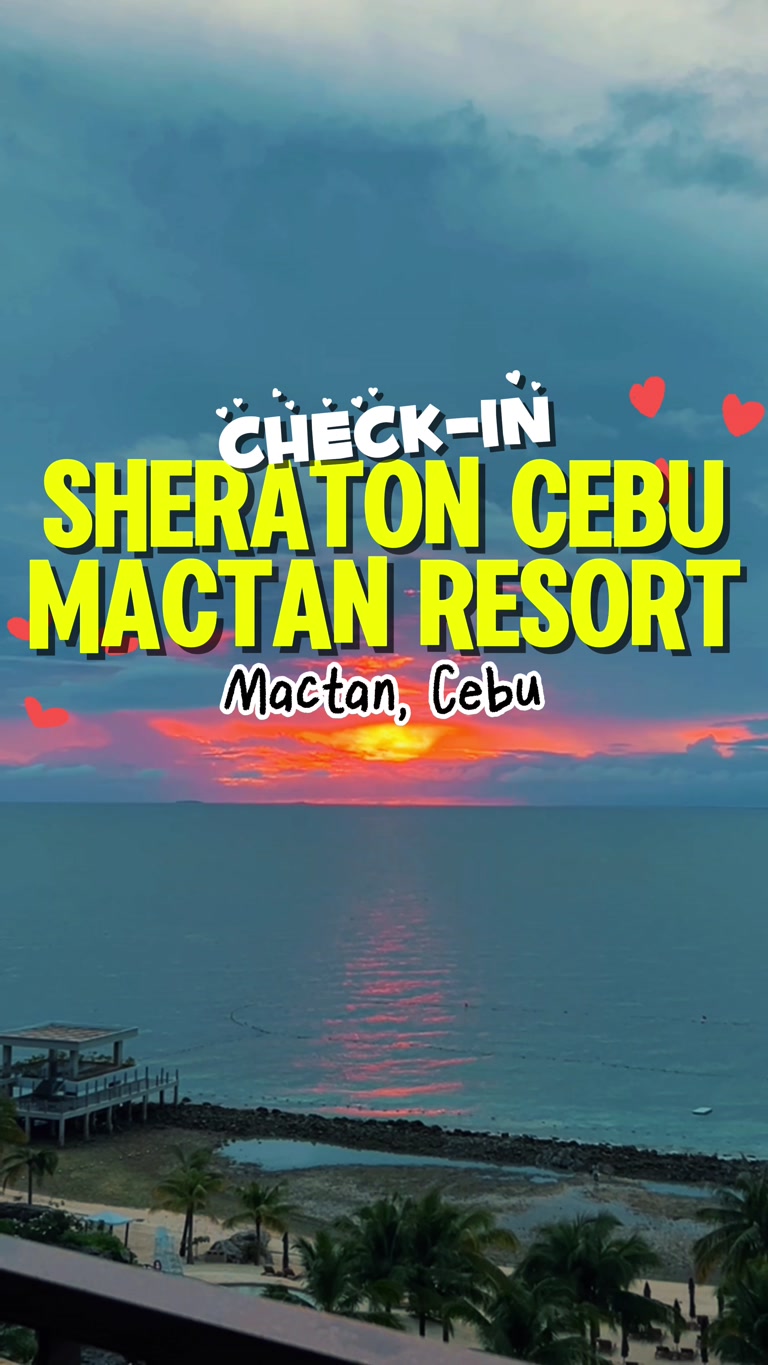
“Where luxury meets warm Filipino hospitality.”
Cebu is the lechon capital of the Philippines. Zubuchon and CnT Lechon are the top picks - crispy skin, juicy pork, no contest. STK ta Bay near the pier for cheap seafood - point at what you want and they cook it. Budget $3-8/meal locally.
Over 1,200 symmetrical grass-covered hills that turn brown in the dry season - hence the name. The viewing deck at Carmen gives a 360-degree panorama. Go in the morning before the haze builds. If visiting in dry season (April - June), the brown hills against blue sky is the classic shot.
See one of the world's smallest primates up close. These bug-eyed creatures fit in the palm of your hand. The sanctuary in Corella is the ethical option - avoid roadside displays. Whisper and turn off camera sounds - tarsiers are extremely sensitive to noise and can get stressed to death. Literally.
A floating buffet lunch while cruising up the jungle-lined Loboc River. Live music, traditional dances, and coconut palm scenery. It's touristy but genuinely enjoyable. The buffet is decent Filipino food - lechon, pancit, and fresh fruit. Book the lunch cruise, not the dinner one.
Connected to Bohol by bridge. Alona Beach is the main tourist strip - dive shops, bars, and beach restaurants. For something quieter, head to Dumaluan Beach. The diving around Balicasag Island (30 min by boat) is some of the best in the Visayas - sea turtles, barracuda, and walls of jackfish.
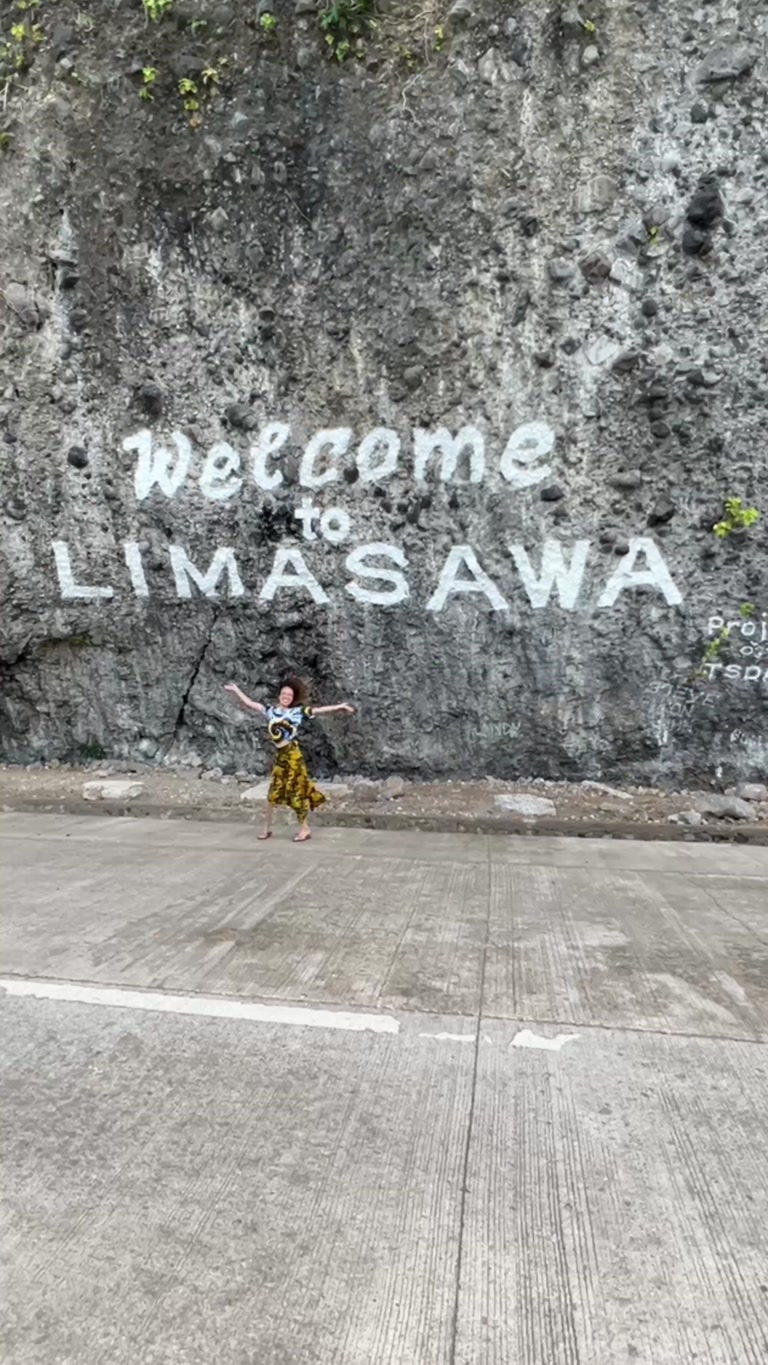
“Welcome to Limasawa Island - where history meets turquoise seas!”
Bohol Bee Farm for organic farm-to-table dining with ocean views - the flower salad and homemade ice cream are excellent. Gerarda's for local lechon. Shaka Bohol in Panglao for acai bowls and healthy brunch. Night market in Tagbilaran for cheap local food.
The most famous wave in the Philippines - a hollow right-hand reef break. Experienced surfers only at the main break. Beginners should head to Jacking Horse or Quicksilver - softer waves, sand bottom, and board rentals are cheap ($5/hour with instructor). The wooden boardwalk and tower at Cloud 9 are worth visiting even if you don't surf.
A turquoise saltwater lagoon surrounded by limestone and mangroves. Paddle boarding and kayaking on water so clear you can see the bottom at 5 meters. The diving platform in the center is a local favorite for jumping. Book a boat from General Luna - about 1.5 hours each way including island stops.
The classic Siargao island-hopping trio. Naked Island is a bare white sandbar with nothing but sand and ocean - no shade, no trees, pure minimalism. Daku Island has palm trees and a beach BBQ lunch. Guyam is a tiny postcard-perfect island you can walk around in 3 minutes.
Tidal rock pools with perfectly clear water, accessible only at low tide. The flat rock formations create natural infinity pools against the open ocean. Check tide times before going - this only works at low tide. About 45 minutes by motorbike from General Luna.
The main town is small but lively. Rum Bar, Bravo, and Harana are the go-to spots. The vibe is barefoot, relaxed, and social. Most of the surf crowd ends up at the same few places. Wednesday and Saturday nights are the biggest.
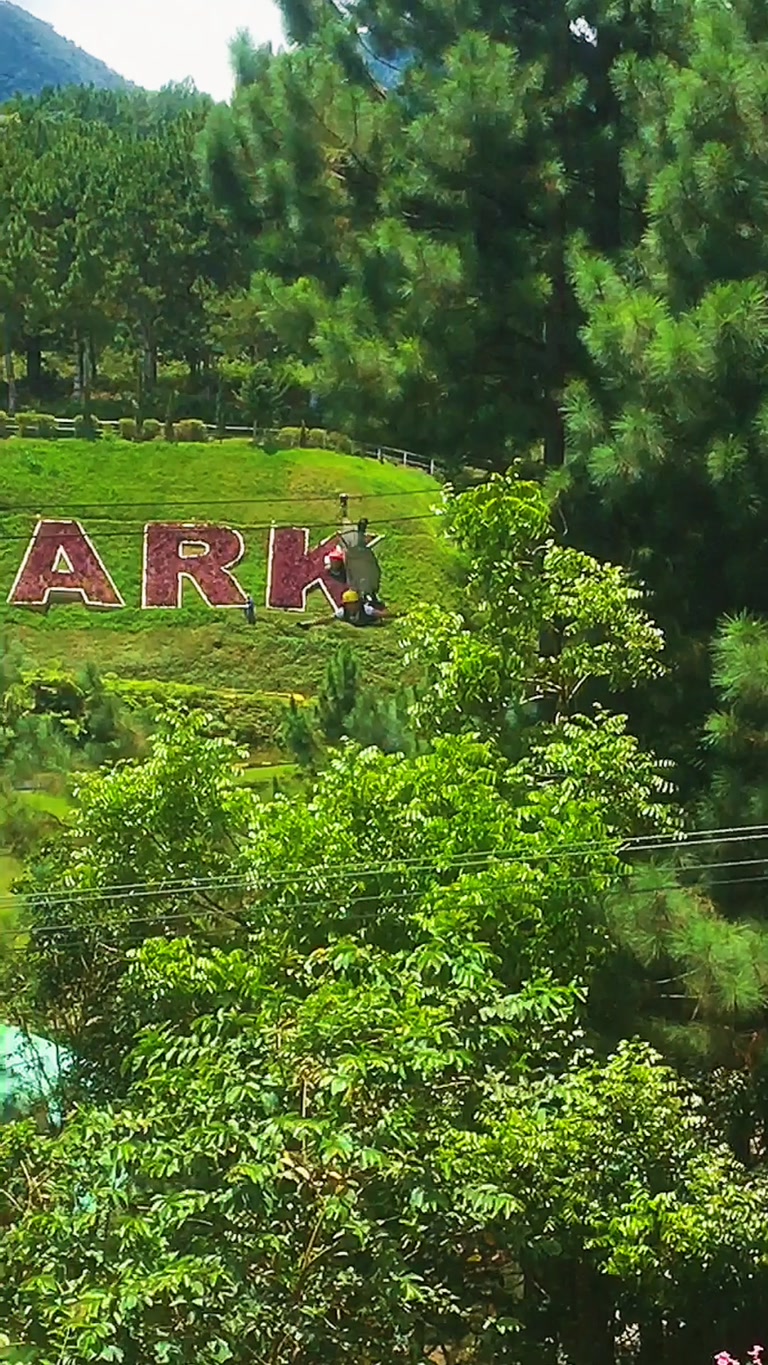
“Ziplining through the pine trees at an adventure park!”
“Tropical paradise on Kalanggaman Island.”
Shaka for healthy bowls and smoothies. Kermit for pizza (seriously good wood-fired pizza on a surf island). Bravo for Filipino-fusion dinner. The local carinderias (small eateries) serve rice and adobo for under $2. Fresh coconut from any roadside stand for 20 pesos.
Get real-time ferry schedules, domestic flight comparisons, creator content at every island, safety scores, and weather forecasts for each stop. One tap to hand off directions in Google Maps or Apple Maps.
Plan in Tourific
Real costs for 10 days in the Philippines. One of the best value destinations on earth.
The Philippines is one of the cheapest travel destinations in Southeast Asia. Domestic flights are the biggest expense - if you book 3-4 weeks ahead, you can often find $30-50 one-way fares. Food and accommodation are remarkably affordable outside Manila. The Tourific app tracks real-time prices for flights, ferries, and activities.
Get exact estimate in appA safe, friendly country - but island logistics require planning, and the weather dictates everything.
The Philippines has two seasons: dry (December - May) and wet (June - November). Typhoon season peaks August - October, especially in the Visayas and eastern islands. Check weather forecasts and have a flexible itinerary during shoulder months.
Domestic flights are cheap but frequently delayed or rescheduled. Always book with padding between connections. Cebu Pacific and Philippine Airlines are the main carriers. Bring ID (passport) even for domestic flights.
Tricycles and motorbikes are the main local transport. Agree on the price before getting in. In Manila, use Grab (Southeast Asian Uber) - it's safe, metered, and air-conditioned. Avoid unmarked taxis.
Tap water is not drinkable. Buy bottled water or bring a filter bottle. Ice in restaurants and hotels is usually filtered and safe. Eat at busy local spots - high turnover means fresh food.
The Philippines is generally safe for tourists, but petty theft happens in Manila and crowded areas. Keep valuables secure, don't flash expensive gear, and use hotel safes. Outside Manila, the vibe is extremely friendly and relaxed.
1 USD = ~56 PHP (check current rate)
Cash is king outside Manila - ATMs exist but can run out on small islands
Withdraw larger amounts in Manila or Cebu City
GCash (mobile payment) is widely accepted - tourists can set up an account
Buy a Globe or Smart SIM at Manila airport (~$5 for 15GB)
4G coverage is decent in towns, weak on remote islands
Download offline maps before visiting El Nido and Siargao
Most hotels and cafes have Wi-Fi (speeds vary dramatically)
Plan this exact route with AI-powered cost estimates, creator content at every island, ferry schedules, and one-tap navigation handoff.