Lisbon -> Sintra -> Porto -> Douro Valley -> Algarve. Drive from Lisbon's tiled hillsides through fairy-tale Sintra, port wine cellars in Porto, terraced vineyards along the Douro River, and finish on the golden sea cliffs of the Algarve. Ten days through one of Europe's most underrated countries.
Portugal is one of those countries where the quality of the experience far exceeds what you'd expect from the price. A bottle of excellent wine costs $5 at a restaurant. A plate of grilled sardines with a sea view costs $8. A night in a converted 18th-century palace can run under $150. For what you get, Portugal is one of the best-value destinations in Western Europe.
This route covers Portugal's greatest hits in 10 days. You start in Lisbon - a city that feels like it was designed for walking, with tiled facades on every building, viewpoints on every hill, and pasteis de nata at every corner. Then Sintra's fantasy palaces, Porto's port wine cellars and riverside charm, the Douro Valley's terraced vineyards, and finally the Algarve's dramatic coastline of sea caves and golden cliffs.
The driving is easy. Portugal is a small country - Lisbon to Porto is only 3 hours on the motorway, and the roads are well-maintained. The toll system takes some getting used to (electronic only on many stretches), but once set up it's painless. Outside the motorways, the coastal and river roads are some of Europe's most scenic drives.
What sets Portugal apart is the food and wine culture. This isn't France's formality or Italy's celebrity-chef scene. Portuguese cooking is honest, ingredient-driven, and tied to the ocean and the land. Fresh fish grilled over charcoal, slow-braised meats, simple salads, and wine from the region you're sitting in. Every meal feels local because it is.
Portugal drives on the right. Motorways are excellent but many use electronic toll collection only (no booths). Get a Via Verde transponder from your rental company or register at portugaltolls.com. Speed cameras are common. The speed limit is 120 km/h on motorways, 50 km/h in towns.
10 days from Lisbon's tiled streets to the Algarve's golden cliffs. Wine, seafood, and views at every turn.
Lisbon's oldest neighborhood. Narrow alleys, laundry hanging between buildings, fado music drifting from open windows. Tram 28 rattles through the heart of it, but it's packed with tourists - walk instead and save the tram for early morning or a random section mid-route.
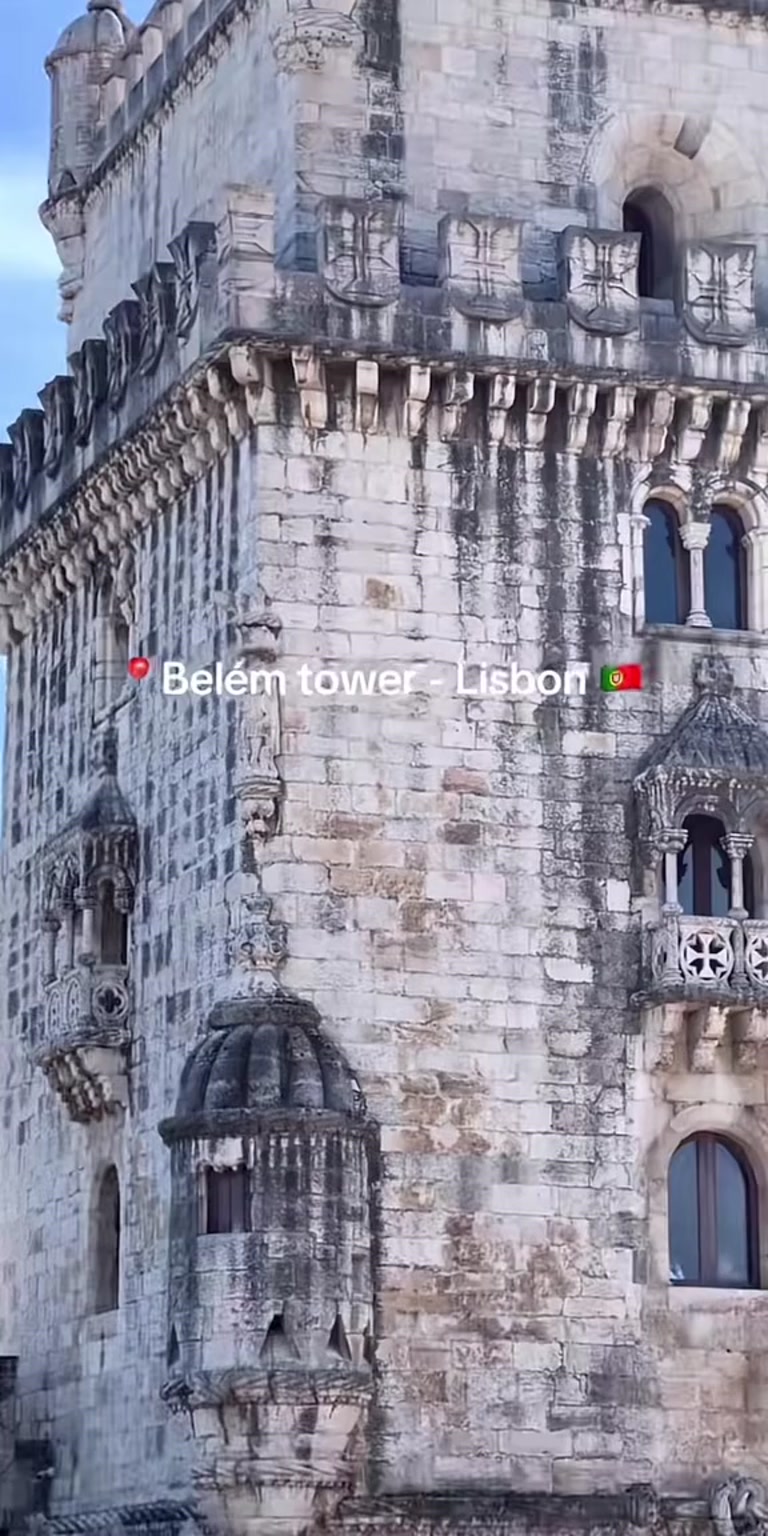
Belem is where the Age of Discovery launched. The tower sits at the river's edge, and the Jeronimos Monastery is one of the finest examples of Manueline architecture in Europe. Get there before 10am - the monastery line gets brutal. Eat a pastel de nata at Pasteis de Belem (yes, it's touristy, yes, it's worth it).
A renovated market hall with stalls from Lisbon's best chefs. It's not cheap but the quality is high. Go for lunch, grab a few half-portions from different vendors, and share. The wine bar upstairs has a solid selection of Portuguese wines by the glass.
Lisbon is a city of hills, and the miradouros (viewpoints) are free, beautiful, and often have a kiosk selling cheap beer and wine. Senhora do Monte is the highest point in the city. Go at sunset with a Super Bock and watch the light turn the rooftops gold and pink.
A converted industrial complex under the 25 de Abril bridge. Bookshops, design studios, vintage stores, and restaurants. Ler Devagar bookshop (inside a former printing warehouse) is worth the visit alone. Sunday brunch here is popular with locals.
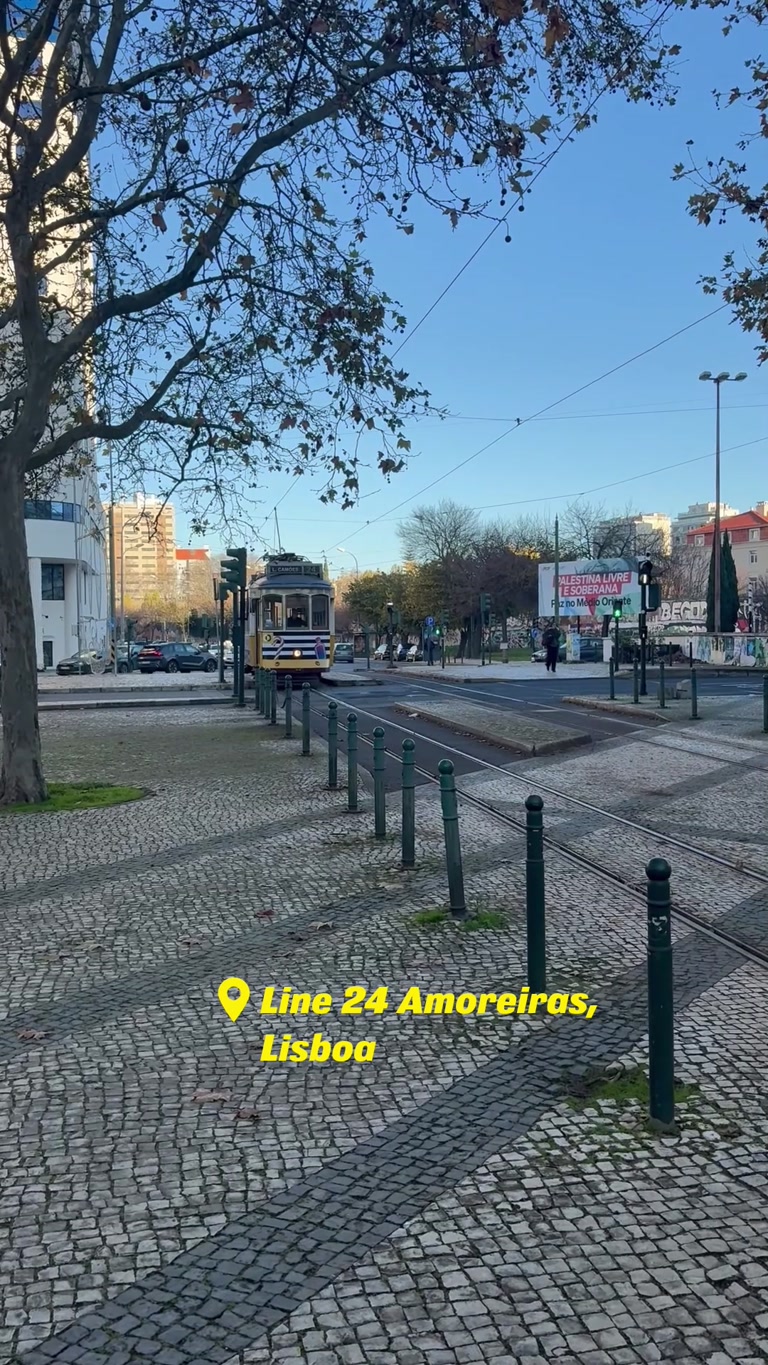
“Riding the iconic Line 24 tram through Amoreiras, Lisbon.”
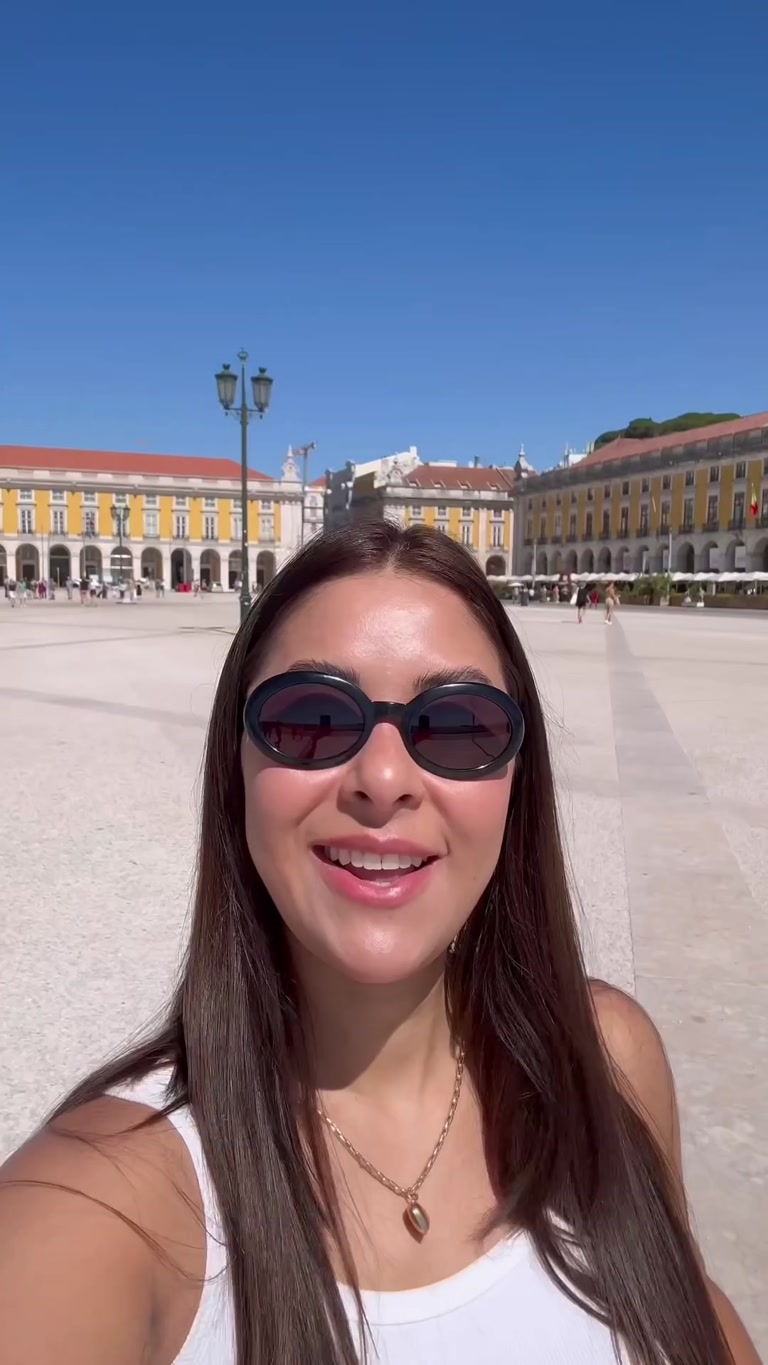
“Exploring Lisbon's iconic squares, tiled streets, and local cuisine!”
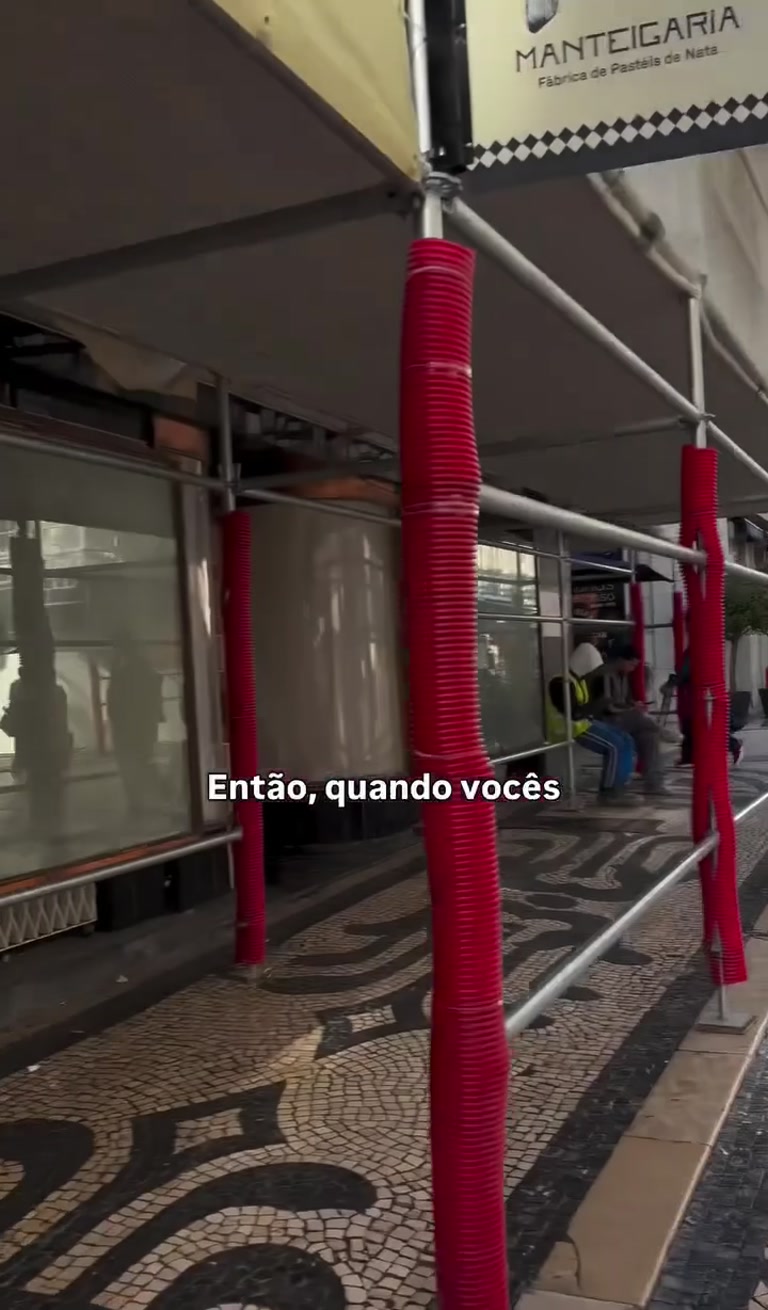
“Sampling authentic pasteis de nata at Manteigaria in Lisbon.”
“Exploring the iconic Belem Tower in Lisbon.”
Eat bifana (pork sandwich) at a local tasca for under $3. Dinner at a cervejaria (seafood restaurant) for fresh grilled fish priced by weight. Drink ginjinha (sour cherry liqueur) from a hole-in-the-wall bar near Rossio. Portuguese wine at restaurants is $3-8 per bottle - absurdly good value.
A Romanticist castle painted in bright yellow and red, perched on a hilltop above the clouds. It looks like something from a children's book. The interior is preserved as the royal family left it in 1910. Buy tickets online in advance - the entrance queue can be over an hour.
The Initiation Well is the highlight - a 27-meter spiral staircase descending into the earth, designed for Masonic rituals. The gardens are full of hidden tunnels, grottoes, and passages that connect to the well. Go early morning before tour groups arrive.
8th-century castle walls snaking along a mountain ridge. The views from the ramparts cover Sintra's forest, the Atlantic coast, and on clear days, Lisbon. It's a solid uphill walk from town or a short drive. Less crowded than Pena Palace and arguably better views.
The oldest surviving royal palace in Portugal, recognizable by its two massive conical kitchen chimneys. The interior has outstanding azulejo tile work from the 15th and 16th centuries. Right in the town center - easy to combine with lunch.
Try travesseiros (almond pastry pillows) at Piriquita bakery - Sintra's signature sweet since 1862. For lunch, avoid the overpriced tourist restaurants on the main square. Walk 5 minutes to side streets for better value. Queijadas de Sintra (cheese tarts) are the other local specialty.
Porto's riverside quarter is a maze of narrow streets tumbling down to the Douro. Walk across the top deck of the Dom Luis I bridge for the classic Porto panorama - the colorful Ribeira buildings on one side, the port wine lodges of Vila Nova de Gaia on the other. Sunset from the bridge is hard to beat.
Cross the bridge to Gaia for port wine tastings. Taylor's has the best views from its terrace. Graham's has a Michelin-recognized restaurant. Sandeman does the most polished tour. For something less commercial, try Ramos Pinto or Ferreira. Tastings run $5-20 depending on the wines.
Lello is one of the most photographed bookshops in the world - the neo-Gothic interior with its red spiraling staircase supposedly inspired J.K. Rowling. Buy a ticket online (it converts to a book credit). Clerigos Tower next door is the tallest in Porto - 240 steps for 360-degree views.
Sao Bento's entrance hall has 20,000 blue-and-white azulejo tiles depicting Portuguese history. It's a working train station, so just walk in. From there, hunt azulejos across the city - Igreja do Carmo, Capela das Almas, and dozens of ordinary buildings covered in hand-painted tiles.
Where the Douro River meets the Atlantic. Walk the promenade from Ribeira west to the Foz lighthouse. It's about 5 km along the water. End at the Pergola da Foz for a coffee or beer watching the waves crash against the rocks. This is where Porto locals go on weekends.
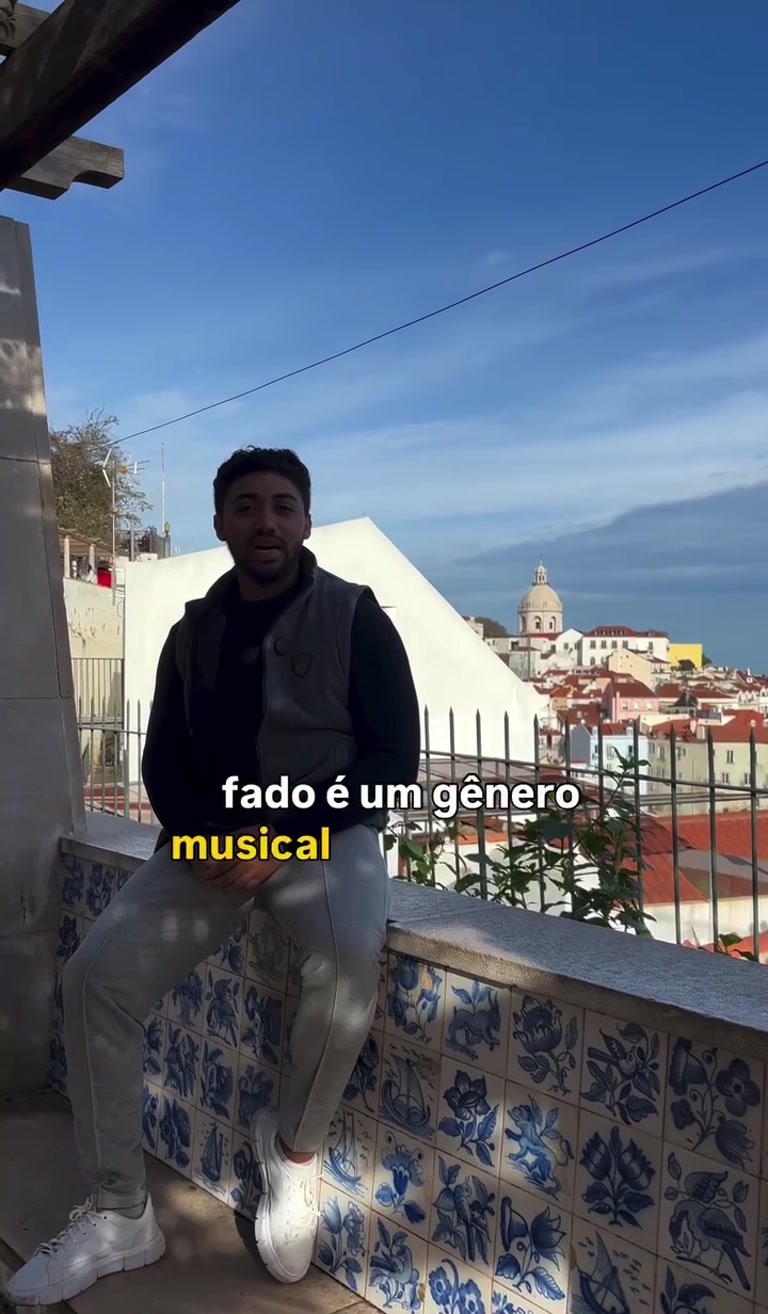
“Exploring Viseu's Miradouro Santa Luzia and the soulful tradition of Fado.”
Eat a francesinha - Porto's famous sandwich (bread, ham, sausage, steak, covered in melted cheese and a beer-tomato sauce). Cafe Santiago and Capa Negra II are the locals' picks. For seafood, get arroz de marisco (seafood rice) at a Matosinhos restaurant near the fish market. Cheap and enormous.
Pinhao is the center of the Douro wine region. The train station has beautiful tile panels showing the grape harvest. Book visits to Quinta do Crasto, Quinta do Vallado, or Quinta Nova for tastings and lunch with vineyard views. The terraced hillsides are a UNESCO World Heritage landscape.
Short cruises from Pinhao take you through the heart of the wine region with terraced vineyards rising on both banks. Longer cruises connect Porto to Pinhao (full day). The morning light on the river is exceptional for photography. Some boats include wine tasting on board.
One of the greatest viewpoints in Portugal. The poet Miguel Torga called this view 'the work of God and man.' Terraced vineyards cascade down to the river in every direction. Drive 20 minutes from Pinhao. Arrive at golden hour for the best light.
The Douro produces more than port - the table wines (especially reds and white Douro wines) are world-quality and fraction of the price of comparable French or Italian wines. Many quintas offer lunch pairing menus. Budget $20-40 for a tasting with food.
Douro food is hearty mountain cooking. Expect slow-roasted kid goat, cozido (Portuguese stew), and bread baked in wood ovens. Many wine estates serve multi-course lunches paired with their wines. In Pinhao town, DOC restaurant by chef Rui Paula has a terrace right over the river.
A massive sea cave with a hole in the ceiling that lets sunlight pour onto the beach below. Access by kayak, SUP, or boat tour from Benagil beach. Kayak gives you the most time inside. Go early morning for fewer boats and the best light through the ceiling opening.
Golden limestone cliffs, sea stacks, and grottoes near Lagos. Walk the clifftop path for the views, then take a boat tour from the bottom to weave through the arches and caves. The formations glow orange and gold in afternoon light. One of the most photographed spots in Portugal.
A walled town with cobblestone streets, excellent restaurants, and a young, lively atmosphere. The Saturday morning market sells local produce, cheese, and honey. Praia Dona Ana is the town beach - consistently rated among Europe's best. Walk the coast path west to Ponta da Piedade.
Regularly ranked as one of the top 10 beaches in Europe. Dramatic cliff formations frame turquoise water. The beach is accessed by a staircase cut into the cliff. Snorkeling along the base of the cliffs reveals caves and marine life. Arrive before 10am in summer for a good spot.
The southwestern tip of Europe. The fortress at Sagres is where Prince Henry the Navigator planned the voyages that launched Portugal's maritime empire. Cape St. Vincent, 6 km west, has a lighthouse on dramatic cliffs. Watch the sunset here - you're looking at the last point of land before the open Atlantic.
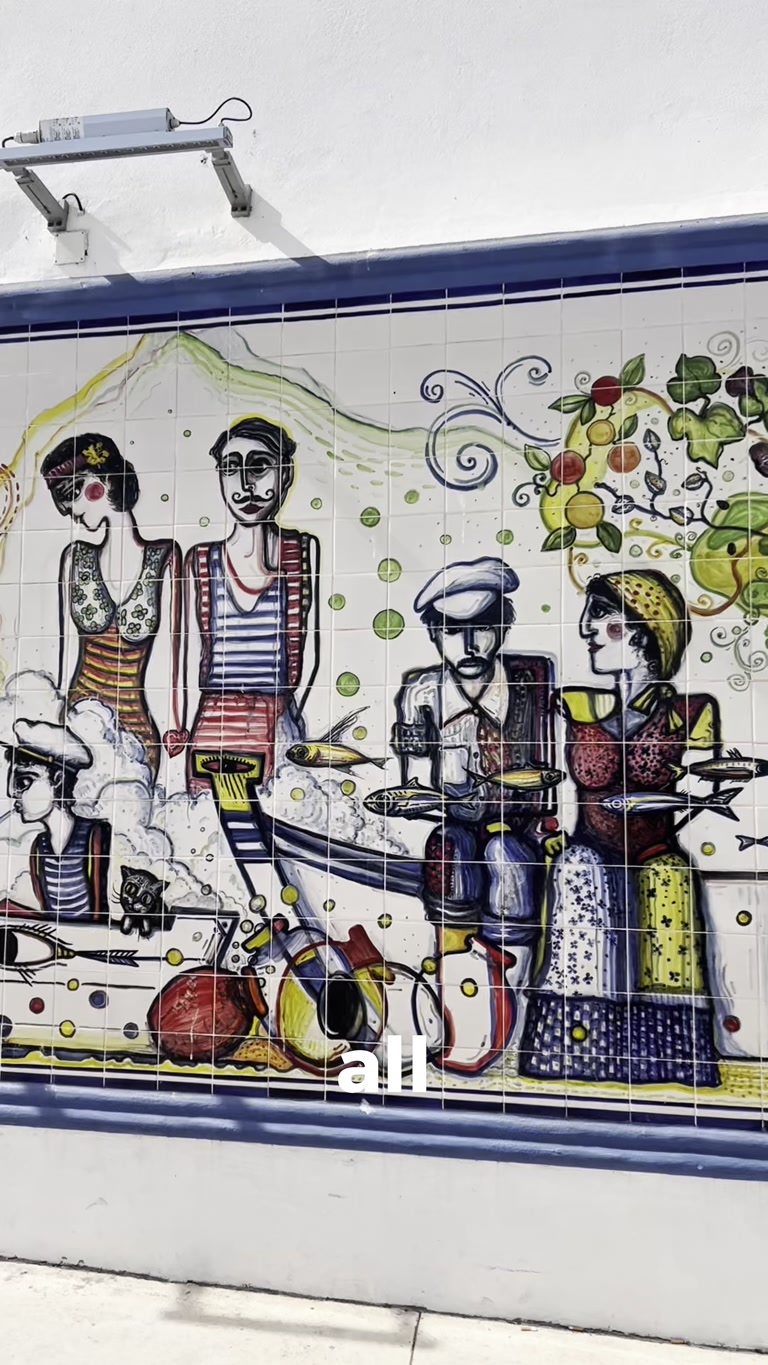
“Colorful mural art depicting local culture and daily life.”
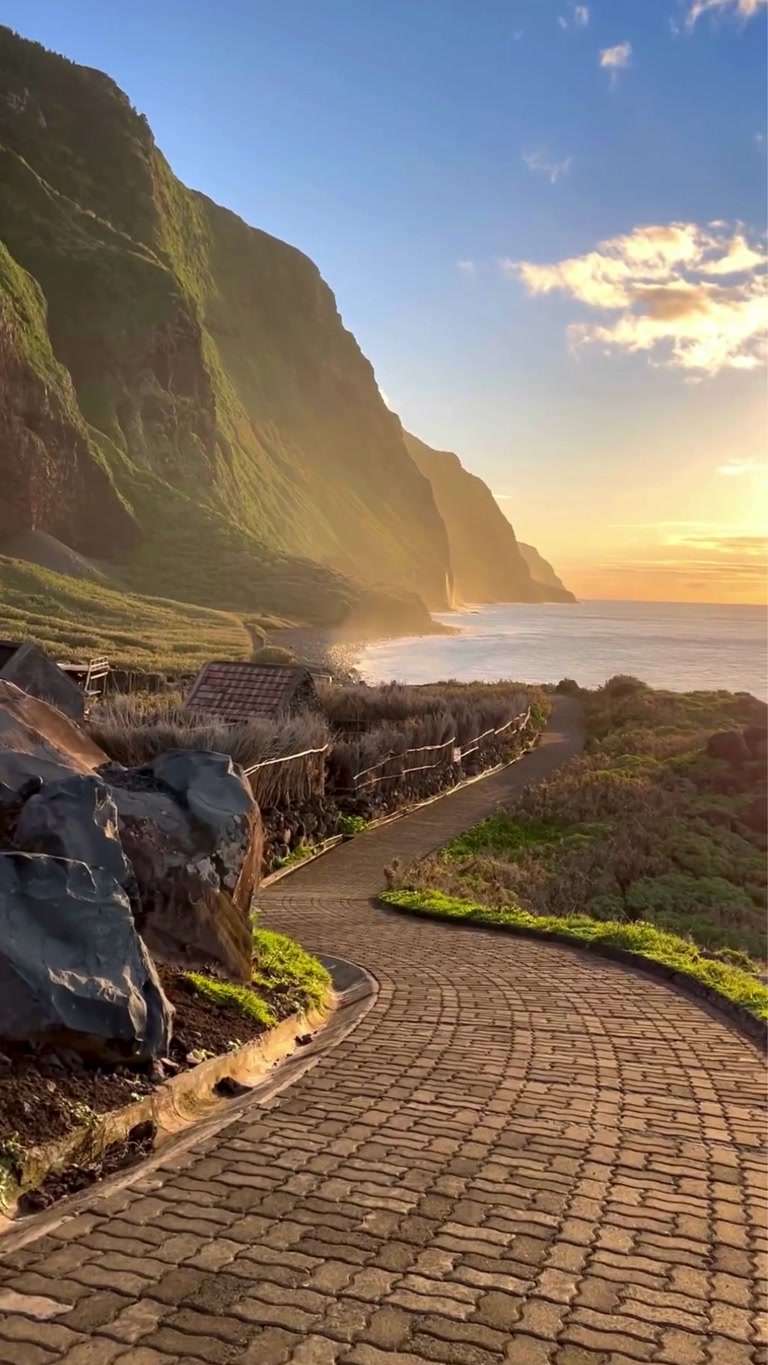
“Golden hour stroll along the dramatic coast of southern Portugal.”
Grilled fish is king in the Algarve. Cataplana (copper pot seafood stew with clams, shrimp, and chorizo) is the regional specialty. Eat at beachside restaurants in Lagos or Ferragudo for the best value. Fresh grilled sardines with a cold Sagres beer on a terrace overlooking the sea - that's the Algarve at its best.
Get real-time toll estimates, winery booking links, creator content at every stop, weather forecasts for beach days, and one-tap navigation handoff to Google Maps or Apple Maps.
Plan in Tourific
Real costs for 10 days in Portugal. One of Europe's best-value destinations at every budget level.
Portugal remains one of Western Europe's most affordable countries. The euro goes further here than in France, Spain, or Italy. Wine at restaurants is $3-8 per bottle, a full meal at a tasca runs $8-12, and accommodation outside Lisbon is remarkably reasonable. The Tourific app tracks real-time prices at every stop.
Get exact estimate in appPortugal is easy to travel, but a few local details make the difference between a good trip and a great one.
Portugal's toll roads (motorways) use electronic tolling. Some don't have toll booths at all - they photograph your plate. Rent a Via Verde transponder with your car or register your plate online at portugaltolls.com before driving. Unpaid tolls result in fines.
Pickpocketing is common on Tram 28 in Lisbon and in crowded tourist areas. Keep valuables in front pockets or a cross-body bag. Lisbon is generally very safe, but the tram and Alfama alleys are where most theft happens.
Portuguese meal times run late. Lunch is 12:30-2pm, dinner is 8-10pm. Restaurants outside tourist zones may not open for dinner before 7:30pm. Adjust your schedule or eat where locals eat.
Drive carefully on the Algarve's cliff roads, especially near Benagil and Ponta da Piedade. The roads are narrow, parking is limited in summer, and some beaches require steep descents. Wear proper shoes, not flip-flops, on cliff paths.
Learn three Portuguese words: obrigado/obrigada (thank you, male/female), bom dia (good morning), and por favor (please). Portuguese people genuinely appreciate when tourists try. Don't speak Spanish to them - it's a different language and they notice.
Pick up in Lisbon, drop off in Faro (Algarve) - one-way fees are usually small
Manual transmission is standard - request automatic early if needed
Full insurance recommended (narrow city streets, tight parking)
International driving permit not required for EU/US/UK licenses
CP (Comboios de Portugal) connects Lisbon, Porto, and Faro
Lisbon to Porto: 2.5 hr by Alfa Pendular (~$30)
Lisbon to Sintra: 40 min by suburban train (~$2.50)
Car is better for Douro Valley and Algarve coast exploration
Plan this exact route with AI-powered cost estimates, creator content at every stop, winery bookings, and one-tap navigation handoff.