Cape Town → Garden Route → Addo → Durban. From Table Mountain and top-tier wine estates through the scenic Garden Route, Big 5 safari at Addo, legendary surf at Jeffrey's Bay, and Zulu culture in Durban. Fourteen days of the most diverse road trip on the continent.
South Africa is the most diverse road trip destination on Earth. No other single route gives you top-tier wine, Big 5 safari, whale watching, surfing, bungee jumping, penguin colonies, indigenous forest, and a food scene that fuses African, Indian, Cape Malay, and European traditions - all within 1,800 km of well-maintained highway.
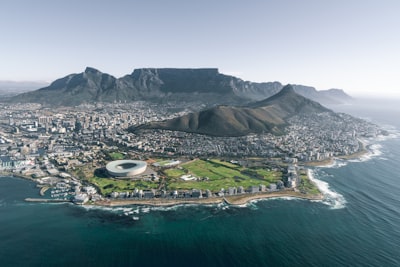
Cape Town alone is a top-10 city. Table Mountain rises 1,000 meters directly from the city center. The winelands 45 minutes away produce wines that compete with Burgundy and Napa at a fraction of the price. The Cape Peninsula drive - past penguin beaches, fishing villages, and the rocky tip of Africa - is one of the great coastal drives anywhere.
The Garden Route that follows is South Africa's most scenic highway: 300 km of coastline winding through indigenous forest, past river gorges, lagoons, and beaches. Then Addo delivers a malaria-free Big 5 safari where you can self-drive your rental car alongside 600+ elephants. And Durban finishes the trip with warm Indian Ocean water, Zulu culture, and bunny chow - a curry-filled bread loaf that is one of the world's most satisfying street foods.
The value is extraordinary. The South African rand gives travelers from the US, UK, and Europe tremendous purchasing power. A top-tier wine estate lunch with pairing is $25. A full-day safari is $30. A bottle of Pinotage that would cost $25 abroad is $5 at the cellar door. This is first-world infrastructure at developing-world prices.
This is a self-drive road trip on excellent roads. South Africa drives on the LEFT (British-style). The N2 highway from Cape Town to Durban is paved, well-signed, and scenic. Rent a car at Cape Town airport and drop it in Durban (or fly the last leg). Fuel is cheap by international standards. All petrol stations are full-service - an attendant fills your tank, checks oil, and cleans windshields. Tip R10-20.
14 days from Table Mountain to the Golden Mile - wine, whales, safari, surf, and everything between.
Take the cable car up (book online to skip the queue) or hike Platteklip Gorge (2-3 hours, steep but rewarding). The summit is flat and huge - walk the entire plateau for 360-degree views of the city, Robben Island, and the Atlantic. Go early morning for clearest skies. The mountain gets 'tablecloth' clouds that roll in by afternoon. Check the webcam before going - if the cloud cover is thick, wait for another day.
The rainbow-painted houses of the Cape Malay Quarter are Instagram gold, but there's real history here. This is one of Cape Town's oldest residential areas, home to the descendants of enslaved people brought from Southeast Asia. Take a cooking class to learn Cape Malay cuisine - bobotie (spiced meat with egg custard), koesisters (syrup-soaked doughnuts), and samoosas. The Bo-Kaap Museum provides context.
A massive waterfront development with restaurants, shops, the Two Oceans Aquarium, and the Zeitz Museum of Contemporary Art Africa (MOCAA) - housed in a converted grain silo with cathedral-like interior architecture. The food market has excellent local cuisine. At sunset, grab a drink at a waterfront bar with Table Mountain glowing behind you.
A full-day excursion along the Cape Peninsula. Chapman's Peak Drive is one of the most scenic coastal roads on Earth. Cape Point has the iconic lighthouse (hike or take the funicular). The Cape of Good Hope is the southwestern tip of Africa - dramatic, wind-battered cliffs with crashing waves. On the way back, stop at Boulders Beach for African penguins waddling meters from you.
A colony of endangered African penguins on a sheltered beach in Simon's Town. Boardwalks take you within meters of nesting penguins. You can swim at the adjacent beach WITH penguins (they don't mind). Best visited in the morning when they're most active. Entry fee is small (about R176/$10). Combine with a fish and chips lunch in Simon's Town.
The prison where Nelson Mandela spent 18 years. Tours are led by former political prisoners - their firsthand accounts are profoundly moving. Book online well in advance (especially Dec-Feb). The ferry from the Waterfront takes 30 minutes. The island also has a penguin colony and historical lighthouse. Allow 3.5 hours total including ferry.
“Table Mountain cable car at sunset - panoramic views of the entire Cape Peninsula”
“Bo-Kaap's rainbow streets - the most photographed neighborhood in Africa”
“V&A Waterfront with Table Mountain backdrop - shopping, food, and harbor views”
“Cape Point - where the Atlantic and Indian Oceans meet at Africa's edge”
“Boulders Beach penguins - an African penguin colony you can walk among”
“Chapman's Peak Drive - one of the most scenic coastal roads on Earth”
Cape Town's food scene is top-tier. The Test Kitchen was named Africa's best restaurant. For affordable excellence: Mzansi (Cape Malay cuisine), Harvest (seasonal, local sourcing), and Homespun (local favorite in Observatory). Don't miss a braai (South African barbecue) - boerewors (coiled sausage), sosaties (kebabs), and pap (cornmeal). Long Street has the nightlife and late-night eateries.
South Africa's most prestigious wine region. The Cape Dutch architecture (white gabled farmhouses) dates to the 1700s. Must-visit estates: Delaire Graff (incredible views, art collection), Tokara (contemporary design, olive oil tastings too), and Jordan (excellent Cabernet). Stellenbosch town itself is charming - oak-lined streets, university town energy, and excellent restaurants. Pinotage is the local grape - a uniquely South African variety.
The most fun way to wine taste: a hop-on-hop-off tram and open-air bus connecting 7 wine estates through the Franschhoek Valley. You pick your line (red or blue route), taste at 3-4 estates, and never worry about driving. La Motte, Grande Provence, and Rickety Bridge are highlights. Franschhoek means 'French Corner' - Huguenot refugees settled here in the 1600s, and the French influence persists in the cuisine. Book the tram online (sells out in peak season).
The winelands restaurants are some of the best in Africa. Babel at Babylonstoren (farm-to-table in a greenhouse garden), La Petite Colombe (fine dining with valley views), and Pierneef à La Motte (art-meets-food). For something casual, Spice Route in Paarl has a craft brewery, chocolate maker, and artisan food - all on one estate. Expect to pay R300-800 ($17-45) for a serious lunch with wine pairing.
A 17th-century Cape Dutch farm with one of the most beautiful gardens in the world - 300+ varieties of edible and medicinal plants in a geometric layout inspired by the Company's Garden. Walk the garden, shop the farm store, eat at Babel or the Greenhouse. The overnight accommodation is exquisite but books months ahead.
Franschhoek is South Africa's food capital. Tasting Menu at La Petite Colombe for a splurge. The Franschhoek Kitchen for upmarket casual. Ryan's Kitchen for creative small plates. In Stellenbosch: Overture (fine dining legend) and De Warenmarkt (food market concept with multiple kitchens). Wine is absurdly cheap - R80-200 ($5-11) for bottles that compete with $30-50 wines internationally.
Hermanus is considered the best land-based whale watching destination on Earth. Southern right whales come within 20 meters of the shore to calve and nurse. The Cliff Path walking trail (12 km along the coast) offers multiple viewpoints. There's even a 'whale crier' - a town official who walks the streets blowing a kelp horn when whales are spotted. Peak season is September-October. Boat-based tours get you even closer.
A 12 km path hugging the cliff edge from New Harbour to Grotto Beach. Benches at whale-watching viewpoints dot the route. During whale season, you can spend hours just sitting and watching mothers and calves breach, slap tails, and spy-hop. Outside whale season, the path is still beautiful - fynbos vegetation, tidal pools, and seabird colonies.
30 minutes from Hermanus, Gansbaai is the great white shark capital of the world. Cage diving puts you face-to-face with these apex predators in their natural habitat. No diving experience needed - you breathe through a hookah line. The experience is thrilling and conservation-focused (operators fund research). Book with Marine Dynamics or White Shark Projects. Not available year-round - check seasonal patterns.
A cooler-climate wine region specializing in Pinot Noir and Chardonnay - South Africa's answer to Burgundy. Creation Wines (pair wines with food), Hamilton Russell (South Africa's most acclaimed Pinot Noir), and Ataraxia (high-altitude, incredible views). Less commercial than Stellenbosch, more intimate tastings. The valley name means 'Heaven and Earth.'
Fisherman's Cottage for fresh-off-the-boat seafood. Origin for Hemel-en-Aarde wines with modern SA cuisine. The Burgundy Restaurant for fine dining. For casual: Hermanus Market (Saturday mornings) has excellent local food stalls. Try snoek (a local smoked fish) - it's a Cape delicacy. The town is walkable and charming, with a surprisingly vibrant food scene for its size.
A quiet town set between a lagoon, river, and the sea. The Wilderness Section of Garden Route National Park has excellent bird watching and canoeing on the Touw River. Dolphin's Point viewpoint (free, 5-minute walk) often rewards you with dolphin pods surfing the waves below. The beach is wide, wild, and usually empty. A perfect antidote to Cape Town's energy.
Knysna's twin sandstone headlands guard a massive lagoon. The East Head viewpoint is dramatic - sheer cliffs dropping into swirling tidal currents. The lagoon itself is home to the endangered Knysna seahorse. Take a lunch cruise on a houseboat. Knysna town has great restaurants along the waterfront. The Knysna Oyster Festival (July) is a major event.
The crown jewel of the Garden Route. Ancient Afromontane forest meets rocky coastline. The Suspension Bridge over the Storms River Mouth is the iconic photo - a swaying bridge over turquoise water where the river meets the ocean. The Mouth Trail (1 km each way) is accessible for all fitness levels. For more: the Waterfall Trail (3 km) goes to a 40m waterfall. Canopy tours (ziplining through the forest canopy) are available nearby.
One of the Garden Route's most beautiful towns. Robberg Peninsula is a 9 km circular hike around a rocky headland with Cape fur seal colonies, 130-million-year-old geology, and possible whale and dolphin sightings. The beach (Lookout Beach) is a stunner. Monkeyland and Birds of Eden (adjacent sanctuaries) are worth visiting - walk through free-flight domes of rescued parrots and primates.
The world's highest commercial bridge bungee at 216 meters. The bridge spans a gorge in the Tsitsikamma area. The jump itself is 7 seconds of freefall. Even if you don't jump, watching from the bridge walkway is heart-stopping. Face Adrenalin operates it - no booking needed, walk-in only (expect waits in peak season). They also offer a bridge walk for non-jumpers.
“Bloukrans Bridge bungee - 216 meters of pure adrenaline, the world's highest commercial bungee”
Knysna: 34 South (seafood with lagoon views), Ile de Païn (artisan bakery and café), East Head Café (the view alone is worth it). Plettenberg Bay: Emily's (fine dining), The Table (farm-to-fork), and Nguni (steakhouse). The Garden Route has fresh oysters everywhere - Knysna oysters are famous. Order a dozen with a glass of local Sauvignon Blanc for under R200 ($11).
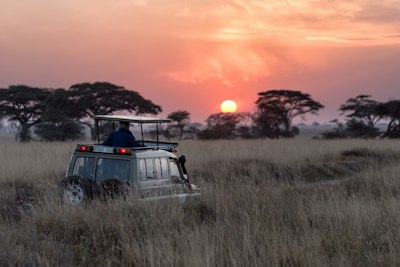
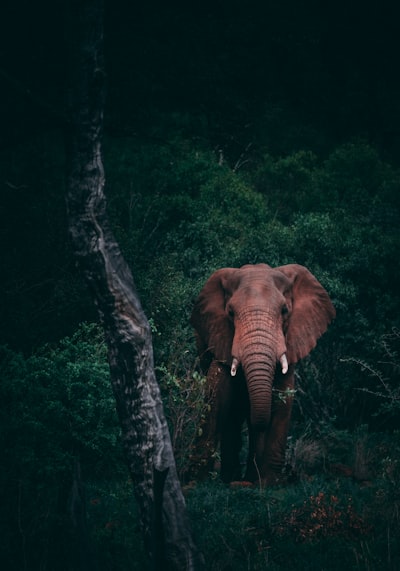
Addo is one of the few national parks where you can self-drive in your rental car. The main camp area has waterhole viewpoints where elephants gather in herds of 50+. Early morning (gates open at 7am) and late afternoon (4-6pm) are best for activity. Stick to the speed limit (40 km/h on gravel, 50 on tar). Turn off your engine at waterholes and wait - the animals will come to you. Over 600 elephants in the park.
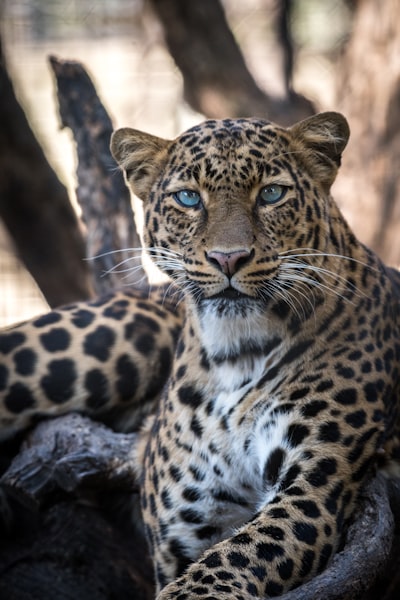
Addo recently reintroduced lion and now has all Big 5 (elephant, lion, buffalo, leopard, rhino). Elephants are almost guaranteed. Lion sightings depend on luck and patience. The Addo flightless dung beetle is endemic and surprisingly charming - they roll enormous dung balls across the road. Don't drive over them (it's illegal in the park). Black rhino are present but elusive - ask at reception for recent sighting locations.
Book a guided night drive through SANParks at the main camp. The guide uses a spotlight to find nocturnal animals: aardvark, porcupine, brown hyena, bat-eared fox, and African wild cat. The stars over Addo - deep in the Eastern Cape with no light pollution - are extraordinary. Bring warm layers (even in summer, nights cool rapidly). Book ahead as spots are limited.
The coastal section of Greater Addo includes the largest coastal dune field in the Southern Hemisphere. The Sundays River Beach has massive sand dunes you can sandboard down. The marine section includes islands with gannet and penguin colonies (boat trips from Port Elizabeth). This is the only park in the world with the 'Big 7' - adding the great white shark and southern right whale to the traditional Big 5.
“Elephant family crossing the road in Addo - windows down, engine off, pure magic”
“Lion pride at the waterhole during golden hour at Addo Elephant Park”
“Night drive safari - spotting a leopard's eyes in the spotlight at Addo”
Inside the park, the main camp restaurant serves decent meals but nothing special - it's a national park, not a private lodge. The camp shop has braai supplies if you're self-catering (most accommodations have braai facilities). For a serious meal, drive to Colchester (15 min) for The Zuurberg Mountain Inn, or stock up in Port Elizabeth (1 hour) before arriving. Bring snacks for game drives - you don't want to leave the park when elephants are at the waterhole.
J-Bay is home to one of the most perfect right-hand point breaks on Earth - Supertubes. Even if you don't surf, watching pros rip through 200-meter-long barrels is mesmerizing. The annual Corona Open J-Bay (WSL Championship Tour event, July) brings the world's best. For beginners, the beach break at Kitchen Windows is forgiving. Board rentals and lessons available on the main beach.
J-Bay's Shell Museum has one of the largest collections in the world - surprisingly fascinating. The town itself is relaxed and surf-centric: board shapers, surf shops, cafés with ocean views, and a vibe that's a mix of Byron Bay and Biarritz. The factory shops (billabong, rip curl) have genuine bargains. Walk the beach at sunset - dolphins are often visible in the surf line.
A small reserve at the eastern end of town with a beautiful estuary, coastal forest, and birdwatching hides. Flamingos gather in the lagoon. The walk to the river mouth is quiet and scenic - a contrast to the surf energy of the main beach. Good for a morning stretch before driving.
Kitchen Windows Café for the classic J-Bay breakfast (ocean-view tables, good coffee, surfer crowd). Nina's Real Food for health-conscious meals. InFood for more serious dining. The Walskipper for traditional seafood. J-Bay is casual - board shorts and flip-flops everywhere. The supermarket sushi is surprisingly good (a South African thing).
If you didn't visit Tsitsikamma on the Garden Route leg, the suspension bridge at Storms River Mouth is unmissable. The 1 km Mouth Trail from the rest camp descends through forest to a series of suspension bridges over turquoise water where the river meets the sea. The final bridge sways over the churning mouth - vertigo-inducing and beautiful. Go early morning for the best light and fewer people.
Paddle a kayak into the river gorge - towering cliff walls close in as you go deeper. The water is tea-colored (from tannins in the fynbos, not pollution) and perfectly calm. Guides lead the way and explain the ecology. You can swim in the river (cold but refreshing). Untouched Adventures is the best operator. Combined with a lilo (inflatable tube) float down the rapids on the return.
Zip-line through the indigenous forest canopy on 10 platforms connected by cables. The highest platform is 30 meters above the forest floor. The guides are knowledgeable about the ecology - yellowwood trees here are over 800 years old. Not as extreme as bungee jumping but still thrilling, and the forest setting is magical. Suitable for ages 7+.
Tsitsikamma Lodge Restaurant for solid bistro fare in a forest setting. Marilyn's 60's Diner for burgers with a quirky vibe. Storms River village is tiny - maybe 5 restaurants total. The Tsitsikamma rest camp (SANParks) has a basic restaurant. Best bet: self-cater at your accommodation and braai with supplies from the Storms River Trading Post.
Durban's Golden Mile is a 6 km stretch of beach-front promenade. The water is warm year-round (22-27°C) - this is the Indian Ocean, not the icy Atlantic. Surfing at New Pier and Bay of Plenty. The promenade is excellent for running, cycling, and people-watching. The Moses Mabhida Stadium (2010 World Cup) has a SkyCar and bungee swing from the arch. Shark nets protect the main swimming beaches.
One of the largest aquariums in the Southern Hemisphere, built into the hull of a mock shipwreck. The shark tank walk-through tunnel is impressive. The attached Wet 'n Wild water park is fun for families. The Village Walk shopping area has restaurants and craft shops. Reasonably priced (R200-300/$11-17 entrance) and worth a half day, especially with kids.
Durban is the heart of Zulu country - KwaZulu-Natal. Several operators run authentic cultural tours to Zulu homesteads in the Valley of a Thousand Hills (30 minutes from the city). Watch traditional dances, taste umqombothi (traditional beer), learn about Zulu history and customs, and get context for the Zulu Kingdom that shaped this region. PheZulu Safari Park combines cultural village with small game reserve.
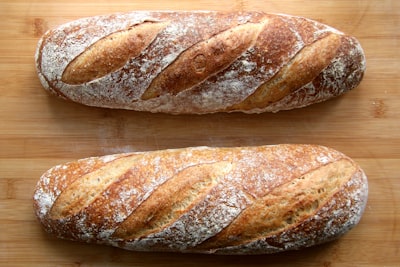
Durban has the largest Indian population outside of India - and it shows in the food. Bunny chow is the iconic dish: a hollowed-out loaf of bread filled with curry (mutton, chicken, or bean). Hollywood Bets Bunny Bar and House of Curries are legendary. The Victoria Street Market (Warwick Junction) is a sensory explosion - spices, fabrics, traditional medicine (muthi), and fresh produce. Try a Gatsby (a Cape Town invention - a footlong sub filled with chips and meat).
An upscale suburb 20 minutes north of Durban center. The lighthouse and whale-bone pier are the photo ops. The beach is beautiful and well-maintained. Gateway Theatre of Shopping is one of Africa's largest malls (if you need retail therapy). The Oyster Box Hotel is an iconic colonial-era property worth visiting for high tea even if you're not staying.
“Durban's Golden Mile at sunrise - surfers, joggers, and the warmest ocean in South Africa”
Bunny chow is the must-eat - period. House of Curries (Grey Street), Britannia Hotel (oldest bunny chow in Durban), and Hollywood Bets Bunny Bar are the holy trinity. Beyond curry: Café 1999 for fine dining, Unity Brasserie for modern SA cuisine, and Cargo Hold at uShaka for dining inside a ship with sharks swimming beneath glass floors. Durban's street food scene (especially around Warwick Junction) is the most vibrant in South Africa.
Get real-time safari lodge availability, whale season forecasts, Garden Route driving conditions, creator content at every stop, and one-tap navigation handoff for left-hand driving.
Plan in Tourific
Real costs for 14 days across South Africa. Extraordinary value with the rand exchange rate.
South Africa offers first-world infrastructure at developing-world prices. A bottle of award-winning Pinotage is $5. A full Big 5 safari day is $30 self-drive. A wine tasting with 6 pours is $3. The rand exchange rate makes this one of the best-value destinations for US, UK, and EU travelers. The Tourific app tracks real-time prices and availability.
Get exact estimate in appSouth Africa is an incredible destination. These tips ensure you travel smart and safe.
Don't walk alone at night in city centers - use Uber or Bolt (South Africa's equivalent). Cape Town's Long Street, Durban's beachfront, and Johannesburg in general require awareness after dark. Tourist areas are well-patrolled but petty crime (phone snatching, mugging) is real. Keep phones in pockets, don't wear flashy jewelry, and stay on well-lit main roads.
A rental car is ESSENTIAL for this trip - and South Africa drives on the LEFT. If you've never driven on the left, the first hour is nerve-wracking but you'll adapt quickly. Roundabouts go clockwise. The N2 highway along the Garden Route is well-maintained and scenic. Get a car with GPS or use Google Maps offline (download maps before rural stretches).
Don't stop at red lights at night in Johannesburg - it's legal to treat them as yield signs between 8pm and 5am for safety. This doesn't apply in Cape Town or other cities (where you should stop), but it's a good indicator of Jo'burg's unique security situation. If transiting through Jo'burg, don't linger in the CBD.
Book safari lodges and popular activities early - Addo's rest camp fills up months ahead in December-January (South African summer holidays). Same for Garden Route accommodation over Christmas and Easter. Private game lodges near Addo and in the Eastern Cape offer luxury safari without the malaria risk of Kruger.
Carry cash for township tours, roadside vendors, and smaller establishments. Credit cards are widely accepted at restaurants and shops in cities. Tip 10-15% at sit-down restaurants. Car guards (unofficial parking attendants, wearing reflective vests) get R5-10. Petrol station attendants (all stations are full-service) get R10-20.
Drive on the LEFT, overtake on the RIGHT
Roundabouts go clockwise (opposite to US/EU)
Automatic transmission recommended for first-timers
Keep headlights on at all times (law)
Speed limit: 60 km/h urban, 100 km/h rural, 120 km/h highway
Book through Europcar, Avis, or Hertz (major airports)
One-way rental (Cape Town to Durban) may have a drop-off fee
Get full insurance - the excess is typically R15,000-30,000 without
SUV recommended for Addo gravel roads (not required, but better clearance)
E-tolls on Gauteng highways: register online or pay at the airport
Scheduled power outages still affect South Africa
Most hotels and lodges have backup generators or solar
Download the EskomSePush app for outage schedules
Keep devices charged and carry a power bank
Plan this exact route with AI-powered cost estimates, safari lodge availability, whale season tracking, and one-tap navigation for left-hand driving.