Barcelona → Madrid → Toledo → Granada → Seville → San Sebastián. From Gaudí's Barcelona to Basque pintxos in San Sebastián, crossing through flamenco country, Moorish palaces, and the greatest tapas bars on earth. Twelve days of architecture, history, and eating your way across the Iberian Peninsula.
Spain is one of those rare countries where every region feels like a different country. Barcelona is Catalonia - Mediterranean, modernist, obsessively creative. Madrid is Castilian - proud, late-night, art-obsessed. Andalucía (Granada, Seville) is where Moorish palaces meet flamenco and free tapas. And the Basque Country (San Sebastián) is a culinary universe unto itself with its own language, culture, and the highest density of Michelin stars on the planet.
This route threads all of it together in 12 days. You'll stand inside Gaudí's kaleidoscopic Sagrada Familia, eat your way through Madrid's tapas bars until midnight, walk through the Alhambra's impossibly intricate Moorish chambers, feel the raw power of a Seville flamenco performance in a converted cave, and end in San Sebastián - where a casual pintxos crawl through the old town is somehow the best meal of your life.
What makes Spain exceptional is the value. A top-tier meal costs half what it would in Paris or London. A glass of wine is €2-3. The menú del día (daily lunch special) gets you a multi-course meal with wine for €12-18 at restaurants that would charge €60 at dinner. Spain rewards the traveler who eats like a local, stays out late, and embraces the rhythm of siestas and midnight dinners.
The train network makes it effortless. Spain's AVE high-speed rail connects Barcelona to Madrid in 2.5 hours at 310 km/h. You don't need a car for this route - trains and one short flight (Seville to San Sebastián) handle everything. Book Renfe tickets 60-90 days ahead and you'll pay a fraction of the walk-up price.
Spain's AVE high-speed network is one of Europe's best. Book on Renfe.com 60-90 days ahead for the cheapest fares. Turista Plus class is the sweet spot - wider seats, meal service, and worth the €10-20 upgrade. For the Seville to San Sebastián leg, a 1-hour flight is more practical than the 5.5-hour train.
12 days, 6 cities, from Gaudí's Barcelona to the pintxos bars of San Sebastián.
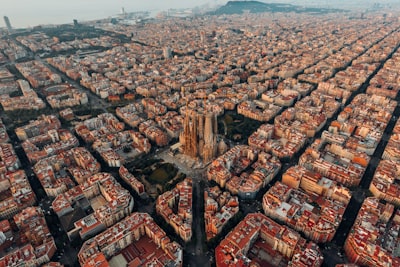
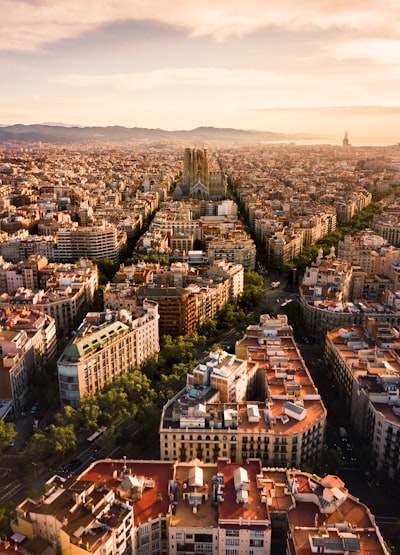
Gaudí's unfinished masterpiece, under construction since 1882. Book tickets online at least 2 weeks ahead - they sell out daily. Go in the afternoon when the western stained glass bathes the interior in warm golden light. The Nativity Facade tower has the best views.
Wander the medieval lanes between the Cathedral and Plaça Reial. No map needed - getting lost is the point. Find the hidden Roman temple columns behind the Centre Excursionista, the tiny Plaça de Sant Felip Neri with its Civil War bullet holes, and stop for vermut at any corner bar.
Barcelona's legendary market on Las Ramblas. Skip the tourist-trap smoothie stands at the entrance - walk deep inside for the real vendors. Try jamón ibérico sliced to order, fresh sea urchin, and the bar seats at El Quim de la Boqueria. Go before 11am on weekdays.
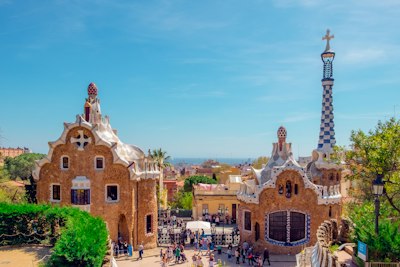
Gaudí's mosaic-covered park perched on a hill with panoramic city views. The Monumental Zone (the famous terrace and dragon fountain) requires timed tickets - book online. The free zone around it has great trails and views too. Morning light is best for photos.
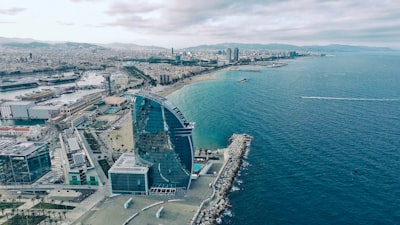
The city beach is lively, crowded, and perfect for a late afternoon swim followed by seafood paella at a chiringuito (beach bar). For better beaches, take the train 30 min south to Sitges. Watch your belongings - beach theft is common.
Gaudí's dragon-inspired house on Barcelona's most elegant boulevard. The rooftop is otherworldly. Walk the block to see Casa Amatller and Casa Lleó Morera too - the so-called 'Block of Discord' where rival architects competed for attention.
“Sagrada Familia at sunset - Gaudí's masterpiece still under construction after 140 years!”
“Lost in the Gothic Quarter's medieval alleys - every corner is a photo op”
“La Boqueria market is sensory overload - fresh juices, jamón, and the best fruit displays”
“Park Güell's mosaic terrace with panoramic views over all of Barcelona”
“Barceloneta beach at golden hour - the Mediterranean life hits different”
“Rooftop views of Casa Batlló - Gaudí turned a building into a dragon”
Barcelona eats late - lunch at 2pm, dinner at 9pm. For tapas, skip Las Ramblas and head to El Born or Gràcia. Try patatas bravas, pan con tomate, croquetas de jamón, and bombas. Cervecería Catalana is always packed for a reason. For a splurge, book Tickets by Albert Adrià.
Spain's AVE trains hit 310 km/h and are extremely comfortable. Book on Renfe.com 2-3 months ahead for the best fares (€25-60 vs €100+ last minute). Turista Plus class is worth the upgrade - wider seats, meal included, and quiet car. The route crosses the meseta plateau with dramatic landscape changes.
Madrid's main station has a remarkable tropical garden inside the old terminal building - giant palms, turtles in ponds, and the 11-M memorial. Worth arriving early to explore before heading to your hotel.
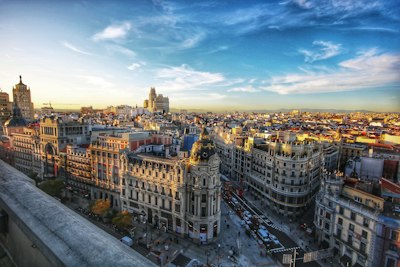
Drop your bags and walk the Puerta del Sol to Gran Vía stretch - Madrid's Times Square but with better architecture. The Metropolis Building and Schweppes sign are iconic at night. Stop at Chocolatería San Ginés (open since 1894) for churros con chocolate.
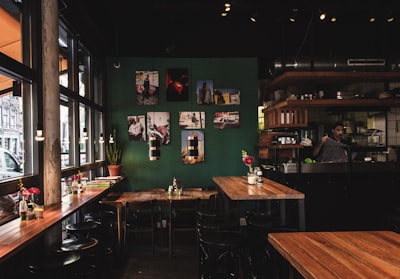
Welcome to tapas capital. Madrid gives you free tapas with every drink in many bars. Start with a caña (small beer) and see what arrives. Calle Cava Baja in La Latina is bar after bar of extraordinary small plates. Don't miss bocadillo de calamares - a fried squid sandwich that's Madrid's signature street food.
One of the world's greatest art museums. Velázquez's Las Meninas alone is worth the trip. Also Goya's Black Paintings, Bosch's Garden of Earthly Delights, and El Greco's religious works. Free entry 6-8pm Mon-Sat - arrive at 5:30pm to queue. Audio guide is essential.
Madrid's Central Park - 125 hectares of gardens, the Crystal Palace (free contemporary art exhibitions inside), the boating lake, and the Fallen Angel statue (reportedly the only public statue of the Devil). Rent a rowboat on the lake for the full experience. Perfect for a post-Prado walk.
Sunday's El Rastro flea market (9am-3pm) feeds directly into La Latina's tapas bars. Calle Cava Baja is the main artery - try Juana La Loca for their famous tortilla pintxo, Casa Lucas for creative small plates, and Txirimiri for Basque-style pintxos. Hop between 4-5 bars minimum.
A gorgeous iron-and-glass market hall filled with gourmet tapas stalls. More upscale and tourist-oriented than La Boqueria, but the quality is excellent. Try the oysters with cava, Manchego cheese plates, and olive oil tastings. Best visited as a late morning grazing session.
The largest royal palace in Western Europe by floor area. The interior is absurdly ornate - the Throne Room and the Royal Armory are standouts. The changing of the guard happens the first Wednesday of each month at noon (except summer). Cathedral is free.
“The Prado Museum - centuries of masterpieces from Velázquez to Goya in one building”
“Retiro Park's Crystal Palace reflecting in the lake - Madrid's green escape”
“Tapas crawl through La Latina - every bar has a specialty and they're all incredible”
“Mercado San Miguel - gourmet tapas under gorgeous iron-and-glass architecture”
Madrid eats late - dinner reservations at 9:30-10pm are normal. For a splurge, DiverXO (3 Michelin stars) is wild, theatrical dining. For value, order a menú del día at lunchtime - a multi-course meal with wine for €12-18 at most restaurants. Sobrino de Botín, the world's oldest restaurant (1725), does legendary roast suckling pig.
The entire old city is a UNESCO site - a medieval maze perched on a hill surrounded by the Tagus River gorge. Known as the 'City of Three Cultures' where Christians, Muslims, and Jews coexisted for centuries. The skyline from across the river (Mirador del Valle) is one of Spain's most famous views.
One of Spain's greatest Gothic cathedrals. The sacristy contains paintings by El Greco, Goya, and Caravaggio. The Transparente - an 18th-century baroque altarpiece with a hole cut in the ceiling to let light stream in - is jaw-dropping. Don't rush through.
El Greco lived and worked in Toledo for 37 years. The church of Santo Tomé houses his masterpiece, The Burial of the Count of Orgaz. The museum nearby recreates his workshop and living quarters. Toledo and El Greco are inseparable.
The Alcázar fortress houses Spain's Army Museum - excellent collection spanning centuries of military history. Toledo has been famous for sword-making since Roman times. You'll see shops selling hand-forged blades, armor, and damascene jewelry (gold inlaid in blackened steel).
Toledo's specialty is carcamusas - a pork and pea stew. Try it at any local bar. Also excellent: marzipan (Toledo has made it since the 12th century), roast lamb, and Manchego cheese. Restaurants in the main square are tourist traps - walk two streets away for better value and quality.
Book tickets 2-3 months ahead on the official website - this is not optional, they sell out completely. Your ticket includes a timed entry to the Nasrid Palaces (the crown jewel) - miss your slot and you're out. The Court of the Lions, the Hall of the Ambassadors, and the Generalife gardens are peak Moorish architecture. Go early morning for the best light and fewer crowds.
The old Moorish quarter across from the Alhambra - whitewashed houses, narrow winding streets, Arabic tea houses (teterías), and the Mirador de San Nicolás with the most photographed view in Spain: the Alhambra against the Sierra Nevada mountains. Best at sunset. Wear comfortable shoes - it's all steep cobblestone.
On clear days, you can see the snow-capped Sierra Nevada from Granada's streets - Europe's southernmost ski resort is just 30 minutes away. Sacromonte is the cave-dwelling neighborhood where Granada's Roma community created flamenco. Watch an authentic zambra performance in a cave - touristy but genuinely powerful.
Spain's first Renaissance cathedral, built on the site of the Great Mosque. The Royal Chapel next door houses the tombs of Ferdinand and Isabella - the monarchs who completed the Reconquista and funded Columbus. The crypt is more moving than you'd expect.
“The Alhambra at golden hour - book months ahead or you'll miss the most beautiful palace in Europe”
Granada is the tapas capital of Andalucía - every drink comes with a free tapa, and they're not small. Order a beer, get a plate of food. Move to the next bar, repeat. Calle Navas and Plaza Nueva are lined with excellent options. Try habas con jamón (broad beans with ham), tortilla sacromonte (with brain and offal - braver than it sounds), and tinto de verano (red wine with lemon soda - Spain's real summer drink).
A jaw-dropping semicircular plaza built for the 1929 Expo - decorated with painted tile alcoves representing every Spanish province. Row a boat on the canal, find your favorite province's bench, and take the most photogenic shots in all of Seville. Star Wars fans: this was Naboo's palace in Episode II. Free entry.
A working royal palace with 1,000+ years of layered architecture - Moorish, Gothic, Renaissance, all blending into one remarkable complex. The Patio de las Doncellas rivals anything in the Alhambra. Book timed tickets online. Game of Thrones used it as the Water Gardens of Dorne.
Seville is the birthplace of flamenco. Skip the tourist tablao shows near the Cathedral - cross the Puente de Triana to the Triana neighborhood for intimate, authentic performances. Casa de la Memoria is excellent and affordable. The intensity of a real flamenco performance - the raw emotion, the footwork, the cante (singing) - is genuinely startling.
The world's largest Gothic cathedral. Columbus's tomb is inside (maybe - there's a DNA dispute). Climb the Giralda bell tower - it's a ramp, not stairs, because the muezzin used to ride a horse to the top. The views from the top are the best in Seville.
The old Jewish quarter - a maze of narrow lanes, orange trees, hidden plazas, and wrought-iron balconies. Wander without a map. Eat tapas at any bar that's full of locals. The orange trees are bitter (don't eat them) - they're made into marmalade and sold to the UK.
Seville has its own tapas culture. Try espinacas con garbanzos (spinach and chickpeas - a Moorish legacy), pringá (slow-cooked pork spread), and salmorejo (thicker, richer cousin of gazpacho, topped with jamón and egg). Eat in the Triana market for lunch, and Alameda de Hércules neighborhood for dinner with the locals.
San Sebastián's old town has the highest concentration of quality food per square meter in the world. Pintxos (Basque tapas) are lined up on every bar counter - point at what looks good, order a txakoli (local sparkling white wine), eat, move to the next bar. Essential stops: La Cuchara de San Telmo (hot pintxos made to order), Gandarias (steak pintxos), Bar Nestor (famous tortilla - arrive at 1pm sharp or 8pm sharp, they make exactly two per day).
Consistently rated one of Europe's best urban beaches. A perfect crescent of sand with a Belle Époque promenade, calm turquoise water, and Santa Clara island in the middle of the bay. Walk the entire promenade from Ondarreta to Zurriola for the full effect. Surfers should head to Zurriola beach.
Monte Urgull (walk up from the old town) has a fortress, hidden paths, and the Christ statue overlooking the bay. Monte Igueldo (take the century-old funicular) has a kitschy amusement park at the top and the most famous view in the Basque Country - looking back over La Concha. Do both.
San Sebastián has more Michelin stars per capita than anywhere except Kyoto. For the full experience, book Arzak (3 stars, avant-garde Basque) or Mugaritz (2 stars, experimental). For incredible value, eat at Kokotxa or Bodegón Alejandro. The cider houses (sagardotegiak) outside the city serve steak, cod omelet, and unlimited cider poured from height - seasonal, usually February-May.
“Pintxos crawl in the Parte Vieja - the Basque Country has more Michelin stars per capita than anywhere”
Budget €30-50/day on food here and eat like royalty. The pintxos system means you graze all day - 2-3 pintxos per bar, 4-5 bars per crawl. Essential dishes: txuleta (massive dry-aged Basque steak for 2), bacalao al pil-pil (cod in garlic emulsion), cheesecake at La Viña (the original burnt Basque cheesecake - it's even better than the hype).
Get real-time Renfe train schedules, Alhambra ticket alerts, creator content at every stop, safety scores, weather forecasts, and one-tap navigation handoff to Google Maps or Apple Maps.
Plan in Tourific
Real costs for 12 days in Spain. Based on actual 2024-2025 prices across all six cities.
Spain remains one of the best-value destinations in Western Europe. A top-tier tapas dinner with wine costs €25-40 per person. The menú del día lunch special (€12-18 for 3 courses + wine) is one of travel's greatest bargains. The Tourific app tracks real-time prices across all cities on this route.
Get exact estimate in appSpain runs on its own clock. Understanding the rhythm of siesta, late dinners, and tapas culture is the difference between frustration and falling in love.
Siesta is real - most small shops and some restaurants close from 2-5pm. Don't fight it. Use that time to rest, visit museums (they stay open), or sit in a park. Spain comes alive again after 5pm and the best hours are 8pm-midnight.
Dinner starts at 9-10pm. If a restaurant is full at 7pm, it's all tourists. Locals eat at 10pm and it's normal to be finishing dinner at midnight. Lunch (2-3pm) is the main meal of the day and the best value - look for menú del día.
Watch for pickpockets on Las Ramblas in Barcelona, around the Prado in Madrid, and in any crowded tourist area. Use a front pocket or cross-body bag. Never leave your phone on a café table. Scooter thieves grab phones from hands - keep a firm grip.
Book Alhambra tickets 2-3 months ahead on the official site (alhambra-patronato.es). This is the single most important booking of the trip - no walk-ups, no exceptions. Your Nasrid Palace entry is timed to the minute.
Renfe (Spain's rail network) is excellent. The AVE high-speed trains connect Barcelona-Madrid in 2.5 hours. Book on Renfe.com 60-90 days ahead for fares as low as €25. The Renfe app works well for tickets and scheduling.
Barcelona → Madrid: 2.5 hr | from €25 advance
Madrid → Toledo: 30 min | from €13
Madrid → Granada: 3.5 hr | from €30
Book at Renfe.com 60-90 days ahead for best prices
Turista Plus class: wider seats, meal included, worth the upgrade
Fly Seville → San Sebastián (1 hr, Vueling/Iberia)
Or train via Madrid (5.5 hr total) - scenic but long
Budget airlines book cheapest 6-8 weeks ahead (€30-80)
San Sebastián airport (EAS) is 20 min from city center
Plan this exact route with AI-powered cost estimates, Alhambra ticket alerts, creator content at every stop, and one-tap navigation handoff.