Taipei - Jiufen - Taroko Gorge - Alishan - Kaohsiung - Kenting. From Taipei's night markets to marble canyons, misty mountain railways, and tropical southern beaches. Ten days through an island with more food per square kilometer than anywhere on Earth.
Taiwan punches absurdly above its weight for a country the size of Maryland. Within a 4-hour train ride, you go from a neon-lit capital with world-class street food to a marble canyon that rivals anything in the American Southwest, then up to misty mountain forests with 2,000-year-old cypress trees, and down to tropical beaches with year-round swimming.
The food alone justifies the trip. Night markets are not tourist attractions - they are where locals eat dinner. A complete meal at a night market costs $3-5. Michelin-starred soup dumplings cost $8. The density of quality food per block in Taipei rivals Tokyo and Bangkok, and the prices are lower than both.
Taiwan's transit system makes the trip easy. The High Speed Rail (HSR) connects Taipei to Kaohsiung in 90 minutes. Local trains reach the east coast. Buses climb every mountain. You do not need a car for most of this trip, though renting one for the east coast and Kenting adds flexibility.
The people are the other constant. Taiwanese hospitality is casual but genuine. Ask for directions and someone will walk you there. Drop your wallet and it will be turned in. It is one of the few places where "friendly locals" is not a guidebook cliche - it is just how things work.
The west coast is covered by HSR (high-speed rail). The east coast uses the slower but scenic Taiwan Railways (TRA). An EasyCard works on all trains, buses, and metro systems. For the east coast and Kenting, renting a car or scooter gives you the most freedom.
10 days from north to south through an island that fits an entire continent's worth of experiences.
Take the elevator to the 89th floor observation deck for a full city panorama. The enormous tuned mass damper (a 730-ton golden orb) is visible between floors 88-92. The surrounding Xinyi district has malls, restaurants, and the best people-watching in Taiwan.
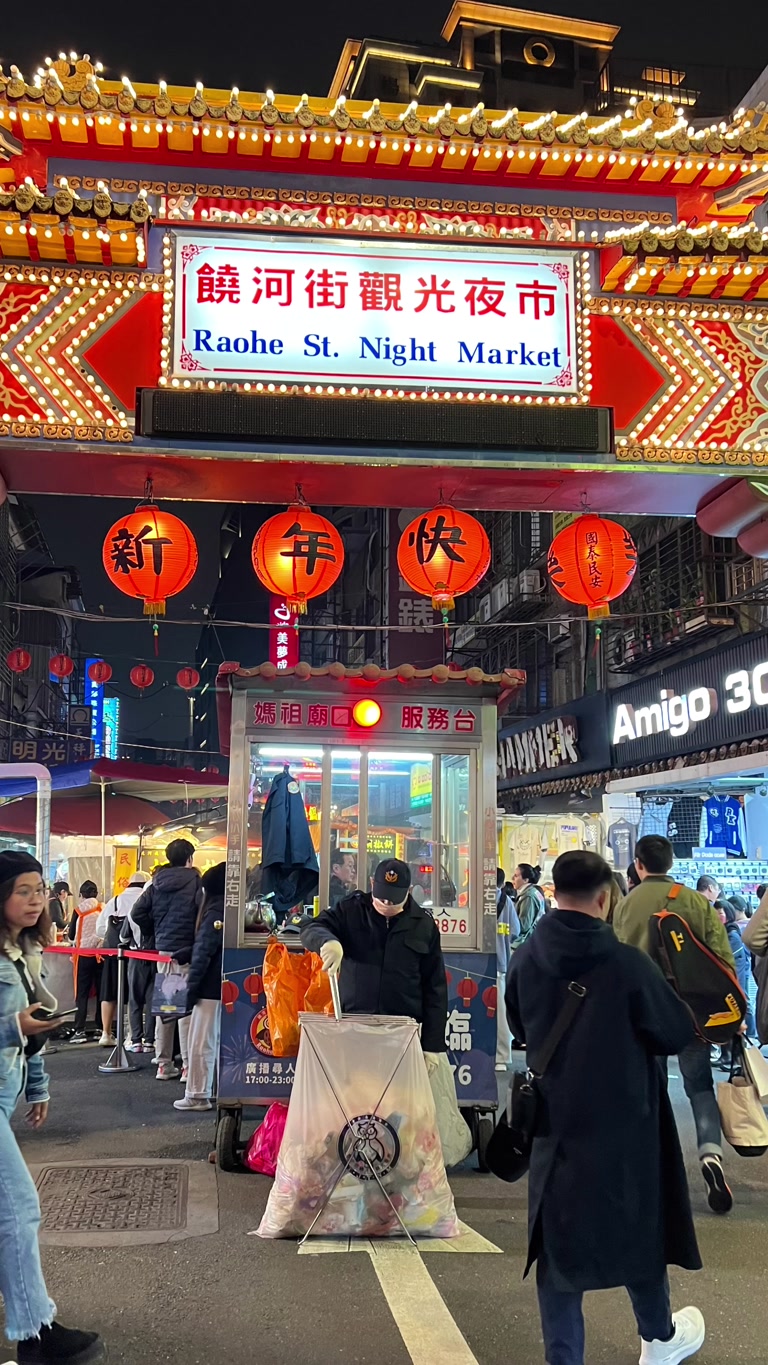
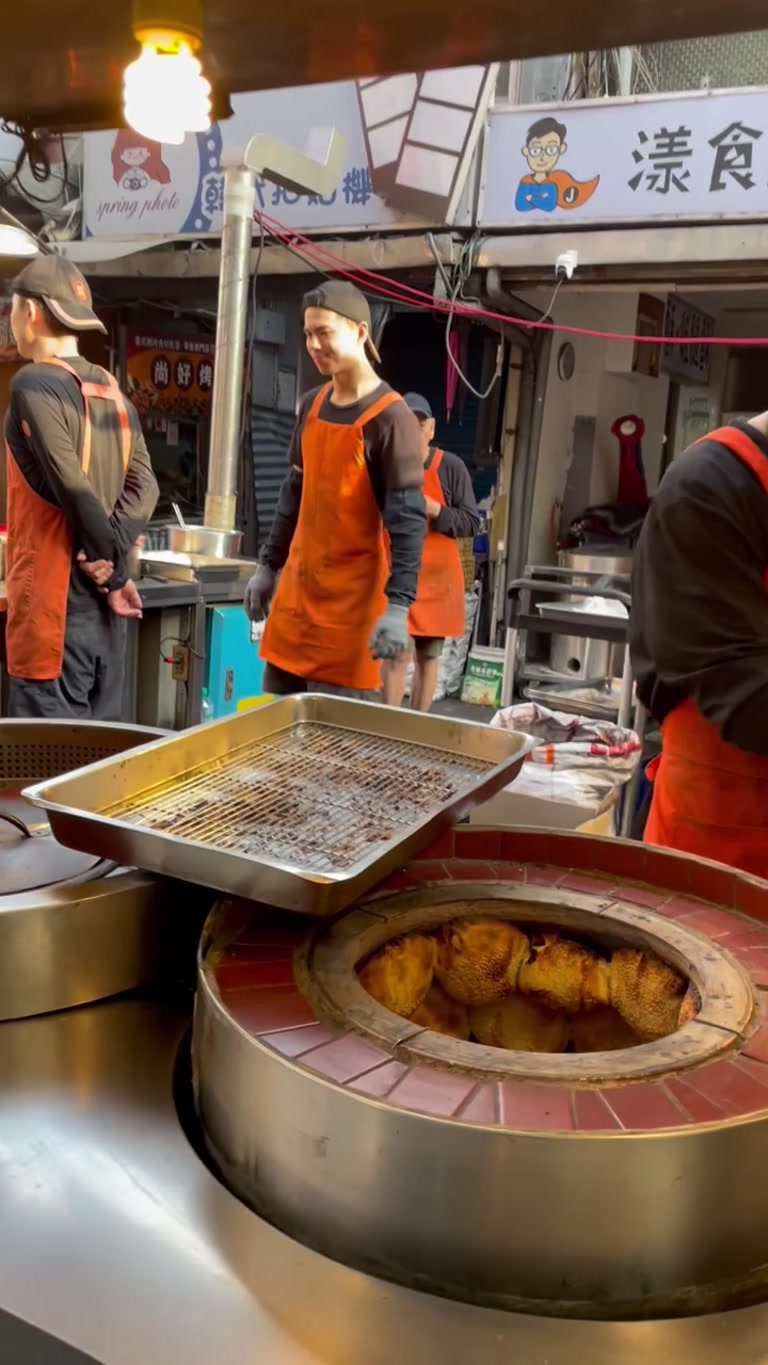
Taipei's best single-street night market. Start with a pepper bun from the famous stall at the entrance (always a line - worth it). Work your way through stinky tofu, grilled squid, and mochi. Arrive around 6pm for the full experience.
One of the oldest temples in Taipei, packed with incense smoke and worshippers. The carvings on the roof and columns are incredibly detailed. Mornings are more atmospheric. Respectful visitors are welcome - cover shoulders.
Take the MRT to Beitou for free public hot spring foot baths, or pay $2 for the outdoor Millennium Hot Spring. The Beitou Hot Spring Museum (a former Japanese bathhouse) is free and worth 30 minutes. Bring a swimsuit and towel.
A 20-minute climb to the best free viewpoint of Taipei 101. Go at sunset - the city lights turning on behind the tower is the shot everyone comes for. The trailhead is right next to the MRT station.
“Street food adventures at Raohe Night Market in Taipei!”
“Freshly baked pepper buns at Fengjia Night Market!”
“Steaming street food in Beitou, Taiwan's vibrant food scene.”
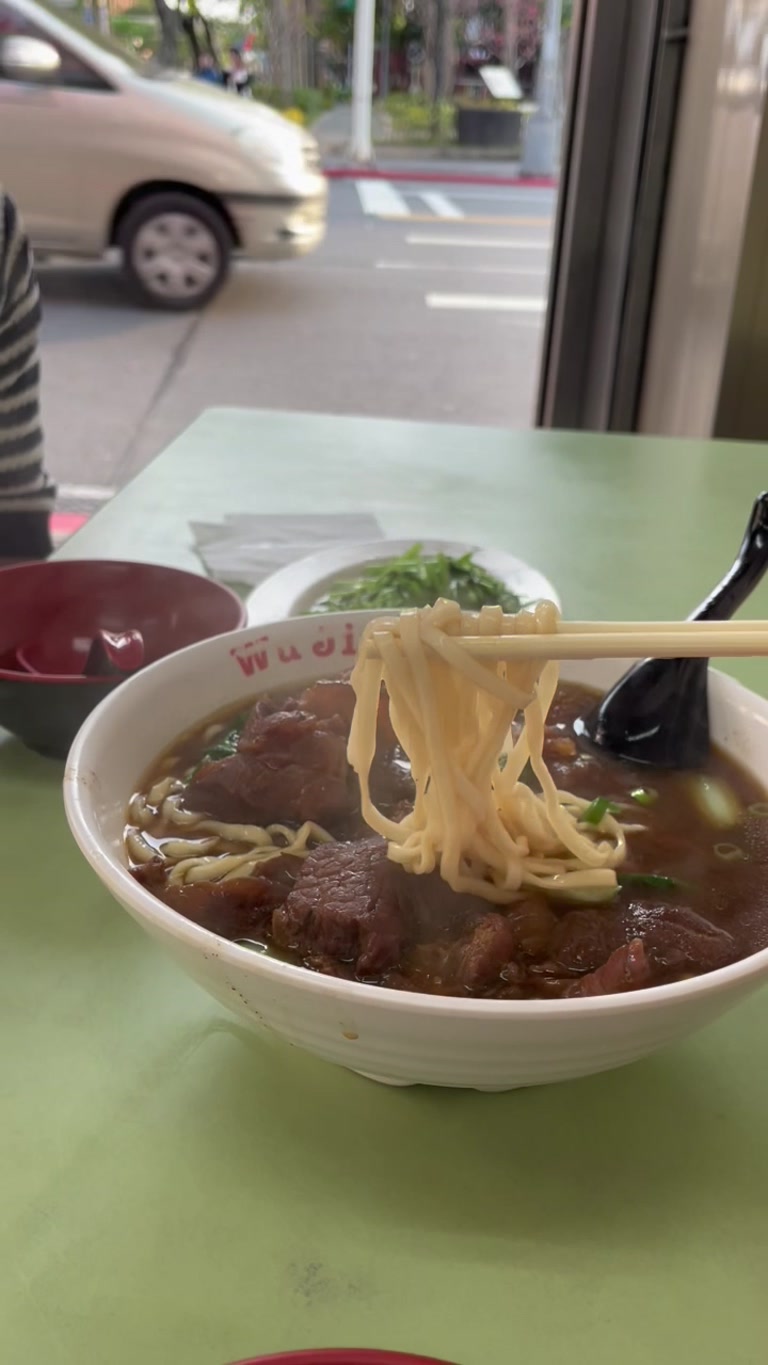
Eat at night markets for dinner - budget NT$200-400 ($6-12) for a full meal across multiple stalls. Din Tai Fung (original Xinyi branch) for soup dumplings is a must but expect a 30-minute wait. Yongkang Street has beef noodle soup shops, mango shaved ice, and scallion pancake vendors.
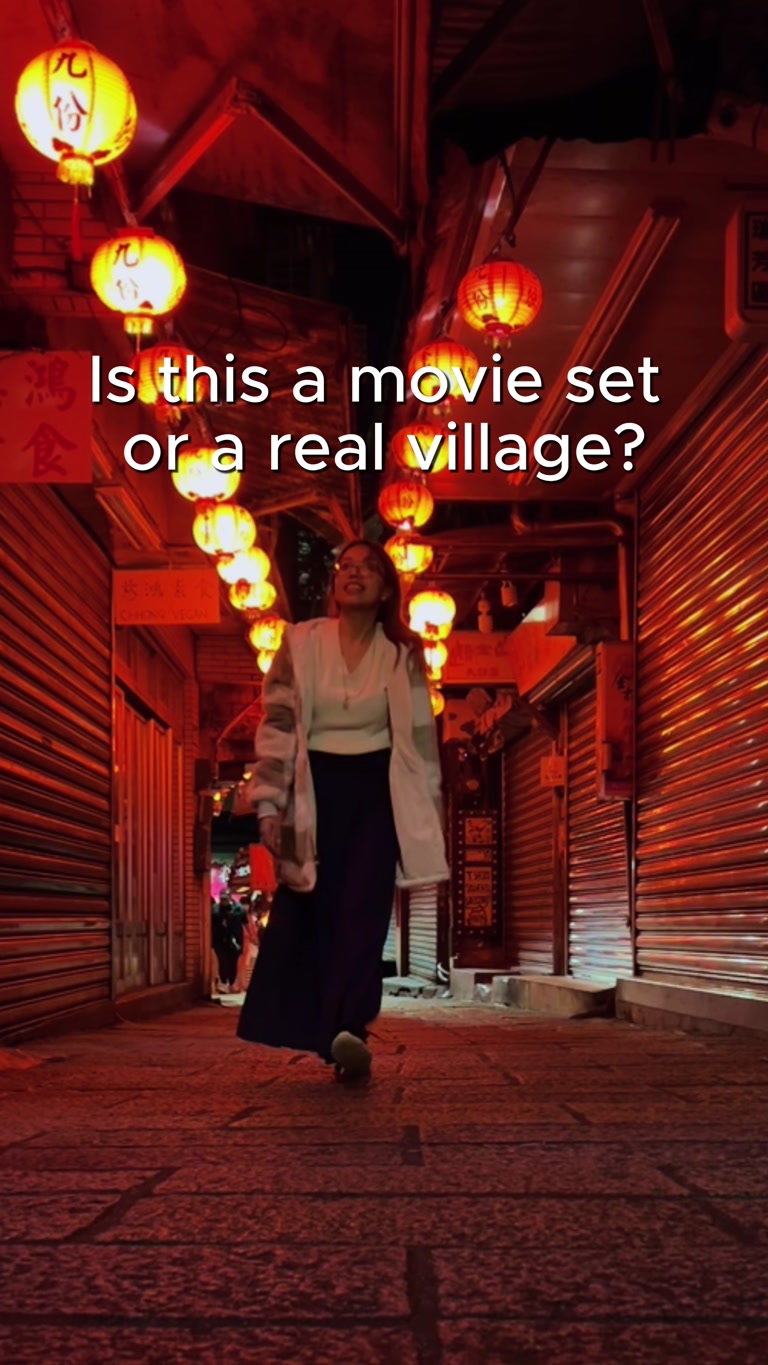
The hillside town that inspired the Spirited Away aesthetic (though Miyazaki denies it). Red lanterns line narrow alleys filled with tea houses and food stalls. Visit in late afternoon - the lanterns glow at dusk and the crowds thin after tour buses leave. Try taro balls and grass jelly.
The most photographed building in Jiufen, perched on the hillside with ocean views. Order a traditional tea set and sit on the terrace. The building is the one most associated with Spirited Away. Best photos from the stairway below it after dark.
Write wishes on a paper lantern and release it into the sky. The Pingxi Old Street area has vendors selling lanterns for NT$150-200 ($5-6). Weekdays are calmer. The annual Lantern Festival (February) is one of Taiwan's biggest events.
A former gold mine turned museum complex in nearby Jinguashi. Touch the world's largest gold bar (220 kg). The Crown Prince Chalet nearby is a beautiful Japanese colonial building with mountain views. Underrated and usually uncrowded.
“Magical lantern-lit night stroll in Jiufen Old Street.”
“Releasing a sky lantern in Pingxi, Taiwan.”
Jiufen's food stalls are the main draw. Fish ball soup, braised pork rice, and peanut ice cream wraps are local specialties. A-Mei Tea House serves tea with small traditional snacks. For a full meal, head to a seafood restaurant along the coast road in nearby Keelung.
A riverside trail carved into the marble canyon walls. The turquoise water below is impossibly clear. The trail is mostly flat and paved for the first 2 km. Start early - the trailhead is right past the entrance bridge.
A narrow walkway carved into sheer marble cliffs above the Liwu River. Helmets are provided (wear them - rockfall happens). The gorge walls tower hundreds of meters on both sides. Often closed after heavy rain.
A traditional shrine built into a cliff face with a waterfall flowing beside it. It commemorates workers who died building the Cross-Island Highway. The setting is one of the most dramatic temple locations anywhere.
Walk through hand-carved tunnels and across suspension bridges to reach a cave where water streams through cracks in the ceiling - you walk through a waterfall curtain inside a mountain. Bring a flashlight and rain jacket. The trail sometimes closes for maintenance.
Hualien is known for its dumplings, especially at Gongzheng Baozi. The Dongdamen Night Market is large and local - look for Aboriginal-influenced dishes like wild boar sausage and bamboo rice. Fresh seafood restaurants along the harbor serve the day's catch.
Take the predawn forest railway to Zhushan viewing platform. The sunrise over a sea of clouds is Alishan's signature experience. Arrive 30 minutes early for a good spot. Dress warm - it is cold at 2,500 meters even in summer. Check if the sunrise train is running (weather dependent).
One of the world's few remaining narrow-gauge mountain railways, built during Japanese colonial rule to transport cypress logs. The Sacred Tree Line and Zhushan Line are the two tourist routes. The train climbs through bamboo forests, cedar groves, and cloud banks.
A loop trail through ancient red cypress trees, some over 2,000 years old. The forest floor is blanketed in moss. Quiet, cool, and often misty. The 'tree spirit' shrine marks a 3,000-year-old trunk.
Break the journey at Taiwan's largest lake. Rent a bike and ride the lakeside path (one of Asia's best cycling routes). Take the cable car for aerial views, then visit Wenwu Temple overlooking the water. The Thao aboriginal village on the shore has traditional craft shops.
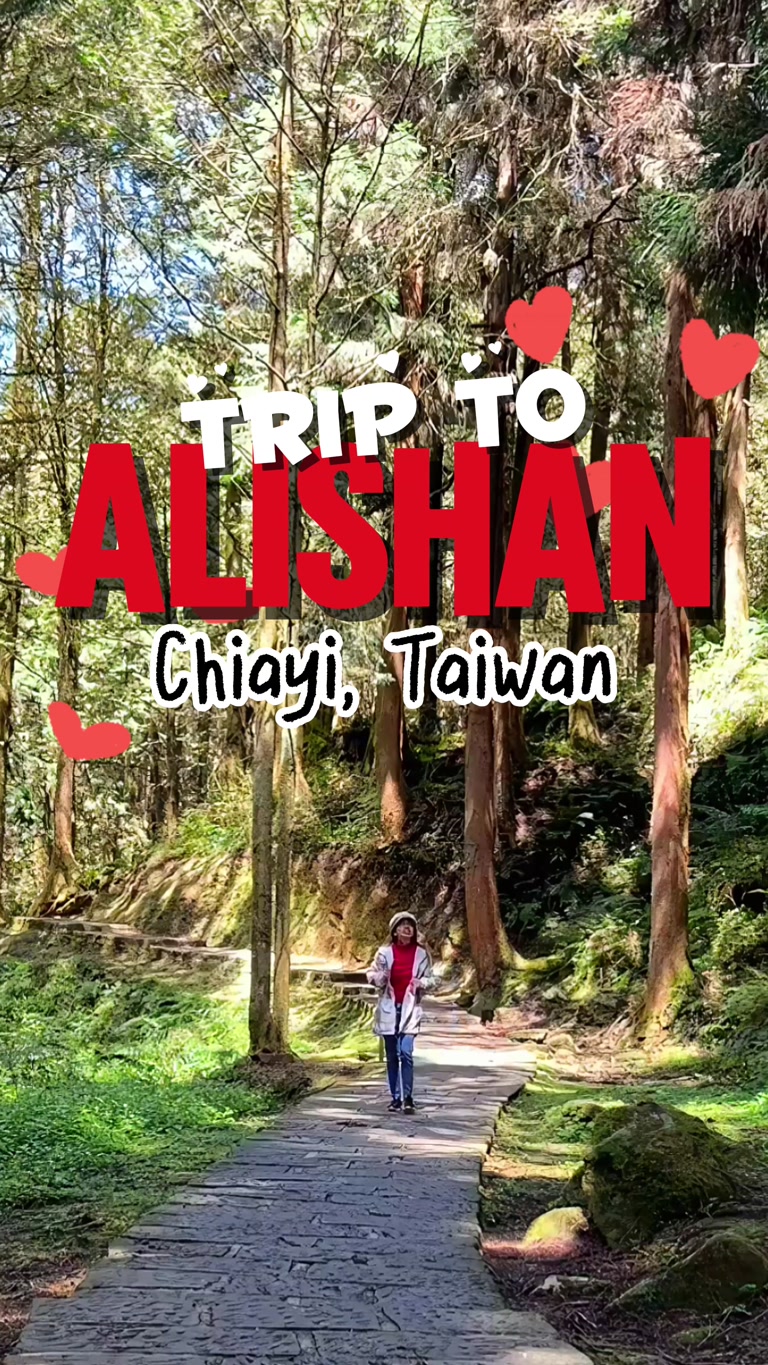
“Springtime cherry blossoms and forest walks in Alishan.”
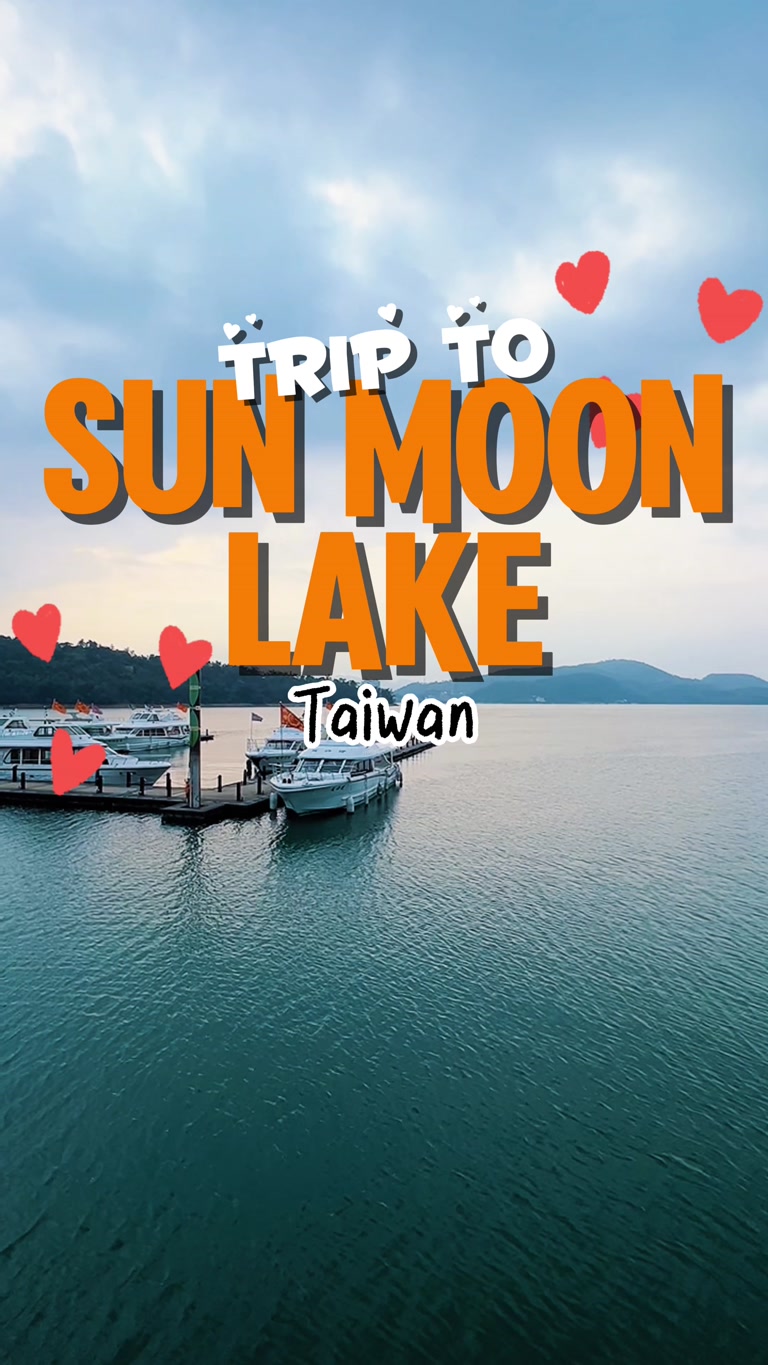
“Exploring the scenic beauty of Sun Moon Lake by bike and cable car!”
Mountain food in Alishan means wild boar, bamboo shoots, wasabi, and high-mountain tea. The village restaurants all serve similar menus - pick one with a fire going. Alishan high-mountain oolong tea is among the best in the world - buy some directly from farmers along the road.
Two colorful pagodas on Lotus Pond - enter through the dragon's mouth and exit through the tiger's mouth (tradition says this brings good luck). Free entry. Best photographed at dusk when the lights reflect off the pond. Walk the full Lotus Pond path for several more temples.
Take the 5-minute ferry (NT$40) from the harbor. Seafood restaurants line the waterfront - grilled squid and fried fish are the local picks. Climb to the Cihou Lighthouse for harbor views. The Cihou Fort is a small but well-preserved Qing-era fortification.
Taiwan's southern tip. Baisha Beach has white sand and swimmable water. Eluanbi Lighthouse marks the island's southernmost point. Kenting Night Market runs every evening along the main strip - more touristy than Taipei's markets but still fun for grilled seafood and tropical smoothies.
One of the largest Buddhist monasteries in the world, 20 minutes north of Kaohsiung. The main hall houses a tooth relic of the Buddha. The grounds are enormous - the main boulevard alone is 500 meters. Free entry. Free vegetarian lunch is offered to all visitors.
Kaohsiung's most famous night market. Smaller and more walkable than Taipei's big markets. Seafood dominates - salt-baked shrimp, grilled fish, and papaya milk are the must-tries. Open every night.
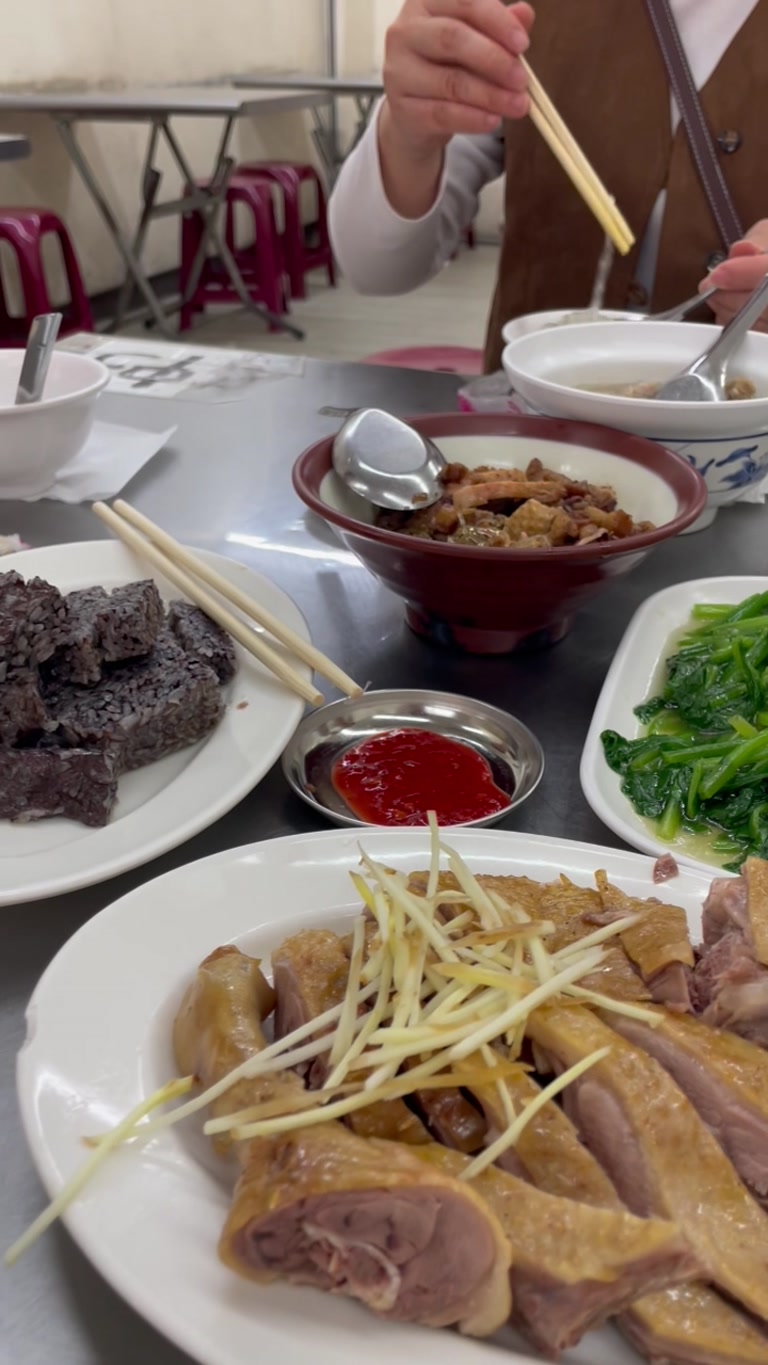
“Savoring authentic Taiwanese duck at a busy local eatery.”
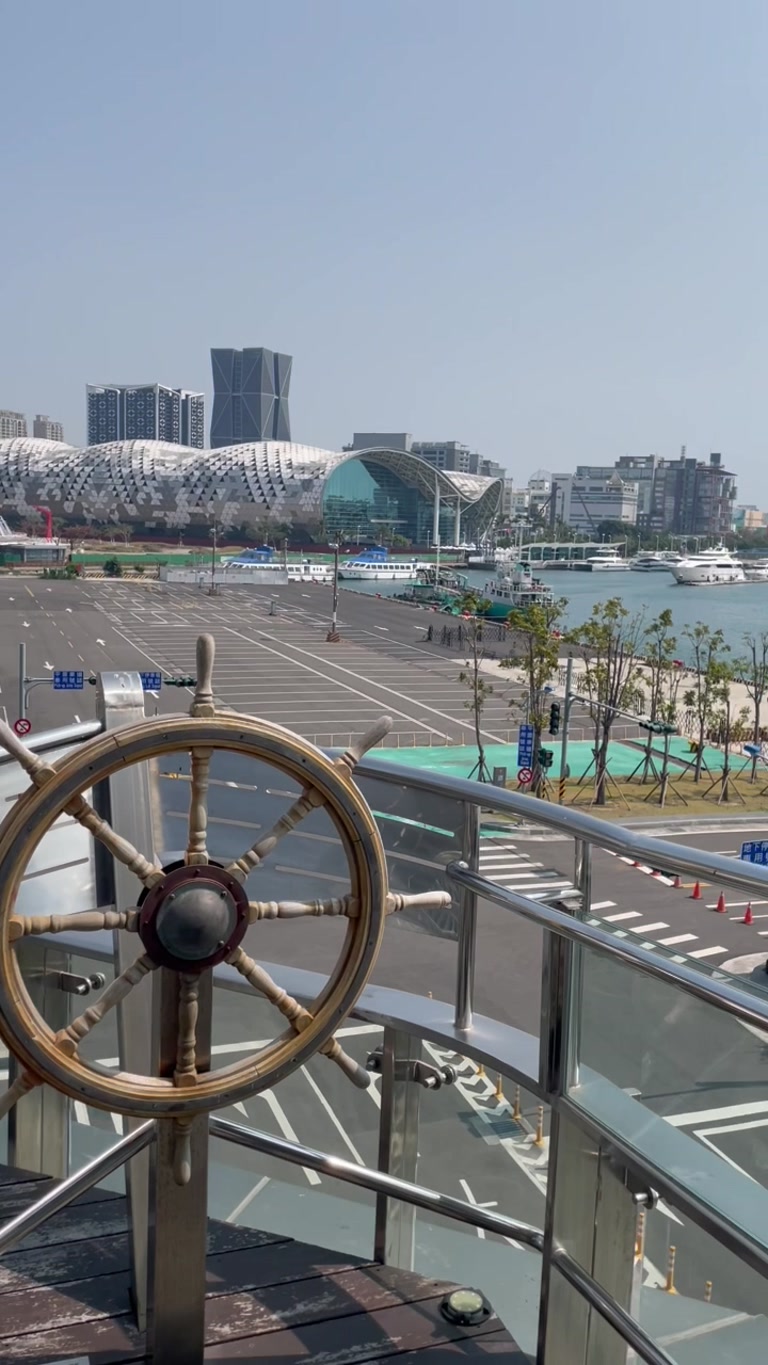
“Modern architecture and waterfront views at Zhuhai Grand Theatre.”
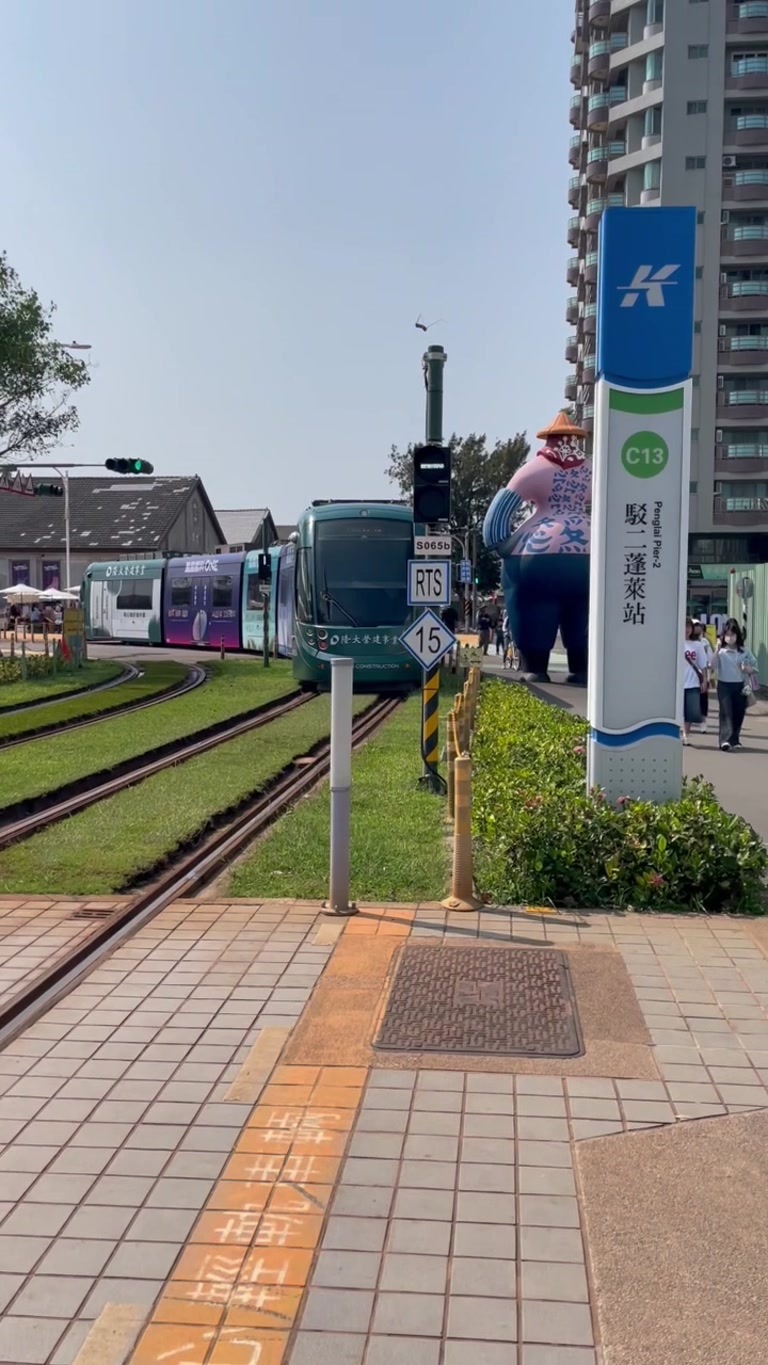
“Riding a modern transit system with platform safety features.”
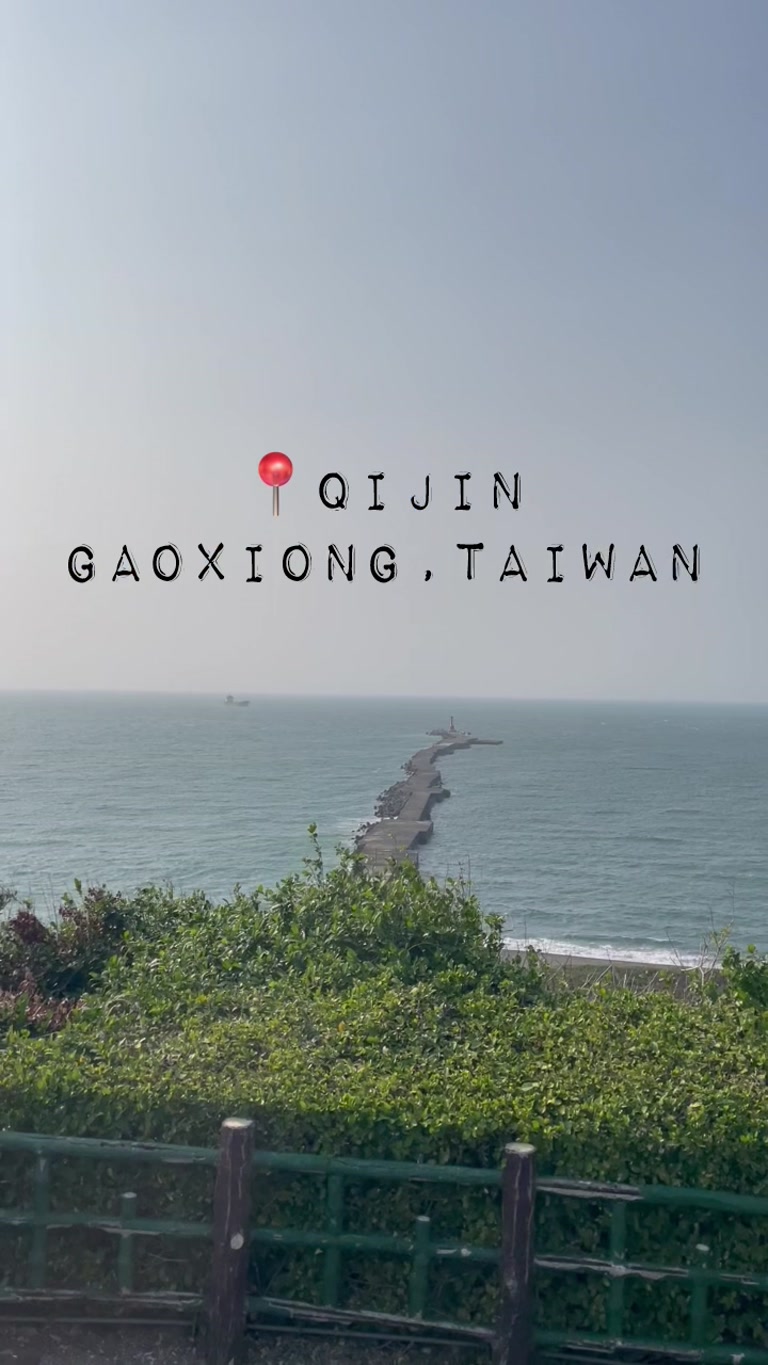
“Exploring the historic Eluanbi Lighthouse under clear blue skies.”
Kaohsiung food is seafood-forward and slightly sweeter than northern Taiwanese cooking. Try a seafood hot pot at Liuhe Night Market. Kenting has beachside restaurants with fresh grilled fish and tropical fruit shakes. The Tainan-style milkfish congee at small breakfast shops is a local morning ritual.
Get HSR schedules, night market maps, creator content at every stop, real-time weather for mountain areas, and one-tap handoff to Google Maps or Apple Maps for navigation.
Plan in Tourific
Real costs for 10 days in Taiwan. One of the best value destinations in Asia - incredible quality at every price point.
Taiwan is one of the best value destinations in Asia. Night market meals cost $3-5, MRT rides $0.50-1.50, and even mid-range hotels rarely exceed $120/night. The Tourific app tracks real-time prices and helps you budget for each leg of the trip.
Get exact estimate in appTaiwan is easy to travel, safe, and welcoming. These tips will save you time, money, and confusion.
Taiwan is extremely safe for travelers. Violent crime is rare, public transport runs on time, and locals are genuinely helpful. Taipei ranks among the safest cities in Asia consistently.
Typhoon season runs June through October. Check the Central Weather Bureau (cwa.gov.tw) before booking. Flights cancel, mountain roads close, and Taroko Gorge shuts down during typhoon warnings. Travel insurance is strongly recommended.
Get an EasyCard (like a Suica) at any MRT station or convenience store. It works on all public transit and at 7-Eleven, FamilyMart, and many restaurants. Tap to pay everywhere.
Taiwan uses 110V (same plug as the US). European and UK travelers need an adapter. Most hotels have USB charging ports built in.
Scooter traffic is heavy in cities. Cross streets at marked crosswalks and watch for right-turning scooters even when you have a green light. Pedestrians do not have the same automatic right-of-way as in some countries.
Buy at any MRT station or convenience store for NT$100 ($3)
Works on MRT, buses, trains, ferries, and convenience stores
20% discount on MRT rides, transfer discounts on buses
Reload at any station machine, 7-Eleven, or FamilyMart
Taipei to Kaohsiung in 90 minutes (300 km/h)
Foreign tourist pass: 3-day unlimited for ~$65
Book online for early bird discounts (up to 35% off)
Runs every 15-30 minutes on the west coast corridor
Plan this exact route with AI-powered cost estimates, creator content at every stop, HSR schedules, and one-tap navigation handoff.