Bangkok to Phi Phi Islands. 10 days through ancient temples, misty mountains, top-tier street food, and some of the most beautiful islands on Earth. From the chaos of Bangkok to the crystal waters of Phi Phi.
Thailand is not a country you simply visit - it is a country that rewrites your understanding of what travel can be. In 10 days, this route takes you from the sensory overload of Bangkok's street markets through the spiritual weight of 600-year-old Ayutthaya ruins, into the misty mountain temples of Chiang Mai, past the surreal art installations of Chiang Rai, and finally down to the impossibly turquoise waters of Phuket and Phi Phi Islands.
What makes Thailand unique among Southeast Asian destinations is the contrast density. In a single day, you can meditate with monks at sunrise, ride an elephant (ethically) by noon, eat the best meal of your life from a street cart for $2 at sunset, and stargaze from a mountain temple at night. The infrastructure for travelers is excellent, the people are genuinely warm, and the cost of living means your money stretches further than almost anywhere else on Earth.
This is not a rushed itinerary that hits checkboxes. Each stop has enough time to breathe, to get lost, to follow a local's recommendation into a side street that turns out to be the highlight of your trip. The route is designed around the real rhythm of traveling Thailand - early mornings at temples, lazy afternoons avoiding the heat, and evenings that come alive with night markets and street food.
10 days, 6 destinations, and enough experiences to redefine how you think about travel.
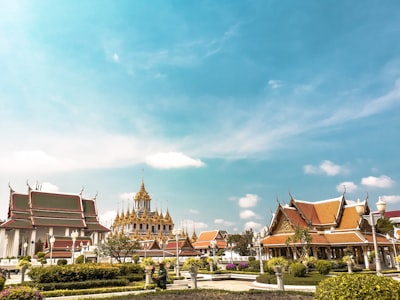
Arrive right at 8:30 AM when the gates open to beat the tour bus crowds. Cover your shoulders and knees or you will be turned away - they sell wraps at the entrance but bring your own to save time. The Emerald Buddha inside is smaller than you expect, but the murals surrounding the cloister are what make this place extraordinary.
“Gentle Monster Bangkok is a surreal eyewear shopping experience!”
Walk here from the Grand Palace - it is a 10-minute stroll. The 46-meter reclining Buddha covered in gold leaf is genuinely spectacular. The traditional Thai massage school inside the complex offers excellent massages for around 300 baht. Go after the temples close for the best availability.
Come hungry at sunset when the street food stalls fire up along Yaowarat Road. Must-try dishes: roasted duck over rice at Prachak Pet Yang, oyster omelette from the corner vendors, mango sticky rice from any stall with a queue. Vendors are cash only - bring small bills.
Street food is king in Bangkok. Yaowarat (Chinatown) at night is the best food experience in the city. Budget $5-15 for an memorable dinner. Jay Fai for Michelin-starred street food if you can get a table.
Over 15,000 stalls spread across 35 acres. Go early (9 AM) before it gets unbearably hot. Sections 2-4 have the best vintage clothing. Section 26 has incredible coconut ice cream. Bring cash and a bag you do not mind getting stuffed. Bargain firmly but politely - start at 60% of the asking price.
Take the cross-river ferry from Saphan Taksin BTS (8 baht). The temple is remarkable at any time, but golden hour makes the porcelain mosaics glow. Climb the steep central prang for panoramic views over the Chao Phraya River. Wear shoes you can easily remove.
Love it or hate it, Khao San Road is a rite of passage. The pad thai carts on the north end are surprisingly good. Skip the scorpion-on-a-stick tourist traps. If the chaos is too much, duck into Soi Rambuttri one block north for a more laid-back vibe with the same energy.
Try Or Tor Kor Market near Chatuchak for the cleanest, highest-quality Thai food market in the city. Pad kra pao (basil stir-fry) with a crispy fried egg on top is the national comfort food - order it anywhere.
Home to the famous Buddha head entwined in tree roots - the most photographed spot in Ayutthaya. Get here first thing in the morning for photos without crowds. You must crouch below the head for photos as a sign of respect. The rest of the ruins are hauntingly beautiful at sunrise.
The three iconic chedis (stupas) here were the model for Wat Phra Kaew in Bangkok. This was the holiest temple in the old capital. Walking through the grounds at midday with no one around is an eerie, powerful experience. Rent a bicycle and ride between the ruins - it is the best way to cover the historical park.
Ayutthaya Floating Market is more tourist-oriented than authentic, but the boat noodles (kuay teow reua) nearby are legendary. These tiny bowls of intense pork or beef broth noodle soup cost 15 baht each. Locals eat 5-10 bowls in a sitting. Stack your empties to keep count.
Boat noodles near the ruins are a must. Roti Sai Mai (cotton candy wrapped in thin crepes) is the Ayutthaya specialty - sold by street vendors along the main road. Stock up on them for the journey back.
The 306-step naga staircase is worth climbing over taking the tram. At the top, the golden chedi and panoramic city views are spectacular. Go early morning when monks are chanting - you can sit and listen. The temple sits at 1,000 meters elevation so it is noticeably cooler than the city.
“Unforgettable moments with elephants in Chiang Mai”
Chiang Mai's old city inside the moat has over 30 temples within walking distance. Hit Wat Chedi Luang (partially ruined 14th-century chedi), Wat Phra Singh (classic Lanna architecture), and Wat Chiang Man (oldest temple in the city). The monk chat at Wat Chedi Luang is a genuine highlight - monks practice English and share Buddhist philosophy.
The Chiang Mai Night Bazaar along Chang Klan Road runs every night. Quality varies wildly - look for handmade hill tribe crafts and local art, skip the mass-produced souvenirs. The food court behind the main building has authentic northern Thai dishes at local prices.
Khao soi (coconut curry noodle soup) is the must-eat dish in Chiang Mai. Khao Soi Khun Yai on Charoen Rat Road is consistently ranked the best in the city. Sai ua (northern Thai sausage) from Warorot Market is another essential.
This is the ethical choice for elephant experiences in Thailand. No riding, no chains, no tricks. You feed, bathe, and walk alongside rescued elephants in a natural setting. Book weeks in advance - it sells out. The full-day visit costs around 2,500 baht and includes lunch and hotel pickup. You will leave understanding why riding elephants is harmful.
“Unforgettable moments with elephants in Chiang Mai”
Limestone deposits make the surface of this waterfall grippy rather than slippery - you can literally walk up the cascading water barefoot. Located 60 km north of Chiang Mai. Free entry. Almost no tourists compared to the elephant parks. Combine with a visit to a local hot spring on the way back.
If your timing works, the Sunday Walking Street along Ratchadamnoen Road is the best market in all of Thailand. Local artisans, incredible northern Thai food stalls, live music, and temple courtyards turned into pop-up restaurants. Starts at 4 PM, peaks around 7 PM. Budget 2-3 hours minimum.
Try the northern Thai set dinner (khan tok) at Huen Phen - lunch is cheap street-style food, dinner is the full traditional experience with a dozen small dishes. Mango sticky rice from any Tha Phae Gate vendor is the perfect dessert.
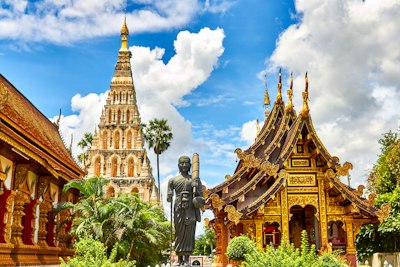
This is not a traditional temple - it is a contemporary art installation by Chalermchai Kositpipat that happens to be in temple form. The bridge over the sea of reaching hands, the mirrored exterior, and the bizarre pop-culture murals inside make it unlike anything else in Thailand. Arrive at opening (8 AM) for photos without hundreds of tour groups.
“Exploring the dazzling White Temple in Chiang Rai!”
The Blue Temple is the White Temple's less-famous counterpart, but many visitors prefer it. Electric blue interiors with a massive white Buddha. Far fewer crowds. No entry fee. It is 15 minutes from the White Temple by car. The stained glass and painted ceilings inside are mesmerizing.
The late Thawan Duchanee's collection of dark, provocative art housed in 40 black buildings. Animal skins, bones, carved wood. It is the philosophical counterpoint to the White Temple. Genuinely unsettling and fascinating. The crocodile skin chairs and snake-bone curtains are not for the faint-hearted.
Chiang Rai night market (near the clock tower) has the best pad thai in northern Thailand - watch it made on massive woks. Try sai krok Isan (fermented sausage) from the grill stalls. The golden clock tower light show at 7, 8, and 9 PM is worth timing dinner around.
The 45-meter marble Buddha sitting atop Nakkerd Hill is visible from almost everywhere in southern Phuket. The drive up is steep and winding. At the top, 360-degree views stretch across Chalong Bay to Kata Beach. Go at sunset - the white marble turns gold and the crowds thin out. Free entry, but donations appreciated.
“Jet skiing in the crystal-clear waters of Phuket!”
Skip the beaches for an afternoon and explore the Sino-Portuguese shophouses on Thalang and Soi Romanee. Pastel-colored buildings, independent cafes, and street art murals. Sunday afternoon walking street market (4-9 PM) is excellent. The architecture tells the story of Phuket's tin-mining era and Chinese immigrant heritage.
Patong Beach's main strip. Loud, chaotic, and absolutely not for everyone. If you go, go with awareness - drink prices are inflated, street touts are persistent, and the side soi bars can be dodgy. For a more chill evening, head to Kata or Karon Beach bars instead.
Phuket has its own cuisine distinct from the rest of Thailand. Try mee hokkien (thick yellow noodles in rich broth) at Mee Ton Poe, and oh taw (oyster pancake) from the night markets. Baan Rim Pa for upscale Thai with cliffside ocean views.
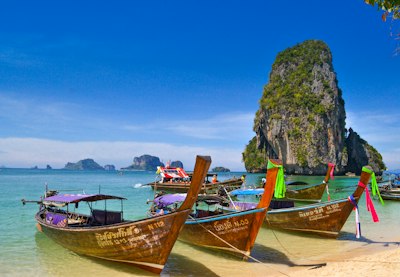
James Bond Island gets the fame, but the real star is the bay itself - hundreds of limestone karsts rising from emerald water. Book a longtail boat or kayak tour through the sea caves and mangroves. The John Gray Sea Canoe tour is the gold standard. Avoid the big tour boats and opt for small-group trips that visit the caves at the right tide.
Kata is the sweet spot between Patong's chaos and the remote northern beaches. Good surf from May to October, calm swimming water November to April. The southern end near Kata Noi is quieter and has better snorkeling. Rent a longboard for 200 baht/hour. Sunset cocktails at After Beach Bar on the rocks between Kata and Kata Noi.
The southernmost point of Phuket and widely considered the best sunset viewpoint on the island. Arrive 45 minutes before sunset to stake out a spot on the rocks. The lighthouse at the top has a small museum. On clear days you can see all the way to Phi Phi Islands on the horizon.
Fresh seafood at Rawai Fish Market - choose your fish from the vendors, then have the restaurants behind cook it for 100-200 baht per dish. Lobster, prawns, and whole fish for a fraction of restaurant prices.
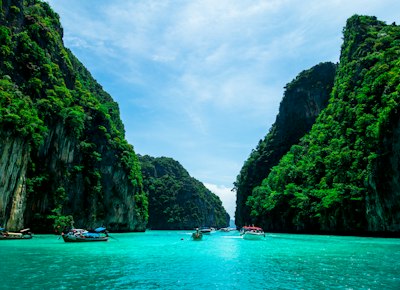
The beach from The Beach (2000 film). After years of closure for ecosystem recovery, it reopened with strict visitor limits - 300 people per hour, no swimming in the bay. Book early-morning speedboat trips to arrive before the tour boats. The bay is genuinely as beautiful as the photos suggest - the limestone walls create a natural amphitheater around turquoise water.
“Crystal clear waters and dramatic cliffs at Maya Bay, Phi Phi Islands.”
This enclosed turquoise lagoon on Phi Phi Leh is more remarkable than Maya Bay in many travelers' opinions. You can swim in the impossibly clear water surrounded by sheer cliff walls. The best time is mid-morning when sunlight hits the water and turns it electric green. Bring an underwater camera - the visibility is 20+ meters.
Blacktip reef sharks patrol the shallow waters here and are completely harmless to humans. Seeing a shark in the wild for the first time is an adrenaline rush. The coral has recovered significantly since the island closures. Bring your own mask and snorkel for better fit than rentals. Sea turtles are common in the morning hours.
Phi Phi is not a food destination - it is an island party town. That said, Papaya Restaurant has the best Thai food on the island, and the beachfront barbecue stalls at Loh Dalum Bay do solid grilled seafood at sunset. Avoid the overpriced tourist restaurants on the main strip.
The 20-minute climb to Viewpoint 2 rewards you with the iconic double-bay panorama of Phi Phi Don - Tonsai Bay on one side, Loh Dalum on the other. Go at sunrise to beat the heat and catch the light. There are three viewpoints at increasing heights; Viewpoint 2 has the best angle. Bring water - there is no shade on the trail.
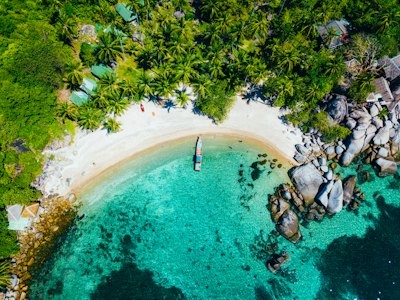
Take a longtail boat to Long Beach (50 baht) for the last morning on the islands. The sand is finer, the water calmer, and the crowds nonexistent before 10 AM. Reef sharks occasionally swim in the shallows right off the beach. Perfect way to close out the trip before catching the ferry back.
Ferries run back to Phuket at 9 AM, 11 AM, and 2:30 PM. Book the afternoon ferry to maximize island time. The ride takes about 2 hours. If flying out the same evening, take the 11 AM ferry to give yourself a comfortable buffer. Rassada Pier in Phuket has taxis and minibuses to the airport (45 minutes, 600-800 baht).
Final meal recommendation: authentic pad thai from a street cart near Rassada Pier as you wait for your transfer. Sometimes the simplest meals are the ones you remember.
Get turn-by-turn waypoints, real-time cost estimates, creator content at every stop, safety scores, and weather forecasts for Thailand. One tap to hand off to Google Maps or Apple Maps.
Plan in Tourific
Thailand is one of the best-value destinations in the world. Your budget goes 3-5x further than in the US or Europe.
Want exact costs for your travel style with real-time exchange rates, seasonal pricing, and personalized activity recommendations? The Tourific app builds a custom budget based on your preferences.
Get exact estimate in appCultural norms, common scams, and practical advice from people who have been there.
Respect temples: cover shoulders and knees when entering any temple. Remove shoes before stepping onto sacred ground. Many temples provide sarongs, but carrying your own saves time and avoids lines.
Do not touch monks or hand objects directly to them, especially women. Place items on a cloth or table and the monk will pick them up. This is a deeply held cultural norm, not a suggestion.
Negotiate tuk-tuk and taxi prices before getting in. Always. A reasonable tuk-tuk ride in Bangkok is 60-150 baht depending on distance. If they say 'meter broken,' find another taxi. Use Grab (Southeast Asia's Uber) for fair pricing.
Beware of gem scams in Bangkok. If a friendly stranger tells you the Grand Palace is closed today and offers to take you to a 'special' gem shop instead, it is a scam. The Grand Palace is open. Walk away.
Carry cash for street food - vendors do not take cards. ATMs charge 220 baht per withdrawal on top of your bank's foreign transaction fee. Withdraw larger amounts less frequently. 7-Elevens on every corner accept cards for larger purchases.
Drink bottled water only. Ice in restaurants and bars is factory-made and safe, but avoid tap water entirely. Street food is generally safe if it is cooked fresh in front of you - look for stalls with high turnover.
Keep a photocopy of your passport in a separate bag. Thailand requires foreigners to carry ID at all times. Police checkpoints happen. A photocopy is accepted in most situations and keeps your real passport in the hotel safe.
Bangkok: BTS Skytrain, river boats, Grab (rideshare)
Between cities: domestic flights ($30-80), overnight trains ($15-40)
Chiang Mai/Rai: rent a scooter ($5/day) or use red songthaew trucks ($1-2)
Islands: ferries ($10-25), longtail boats ($2-10), speedboats ($15-30)
Everywhere: Grab app works nationwide, use it for fair pricing
Plan this exact route with AI-powered cost estimates, creator content at every stop, and one-tap navigation handoff.