London to Glasgow. Drive from England through Wales and up to the Scottish Highlands on a 14-day journey through castles, cathedrals, legendary pubs, and some of the most dramatic landscapes in Europe.
The United Kingdom packs more history, culture, and landscape variety per square mile than almost anywhere else on earth. In 680 miles, you drive through three countries (England, Wales, and Scotland), past 2,000 years of history, and through landscapes that range from the cosmopolitan buzz of London to the wild, empty beauty of the Scottish Highlands.
This route hits the essential stops - London's world-class museums and markets, Oxford's dreaming spires, Bath's Roman heritage, the musical cities of Liverpool and Manchester, York's medieval streets, Edinburgh's dramatic castle, and the raw beauty of the Highlands - while leaving room for spontaneous detours through Welsh castles, Peak District hikes, and hidden pubs.
What makes this trip special is the density of world-class experiences within short driving distances. No day on this route requires more than 3.5 hours behind the wheel (aside from the Highlands day trip), which means more time exploring and less time on motorways. The UK also has an exceptional rail network, so you can mix driving with train travel if you prefer.
14 days, 11 cities, 3 countries - and enough stories to fill a lifetime.
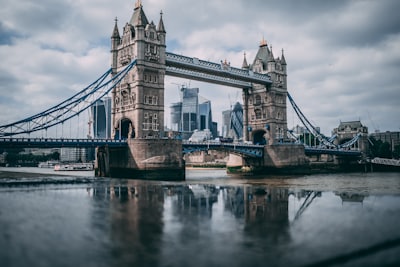
Book tickets online to skip queues. See the Crown Jewels first thing before crowds build. Walk across Tower Bridge and visit the glass floor walkway.
Saturday is market day on Portobello Road - arrive before 10am for vintage finds without crowds. Grab brunch at one of the cafes with rooftop views.
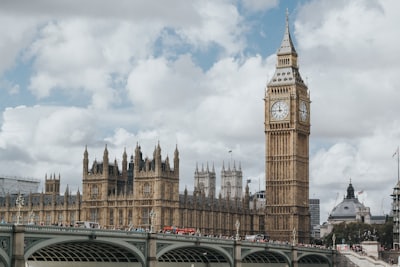
Big Ben, Westminster Abbey, and the Houses of Parliament are all walkable. Cross Westminster Bridge to the South Bank for the London Eye, Borough Market, and Tate Modern.
Camden Market is a sensory overload in the best way. Street food stalls serve everything from Ethiopian to Japanese. Walk through Regent's Park to Primrose Hill for the best skyline view.
The British Museum is free and you could spend days inside. The Rosetta Stone and Egyptian galleries are unmissable. Soho has the best restaurants and bars for evenings.
Take the Thames Clipper boat - it's a public bus but on the river. Stand on the Prime Meridian line, visit the Royal Observatory, and enjoy views from Greenwich Park.
“Brunch with a view above London and a stroll through charming Notting Hill streets.”
Borough Market for world-class street food. Dishoom for incredible Indian. Flat Iron for the best £12 steak in London. Evening cocktails in Soho or Shoreditch.
One of the oldest libraries in Europe. Book the guided tour to see the Divinity School (used as the Hogwarts infirmary in Harry Potter). Photography allowed outside only.
The dining hall inspired the Great Hall in Harry Potter. The college meadow behind is a peaceful walk. Buy tickets online - it sells out on weekends.
Oxford's Covered Market has been running since 1774. Try Ben's Cookies (legendary). The Eagle and Child pub is where Tolkien and C.S. Lewis used to drink.
“Exploring Oxford's historic Bodleian Library on a perfect day trip from London.”
The Covered Market for lunch. The Turf Tavern is a hidden gem - literally tucked behind walls down an alley. Great ales and pub food.
The audio guide is excellent - narrated by Bill Bryson. Go late afternoon for fewer crowds. You can't swim in the Roman Baths, but the Thermae Bath Spa rooftop pool nearby lets you bathe in natural hot spring water.
The Royal Crescent is one of the greatest examples of Georgian architecture in the world. Walk from The Circus down Brock Street to the Crescent for the full effect.
Bath Abbey has stunning fan vaulting inside. Pulteney Bridge is one of only four bridges in the world with shops on both sides. Best photographed from Parade Gardens.
“Exploring Bath's iconic Abbey and the stunning Royal Crescent.”
Sally Lunn's serves the famous Bath Bun in the oldest house in Bath. The Pump Room offers elegant afternoon tea with live music. Cheap eats at the covered market.
A Roman fort, Norman castle, and Victorian Gothic fantasy all in one. The lavish apartments inside are outrageously ornate. The grounds are free to walk around.
The regenerated docklands area has the Wales Millennium Centre, the Senedd (Welsh Parliament), and plenty of waterfront restaurants. The Doctor Who Experience was filmed here.
Bute Park stretches from the castle to the river - perfect for a walk. Cardiff's Victorian and Edwardian arcades are hidden gems for independent shops and coffee.
“Peaceful waterfront views with a pier and pavilion.”
Cardiff Market for local Welsh cakes fresh off the griddle. Depot for craft beer and pizza. City Road has excellent curry houses.
Located in the Albert Dock. Even if you're not a massive fan, the museum tells the story of 1960s Liverpool beautifully. Book online for a discount.
A UNESCO World Heritage site. Tate Liverpool, the Maritime Museum, and the International Slavery Museum are all free. The dock itself is gorgeous for photos.
The Cavern Club still has live music daily - free entry most afternoons. Mathew Street is lined with Beatles-themed bars. The love locks on the waterfront railings are a nice touch.
“Locks of love by the Liverpool Waterfront.”
Bold Street is Liverpool's foodie street - every cuisine imaginable. Maray for Middle Eastern small plates. Baltic Market for street food in a converted warehouse.
Manchester's coolest neighbourhood. Vinyl shops, independent coffee roasters, street art, and some of the best bars in the north of England. Affleck's Palace is a multi-floor indie emporium.
Whether you're a United or City fan, both stadium tours are world-class. Book ahead. The National Football Museum in the city centre is free and excellent even for non-fans.
Manchester's brand new arena is state-of-the-art. The city's music heritage runs deep - from The Smiths to Oasis. Check what's on at Band on the Wall or the Bridgewater Hall.
“Heading to the Co-op Live Experience in Manchester!”
Curry Mile in Rusholme for incredible South Asian food. Mackie Mayor food hall in a restored Victorian market. Rudy's for Neapolitan pizza (expect a queue - worth it).
Known as the 'Shivering Mountain' due to unstable layers of shale. The ridge walk from Mam Tor to Lose Hill offers some of the best views in England. Moderate difficulty, bring proper shoes.
Castleton sits beneath the ruins of Peveril Castle. Visit the Blue John Cavern to see the rare Blue John stone found nowhere else on earth. Hope Valley is Peak District chocolate-box scenery.
A stunning oval Victorian building filled with independent shops, vintage stores, and cafes. The architecture alone is worth the visit. Leeds has a thriving indie scene.
“Exploring the vibrant Leeds Corn Exchange, a hub for indie shops and cafes.”
“Hiking Mam Tor for breathtaking views over the Peak District.”
Kirkgate Market is one of the largest indoor markets in Europe - it's where Marks & Spencer started. Trinity Kitchen rotates street food vendors monthly. Call Lane for evening drinks.
The largest Gothic cathedral in Northern Europe. Climb the 275 steps of the tower for panoramic views of York. The stained glass windows are breathtaking - especially the Great East Window.
The Shambles is one of the best-preserved medieval streets in the world - and yes, it inspired Diagon Alley. Walk the city walls for a free 2-mile loop with brilliant views.
Free entry and genuinely fascinating even if you're not into trains. The Mallard - the fastest steam locomotive ever - is the star exhibit. The turntable demonstration is surprisingly thrilling.
“Up close with the legendary Mallard steam locomotive in York!”
The Shambles Food Court for street food. Bettys Tea Rooms for a quintessentially English afternoon tea (expect a queue). York has outstanding pubs - The House of Trembling Madness is in a medieval hall.
Book online to avoid the massive queues. The One O'Clock Gun fires daily (except Sundays). Views from the castle over the city are extraordinary. Audio guide included in ticket price.
Walk the full mile from the Castle down to Holyrood Palace. Duck into the closes (narrow alleyways) for hidden courtyards. Victoria Street's colourful curved shopfronts inspired Diagon Alley.
An ancient volcano right in the city centre. The main path takes 45 minutes up and rewards with 360-degree views of Edinburgh, the Firth of Forth, and on clear days, the Highlands.
Calton Hill at sunset is magical - the National Monument and Dugald Stewart Monument frame the skyline perfectly. New Town's Georgian architecture is a UNESCO World Heritage site.
The Grassmarket has a dark history (public executions) but now houses some of Edinburgh's best pubs. The Bow Bar for whisky, Sandy Bell's for live folk music. During Festival season (August), the city transforms entirely.
“Colorful Victoria Street in Edinburgh, lined with shops and restaurants.”
The Kitchin for Michelin-starred Scottish cuisine (splurge). Oink for a hog roast roll. Whiski Rooms on the Royal Mile for whisky flights and Scottish tapas. Stockbridge neighbourhood for brunch.
One of the most dramatic landscapes in the UK. The Three Sisters mountains are iconic. Stop at the viewpoint on the A82. This was a filming location for James Bond's Skyfall and Harry Potter.
A combined sea cave and freshwater cave on the north coast. The main chamber is enormous. Boat tours go deeper into the cave system when water levels allow. Truly dramatic geology.
The most northerly settlements on the British mainland. Wild beaches, rugged cliffs, and almost no people. The North Coast 500 route passes through here - Scotland's answer to Route 66.
“Exploring the dramatic Smoo Cave in the Scottish Highlands!”
“The most northerly part of the uk”
Highland hospitality means hearty portions. Try haggis, neeps, and tatties at a local pub. Seafood is exceptional on the coast - langoustines, scallops, and smoked salmon. Clootie dumpling for dessert.
Free entry. An astonishing collection including Dalí's Christ of Saint John of the Cross. The building itself is stunning red sandstone. The organ recital at 1pm daily is a hidden gem.
Glasgow's bohemian quarter. Ashton Lane is a fairy-lit cobbled lane packed with restaurants and bars. The Ubiquitous Chip has been a Glasgow institution since 1971. Great vintage shops on Byres Road.
The only medieval cathedral on the Scottish mainland to survive the Reformation intact. Behind it, the Necropolis - a Victorian cemetery on a hill - offers the best views of the city. Free entry to both.
Glasgow's city centre has the best shopping in Scotland. Merchant City is the cocktail bar district. The Sub Club is one of the world's longest-running underground dance clubs. Glasgow's nightlife outshines Edinburgh's.
“Chic bar with a glowing marble counter and premium spirits.”
The Barras market on weekends. Finnieston strip for trendy restaurants and cocktail bars. Chippy Doon The Lane for proper fish and chips. Glasgow invented the deep-fried Mars bar - try it once.
Get turn-by-turn waypoints, real-time cost estimates for your specific vehicle, creator content at every stop, safety scores, and weather forecasts. One tap to hand off to Google Maps or Apple Maps.
Plan in Tourific
Real costs for 14 days across the UK. Prices in GBP (£). Budget, mid-range, and luxury options.
Want exact costs for your specific travel style with real-time prices and personalised recommendations? The Tourific app calculates precise costs based on your preferences, travel dates, and accommodation standards.
Get exact estimate in appEssential advice for driving and travelling in the UK. Read these before you go.
Drive on the LEFT side of the road. This is the single most important thing to remember. Take extra care at roundabouts and when turning - your instincts will betray you.
M roads are motorways (highways). A roads are main routes. B roads are smaller and often single-track in Scotland. Learn the difference before you go.
Roundabouts are everywhere - give way to traffic already on the roundabout (coming from your RIGHT). Multi-lane roundabouts can be intimidating at first. Stay in the left lane if going straight or left.
Weather changes fast, especially in Scotland. You can experience four seasons in one day. Always pack layers, a waterproof jacket, and an umbrella - even in summer.
The NHS provides free emergency healthcare, but visitors should still carry travel insurance for non-emergency treatment, repatriation, and any costs not covered.
Tipping is not obligatory in the UK. 10% at sit-down restaurants is appreciated but not expected. Don't tip at pubs when ordering at the bar. Rounding up taxi fares is common.
Drive on the LEFT, overtake on the right
Roundabouts go clockwise - give way to the right
Speed limits: 30mph (town), 60mph (single carriageway), 70mph (motorway)
Distances in miles, fuel sold in litres (yes, it's confusing)
Sat nav is essential - UK roads are not a grid system
Congestion charge in central London: £15/day (Mon-Sun)
Plan this exact route with AI-powered cost estimates, creator content at every stop, and one-tap navigation handoff.